#rsv
#rsv
[ follow ]
#infant-health #vaccines #vaccination #monoclonal-antibodies #maternal-vaccination #public-health #cdc
#vaccines



fromwww.theguardian.com
10 months agoCoronavirus
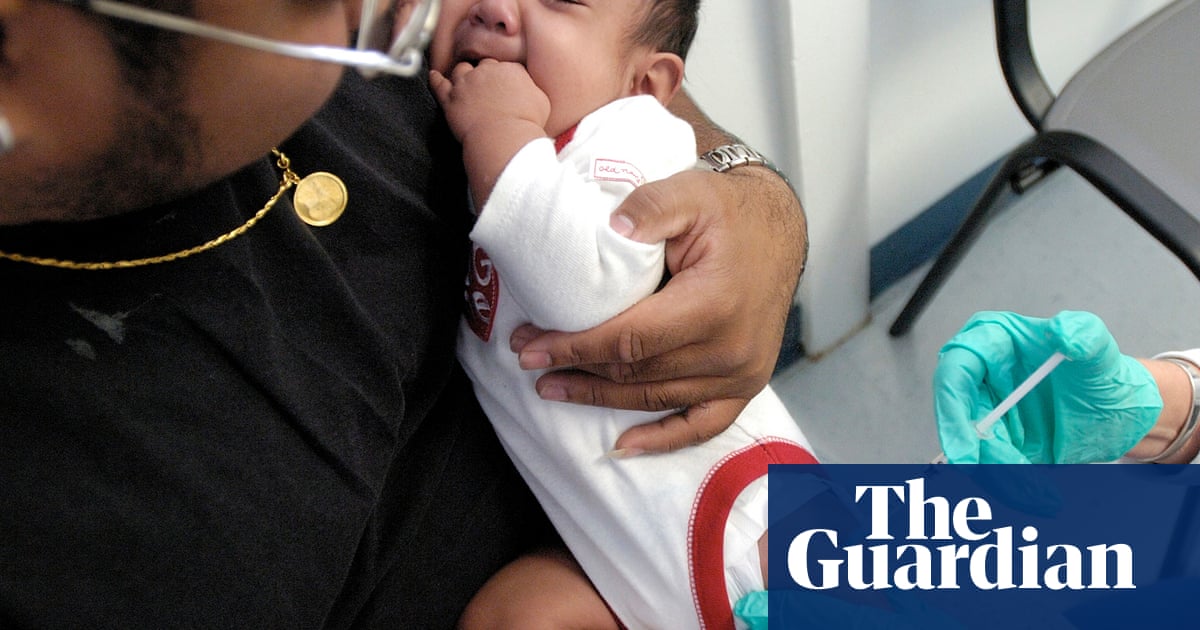
Dramatic dip in baby hospitalizations for RSV linked to vaccine and treatment
New vaccines and treatments have led to a significant decline in RSV hospitalizations for infants.
The RSV vaccination during pregnancy and monoclonal antibody treatment are effective interventions.

fromSFGATE
2 months ago'Everyone around you is sick': Winter viruses sweep through Bay Area
If you feel like everyone you know is dealing with a cough, cold and runny nose, it's not in your head. Multiple viruses, not just the flu, are currently circulating near season-high levels in the San Francisco Bay Area, according to wastewater data. Flu tests show seasonal influenza activity continues to be elevated in the region, although it's down from the season-high peak at the end of December, according to the California Department of Public Health.
Public health
fromwww.scientificamerican.com
2 months agoRSV is surgingantibody shots and vaccines can protect babies
RSV season in the U.S. typically peaks in January and February, with cases often stretching well into March. National emergency room visits and hospitalizations from the virus in kids ages four and younger have dipped slightly but are growing overall in more than a dozen states, according to the Centers for Disease Control and Prevention's latest report on January 16.
Public health


fromwww.scientificamerican.com
3 months agoRFK, Jr., Questions Safety of Approved RSV Shots for Babies
U.S. health officials are reportedly questioning the safety of several approved therapies to treat respiratory syncytial virus (RSV) in babies. The treatmentsspecifically, Sanofi and AstraZeneca's drug Beyfortus and Merck's drug Enflonsiaare shots that are given to infants in the first months of life to protect against complications from RSV, which is the number one cause of hospitalization in babies in the U.S. RSV typically hits in winter and can cause severe disease and even death in young babies and older adults.
Public health
fromIrish Independent
3 months agoVaccines for RSV are safe and effective but extending would be expensive, says Hiqa report
RSV is a common viral infection that affects the lungs and upper airways. While most people recover without medical care, RSV can cause serious illness especially in infants, young children and older adults. Every winter in Ireland, more than 7,000 people are diagnosed with RSV, with historically a large number of young children requiring admission to hospital, especially infants aged less than one year.
Public health

Medicine
fromBusiness Insider
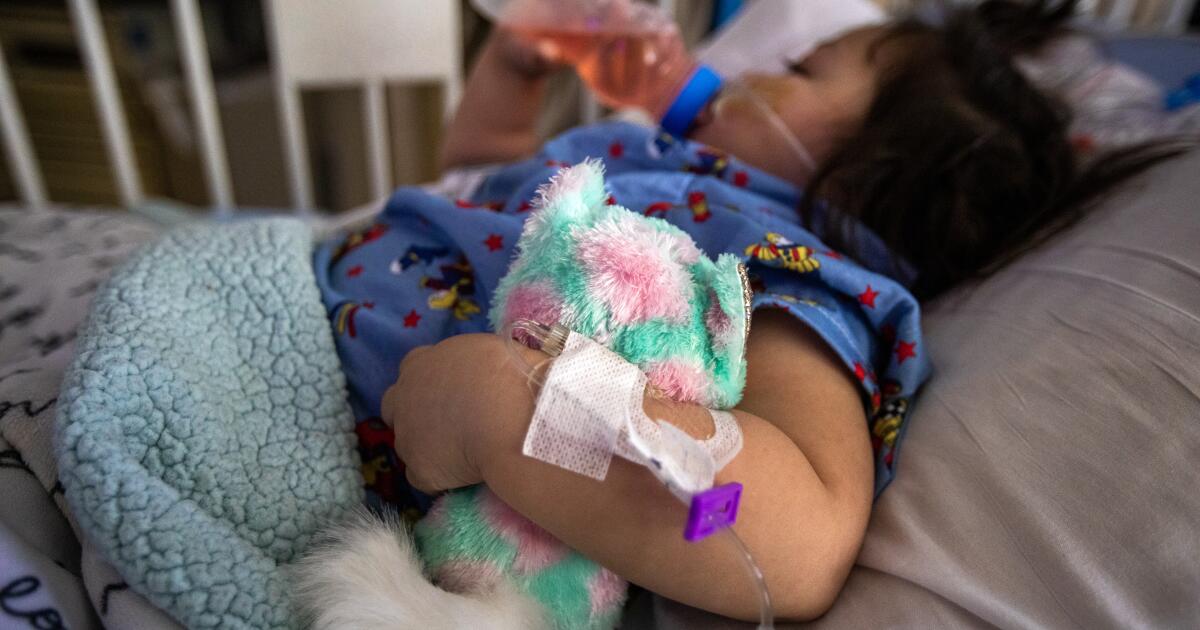
5 months ago'Like getting an upgrade for a phone': A pediatrician and parent's advice on the RSV vaccine
Maternal RSV vaccination or infant monoclonal antibody administration can protect infants through RSV season; vaccines induce active immunity, monoclonals provide passive protection.


fromwww.scientificamerican.com
6 months agoFrom Tragedy to EurekaThe Long Road to RSV Drugs
When Laura Ehrlich gave birth to her first child in 2020, the COVID-causing virus wasn't the only threat facing her son. Born a micro preemie at under 26 weeks, little Alistair was also at very high risk for severe disease from other germs, including respiratory syncytial virus (RSV). Ehrlich says she was terrified because it was a guaranteed hospital stay for him, and after he had already spent his first 134 days of life in a neonatal intensive care unit (ICU), I didn't want that for him anymore.
Medicine
[ Load more ]