#rumors-and-racial-history
#rumors-and-racial-history
[ follow ]
#civil-rights #slavery #racial-justice #trump-administration #black-history-month #jesse-jackson #black-history

fromSmithsonian Magazine
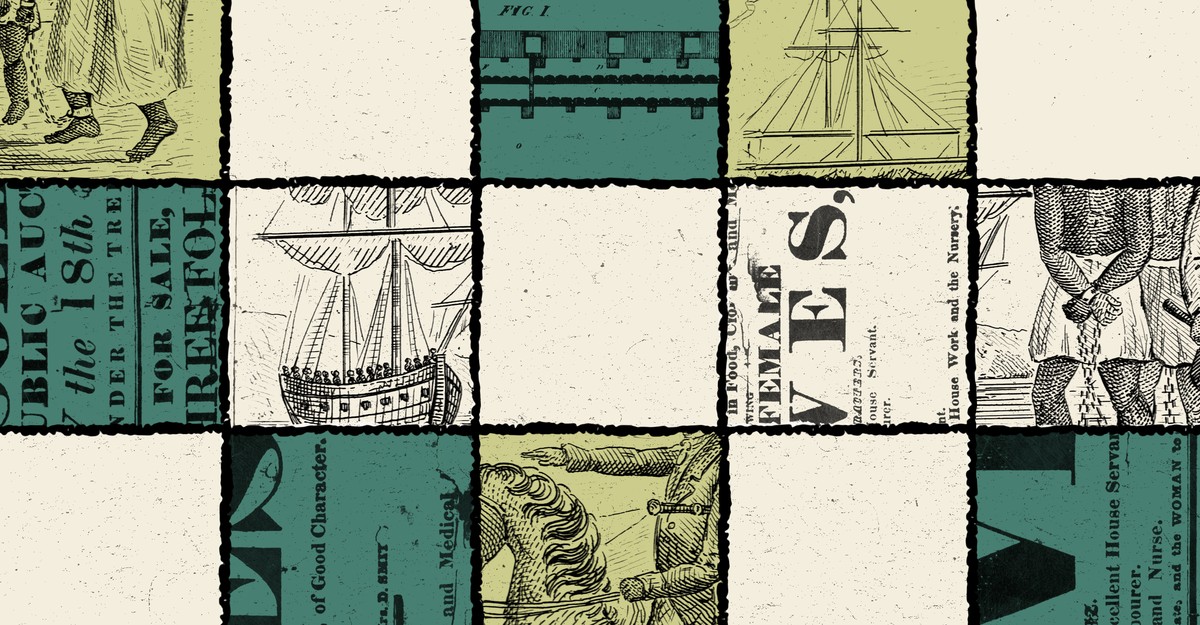
5 days agoThis Secret Passageway May Have Been Part of the Underground Railroad. Now, Preservationists Say It's in Danger
To find a previously undiscovered Underground Railroad site is the holy grail of historic preservation, according to attorney Michael Hiller, representing the Merchant's House Museum.


History
fromSmithsonian Magazine
1 week agoNine Black College Students Were Arrested in 1961 for Reading at a Segregated Public Library. Their Contributions to the Civil Rights Movement Have Long Been Overlooked
The Tougaloo Nine staged a sit-in at a segregated library in 1961, significantly impacting the desegregation movement in Mississippi.
fromNonprofit Quarterly | Civic News. Empowering Nonprofits. Advancing Justice.
3 weeks agoHow the NAACP Is Stopping Dirty Data | Nonprofit Quarterly | Civic News. Empowering Nonprofits. Advancing Justice.
Developers promise "community investments," downtown revitalization, and a new "AI Center." What they don't say is that this development comes tethered to a massive resource-intensive data center that will cost billions, create pollution, and concentrate profits for the corporations and CEOs at the top-not the surrounding communities. This is not innovation, it's exploitation.
Environment
Books
fromIntelligencer
3 weeks agoIbram X. Kendi Can't Separate His Fame From How to Be an Antiracist
Dr. Ibram X. Kendi's antiracism framework defines racism as a descriptive policy term based on material effects, not a personal identity, though institutions misappropriated his work for performative diversity initiatives.

Boston Celtics
fromLos Angeles Times
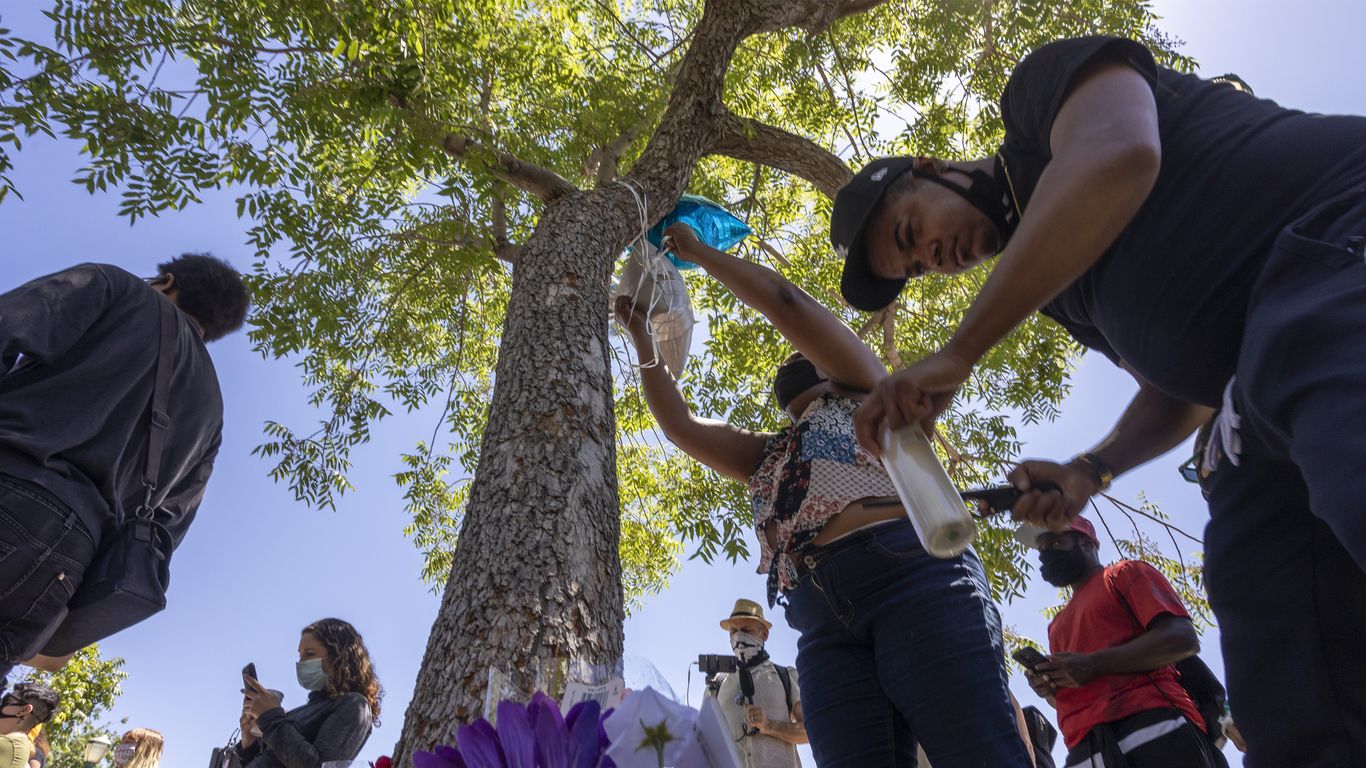
1 month agoJaylen Brown, Beverly Hills police and a videotaped incident stoke debate about racial bias
Beverly Hills police shut down Jaylen Brown's private All-Star Weekend event, prompting him to reject the city's apology and consider legal action over financial and reputational damage.
Arts
fromwww.npr.org
4 weeks agoThis historian dug up the hidden history of 'amateur' blackface in America
Minstrel shows featuring blackface became mainstream American entertainment in the 1800s, promoted by government during the Great Depression, and were gradually eliminated through civil rights activism and maternal advocacy in the 1970s.
US Elections
fromThe Nation
4 weeks ago61 Years After Bloody Sunday, We Are Entering a New Era of Voter Suppression
2026 faces voting rights threats through postal service changes and the SAVE America Act, which would require citizenship documents to register, potentially disenfranchising millions of Americans.
LGBT
fromAdvocate.com
1 month agoMany alleged suicides of Black trans women are in fact modern-day lynchings, report finds
Law enforcement in Southern states may be systematically misclassifying deaths of transgender women as suicides to conceal bias-motivated killings that constitute modern-day lynchings.
Education
fromTruthout
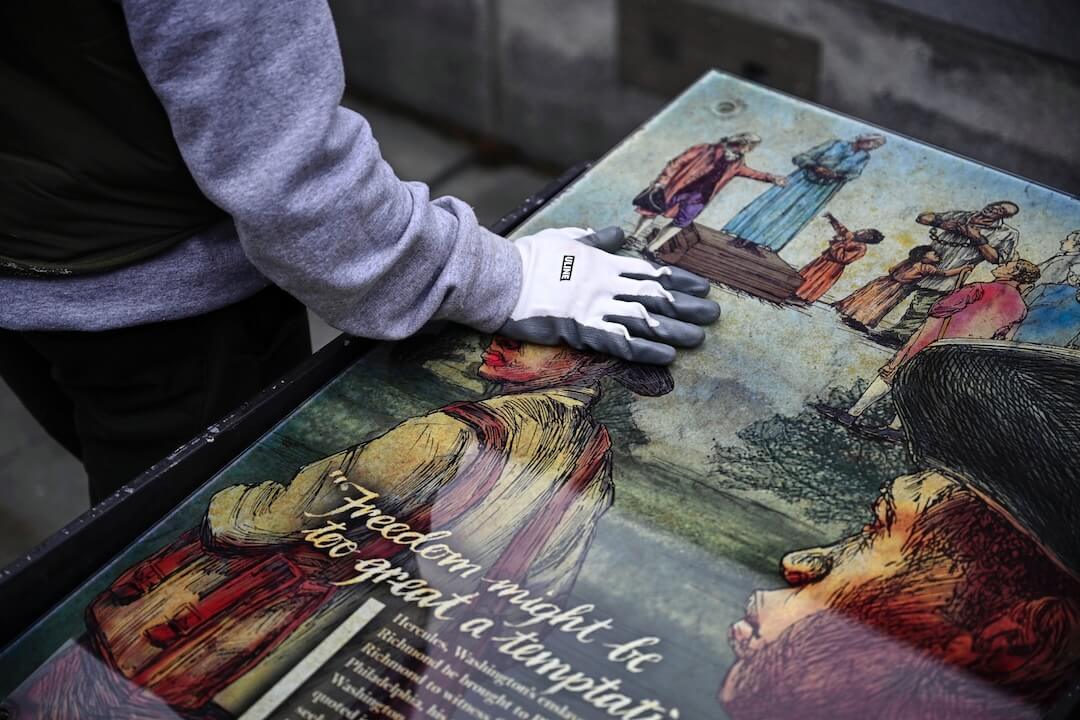
1 month agoWe Must Defend Black History - It Fuels Freedom Dreams of Students Under Attack
Teachers must transform curricula to eliminate biases and systems of domination while protecting vulnerable students, particularly Black students and students of color, from contemporary educational injustices.

Public health
fromLGBTQ Nation
1 month ago"Look at who's in political control": How HIV disclosure laws are steeped in racial bias - LGBTQ Nation
Thirty-two states criminalize HIV non-disclosure during consensual sex, with Black Americans arrested and convicted at disproportionately higher rates than their representation among people living with HIV.
Social justice
fromenglish.elpais.com
1 month agoTa-Nehisi Coates, writer: Obama never understood how deep-seated racism is in the country that elected him'
Ta-Nehisi Coates uses on-the-ground reporting across Africa, the American South, and Palestine to expose how official narratives obscure truth and marginalize voices.
fromwww.mercurynews.com
1 month agoKluth: Race is the elephant in the room of US foreign policy
White genocide' Carl is a right-wing firebrand who played a minor role in the first Trump administration and has more recently gained, depending on your vantage, kudos or notoriety for his theory that Anti-White Racism Is Tearing America Apart, as his book's subtitle puts it. He believes, for example, that a White genocide is underway and endorses the Great Replacement Theory (according to which elites in America and Europe are intentionally encouraging immigration to replace indigenous whites).
US politics
Social justice
fromwww.mercurynews.com
1 month agoPromises made, payments delayed: Reparations work moves slowly in Alameda County, elsewhere
Russell City, a predominantly Black and Latino neighborhood, was destroyed through eminent domain in the 1960s to build an industrial park, displacing over 1,400 residents and erasing generational wealth opportunities now being addressed through a reparations fund.
fromwww.theguardian.com
1 month agoBlack History Month was never given' to Black people, thus, it can never be taken from us
If you know anything about the basic origins of Black History Month then you know that we weren't given' anything. The question of who owns and authorizes Black History Month holds particular relevance now, in its centennial year, and at a time when efforts to celebrate, preserve, and acknowledge Black people's past in this country are under attack.
History
fromwww.mediaite.com
1 month agoConfused Trump Says the Civil War and Reconstruction Were the Same Thing: A Fancy Way of Saying the Civil War'
Truth be told, Reconstruction is not a fancy way of saying the Civil War. The term refers to the period after the Civil War, in which the former Confederate states were readmitted to the Union and had to adhere to the Constitution and federal statutes, particularly the newly-ratified 13th, 14th, and 15th amendments, which abolished slavery, granted citizenship and the attendant rights to all persons born in the U.S. (including former slaves), and prohibited denial of voting rights based on race, respectively.
US politics
Social justice
fromNonprofit Quarterly | Civic News. Empowering Nonprofits. Advancing Justice.
1 month agoBlack History Is Economic History: A Charge Toward Black Futures | Nonprofit Quarterly | Civic News. Empowering Nonprofits. Advancing Justice.
American prosperity was built on racialized capitalism through slavery and systematic exclusion, creating a persistent racial wealth divide that continues to deny Black communities economic opportunity and democratic participation.
US politics
fromwww.npr.org
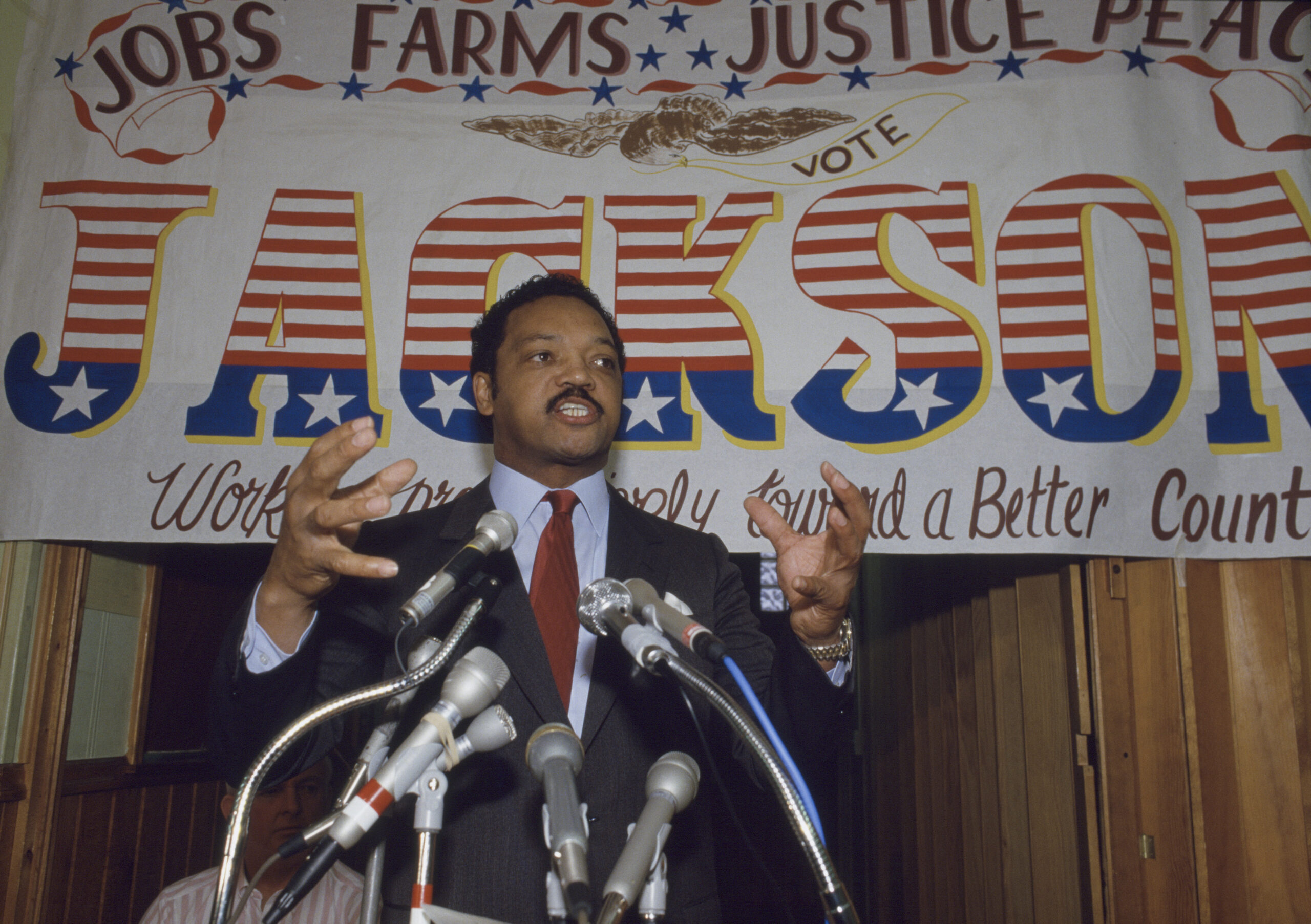
1 month agoCivil rights leaders say the racial progress Jesse Jackson fought for is under threat
Rev. Jesse Jackson, a civil rights icon who transformed Black political power through groundbreaking 1980s presidential campaigns, died at 84, leaving a legacy of expanding political possibilities for Black Americans and people of color.
US politics
fromABC7 San Francisco
1 month agoBay Area man stood against segregation at a pool protest in 1962, igniting change in North Carolina
Raleigh's Pullen Park pool was demolished and replaced with a plaque commemorating its segregated history and the 1962 integration protest by Black and white teenagers.
fromThe Conversation
1 month agoRevisiting the story of Clementine Barnabet, a Black woman blamed for serial murders in the Jim Crow South
From November 1909 until August 1912, an unknown assailant - or assailants - zigzagged across southwestern Louisiana and southeastern Texas. Many Black families were slaughtered in their homes under the cover of darkness. An ax - the telltale weapon - was almost always found in the bloody aftermath. All but one of the scenes were located within a mile of the Southern Pacific Railroad's Sunset Route. In each case, a mother and child were always among the victims.
Philosophy
US politics
fromThe Nation
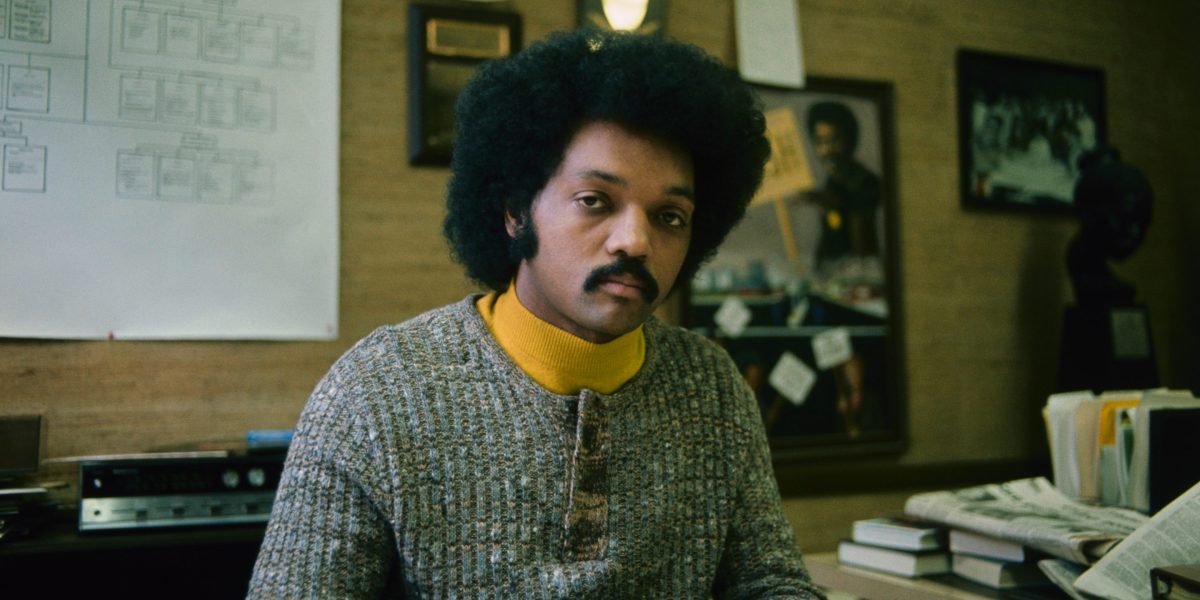
1 month agoClarence Thomas Just Struck Another Blow to Black Power
Supreme Court Justice Clarence Thomas ruled in USPS v. Konan to shield the post office from liability under the Federal Tort Claims Act, blocking a Black woman's discrimination lawsuit over mail delivery disruption.

Education
fromLos Angeles Times
2 months agoCommentary: The myth of anti-white discrimination in L.A. schools - and the politics behind it
Los Angeles Unified directs extra resources to schools that are over 70% non-white, and a lawsuit alleges this policy discriminates against white and Middle Eastern students.
History
fromHarvard Gazette
1 month agoTracing Harvard's ties to slavery: Recovering names and histories - Harvard Gazette
Researchers identified over 1,300 formerly enslaved people connected to Harvard and hundreds of living descendants by examining probate records, tax lists, estate inventories, and family histories.
fromJezebel
1 month agoTrump Admin Doesn't Want Us to Call the Klansman Who Murdered Medgar Evers a Racist
On Thursday, Mississippi Today reported that several officials, who requested anonymity out of fear of retribution, said NPS told them to remove visitor brochures from the Medgar & Myrlie Evers Home National Monument and edit out details about Beckwith. Among the details reportedly flagged for removal: that Evers was found lying in a pool of blood after he was shot. The brochures referred to Beckwith as "a member of the racist and segregationist White Citizens' Council."
History


fromSan Jose Spotlight
1 month agoCantrell: Is California's 'justice' system just slavery by another name? - San Jose Spotlight
The next "Dying to Stay Here" podcast will feature a panel discussing what we call our criminal justice system. The panel reflected on a recent election in California, where voters were asked, in plain language, whether they wanted to remove slavery from our constitution, where it's still allowed "as punishment for a crime," and voted to keep it. As we celebrate another Black History Month, I reflect on the disproportionate number of Black people behind bars.
Social justice
fromThe Atlantic
2 months agoHow I Traced My Ancestor's Journey From Slavery to Freedom
The librarian sat me in front of a microfilm reader and brought out roll after roll of film. I stayed there for hours, squinting to decipher the archaic handwriting in the Free Negro Book, which was published annually in South Carolina before the Civil War. The names in each year's edition were alphabetized, but only roughly-all of the surnames starting with A came before all of the surnames starting with B, but Agee might come before Anderson, or it might come after.
History
fromInside Higher Ed | Higher Education News, Events and Jobs
1 month agoWe Must Teach Young Americans That Associating Black People With Apes Is Racist
U.S. president Donald Trump shared a racist video on his Truth Social account in which former American president and first lady Barack and Michelle Obama were depicted as apes. I was unsurprised, yet nonetheless disgusted. U.S. senator Jon Ossoff also found the video unacceptable. He said during a rally in Atlanta that Donald Trump was "posting about the Obamas like a Klansman."
US politics
History
fromwww.mercurynews.com
2 months agoToday in History: February 5, White separatist convicted of murdering civil rights leader 31 years later
Feb. 5 marks historical events: a civil-rights murder conviction, immigration restriction, WWI and WWII losses, Apollo 14 moonwalk, FMLA signing, tornado outbreak, Super Bowl comeback.
fromwww.theguardian.com
1 month agoTrump's racist post about the Obamas was a wake-up call for some. Why did it take so long? | Jamil Smith
John from New Mexico, a self-professed lifelong Republican, called into C-Span's Washington Journal earlier this month with penitence on his mind. I voted for the president and supported him, he began. But I really want to apologize. The caller said he had been staring at an image Americans have seen far too often in recent days: Barack and Michelle Obama, the former president and first lady, with their mouths stretched into grotesque grins and their faces affixed to the bodies of apes.
US politics
fromPsychology Today
2 months agoHidden Psychological Costs of Misappropriated Black Imagery
It is striking how frequently organizations and individuals display images and stock photos of Black people, especially Black women, to project an image of inclusivity and to deflect accusations of Anti-Black Racism. However, a closer look at their actual practices-such as hiring, firing, internal policies, equal pay, and addressing inequities-reveals a significant absence of Black professionals and notably Black women in leadership and decision-making positions.
Social justice
US politics
fromwww.theguardian.com
1 month agoState violence against Black Americans laid the groundwork for fascism | Jason Stanley
Expansion of racially targeted, arbitrary state violence into broader populations exemplifies an imperial boomerang, where colonial tactics return domestically and risk fascist normalization.

fromTruthout
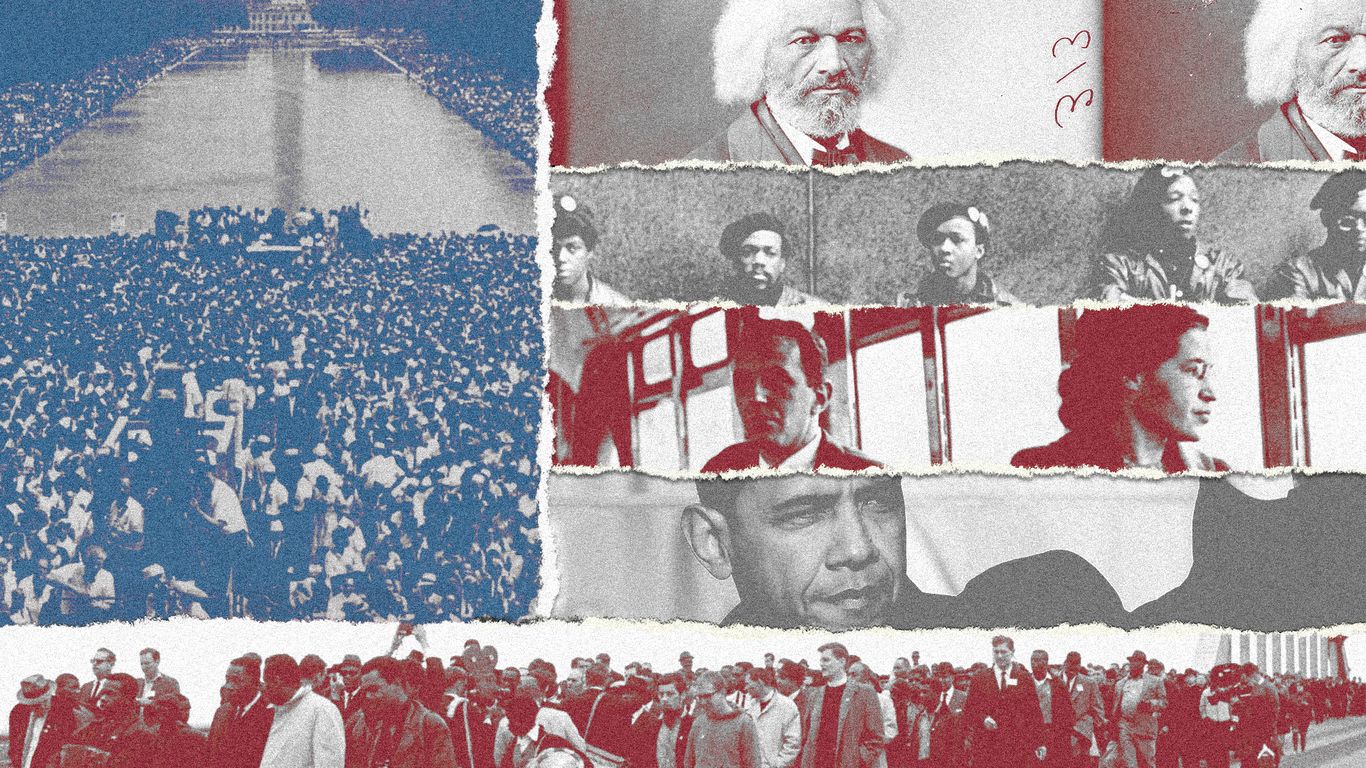
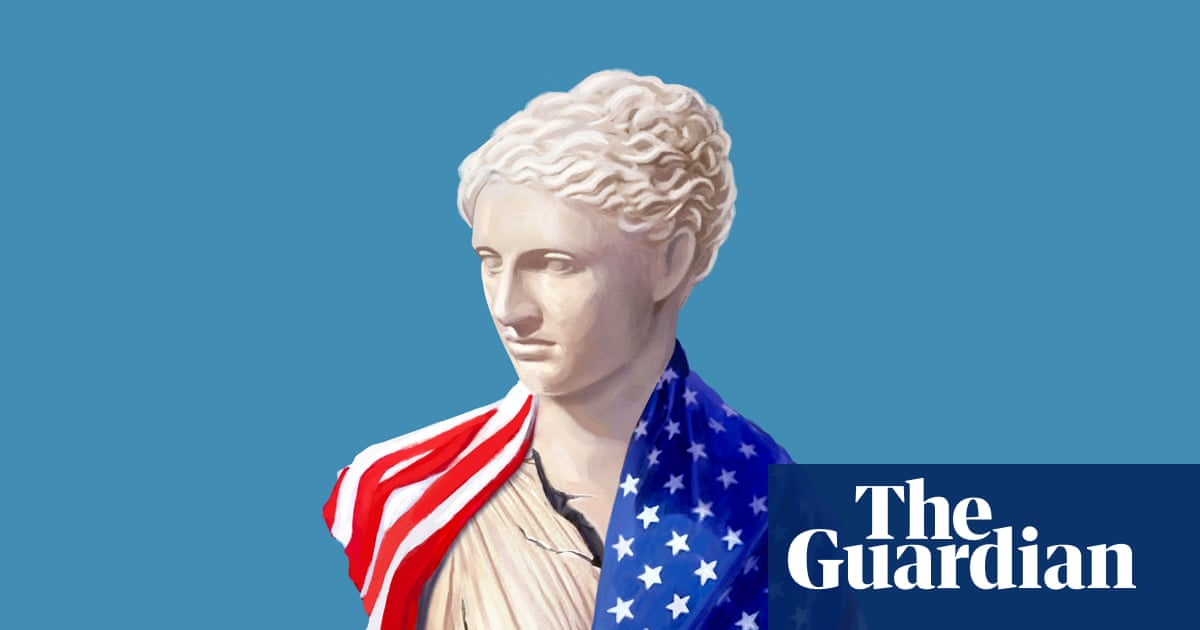
2 months ago"This Is Not America" Is the Most Dangerous Lie We Keep Telling Ourselves
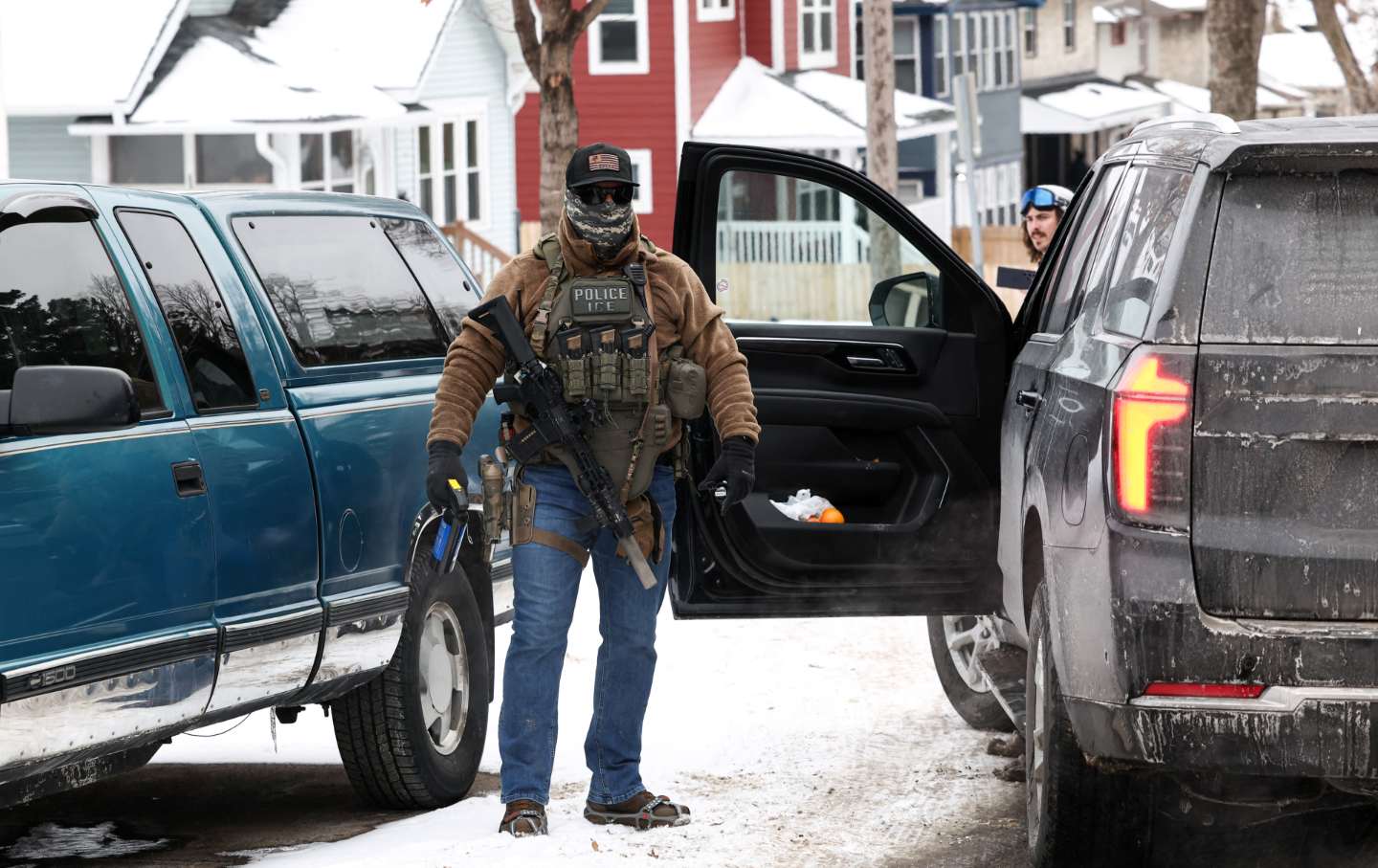
As authoritarianism accelerates - as government-sanctioned violence becomes more overt in immigration enforcement, in policing, in the open deployment of federal force against civilians, and in the steady erosion of civil rights - people are scrambling for reference points. But instead of reckoning with the long and violent architecture of U.S. history, much of this searching collapses into racialized tropes and xenophobic reassurance: This isn't Afghanistan. This isn't Iran or China. This is America. We have rights. This is a democracy. This isn't who we are.
US politics
US politics
fromLos Angeles Times
1 month agoCalifornia launches civil rights probe into botched evacuations in historically Black Altadena
California Attorney General Rob Bonta opened a civil rights investigation into potential race, age, or disability discrimination in Eaton fire emergency response in west Altadena.
[ Load more ]