#russia-china-trade
#russia-china-trade
[ follow ]
#strait-of-hormuz #russia #china #iran #diplomacy #cuba #ukraine #international-relations #energy-crisis


fromFortune
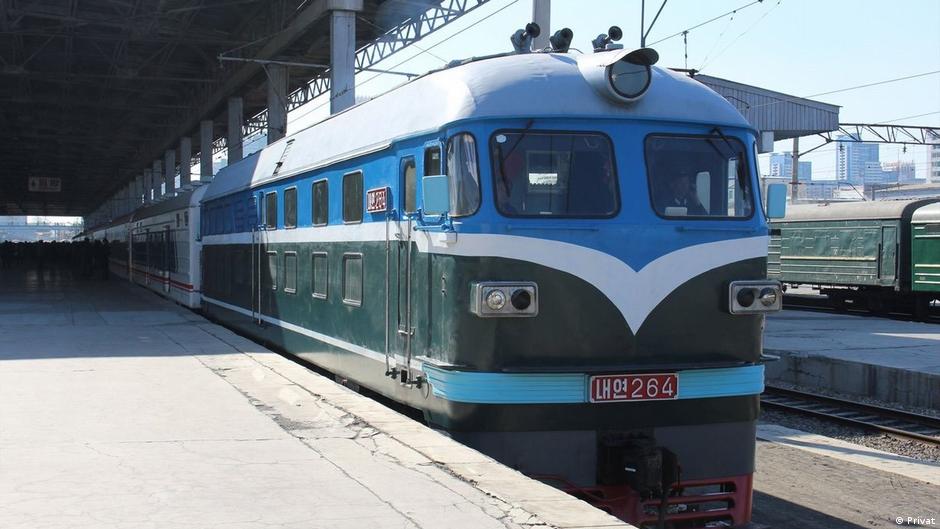
2 days agoFrance, South Korea say they'll work together on reopening Strait of Hormuz | Fortune
Macron underscored the need for France and South Korea to cooperate to help reopen the strait and deescalate Middle East animosities, affirming their resolve to secure the safe shipping route in the Strait of Hormuz.
World politics


Europe news
fromLondon Business News | Londonlovesbusiness.com
3 days agoTrump threatens Ukraine arms halt to force Europe into Hormuz coalition - London Business News | Londonlovesbusiness.com
Trump threatens to halt arms supplies to Ukraine to pressure European allies into reopening the Strait of Hormuz.
Russo-Ukrainian War
fromLondon Business News | Londonlovesbusiness.com
4 days agoLeaked Hungary-Russia talks expose fault lines in Europe's support for Ukraine - London Business News | Londonlovesbusiness.com
TCCC training in Ukraine emphasizes the critical importance of timely decisions in saving lives amidst conflict.
London startup
fromBusiness Matters
3 weeks agoCan the New Trade Agreement Between the UK and China Spur Business Activity in the UK: The Businesses' Perspective in 2026
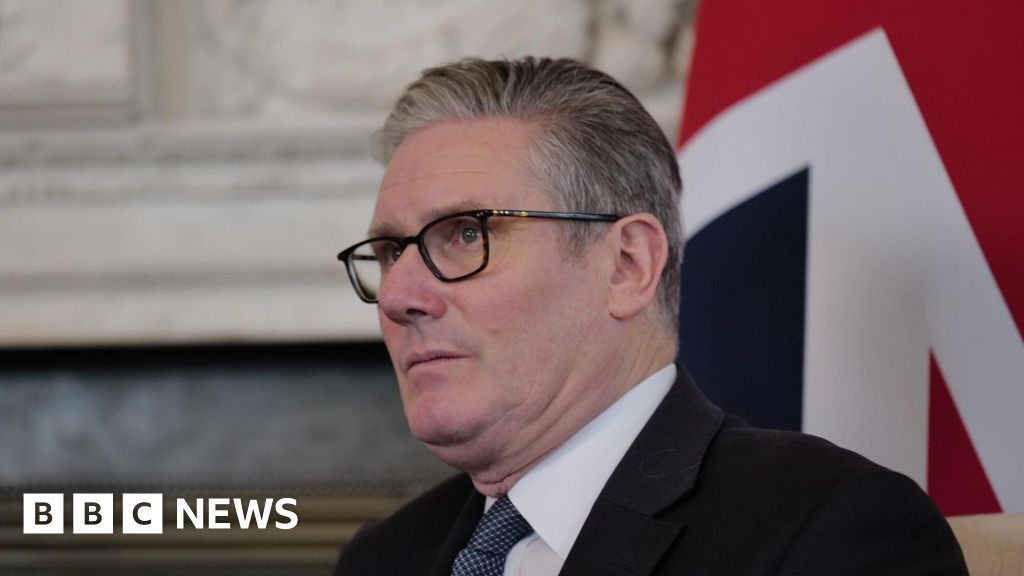
UK Prime Minister Keir Starmer's January 2026 visit to China established trade agreements aimed at boosting economic growth, expanding market access, and creating investment opportunities for British companies across multiple sectors.
fromThe Cipher Brief
3 days agoTaking a Stand on Adversaries' Influence in the Western Hemisphere
The January 3rd Operation Absolute Resolve ousted Venezuelan Dictator Nicholas Maduro, marking a significant shift in US policy towards countering adversarial influence in the western hemisphere.
World politics

fromwww.dw.com
5 days agoAfter the Iran war, how fast could global trade recover?
The longer this conflict goes on, the more devastating its impact will be on the world's energy supplies, inflation and economic stability. Every extra week of disruption raises costs for consumers and businesses while growth slows.
World news

fromwww.aljazeera.com
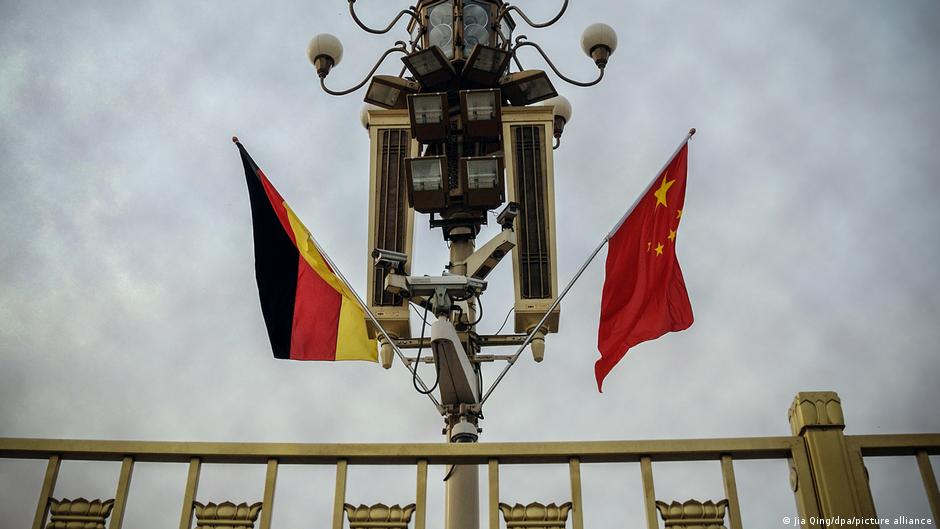
1 month agoGermany's Merz arrives in China for two-day visit with focus on trade
We have very specific concerns regarding our cooperation, which we want to improve and make fair, said Merz, in an acknowledgement of the strain faced by Germany's manufacturing sector from Chinese competition.
Europe politics
#us-china-trade-relations
World news
fromwww.dw.com
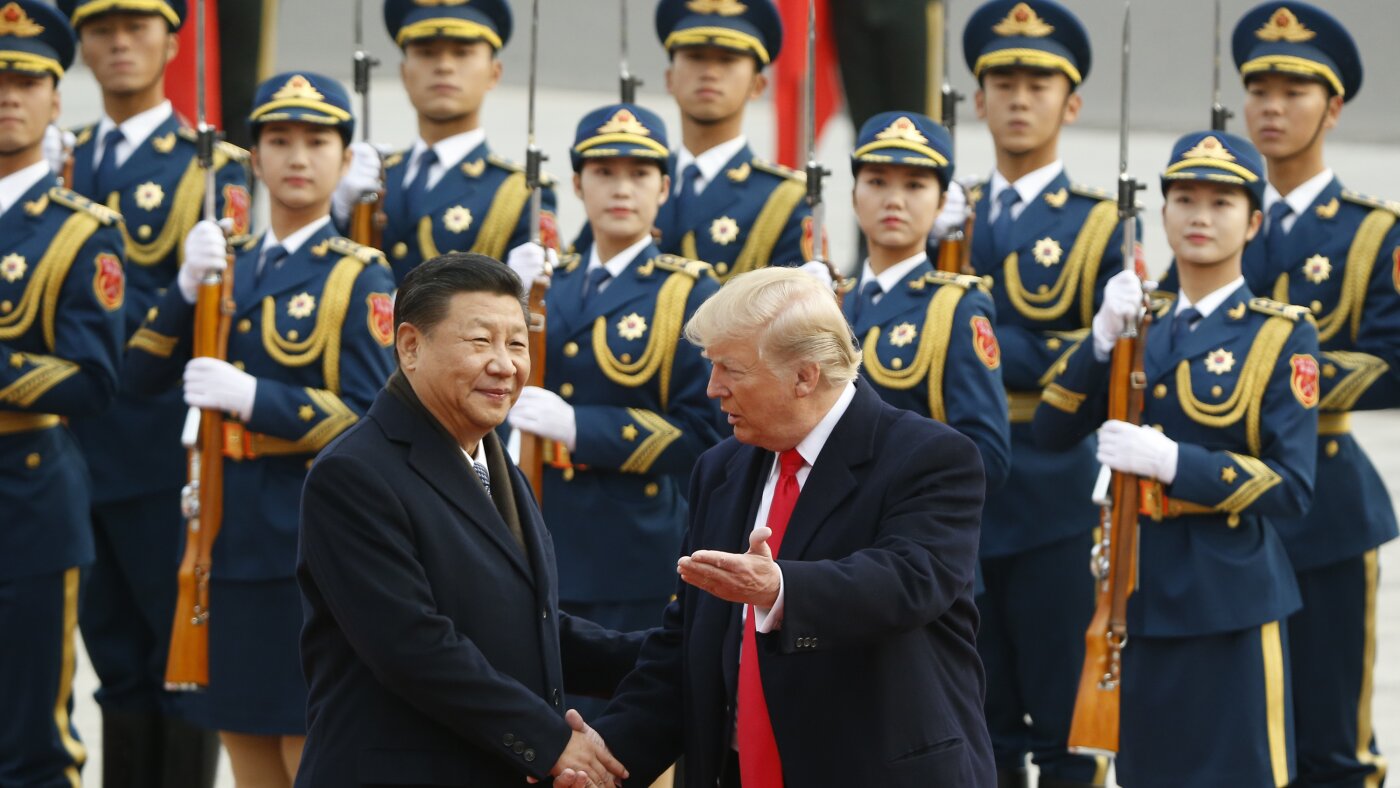
2 weeks agoUS-China trade talks 'stable' despite mutual accusations
US and Chinese trade officials concluded a two-day Paris summit with stable discussions, agreeing on agricultural purchases and proposing new trade boards while disputes over forced labor investigations and Middle East tensions persist.
#us-china-relations
World politics
fromFortune
2 weeks agoTrump suggests postponing his key meeting with Xi Jinping by 'a month or so,' as Iran overtakes China on the U.S.'s agenda | Fortune
Trump is considering delaying his meeting with Xi Jinping by approximately one month due to escalating Iran conflict management priorities rather than as pressure on China.
World politics
fromFortune
2 weeks agoTrump suggests postponing his key meeting with Xi Jinping by 'a month or so,' as Iran overtakes China on the U.S.'s agenda | Fortune
Trump is considering delaying his meeting with Xi Jinping by approximately one month due to escalating Iran conflict management priorities rather than as pressure on China.
World politics
fromFortune
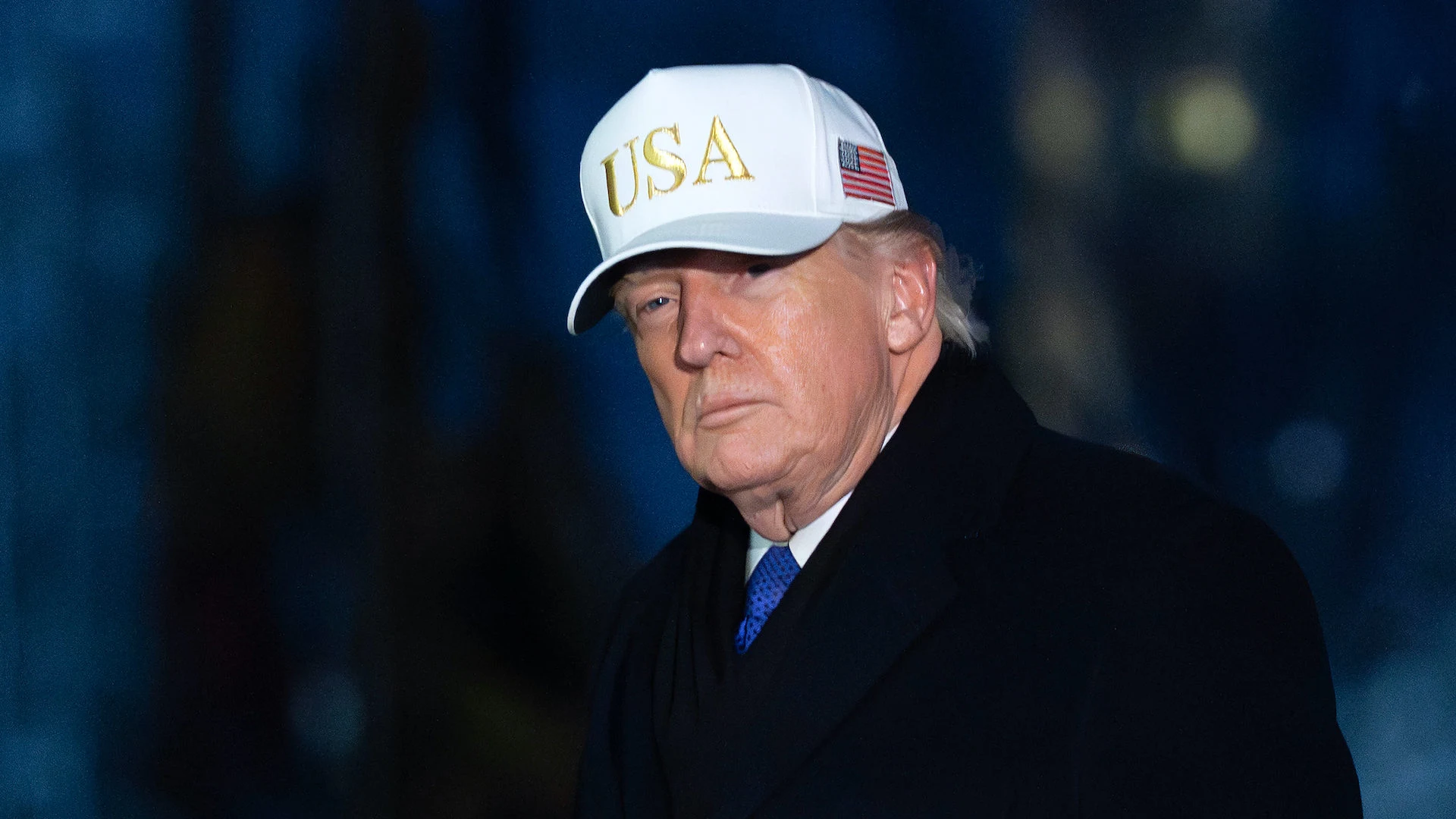
2 weeks ago'The United States is undermining itself': China is ignoring Trump's Hormuz request as the Iran war deepens and his Beijing trip slips | Fortune
Trump's Iran military operation has stalled with oil blocked at the Strait of Hormuz and U.S. allies refusing support, forcing Washington to potentially rely on China, its strategic rival, to resolve the crisis.
fromLondon Business News | Londonlovesbusiness.com
3 weeks agoTrump could lift sanctions on Russia and other nations - London Business News | Londonlovesbusiness.com
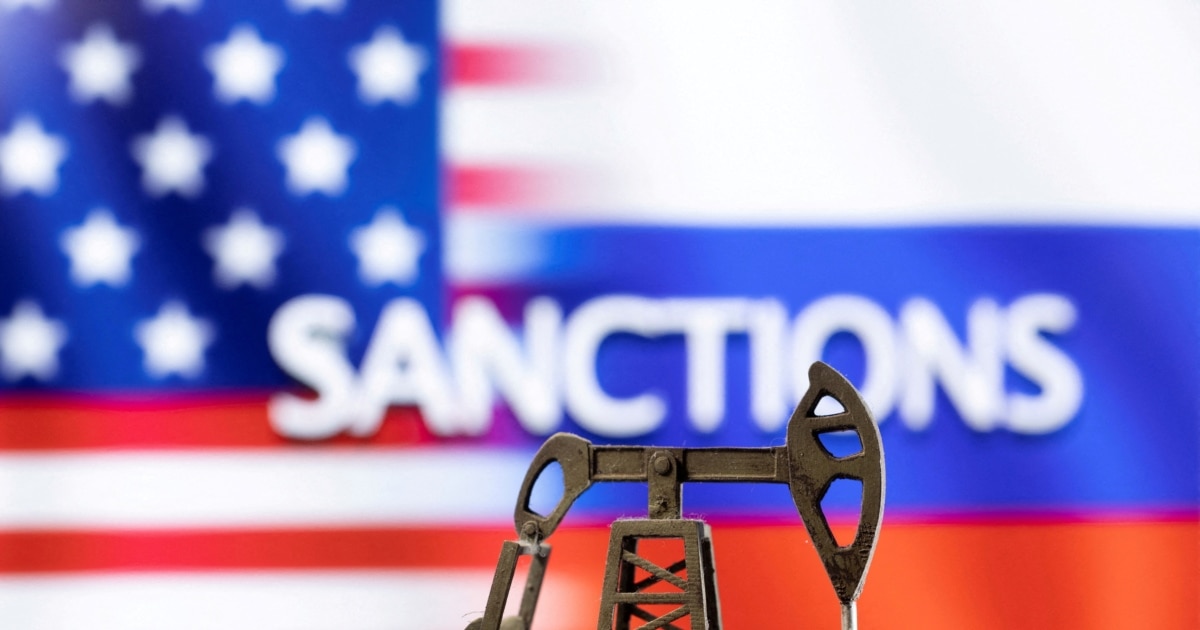
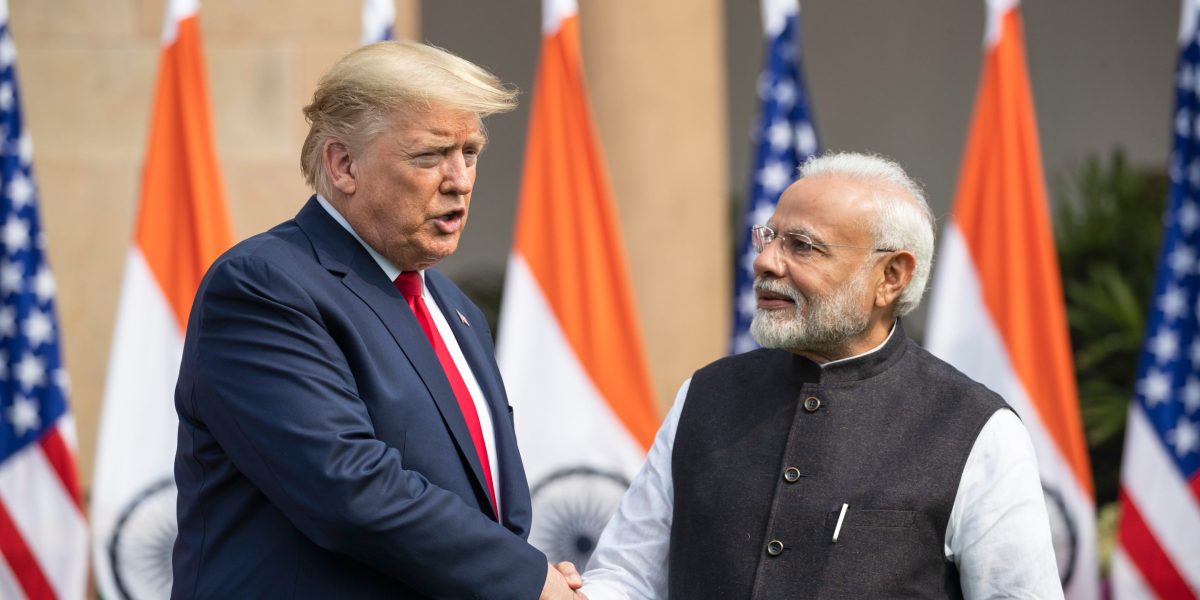
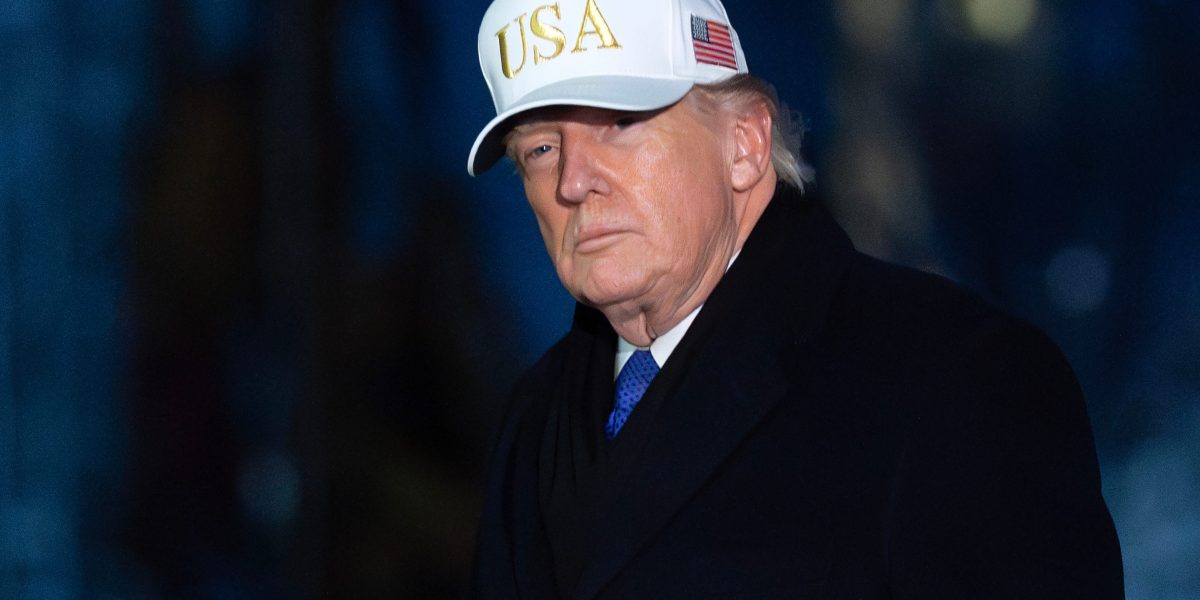
In some countries, we're going to take those sanctions off until this straightens out. Trump told reporters, although he did not clarify which countries might benefit from this potential policy shift. At present, the United States enforces sanctions that restrict oil trade with several nations, including Iran, Venezuela, Russia, Syria, and North Korea.
World news

World politics
fromwww.npr.org
4 weeks agoFive key takeaways from an annual briefing by China's foreign minister
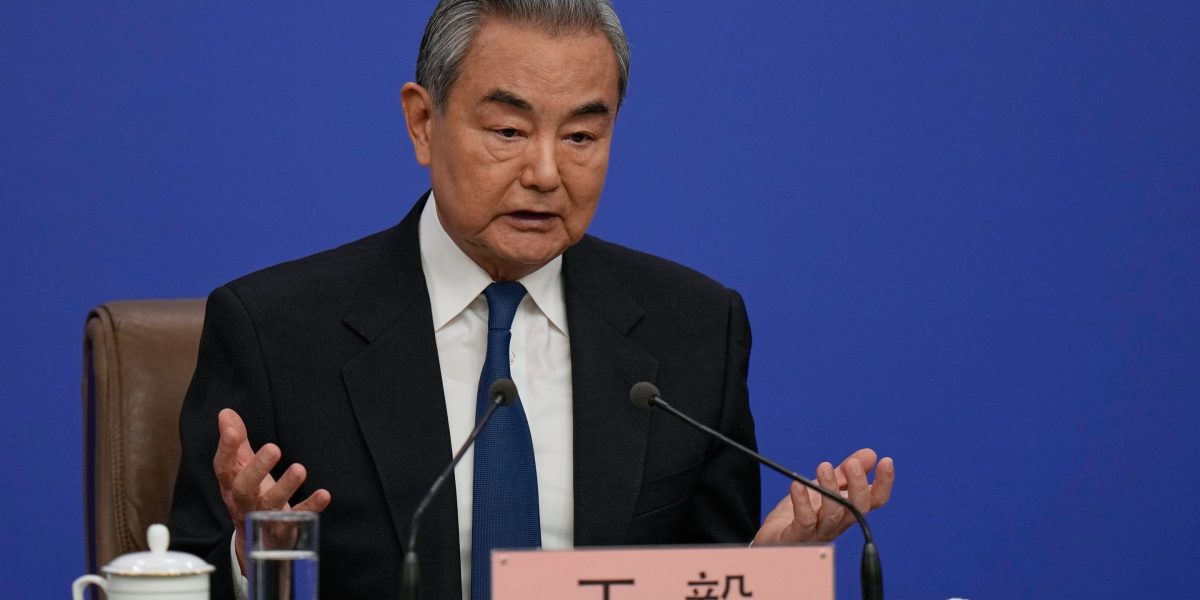
China's foreign minister Wang Yi criticized the U.S.-Israeli conflict with Iran while signaling openness to a Trump-Xi meeting and advocating for dialogue between the world's two largest economies.
World politics
fromwww.aljazeera.com
1 month agoWhere are Iran's allies? Why Moscow, Beijing are keeping their distance
Russia and China condemned the US-Israeli attack on Iran as a violation of international law but declined to provide military support despite their strategic partnerships with Tehran.
World politics
fromwww.aljazeera.com
1 month agoRussia, China raise diplomatic voices against US-Israeli attacks on Iran
China and Russia criticize US-Israeli attacks on Iran, with Russia finding no evidence of Iranian nuclear weapons development and China demanding immediate cessation of military operations.
fromLondon Business News | Londonlovesbusiness.com
1 month agoMoscow and Washington examine 'possible and proposed trade and economic interaction' - London Business News | Londonlovesbusiness.com
The United States is reportedly in discussions with Russia on a range of high-stakes infrastructure and trade projects, including a nuclear-powered datacenter and a tunnel under the Bering Strait, according to The Economist. Sources close to the talks indicate that associates within the orbit of former President Donald Trump are exploring potential stakes in Russian energy assets. In addition, negotiations are reportedly ongoing over rare-earth metals, oil, and gas projects in the Arctic region.
World news
fromwww.aljazeera.com
1 month agoRussia's Putin holds video call with China's Xi
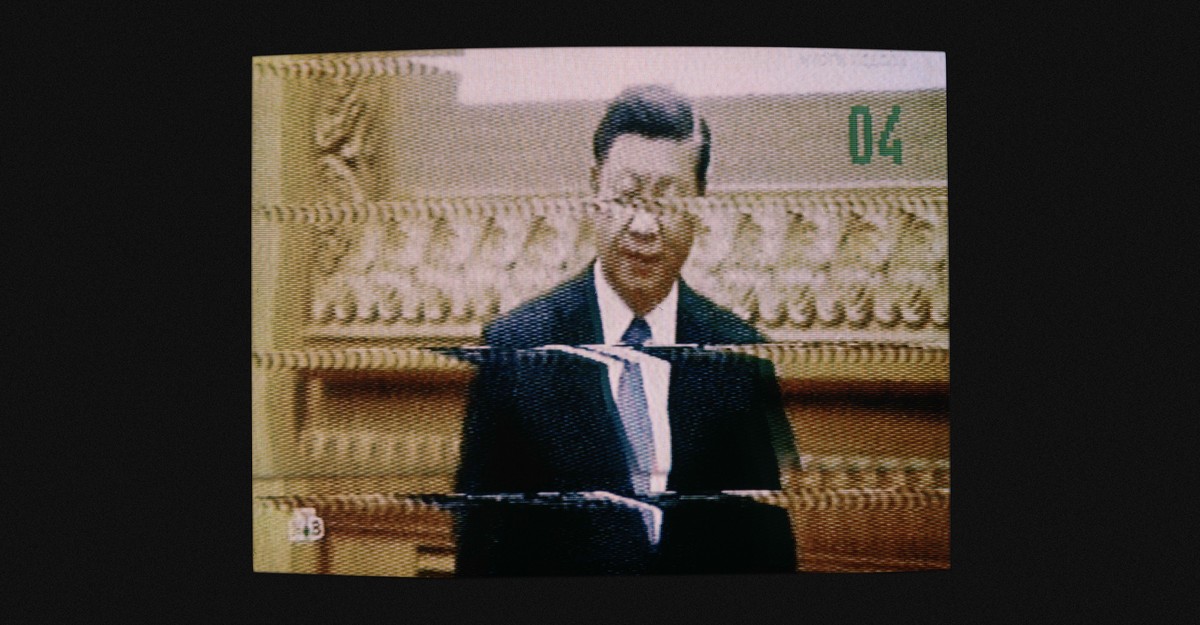
Putin described the foreign policy ties between the two nations as an important stabilising factor amidst growing turbulence in the world, according to a transcript released by the Kremlin on Wednesday. He said Russia and China would continue close coordination on global and regional agendas, both bilaterally and within all the multilateral frameworks, including the United Nations, the BRICS coalition of economies, and the Shanghai Cooperation Organisation, where he said the Russian-Chinese tandem plays an essential role.
World news

World news
fromFortune
2 months agoBRICS could become a new pillar of global governance-if its rapid growth doesn't erode its newfound clout | Fortune
BRICS' rapid expansion risks internal incohesion and failure to reform global governance despite its vast population, resources, and strategic potential.
fromwww.dw.com
2 months agoJapan, South Korea vow stronger ties amid China challenge
"Both sides agreed on "shuttle diplomacy" three years ago, with regular meetings at the highest level. Lee's national security adviser, Wi Sung Lac, said the summit's goal was to build trust between the South Korean and Japanese leaders. Lee and Takaichi discussed ways to boost cooperation in a raft of areas including cutting-edge technologies such as artificial intelligence, combating cross-border crime, and promoting people-to-people exchanges."
World news
fromwww.aljazeera.com
2 months agoWhat role is China playing in global geopolitical transformations?
China's official discourse centres on the idea of peaceful rise, the commitment to non-interference in internal affairs, respect for sovereignty and territorial integrity, and economic partnerships based on mutual benefit. Beijing insists that relations with Washington should not slide into conflict, calling for a system of global governance built on cooperation rather than confrontation. Yet the geopolitical landscape reveals a wide gap between this discourse and reality. Donald Trump's return to the White House has brought back rhetorical escalation and increased geopolitical pressure.
World politics
fromwww.aljazeera.com
2 months agoJust like Venezuela, Iran, too, is expendable for Russia
The abduction of Venezuelan President Nicolas Maduro by the United States military and the subsequent threats by Washington to intervene in Iran during its recent upheaval have generated a tide of enthusiasm in hawkish pro-Ukraine circles in the West. If Moscow's allies are weakened, then Russia also gets weaker, the simplistic logic goes. Although he criticised US interventionism in the past, US President Donald Trump is newly infected with the regime change fever once spread by his Democratic predecessors.
World politics
[ Load more ]