#ryan-white-care-act
#ryan-white-care-act
[ follow ]
#hiv #hivaids #public-health #healthcare-access #health-equity #adap #hiv-funding-cuts #antiretroviral-therapy


fromenglish.elpais.com
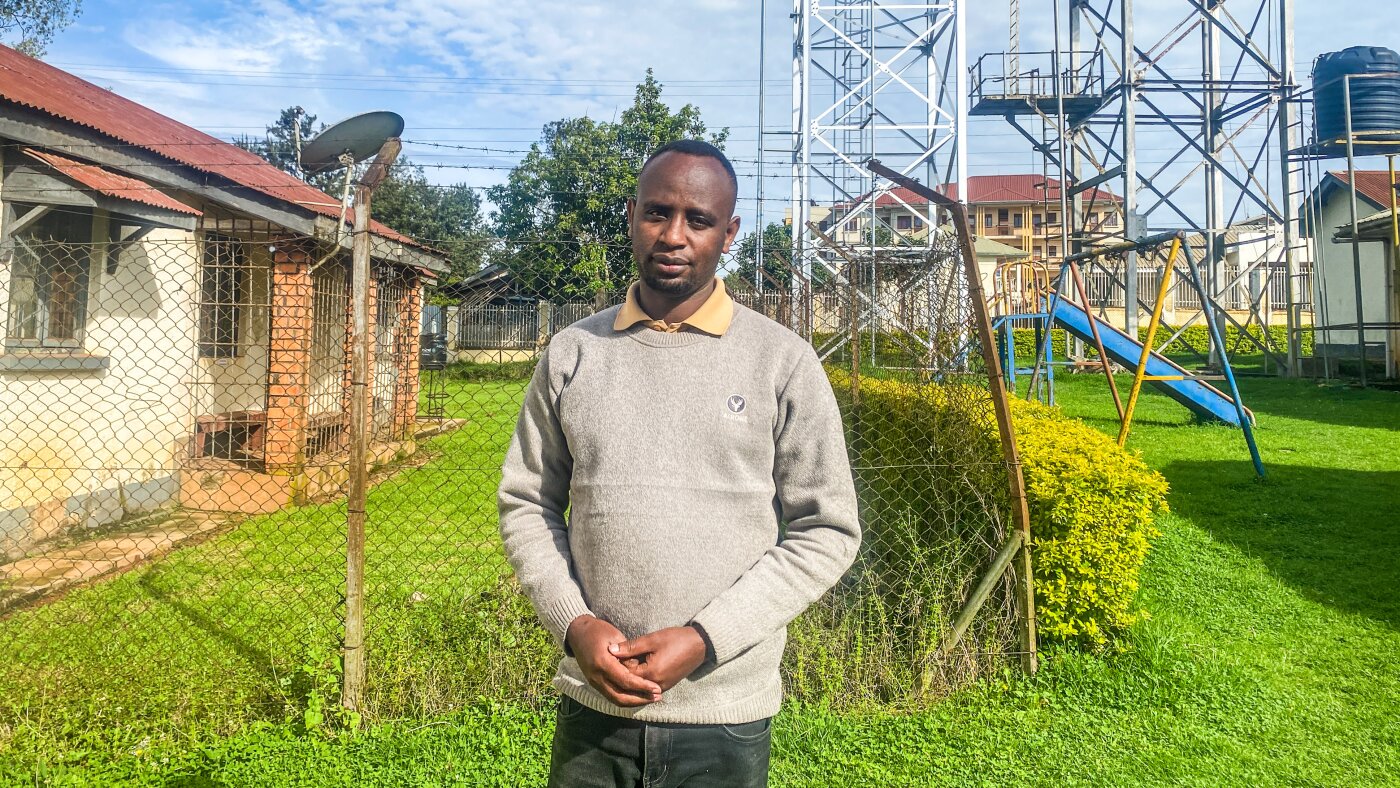
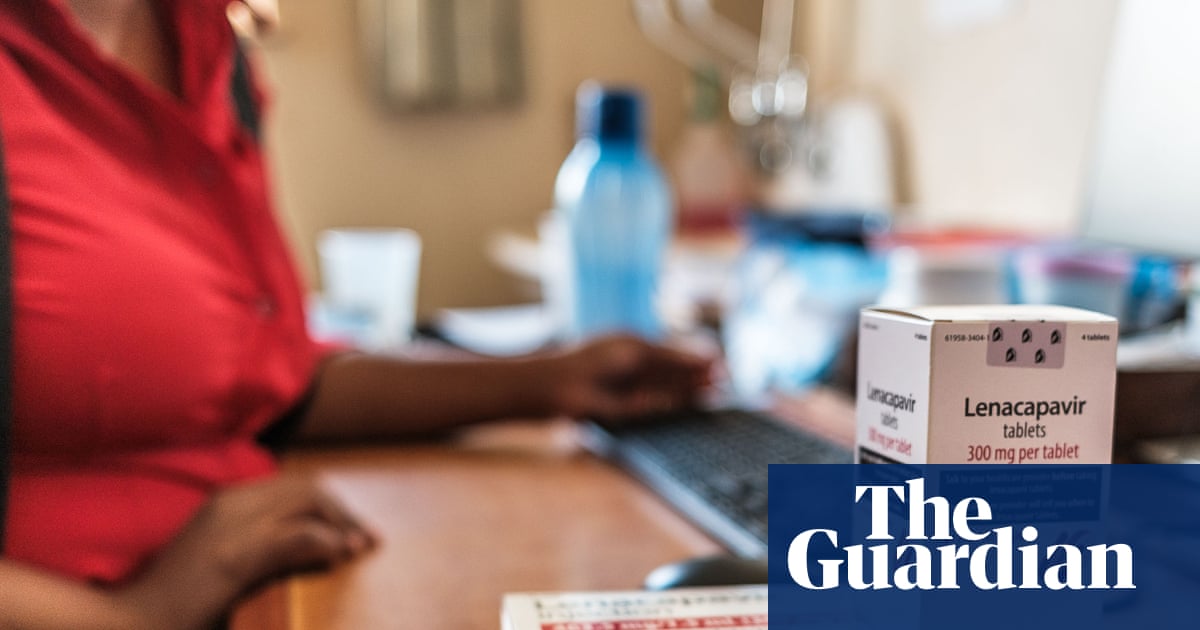
1 day agoFollowing the initial trials in Africa of the groundbreaking drug that could put an end to AIDS
On that sunny March morning, in a small health center in Lobamba, a rural area of Eswatini, this 32-year-old sex worker has just become one of the first people in the world to receive lenacapavir, a drug that, administered twice a year, offers nearly 100% protection against HIV.
Medicine

fromNews Center
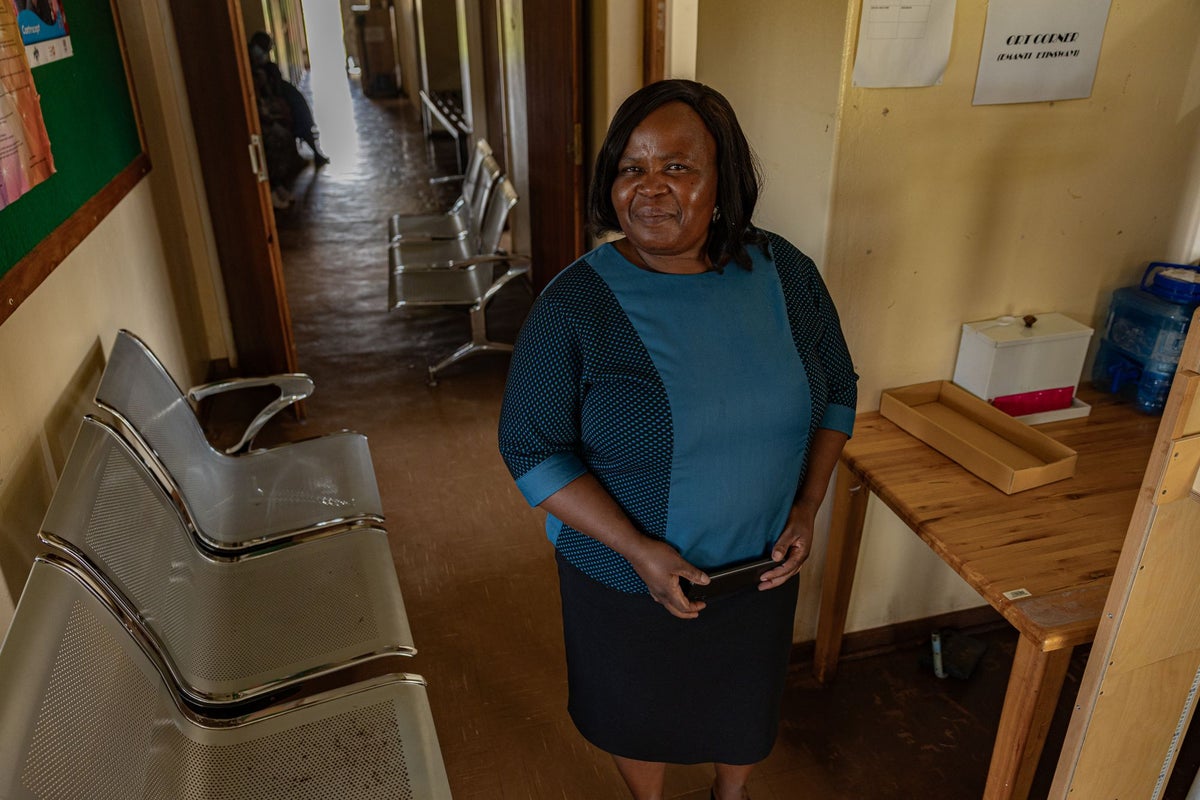
1 day agoPolicy Intervention Linked to Increase in Kidney Transplants in Black Patients - News Center
"This argues for the need to sustain such policies and shows that it is possible to right the wrongs retroactively, which is a powerful idea," said Kenneth Michelson, MD, MPH, associate professor of Pediatrics in the Division of Emergency Medicine and a co-author of the study.
Medicine
#hiv-funding
NYC LGBT
fromSan Francisco Bay Times
1 week agoProtest Held in Washington, D.C., by the Save HIV Funding Campaign - San Francisco Bay Times
Long-term HIV survivors and advocates protested funding instability in HIV prevention and care, highlighting risks to vulnerable communities and public health infrastructure.
NYC LGBT
fromSan Francisco Bay Times
1 week agoProtest Held in Washington, D.C., by the Save HIV Funding Campaign - San Francisco Bay Times
Long-term HIV survivors and advocates protested funding instability in HIV prevention and care, highlighting risks to vulnerable communities and public health infrastructure.
SF LGBT
fromLGBTQ Nation
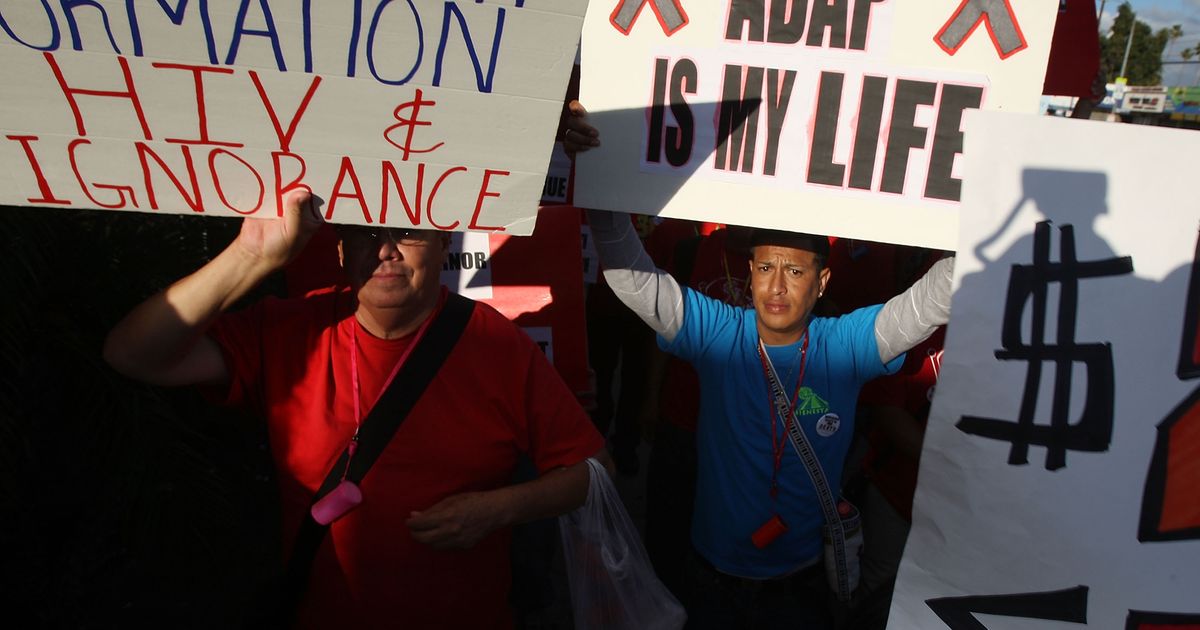
1 week agoFlorida cut HIV funding for thousands. It just passed a law to bring it back through June. - LGBTQ Nation
Florida's emergency bill restores $30.9 million funding for AIDS Drug Assistance Program, reversing cuts that threatened access for 12,000 to 16,000 low-income HIV patients.
fromLGBTQ Nation
1 week agoGay men couldn't donate blood during the AIDS crisis. These lesbians stepped up & made history. - LGBTQ Nation
Vick thought about a private blood fund run by one of her former employers and the many conversations she's had with other club members about how to support people with AIDS. A new thought emerged: What if Vick and her peers organized their own blood drive and created a fund for folks with AIDS to ensure their continued access?
SF LGBT
fromTruthout
2 weeks agoStates Tighten HIV Drug Assistance, Raising Access Concerns
Congress has kept key drug assistance funding at $900.3 million annually since 2014. New enrollments for state programs jumped 30% from 2022 to 2024, in part because states cut off pandemic-era Medicaid assistance. As of January, at least 18 states have pulled back their Ryan White AIDS Drug Assistance Programs, known as ADAPs, in some way.
NYC LGBT
#hiv-funding-cuts
NYC LGBT
fromPinkNews | Latest lesbian, gay, bi and trans news | LGBTQ+ news
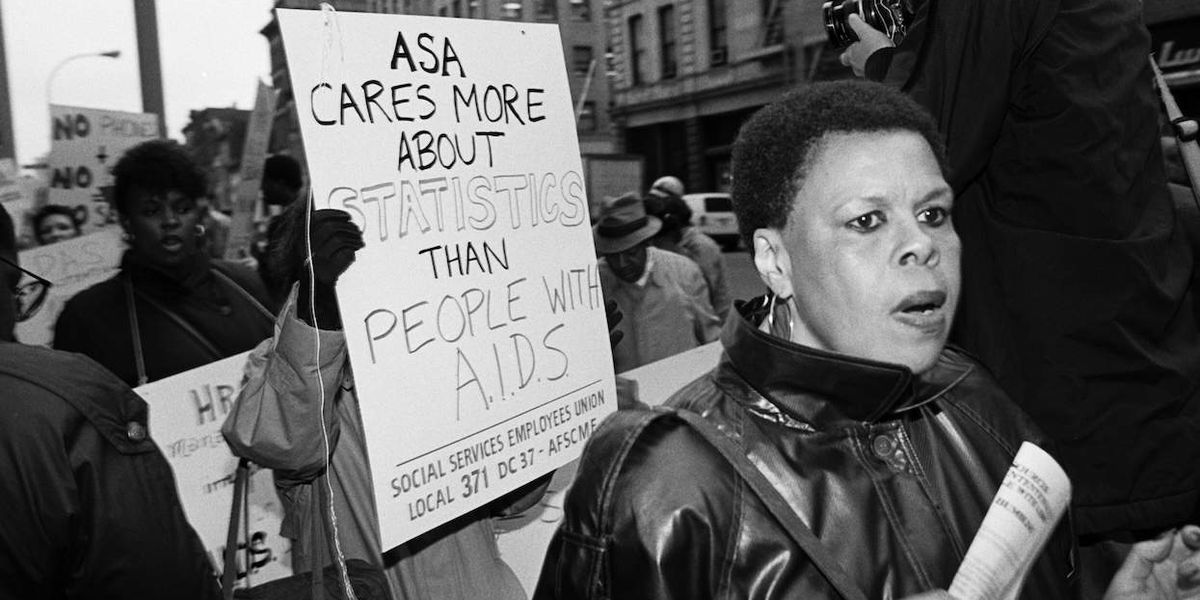
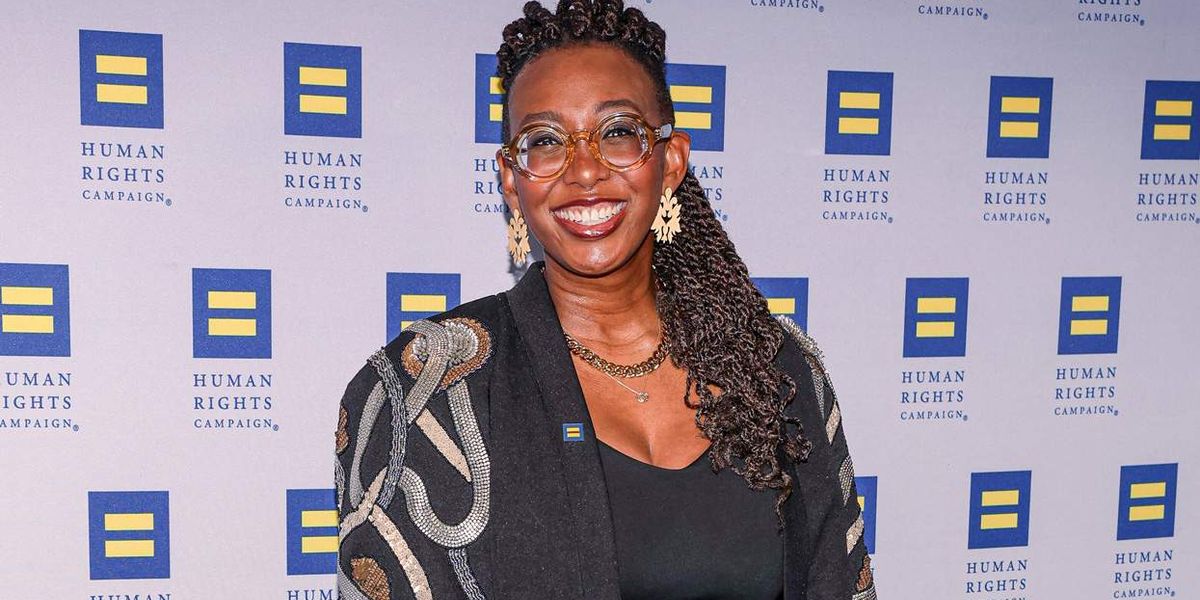
2 weeks agoActivists stage mock funeral to protest Trump's HIV funding cuts
HIV activists staged a mock funeral at AIDSWatch to protest Trump administration cuts to HIV funding programs like PEPFAR, warning of devastating health consequences.
SF LGBT
fromPinkNews | Latest lesbian, gay, bi and trans news | LGBTQ+ news
1 month agoBlack LGBTQ+ leader hits out at Trump's cuts to HIV funding
Trump's HIV funding cuts of $258 million eliminate vaccine research and prevention programs, disproportionately harming Black Americans and risking millions of new infections.
NYC LGBT
fromPinkNews | Latest lesbian, gay, bi and trans news | LGBTQ+ news
2 weeks agoActivists stage mock funeral to protest Trump's HIV funding cuts
HIV activists staged a mock funeral at AIDSWatch to protest Trump administration cuts to HIV funding programs like PEPFAR, warning of devastating health consequences.
SF LGBT
fromPinkNews | Latest lesbian, gay, bi and trans news | LGBTQ+ news
1 month agoBlack LGBTQ+ leader hits out at Trump's cuts to HIV funding
Trump's HIV funding cuts of $258 million eliminate vaccine research and prevention programs, disproportionately harming Black Americans and risking millions of new infections.
Non-profit organizations
fromNature
2 weeks agoNIH pivots away from agency-directed science
The NIH is shifting from solicited grants addressing agency-identified priorities to unsolicited grants driven by individual researchers' interests, reducing administrative costs but potentially limiting large collaborative projects and understudied research areas.
SF LGBT
fromQueerty
2 weeks agoThe Real Housewives make noise to fight for HIV funding: "This isn't a gay problem. It's a human problem!" - Queerty
HIV affects all populations regardless of race, class, or sexual orientation, and effective treatments exist; the challenge is ensuring universal access to care and eliminating stigma.
NYC politics
fromCity Limits
4 weeks agoOpinion: New Yorkers Voted YES on Affordability. That Must Include Reproductive Health Care.
Reproductive health care access is foundational to economic stability and must be integrated into New York's affordability agenda to prevent lifelong health consequences.
Public health
fromAdvocate.com
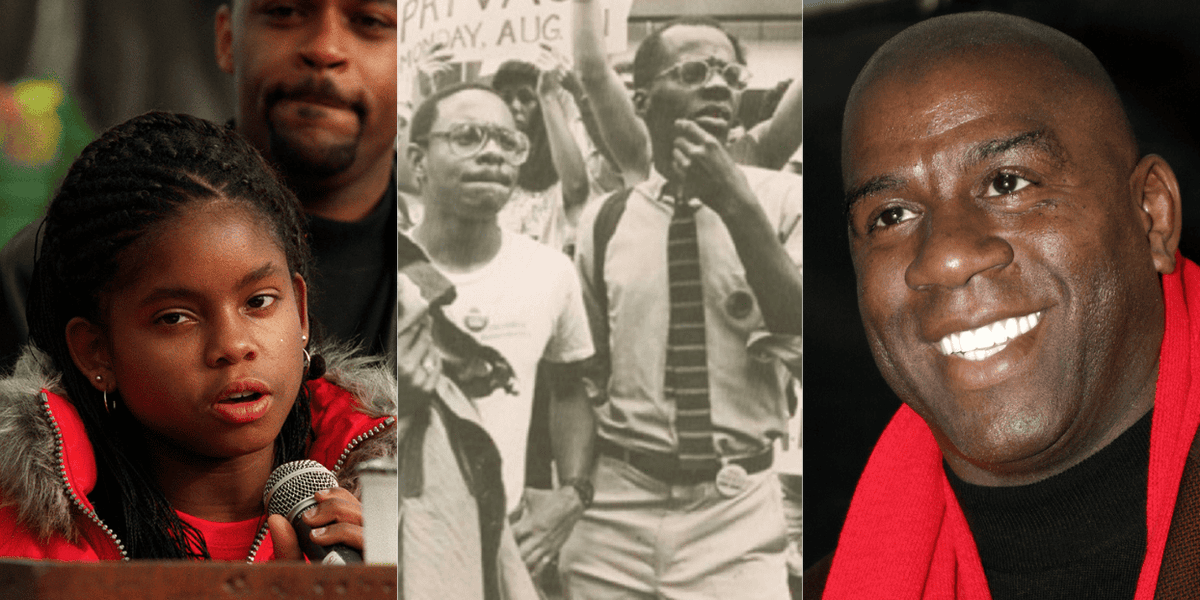
1 month agoBudget cuts and ignorance of history are racing us towards another HIV & AIDS epidemic
The Trump administration is cutting HIV/AIDS funding across CDC, research, state grants, and global programs, threatening decades of progress against a disease that devastated communities in the 1980s.
#hivaids-medication-access

Public health
fromLGBTQ Nation
1 month agoFlorida cuts off life-saving HIV medication program to tens of thousands of people - LGBTQ Nation
Florida's Department of Health reduced AIDS Drug Assistance Program income eligibility from 400% to 130% of federal poverty level, putting approximately 16,000 HIV-positive residents at risk of losing medication access.
Public health
fromLGBTQ Nation
1 month agoFlorida cuts off life-saving HIV medication program to tens of thousands of people - LGBTQ Nation
Florida's Department of Health reduced AIDS Drug Assistance Program income eligibility from 400% to 130% of federal poverty level, putting approximately 16,000 HIV-positive residents at risk of losing medication access.
SF LGBT
fromLGBTQ Nation
1 month agoWhen adults told me to stop talking loudly about safer sex, I started a Black gay HIV prevention program - LGBTQ Nation
Sexual health education through peer demonstration and honest conversation about desire versus safety practices among LGBTQ+ youth reduces the gap between knowledge and protective behavior.
Public health
fromLGBTQ Nation
1 month ago"Look at who's in political control": How HIV disclosure laws are steeped in racial bias - LGBTQ Nation
Thirty-two states criminalize HIV non-disclosure during consensual sex, with Black Americans arrested and convicted at disproportionately higher rates than their representation among people living with HIV.
Healthcare
fromBusiness Insider
1 month agoWaiting for Medicare and skipping prescriptions: Meet the Americans on the brink of losing health insurance
Expiration of enhanced ACA subsidies on December 31 caused monthly premiums to spike hundreds of dollars, forcing over 1 million Americans to cancel marketplace plans between early 2025 and 2026.
Public health
fromAdvocate.com
1 month agoFlorida suddenly cuts off 12,000 people from receiving their HIV meds
Florida's Department of Health cut 12,000 HIV patients from affordable medication assistance using an emergency rule one day before a lawsuit hearing, reducing eligibility from 400% to 130% of federal poverty level.
New York Islanders
fromwww.amny.com
2 months agoOp-Ed | As healthcare costs surge, lawmakers should focus on reforming rather than expanding costly government programs amNewYork
Expanding 340B program and rising healthcare costs are exacerbating unaffordability, harming minority-owned businesses, and lacking transparency and oversight.
fromwww.theguardian.com
2 months agoA cash advance on your death': the strange, morbid world of Aids profiteering
During the summer of 2020, at the onset of the Covid pandemic, the documentary director Matt Nadel was back home in Boca Raton, Florida. He remembers one particular evening walk that he took with his father, Phil, as they weathered out those early months. As they strode through the neighborhood, Nadel, now 26, said that the prospect of a vaccine was exciting, but the idea of pharmaceutical executives profiting off a devastating virus left him feeling uneasy.
Film
Public health
fromAdvocate.com
1 month agoWhat to know about HIV testing and treatment if you're Black and LGBTQ+
Black LGBTQ+ individuals face disproportionately high HIV infection rates, comprising nearly half of Americans living with HIV despite representing 13% of the population, while federal funding for prevention and treatment has been cut.
fromAdvocate.com
1 month agoHow can PrEP use among Black people be improved?
Black people made up 48 percent of new HIV diagnoses in the South, but only 21 percent of PrEP users in the South; in the Midwest, Black people made up 48 percent of new HIV diagnoses, but only 12 percent of PrEP users. This regional disparity demonstrates the significant gap between HIV burden and preventive medication access among Black populations across different areas of the country.
Public health
Public health
fromLGBTQ Nation
1 month agoFunding cuts are devastating Black HIV prevention work. But activists say pressure is working. - LGBTQ Nation
Federal funding cuts to HIV prevention and care programs threaten Black-led organizations that have historically filled gaps in public health infrastructure and served as first responders to the HIV crisis.
US politics
fromLos Angeles Times
1 month agoJudge blocks Trump administration move to cut $600 million in HIV funding from states
A federal judge blocked a Trump administration order cutting $600 million in HIV grant funding to California, Illinois, Colorado and Minnesota over likely political motives.
fromLGBTQ Nation
1 month agoA cure for HIV is in sight. Here's what scientists are working on. - LGBTQ Nation
I'm certainly confident that we're going to have a breakthrough within my career, and I have a good 10 to 15 years left. While antiretroviral (ARV) therapies are extending lives and keeping HIV at bay, and PrEP has the potential to effectively halt transmission of the virus, a cure has remained elusive. That's because the HIV virus itself is elusive, both co-opting the immune system and hiding from it.
Medicine
fromBusiness Insider
2 months agoWe want to hear your story about healthcare access
In 2026, the US healthcare system is changing. Enhanced Affordable Care Act subsidies have expired, causing premiums for marketplace plans to spike - and pricing some families out of health insurance entirely. President Donald Trump's One Big Beautiful Bill Act will reduce coverage for some patients with Medicaid and funding for hospitals, especially those in rural areas. Costs for Medicare and private insurance are also rising: Employer-based healthcare premiums have increased by 9%, the largest rise in more than a decade.
Healthcare


Public health
fromPinkNews | Latest lesbian, gay, bi and trans news | LGBTQ+ news
1 month agoFlorida reportedly halts proposed cuts to HIV meds after complaint
Florida paused plans to cut ADAP eligibility from 400% to 130% after legal challenges and scrutiny over a claimed $120 million budget shortfall.
fromwww.independent.co.uk
1 month agoEnding the AIDS crisis is within reach but the UK has to not cut key funding
From reproductive rights to climate change to Big Tech, The Independent is on the ground when the story is developing. Whether it's investigating the financials of Elon Musk's pro-Trump PAC or producing our latest documentary, 'The A Word', which shines a light on the American women fighting for reproductive rights, we know how important it is to parse out the facts from the messaging.
Public health
fromMedCity News
1 month agoWhy HHS Scrapping Its 340B Rebate Program Is a Win For Providers - MedCity News
The 340B program allows hospitals to buy outpatient drugs at steep discounts, with the purported purpose of helping them fund care for low-income and uninsured patients. The now-axed rebate model would have invited drugmakers to participate voluntarily in a rebate-based discount system. Basically, instead of the provider receiving a discount upfront at purchase, the 340B discount would be applied after purchase via rebate - and subject to tedious data submission requirements.
Public health
fromwww.independent.co.uk
2 months agoGovernment protecting HIV funding could be important success story' for UK
Your donation allows us to keep sending journalists to speak to both sides of the story. The Independent is trusted by Americans across the entire political spectrum. And unlike many other quality news outlets, we choose not to lock Americans out of our reporting and analysis with paywalls. We believe quality journalism should be available to everyone, paid for by those who can afford it.Your support makes all the difference.
Public health
fromAdvocate.com
1 month ago6 Black activists who changed the HIV/AIDS response in America
By the mid-1980s, the AIDS epidemic had completely gripped the nation. Its victims, primarily queer men, were dying by the thousands. Fear and misinformation reigned supreme, and our government refused to respond to the crisis. Reverend Charles Angel, a community leader and activist who was living with HIV himself, recognized that queer men of color faced additional disparities due to cultural norms and societal inequities.
Public health
[ Load more ]