#saudi-takeover
#saudi-takeover
[ follow ]



NYC real estate
fromenglish.elpais.com
2 weeks agoThe Persian Gulf, a booming business for the Trump family
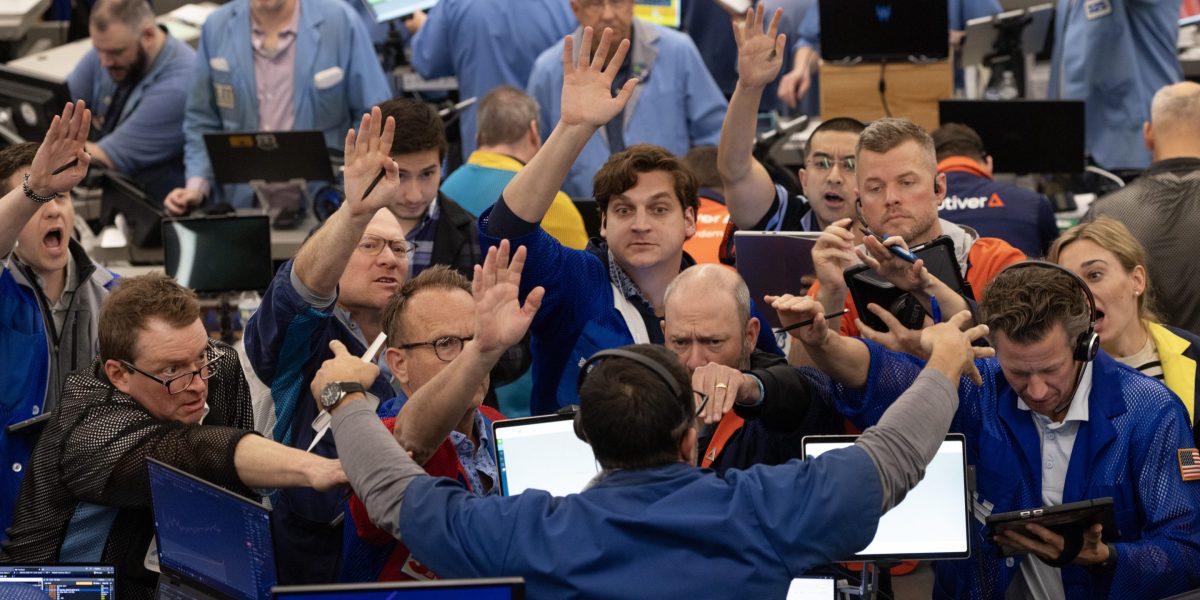
Donald Trump built a multi-billion dollar real estate empire by thinking big and aggressively pursuing deals, expanding from his father's Brooklyn and Queens apartment business to luxury properties, casinos, golf courses, and international ventures including Middle Eastern investments and cryptocurrency interests.
World politics
fromLondon Business News | Londonlovesbusiness.com
5 days agoWhat does the Middle East conflict mean for gold prices? - London Business News | Londonlovesbusiness.com
Gold's decline is influenced by a stronger dollar and rising oil prices, despite its historical role as a safe haven during uncertainty.
Film
fromBusiness Insider
3 weeks agoMatt Belloni on 2026 Oscar predictions, the Paramount/Warner Bros deal, and Saudi money in Hollywood
The Oscars occur amid Hollywood's industry contraction, with Paramount acquiring Warner Bros. Discovery while viewership and theatrical attendance decline significantly.
fromwww.aljazeera.com
1 week agoHow important are the Gulf economies to the world?
The ongoing conflict between the US and Israel against Iran is creating significant challenges for Gulf Arab nations, which are already feeling the economic strain from rising tensions and instability in the region.
World politics
#uae
World news
fromLondon Business News | Londonlovesbusiness.com
4 days agoUAE warned against escalation as 'Abu Dhabi and Dubai could be blown up' Iran - London Business News | Londonlovesbusiness.com
UAE's involvement in the Middle East conflict poses significant risks to Dubai and Abu Dhabi, according to economist Jeffrey Sachs.
Media industry
fromBusiness Insider
1 month agoSaudi Arabia, other Gulf states pledged to invest $24 billion in Paramount's WBD deal. Is that still on?
Paramount secured WBD acquisition rights with $47 billion equity commitment from the Ellisons and RedBird Capital, but hasn't disclosed whether three Gulf states' promised $24 billion will finance the deal.
#saudi-arabia
World news
fromLondon Business News | Londonlovesbusiness.com
1 week agoIt is 'only a matter of time' before Saudi Arabia 'enters the war' - London Business News | Londonlovesbusiness.com
Saudi Arabia is preparing for military action against Iran due to ongoing hostilities and has allowed U.S. forces to use its air base for strikes.
World news
fromLondon Business News | Londonlovesbusiness.com
2 weeks agoSaudi Arabia warns of military action as Iran conflict escalates - London Business News | Londonlovesbusiness.com
Saudi Arabia warns of potential military action against Iran amid escalating regional tensions and attacks on energy infrastructure.
World news
fromLondon Business News | Londonlovesbusiness.com
1 week agoIt is 'only a matter of time' before Saudi Arabia 'enters the war' - London Business News | Londonlovesbusiness.com
Saudi Arabia is preparing for military action against Iran due to ongoing hostilities and has allowed U.S. forces to use its air base for strikes.
World news
fromLondon Business News | Londonlovesbusiness.com
2 weeks agoSaudi Arabia warns of military action as Iran conflict escalates - London Business News | Londonlovesbusiness.com
Saudi Arabia warns of potential military action against Iran amid escalating regional tensions and attacks on energy infrastructure.
Artificial intelligence
fromSilicon Canals
1 month agoSaudi Arabia commits $40B to AI infrastructure in bid to diversify beyond oil - Silicon Canals
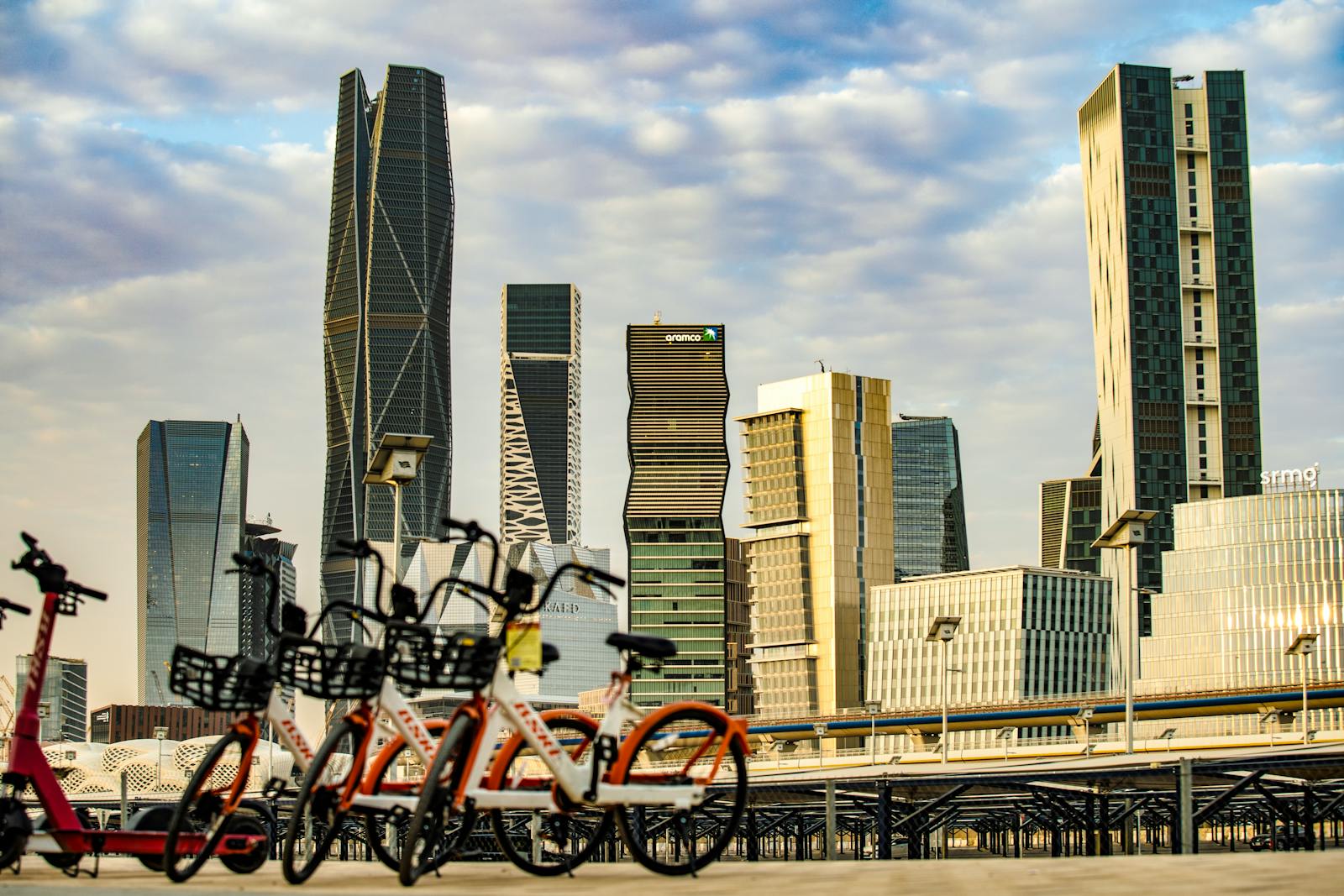
Saudi Arabia commits $40 billion to AI infrastructure with US partners, establishing data centers and semiconductor supply chains to diversify from oil dependency.

fromSilicon Canals
1 month agoSaudi Arabia launches $40B tech fund as Gulf states race to diversify beyond oil - Silicon Canals
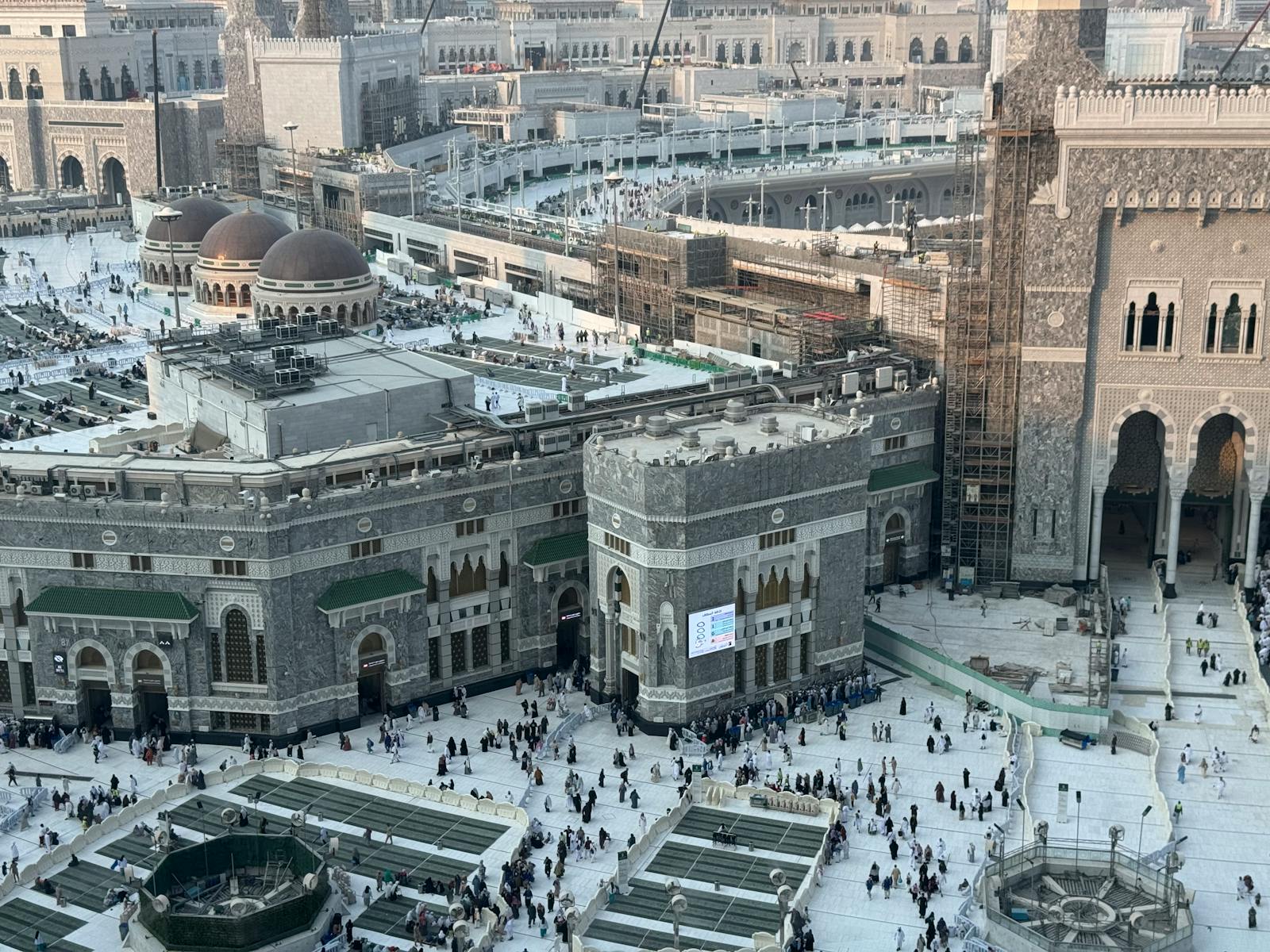
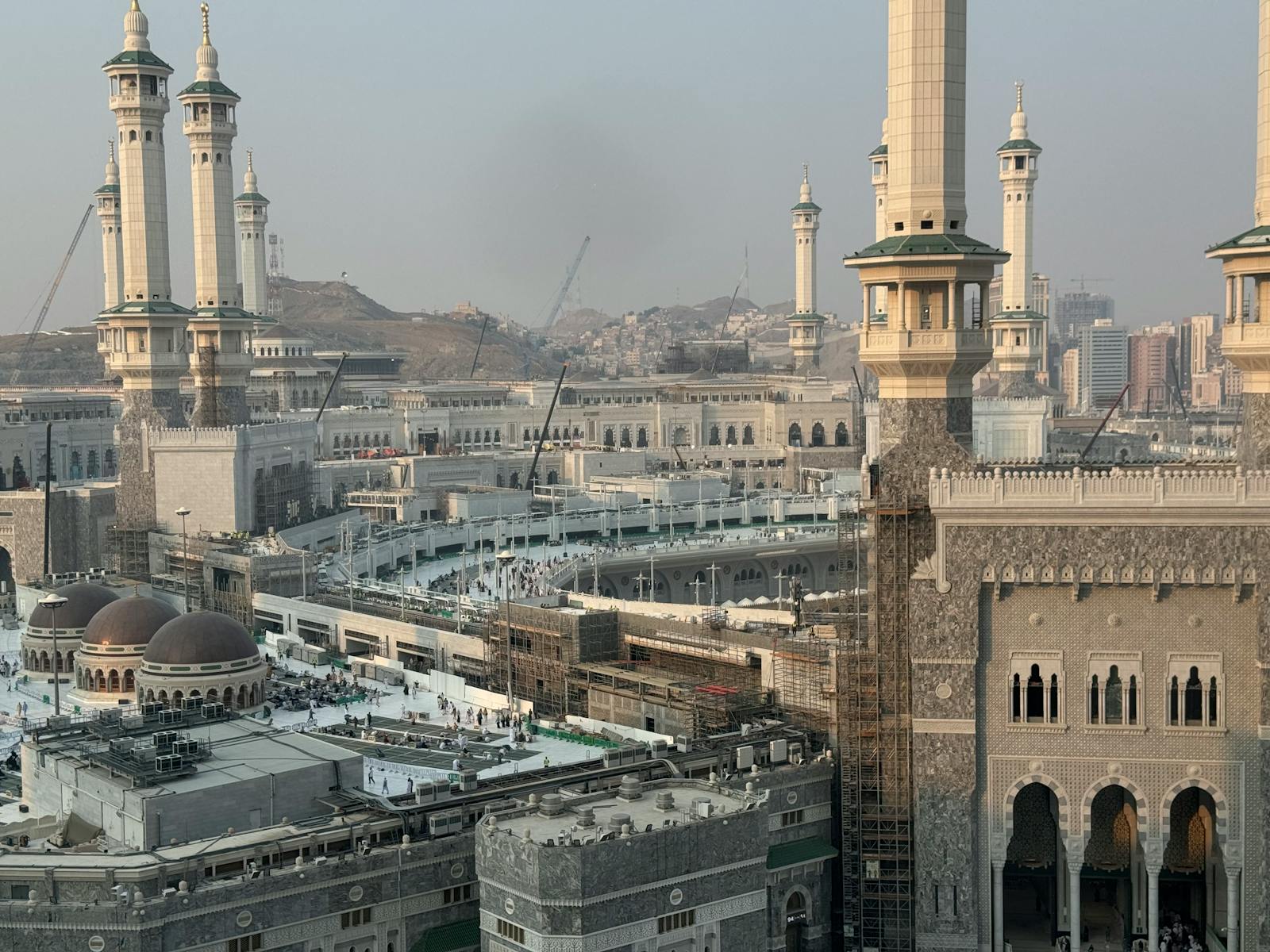
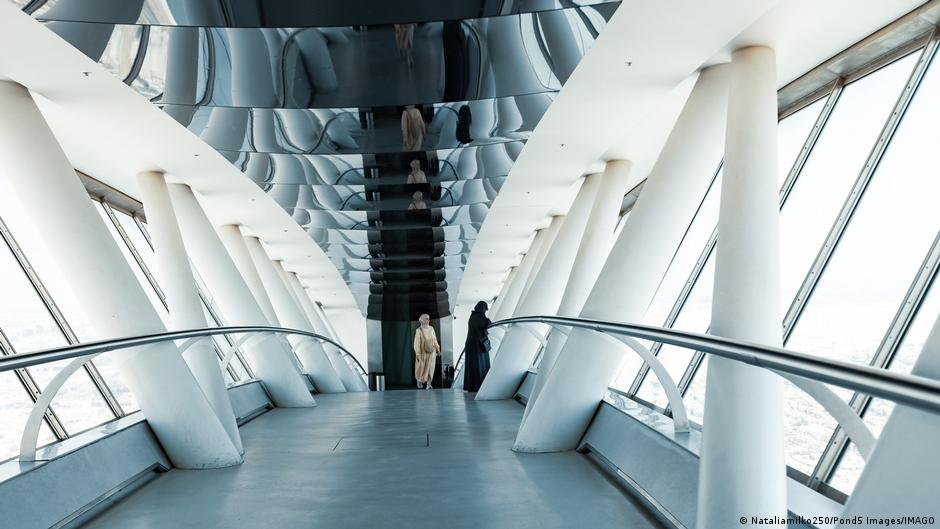
Saudi Arabia just made its most aggressive move yet in that generational project. The kingdom announced a new $40 billion technology investment fund, developed in partnership with American venture capital heavyweight Andreessen Horowitz (a16z), aimed at positioning Saudi Arabia as a global hub for artificial intelligence, cloud infrastructure, and advanced computing.
Venture
Arts
fromThe Art Newspaper - International art news and events
1 month agoSaudi Arabia looks to its Modern art history as the art world eyes up the Gulf
Saudi Arabia is preserving and celebrating its 1960s–1980s Modern art movement through large exhibitions, archival documentation, catalogues, documentaries, and recognition of pioneering artists.
fromwww.dw.com
2 weeks agoNo more big spenders: Iran war to dent Gulf state investment
The global impact of the Gulf countries is not limited to oil. This region is a hub of the international economy and if it decides to focus on its defense and to start pulling investments and to stop its [economic] engagement with the international community, the effect will be felt in every household in the world.
World news
fromwww.aljazeera.com
2 weeks agoSaudi FM warns Iran that patience in Gulf not unlimited' amid attacks
The level of accuracy in some of this targeting you can see it in our neighbours as well as the kingdom indicates that this is something that was premeditated, preplanned, preorganised and well thought out.
World news
World news
fromThe Washington Post
2 weeks agoThis Emirati billionaire put a voice to Gulf anger over Trump's war in Iran
Gulf nations face pressure between avoiding conflict with Iran while maintaining security partnerships with the US and Israel, creating internal frustration with American military decisions in the region.
World news
fromwww.theguardian.com
2 weeks agoGulf states may be covertly encouraging attacks by US, Iran's foreign minister says
Iran's foreign minister accused Gulf states hosting US forces of covertly supporting attacks on Iran, citing reports of Saudi Arabia's private encouragement to the US president despite public opposition.
fromArtnet News
2 months agoSaudi Spending Slowdown | Artnet News
After a decade of big spending, Saudi Arabia is scaling back some massive Vision 2030 "gigaprojects" due to falling oil prices and budget constraints. What does this mean for the nation's big cultural projects and investments? Plus, all eyes are on the Gulf this week as the first edition of Art Basel Qatar gets underway. Plus, the NFT platform Nifty will shut down this month.
Arts
World news
fromFortune
1 month agoTrump pledged the 'free flow of energy' from the Middle East, and he has a week to show progress before prices really spike again | Fortune
Trump's pledge to insure and escort Middle East oil tankers temporarily stabilizes prices, but implementation within one week is critical to prevent market skepticism and commodity price spikes.
World news
fromenglish.elpais.com
1 month agoIran bombs infrastructure in Saudi Arabia and Qatar, opening a direct front with the Gulf countries
Iran escalated regional attacks beyond military targets to include energy facilities and civilian infrastructure in Gulf countries, while Hezbollah's entry into the conflict expanded the geographic scope of Middle East violence.
World news
fromwww.theguardian.com
1 month agoThe Guardian view on Saudi Arabia and the UAE: as former allies clash, others are likely to pay | Editorial
Strategic, economic and political rivalry transformed the once-close Saudi–UAE alliance into a severed relationship marked by competing regional visions and open conflicts.
fromwww.aljazeera.com
1 month agoSyria and Saudi Arabia sign multibillion-dollar investment deals
Syria and Saudi Arabia have signed a major investment package spanning aviation, energy, real estate and telecommunications as Damascus's new leadership seeks to rebuild after a devastating 14-year civil war. Syrian Investment Authority chief Talal al-Hilali announced a swath of deals on Saturday, including the development of a new international airport in Aleppo, the launch of a low-cost Syrian-Saudi airline, and a telecommunications project called SilkLink aimed at turning the country into a regional hub.
World news
fromwww.aljazeera.com
2 months agoSaudi to Sudan: Can Pakistan expand military footprint across Arab world?
By the standards of mega arms deals, the $1.5bn deal for Pakistan to reportedly sell jets and weapons to Sudan's military isn't huge. But the deal, which the Reuters news agency reported in early January was close to being finalised, could prove pivotal in the grinding war that has devoured Sudan for nearly three years between the country's armed forces and the paramilitary Rapid Support Forces (RSF).
World news
[ Load more ]