Medicine
fromwww.theguardian.com
1 day agoMedicines watchdog to investigate UK peptide clinics over health claims
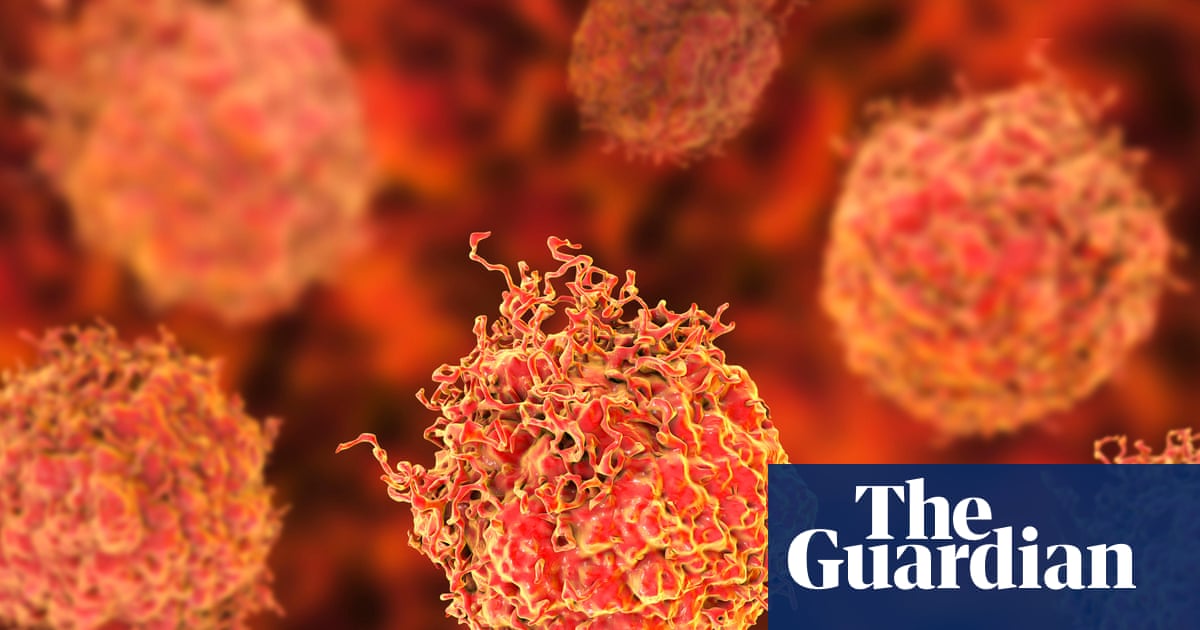
UK clinics may be illegally promoting unregulated peptide therapies with unverified health claims.
Incyte tops this list due to its rare combination of commercial scale, cash generation, and pipeline depth. The company posted FY2025 revenue of $5.14 billion, up 21.2% YoY, anchored by Jakafi generating $828.2 million in Q4 2025 alone (+7% YoY) and Opzelura delivering $207.3 million (+28% YoY). With $3.58 billion in cash and 14 pivotal clinical trials underway, Incyte offers an acquirer immediate revenue, margin expansion potential, and a deep oncology pipeline spanning KRASG12D, CDK2 inhibition, and mutCALR.
The funds raised through Visionaries of the Year are used for research to advance lifesaving therapies like immunotherapy, genomics and personalized medicine, which are saving lives today.
The Food and Drug Administration granted expedited approval to orforglipron, a GLP-1 drug that works like widely used injectable medications to mimic a natural hormone that controls appetite and feelings of fullness.
RBC Capital analyst Luca Issi upgraded the stock to Outperform from Sector Perform with a price target of $35, up from $11. Wells Fargo also upgraded uniQure to Overweight from Equal Weight with a $60 price target. The catalyst: the departure of Vinay Prasad from the FDA. RBC views this as a positive for uniQure, noting it is "not inconceivable" that the FDA reverts to its prior stance, and believes Prasad's departure is likely to open up a more balanced discussion on risk/reward for Huntington's disease.
A report last year found unnecessary surgeries were carried out, cancers were missed and poor standards of care were delivered at the University Hospital of North Durham and Darlington Memorial Hospital. CDDTF said it wanted to support the patients it had let down, including by offering access to psychological support, and to ensure they knew how to make a claim or raise concerns with police.
X4 Pharmaceuticals drew a fresh initiation from Guggenheim, which assigned a Buy rating and $12 price target, framing the company as a "differentiated hematology play" with significant upside in the next 18 months. The firm's thesis centers on mavorixafor, a potential first-in-class oral CXCR4 antagonist already approved for WHIM syndrome and currently in Phase 3 development for primary chronic neutropenia.
Now, researchers have created an artificial-intelligence system that vastly simplifies and accelerates the process of chemical synthesis. The system, which is called MOSAIC and is described in a study published in Nature on 19 January, recommended conditions that researchers were able to use to generate 35 compounds with the potential to become products like pharmaceuticals, agrochemicals or cosmetics without needing to do any further trawling or tweaking.
Before treatment began, participants underwent neuroimaging. Instead of relying on a single modality, the researchers fused structural connectivity (how regions are physically wired) with functional connectivity (how regions co-activate at rest). The goal was not to throw every possible feature at a black box, but to learn a constrained pattern-what the authors call structure-function "covariation"-that carries the most predictive signal for outcome. In other words, the model tries to find the smallest set of connections that meaningfully forecasts symptom change.
Bristol Myers' Growth Portfolio surged 16% to $7.4 billion in Q4, demonstrating the company's successful product diversification strategy. Key contributors included Opdivo at $2.69 billion (+9%), Eliquis at $3.45 billion (+8%), and standout performers Breyanzi at $392 million (+49%) and Camzyos at $353 million (+59%). However, the Legacy Portfolio declined 15% to $5.1 billion as generic competition intensified. Revlimid plummeted 55%, while Sprycel dropped 60%, reflecting the patent cliff challenges facing the company.
Laboratories turned to a smart workaround when COVID‑19 testing kits became scarce in 2020. They mixed samples from several patients and ran a single test. If the test came back negative, everyone in it was cleared at once. If it was positive, follow-up tests would zero in on who was infected. That strategy, known as group testing, saved valuable time, money, and resources.
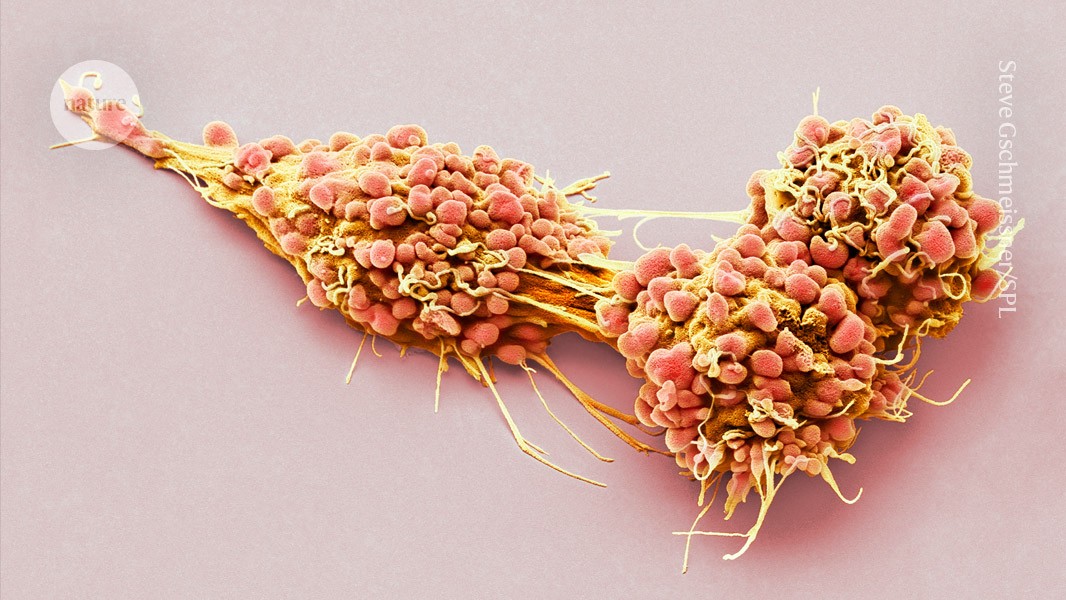
Brugge and her research team have analyzed the cell structure of more than 100 samples. Using high-powered microscopes and complex computer algorithms, they diagram each stage in the development of breast cancer: from the first sign of cell mutation to the formation of tiny clusters, well before they are large enough to be considered tumors. Their quest is to prevent breast cancer, a disease that afflicts roughly 1 in 8 U.S. women over their lifetimes, as well as some men.
EMPAVELI is the first and only approved treatment for C3G and IC-MPGN across pediatric patients 12+, adults, and post-transplant recurrence. That's roughly 5,000 patients in the U.S., with EMPAVELI holding exclusive approval for about two-thirds. Add the European CHMP positive opinion in December 2025, and you have a rare disease franchise with global expansion potential and pricing power that typically commands gross margins north of 90%.
We provide thought partnership. When a company is developing a drug, there's a lot of work involved, such as understanding the science, designing a study and generating good data. We come in and explain what the standard of care looks like today for their patient population, and what we think it will look like in five to eight years or whenever they plan to launch their therapy.
The Food and Drug Administration commissioner's effort to drastically shorten the review of drugs favored by President Donald Trump's administration is causing alarm across the agency, stoking worries that the plan may run afoul of legal, ethical, and scientific standards long used to vet the safety and effectiveness of new medicines. Marty Makary's program is causing new anxiety and confusion among staff already rocked by layoffs, buyouts, and leadership upheavals, according to seven current or recently departed staffers.
Mucopolysaccharidosis type II (MPS II), or Hunter syndrome, is a rare genetic disorder primarily affecting boys, caused by a deficiency in the enzyme needed to break down sugar molecules. This harmful buildup in cells and tissues impacts multiple body systems, causing frequent infections, organ enlargement and developmental disabilities. Management involves supportive care and enzyme replacement therapy, as there is currently no cure,
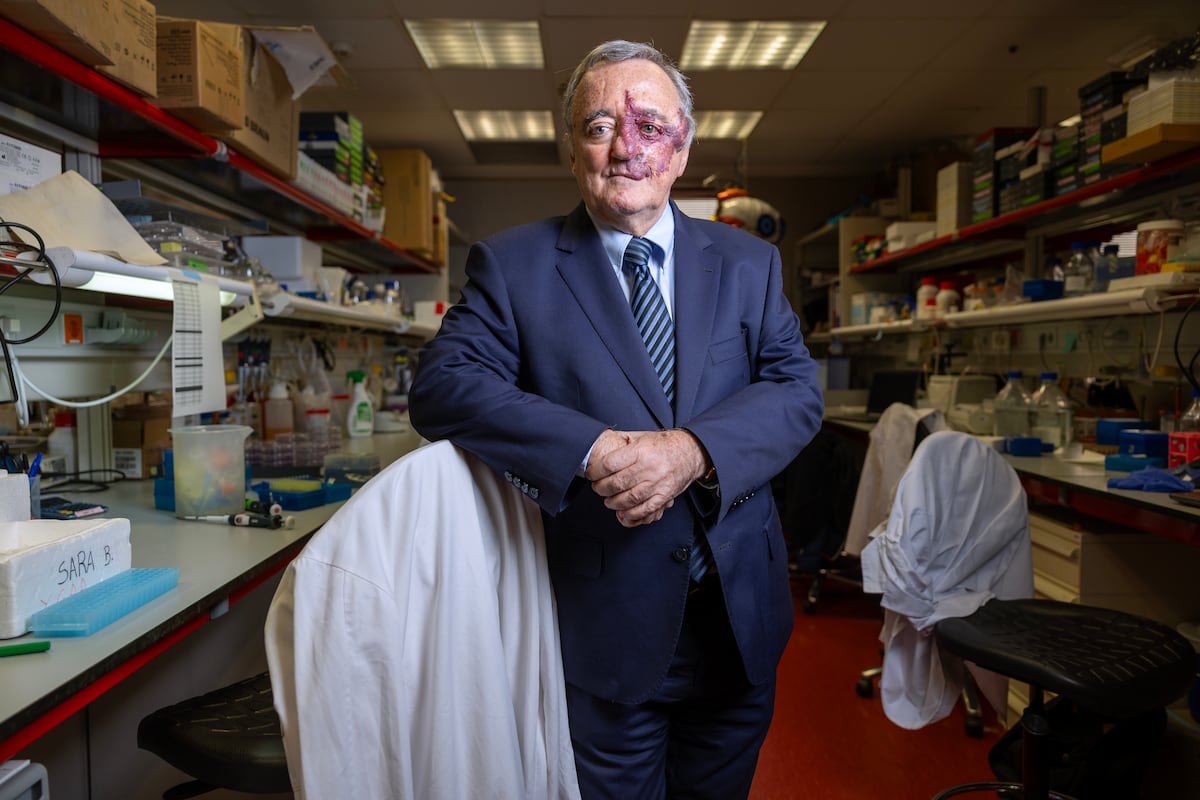
Eduardo Vilar-Sanchez has spent more than 10 years pursuing a goal that seemed very distant, but which he now sees as a little closer: to develop a preventive vaccine against cancer. The physician and researcher is leading a study that presented the first promising results of a colon cancer vaccine in a small group of patients suffering from a rare disease that makes them 17 times more likely to develop colon cancer than the general population.
As for side effects, the companies reported that little had changed from previous analyses; adverse events were similar between the two groups. The top side effects linked to the vaccine were fatigue, injection site pain, and chills. The results "highlight the potential of a prolonged benefit" of the vaccine combined with Keytruda in patients with high-risk melanoma," Kyle Holen, a senior vice president at Moderna, said. They also "illustrate mRNA's potential in cancer care," he said, noting that the company has eight more Phase 2 and Phase 3 trials going for mRNA vaccines against a variety of other cancers, including lung, bladder, and kidney cancers.
Many researchers are surprised and relieved over an unusual step taken by the US National Institutes of Health (NIH): the agency is rolling back the red tape on a host of basic-science experiments that involved human participants and had been classified as clinical trials. The decision, which was announced on 29 January and is part of a broader NIH effort to reduce administrative burden, should free such research from the heavy bureaucratic requirements that are designed for clinical trials but are sometimes ill-suited to other fields, such as basic psychology and behavioural studies.
After leading Pfizer through the frantic race to develop the first FDA-approved COVID-19 vaccine, CEO Albert Bourla has set his sights on a new, arguably more difficult moonshot. "We saved the world from Covid, now we'll save the world from cancer," Bourla told Fortune Editor-in-Chief Alyson Shontell, outlining the company's massive pivot toward oncology following the pandemic. This ambition is backed by a historic reallocation of capital.
For families living with neurodegenerative disease, the hardest part is not always the diagnosis. It is the slow erosion that follows: memory fading, personality shifting, independence shrinking. It unfolds quietly. First, forgotten appointments. Then repeated questions. Then moments when a familiar face no longer feels familiar. The illness does not isolate itself to one body. It rearranges the lives around it.