Writing
fromwww.theguardian.com
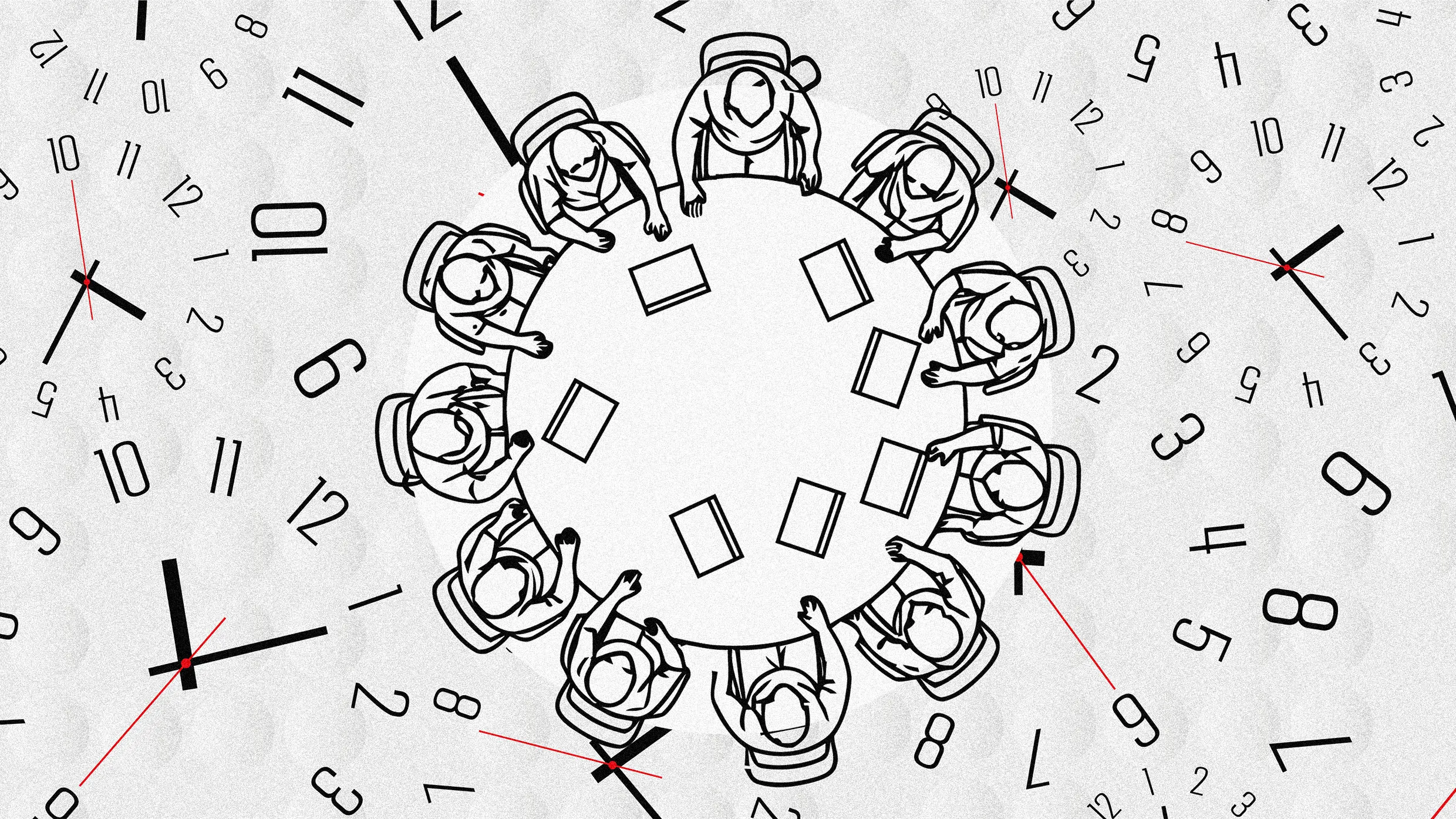
23 hours agoHow to use procrastination to your advantage
Procrastination can be reframed as a form of sloth, which is more about emotional struggles than mere laziness.
UX has never been only about creating interfaces. It's about navigating ambiguity, advocating for humans in systems optimised for efficiency, and solving their problems through thoughtful design. Designers are shifting from makers of outputs to directors of intent.
Entrepreneurs need to be efficient. If you're using an older PC, it's time to bring it up to speed with an operating system (OS) that's built for the modern professional - Microsoft Windows 11 Pro. Right now, you can give your device this impressive upgrade for an amazingly low price - just $12.97 - now through March 22. This Windows upgrade could make your workday a lot smoother.
The real cost of poor observability isn't just downtime; it's lost trust, wasted engineering hours, and the strain of constant firefighting. But most teams are still working across fragmented monitoring tools, juggling endless alerts, dashboards, and escalation systems that barely talk to one another, which acts like chaos disguised as control. The result is alert storms without context, slow incident response times, and engineers burned out from reacting instead of improving.
One of the challenges teams face when working with large boards or displaying multiple fields on work item cards is limited screen space. This became even more noticeable with the rollout of the New Boards hub, which introduced additional spacing and padding for improved readability. While this enhances clarity, it can also reduce the number of cards visible at once.
SVAR React Gantt is a customizable, high-performance Gantt chart component written in React. It offers a developer-friendly API, full TypeScript support, React 19 compatibility, and flexible CSS styling. The component supports multiple task types, dependencies, custom time scales, and light/dark themes. It is designed to handle thousands of tasks efficiently (see demo with 10k tasks). Interactive, drag-and-drop interface allows users to add, edit, and organize tasks and dependencies directly on the timeline or through a simple task edit form.
Lately, I've tried more overhyped, overly ambitious apps than I can even remember - all of 'em with lofty promises of completely changing my life and/or the way I get stuff done. Spoiler alert: None of those has lived up to that promise or really even stuck as something I'm still actively using in any significant way, as of this current moment.
"I've never felt this much behind as a programmer. The profession is being dramatically refactored as the bits contributed by the programmer are increasingly sparse and between. I have a sense that I could be 10X more powerful if I just properly string together what has become available over the last ~year and a failure to claim the boost feels decidedly like skill issue."
Scrum has a bad reputation in some organizations. In many cases, this is because teams did something they called Scrum, it didn't work, and Scrum took the blame. To counter this, when working with organizations, we like to define a small set of rules a team must follow if they want to say they're doing Scrum. Enforcing this policy helps prevent Scrum from being blamed for Scrum-like failures.
Sales teams in the United Kingdom operate under intense pressure to balance responsiveness with resource efficiency. Customer expectations have shifted toward immediate engagement, while internal teams must manage increasingly complex pipelines and fragmented communication channels. Within this landscape, technologies designed to automate scheduling and lead engagement are no longer niche curiosities but strategic enablers of workflow efficiency. Systems such as AI Appointment Setter are part of that broader shift, representing tools that can reduce manual burden and streamline early-stage interactions between sales teams and potential clients.
Clockwork is a Model Context Protocol (MCP) server that automatically tracks your work time based on git commits. It aggregates commits into worklog entries, calculates durations, and manages projects - all through a simple CLI interface. Automatic Commit Aggregation: Automatically collects commits since your last worklog entry Smart Duration Calculation: Estimates work time based on commit timestamps Project Management: Track multiple projects with associated git repositories
AI tools don't always boost productivity. A recent study from Model Evaluation and Threat Research found that when 16 software developers were asked to perform tasks using AI tools, the they took longer than when they weren't using the technology, despite their expectations AI would boost productivity. The research challenges the dominant narrative of AI driving a workplace efficiency boost.
NotebookLM is quietly becoming one of the most powerful tools for serious thinking work; yet most people use only a fraction of its potential. If you work with research, strategy, product thinking, or complex data research & analysis, NotebookLM can dramatically improve the quality of your decisions. I've demonstrated what NotebookLM is capable of in the article NotebookLM for Product Designers.
They may be spending a lot of combined time at the office and commuting, or just putting in a lot of hours both at work and at home. Fixing that problem can't be done abstractly, though. If you're going to address the balance of work and life activities, you have to start getting specific about where your time is going and where you really want it to go.
For decades, the to-do list has been a catalog of debt, a deceptively thin list of items to do, with icebergs of work hidden beneath the surface. AI transforms tasks to work that has already been done. Vibe Kanban, Gastown, & Conductor are the first instantiations of this for software developers. They have jargon-laden descriptions like "multi-agent orchestrator" or "visualizer," but they are, at heart, simple & beautiful Kanban boards of done & dusted work.