Digital life
fromAxios
13 hours agoPhone-free bars and restaurants on the rise across the U.S.
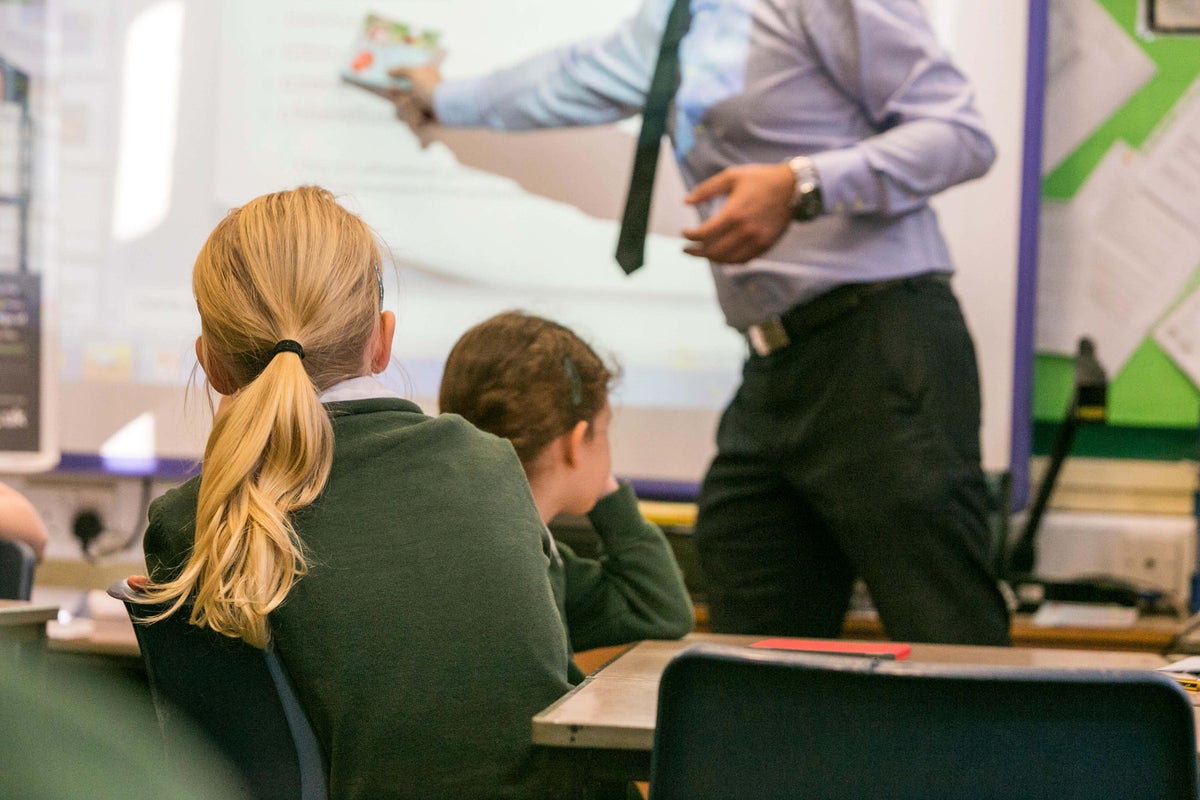
Smartphones and social media negatively impact learning and self-esteem, prompting a shift towards analog experiences among younger generations.
"Everybody knew something wasn't right with her. She would flirt with all the boys on the football team, she would favor them. She would be rude to all the girls."
WhatsApp unveiled parent-managed accounts for pre-teens. These are currently rolling out globally, and they come with new controls to limit pre-teens' WhatsApp experience to messaging and calling. Parents will set up the pre-teen's account, and the account will be controlled by the parent, including by deciding who can contact the account and which groups they can join.
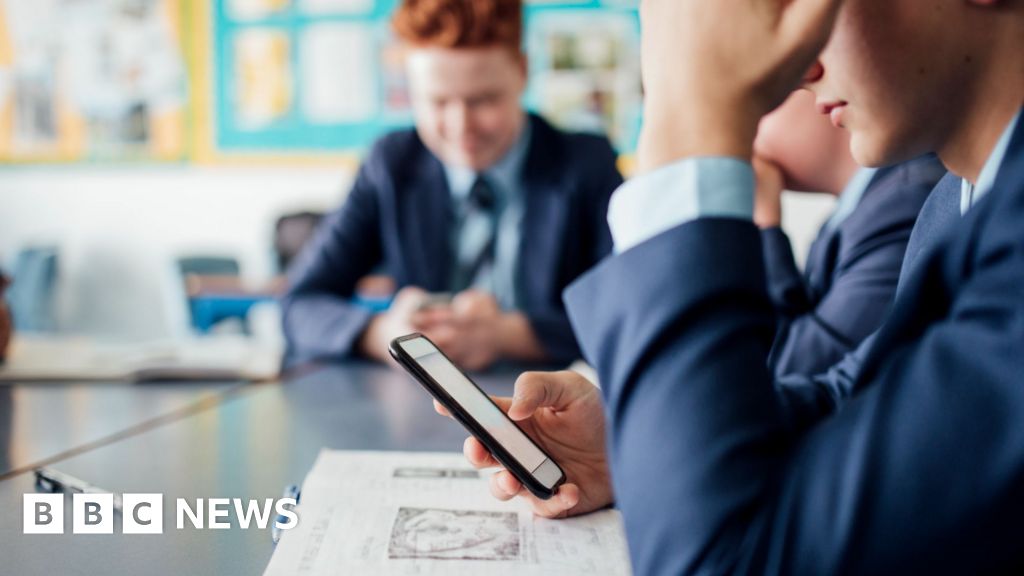
How do you get teenagers to put their phones away for hours at a time? That is the question many schools are trying to solve as bans on cellphones sweep the U.S. more than 30 states so far now restrict their use during the school day. One of those states is Kentucky, where all public school classes must now be cellphone free. Districts can set their own policies to achieve that goal.
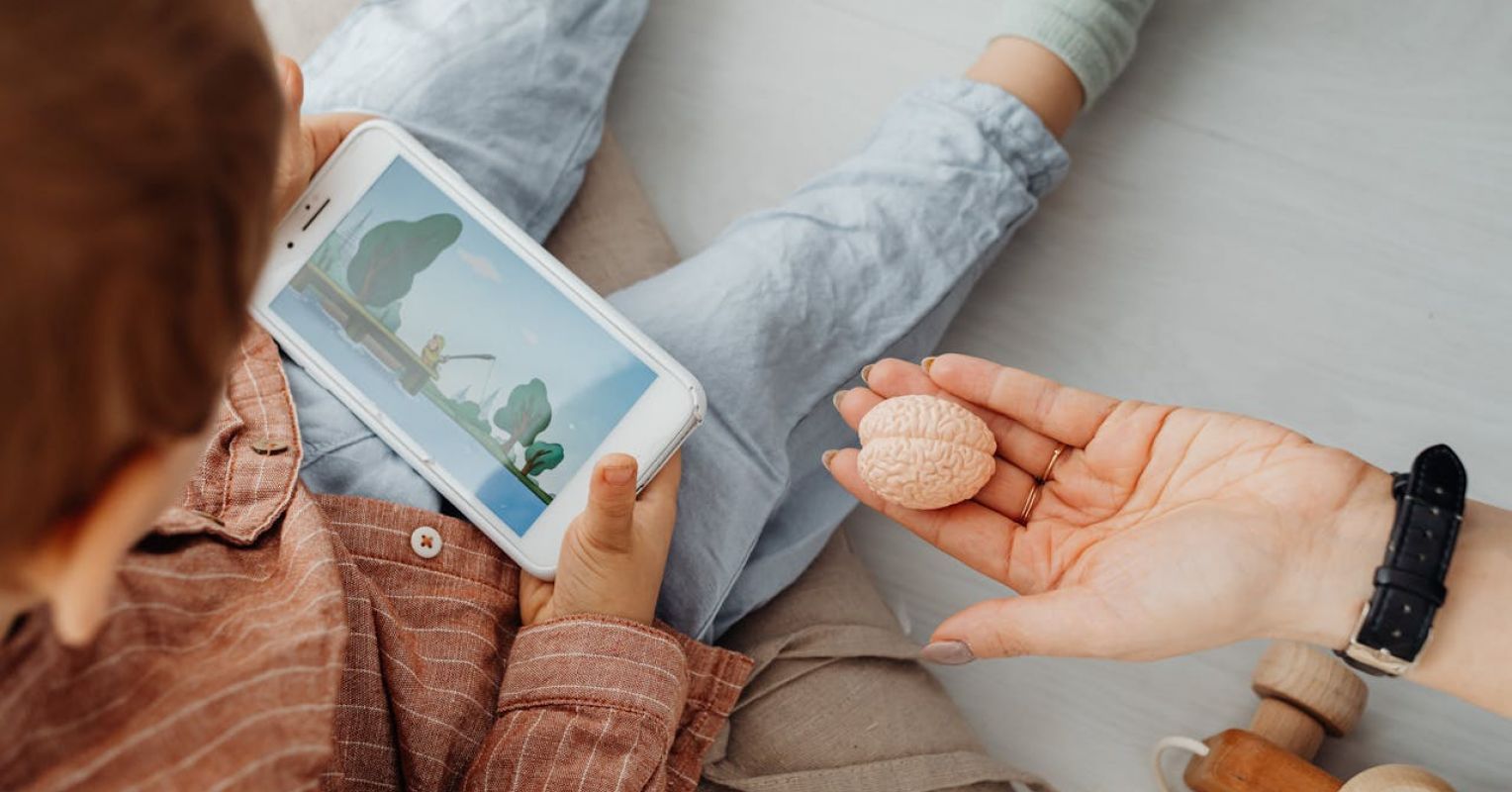
For years, my 8-year-old son has been asking for a phone. I'm sure he likes the idea of being social and playing games, but he also loves talking. Copper FaceTimes with friends on my phone (calling their Mom's phone) and regularly calls his grandparents to check in. We wanted to give him an age-appropriate amount of freedom and stumbled across a landline-esque phone for kids, the Tin Can.
But as schools seek to navigate into the age of generative AI, there's a challenge: Schools are operating in a policy vacuum. While a number of states offer guidance on AI, only a couple of states require local schools to form specific policies, even as teachers, students, and school leaders continue to use generative AI in countless new ways. As a policymaker noted in a survey, "You have policy and what's actually happening in the classrooms-those are two very different things."