Online learning
fromeLearning Industry
8 hours agoLeveraging Failure And Feedback For Rapid Adaptive Learning Growth
Learning from failure leads to faster skill acquisition and better retention in corporate training.
Modern scientific societies are increasingly vulnerable due to their dependence on membership fees and journal subscriptions, which are being challenged by the rise of virtual networking and open-access publishing.
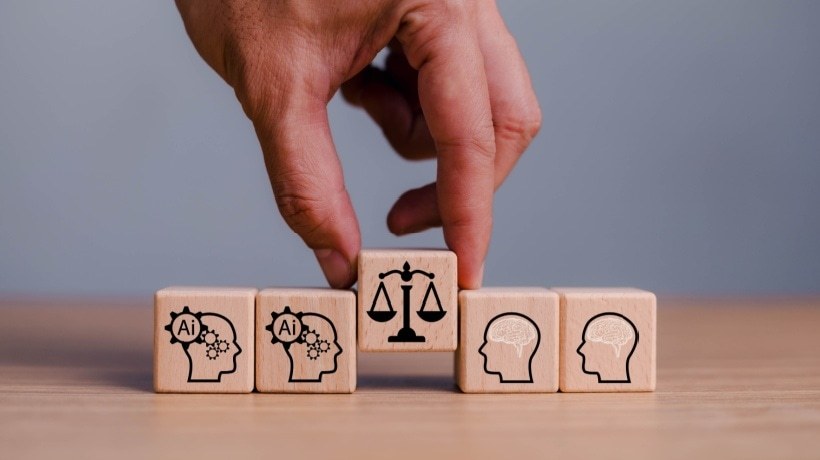
Bias risks: AI can amplify inequalities, like mislabeling non-native English writing as AI-generated. Privacy concerns: Schools face rising cyberattacks, and data misuse risks are high. Accountability: Human oversight is crucial to prevent over-reliance on AI.
In her book Hope in the Dark, writer and activist Rebecca Solnit observes that transformation starts in the margins. The book explores social movements throughout history, but the notion that mainstream beliefs grow from fringe ideas once thought to be outrageous is familiar to anyone who has watched change happen. Hope, she says, lives in the dark around the edges.
Collective learning is how a group or system creates, improves, and keeps knowledge. This knowledge lasts beyond any one person or cohort. That is the most practical collective learning definition, because it shifts the focus away from individuals and toward the learning system itself.
Learning today doesn't usually look broken. It looks like a well-run treadmill, always on, always moving, quietly exhausting everyone. New initiatives, new tools, new priorities. New "must-have" skills. Even when learning is thoughtfully designed, there's a nagging sense that nothing sticks because nothing gets a chance to. People finish the course, grab the badge, and move on to the next thing before the last thing has had time to show up in how they work.