#scrap-metal-smuggling
#scrap-metal-smuggling
[ follow ]
#waste-management #wildlife-trafficking #organized-crime #critical-minerals #trade-policy #recycling



fromwww.theguardian.com
5 days ago35,000 pints of stolen Guinness, 950 wheels of pilfered cheese: can the UK's cargo theft crisis be stopped?
Dawber noticed 17 pallets of golfing equipment, stolen three weeks prior, worth about 1 million. He also found 18 pallets of Asics trainers stolen three years earlier.
UK news
fromwww.aljazeera.com
1 week agoTruly junk': E-waste from rich nations floods local markets in Nigeria
Nigeria has become a major destination for the developed world's discarded electronics, items often near the end of life, sometimes completely dead, and frequently toxic because they contain hazardous materials.
Environment
European startups
fromTechCrunch
2 weeks agoInside a $1.1B deal to reshore critical minerals refining | TechCrunch
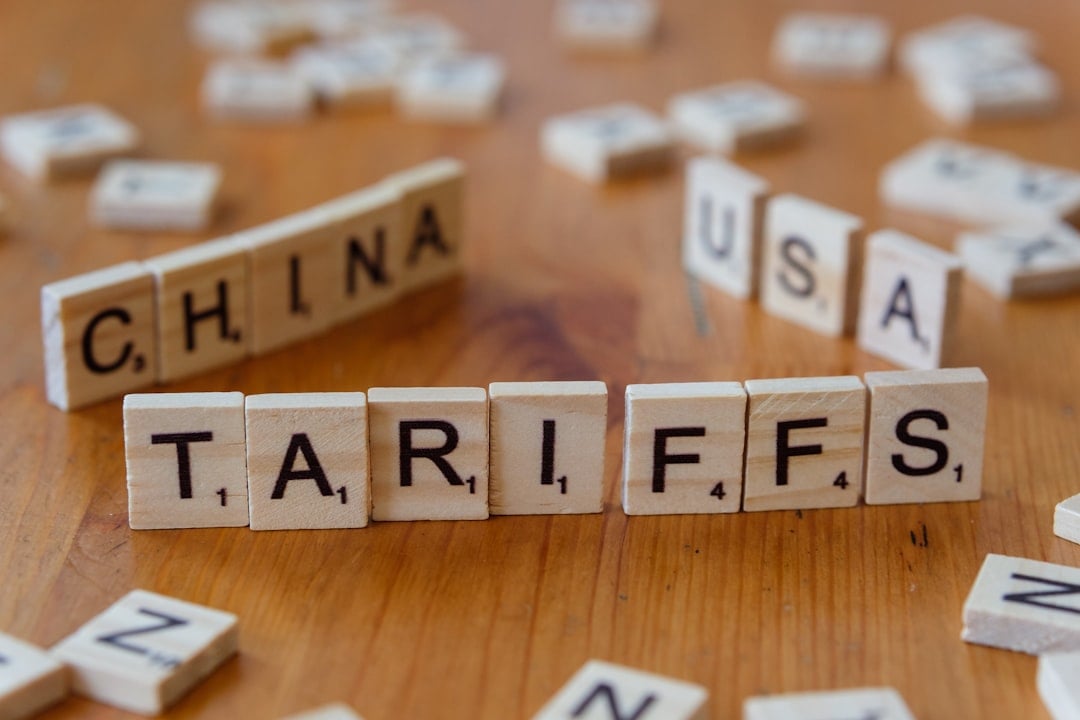
China controls over half the world's nickel refining capacity, prompting U.S. and European companies to develop domestic electrochemical refining technologies to reduce supply chain dependence.
#tariff-refunds

US Elections
fromTruthout
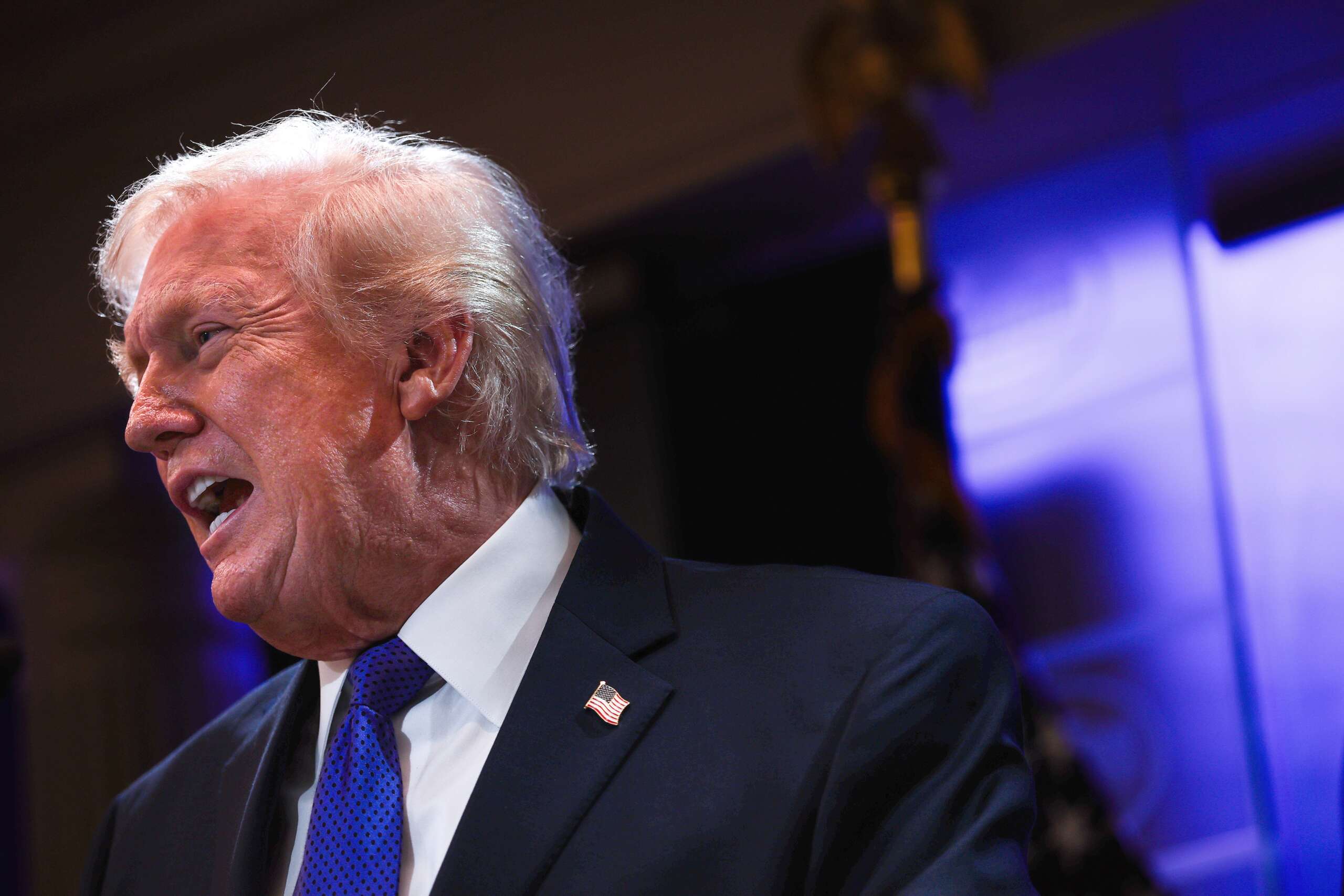
2 weeks agoAfter Being Ruled Illegal, Many Ask: Where Are the Refunds From Trump's Tariffs?
Small business owners face uncertainty about recovering tens of thousands in tariffs after the Supreme Court struck down Trump's emergency tariffs as illegal, with the government's refund process still underway.
US Elections
fromwww.npr.org
4 weeks agoNo lawsuits required: U.S. Customs is working on a system to refund tariffs
U.S. Customs is developing a streamlined refund system for unconstitutional tariffs, expecting completion within 45 days, avoiding individual lawsuits for the $166 billion owed to over 330,000 businesses.
European startups
fromTechRepublic
3 weeks agoUS CBP Says Its Systems Aren't Ready for Massive Tariff Refunds - TechRepublic
US Customs and Border Protection lacks digital infrastructure to process 53 million tariff refund claims worth $166 billion, requiring 4.4 million labor hours with existing systems.
Agriculture
fromEarth911
2 weeks agoConvenience Comes at the Environment's Expense
Fast delivery convenience carries significant environmental costs through packaging waste, carbon emissions, and resource consumption, but individual yard management choices can meaningfully reduce environmental impact at a local scale.
fromLos Angeles Times
2 weeks agoIndustry groups sue California over Truth in Recycling law
SB 343 forces dairy product manufacturers to remove vital recycling guidance from the very cartons Californians rely on every day. This law ignores the reality of our recycling infrastructure and unconstitutionally restricts our right to provide transparent recycling instructions to consumers. We are seeking to stop this policy before it leads to more waste and disrupts our ability to deliver milk to California families and schools.
Intellectual property law
fromEarth911
2 weeks agoIs Shredded Paper Recyclable?
Shredded paper is especially difficult to recycle, so many programs will not accept it. Shredding accelerates fiber shortening and lowers the paper grade from high-grade to mixed-grade. Mixed-grade paper is still recyclable, but it ends up baled and processed into products like paper towels and packing paper.
Portland
London politics
fromMail Online
3 weeks agoEnvironment officers given police-style powers to fight waste crime
The government is implementing a zero-tolerance approach to waste crime, granting environment officers police-like powers including warrant-less searches, asset seizure, and arrest authority to combat illegal dumping gangs.
fromwww.independent.co.uk
1 week agoTonne of cocaine shipped from Panama valued at 80m seized by UK Border Force
This was a fantastic seizure by our colleagues at Border Force, and taking this amount of cocaine out of circulation will have deprived the organised criminals involved of millions in profits.
UK news
fromBusiness Insider
2 weeks agoPaid IEEPA tariffs on overseas purchases? Here is what shipping companies are saying about refunds
After Trump ended the de minimis exemption last year, purchasing an item straight from an international vendor, regardless of the item's value, meant incurring International Emergency Economic Powers Act tariffs. Now, thanks to a ruling by the Supreme Court that overturned Trump's IEEPA tariffs, and a ruling by the Court of International Trade ruled that all tariffs paid under IEEPA must be returned, buyers may be able to collect a refund.
European startups
fromsfist.com
3 weeks agoIllegal Dumping Activity In NorCal Leads to One of the Largest Meth Busts In US History
The seizure of 2,700 pounds of meth represents a substantial disruption to the supply chain operating within mountain and valley communities across the region. Eight people were arrested in conjunction with the bust, including one individual who was reportedly on the National Terrorist Watch List.
California
UK politics
fromwww.independent.co.uk
2 weeks agoFly-tippers could be forced to clear their own rubbish under new crackdown
The UK government proposes forcing fly-tippers to clean up illegally dumped waste and allowing councils to seize offender funds for cleanup operations as fly-tipping increases 9% annually.
Law
fromQNS
4 weeks agoFlushing man accused of running criminal enterprise that flooded Oklahoma's black market with $1.5 billion worth of medical marijuana - QNS
A Flushing man was extradited to Oklahoma to face 18 felony counts for leading a fraudulent medical marijuana licensing scheme that distributed approximately 1 million pounds of marijuana worth $1.5 billion from 2021 to 2025.
Miscellaneous
fromReadWrite
4 weeks agoGambling laundering network found exploiting Ukrainian refugees
Spanish police arrested 12 people operating a money-laundering network that exploited Ukrainian refugees by using their bank accounts and online gambling platforms to disguise millions in illegal profits.
fromComputerworld
3 weeks agoData mining? Old servers could become new source of rare earths
Korea Zinc, which it described as one of the world's largest smelters, is in talks with major US technology firms to recycle data center waste and extract rare earth. The move comes almost one year to the day after China announced immediate export controls on seven more rare earth elements critical to enterprise IT hardware manufacturing.
European startups
Environment
fromEarth911
2 weeks agoHow You Can Help Keep Recycling Workers Safe
Recycling reduces waste and resource extraction, but material recovery facility workers face significant safety hazards, with nine deaths in 2023 and waste collection ranking as the fourth most dangerous job in the United States.
Miscellaneous
fromwww.theguardian.com
1 month agoA delightful day at the dump: The trick is not to leave with more stuff than I arrived with!'
A recycling centre's ReUse shop in London salvages discarded items including unusual specimens like embalmed animals, vintage furniture, and antiques to resell rather than send to landfill.
Intellectual property law
fromPatently-O
1 month agoForthwith, Part II: CIT Orders Refunds for All Importers, Not Just Litigants
After the Supreme Court invalidated IEEPA tariffs, CBP continued collecting unlawful duties without issuing refunds until a federal judge ordered comprehensive relief for all affected importers regardless of litigation status.
Environment
fromwww.theguardian.com
3 weeks agoMining's toxic timebomb: dams full of poisonous waste are dotted around the world. What happens when they burst?
A tailings dam collapse at a Chinese copper mine in Zambia released over 50 million cubic liters of acid and heavy metals into the Kafue River, causing widespread environmental devastation, water supply shutdowns, and agricultural destruction affecting millions of people.
fromwww.theguardian.com
1 month agoIron river': Mexico's cartel violence fuelled by trafficked firearms from US
The ability of criminal groups to exercise this type of power and exercise this type of violence is closely linked to firearms trafficking, said Cecilia Farfan-Mendez, an expert on Mexican organised crime. If we want to see less violence in Mexico, this is a very important conversation.
World news
fromFortune
3 weeks agoPlastics, fertilizers, clothing, medicines and electronics: $100-a-barrel oil has huge downstream consequences | Fortune
Crude oil is a complex mixture of hydrocarbons - molecules made mainly of carbon and hydrogen. Refineries and chemical plants separate and transform these molecules into smaller chemical building blocks known as petrochemicals. Some of the most important petrochemical building blocks include chemicals such as ethylene, propylene and benzene.
Environment
fromEarth911
1 month agoWhat Can You Do With Your Old Electrical Wires and Cables?
According to the UN's Global E-waste Monitor 2024, a record 62 million metric tons of electronic waste was generated worldwide in 2022, an 82% increase since 2010. E-waste is projected to reach 82 million metric tons by 2030. In the U.S. alone, roughly 8 million tons of e-waste is discarded each year.
Environment
fromEarth911
1 month agoHow to Recycle or Dispose of Single-Use Alkaline Batteries
Never place batteries of any type in your curbside recycling bin. Batteries can damage recycling equipment and, if lithium batteries are mixed in, cause fires. Always use designated battery collection programs.
Environment
Europe politics
fromwww.theguardian.com
2 months agoDamning EU report lays bare bloc's dangerous dependence' on critical mineral imports
The EU remains dependent on China and other suppliers for critical minerals, making its 2030 renewable and supply targets unlikely without stronger domestic capacity.
from24/7 Wall St.
2 months agoUp 158% in 2026, Is Critical Metals Too Hot to Touch?
Critical Metals ( NASDAQ:CRML ) shares rocketed 32.6% higher yesterday after the company announced the first assay results from its 2025 drilling program at the Tanbreez rare-earth project in southern Greenland. The results confirmed additional high-grade intersections across the Fjord Deposit and Upper Fjord areas, building on prior drilling success. The stock has now surged approximately 158% year-to-date in 2026 as investors bet on the project's advancement toward a pilot plant launch targeted for May.
Science
fromFast Company
2 months agoThis startup helps enterprising resellers prevent nearly a million pounds of returns from ending up in landfills
Americans are likely to have spent a record $1 trillion-plus this holiday shopping season alone, and about $5.5 trillion in retail sales in all of 2025, according to estimates by the National Retail Federation. That includes many unhappy returns for retailers: And when it comes back to them, a lot of the $850 billion in returned merchandise is often cheaper to discard than to inspect, sort, and resell-adding millions of tons to landfills every year.
E-Commerce
fromFortune
2 months agoMexico's ban on vapes could give drug cartels more revenue - 'those selling cocaine, fentanyl, marijuana are selling you vapes' | Fortune
The cartel said it was seizing the store, which would only be allowed to sell online outside the state. That was in early 2022, when vapes were still legal in Mexico, a market worth $1.5 billion. But earlier this month, the country banned the sale - although not the use - of electronic cigarettes. Experts believe organized crime will now consolidate its control over the sale of the devices.
Public health
fromIPWatchdog.com | Patents & Intellectual Property Law
2 months agoEUIPO-OECD Joint Study Details Close Link Between Global Counterfeit Trade and Abusive Labor Practices
Yesterday, the European Union Intellectual Property Office (EUIPO) and the Organisation for Economic Co-operation and Development (OECD) published the results of a joint study detailing the close connection between illicit trade in counterfeits and labor exploitation. The joint study shows clear, repeated associations between the intensity of counterfeit trade and abusive labor conditions, strongly suggesting that such conditions structurally enable the production and distribution of counterfeits.
Intellectual property law
US news
fromenglish.elpais.com
1 month agoRecruitment through social media and $14,000 payments: How a network sends trafficked weapons from Arizona to Mexico
A U.S.-based network used phantom buyers to legally purchase and traffic high-powered .50-caliber rifles and other firearms from Arizona to Mexico for criminal groups.

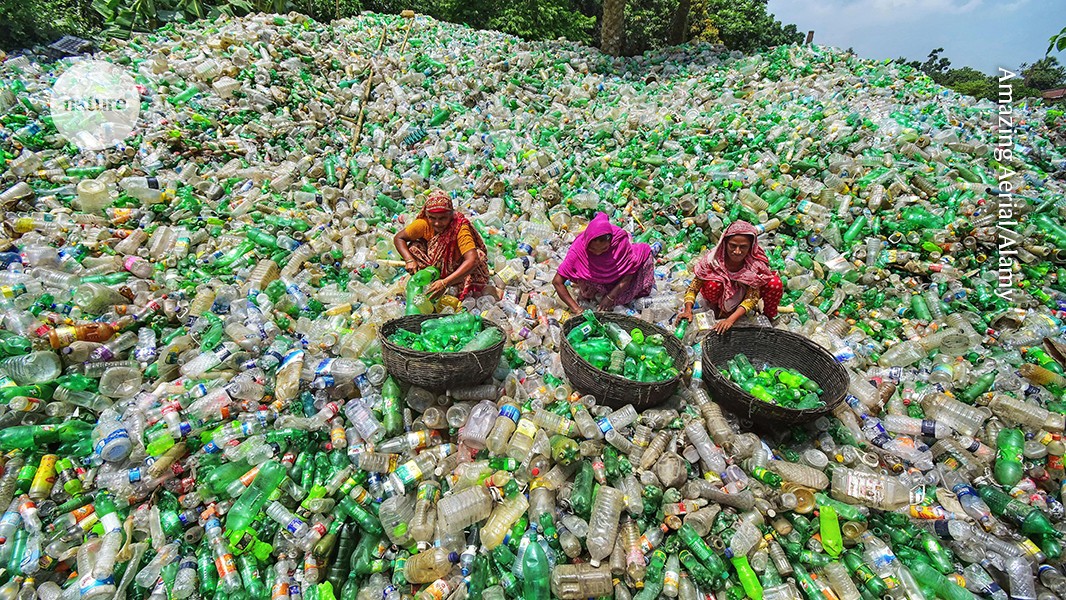
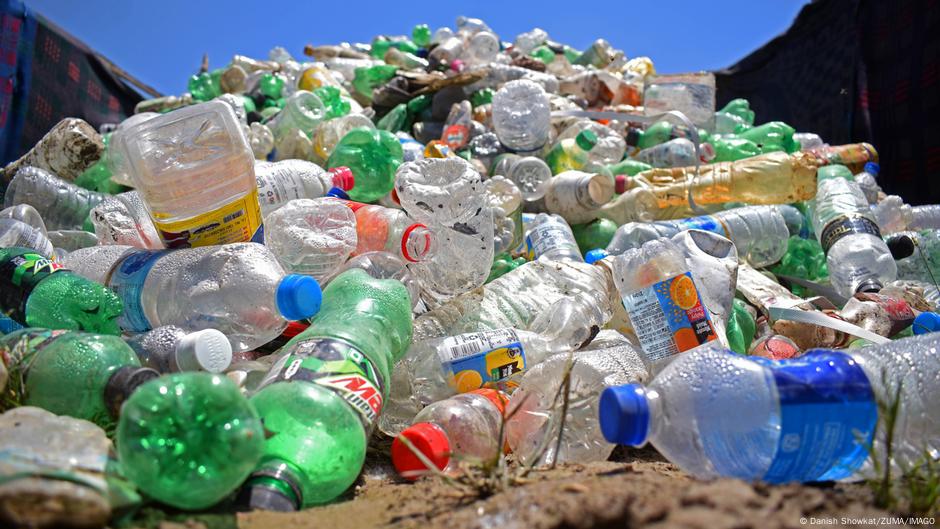
fromEarth911
2 months agoRecycling Mystery: Black-Colored Plastic
Black plastic gets its color from carbon black pigment and is commonly used in food containers, such as meat or produce trays and take-out containers, as well as disposable coffee lids, plastic bags, and hard plastic items like DVD cases and planters. While plastic is one of the categories of things that we are encouraged to recycle - when we can't reuse or repurpose it - not all black plastic items can be recycled.
Environment
fromwww.theguardian.com
2 months agoRecycled plastic packaging claims are misleading, say experts
Europe's supermarket shelves are packed with brands billing their plastic packaging as sustainable, but often only a fraction of the materials are truly recovered from waste, with the rest made from petroleum. Brands using plastic packaging from Kraft's Heinz Beanz to Mondelez's Philadelphia use materials made by the plastic manufacturing arm of the oil company Saudi Aramco. The Saudi state-owned holding opposes production cuts under the UN plastic treaty and is the world's largest corporate greenhouse-gas emitter (over 70m tonnes up to 2023).
Environment
[ Load more ]