Software development
fromMedium
1 day agoHow To Automate Product Design Tasks with Claude Code
AI agents can independently perform specific tasks in product design, enhancing efficiency and effectiveness.
AI made producing software cheap, but understanding it is still expensive. The Manifesto optimizes for the former. This addendum shifts the emphasis toward the latter. Four updated values, three refined principles, with reasoning for each.
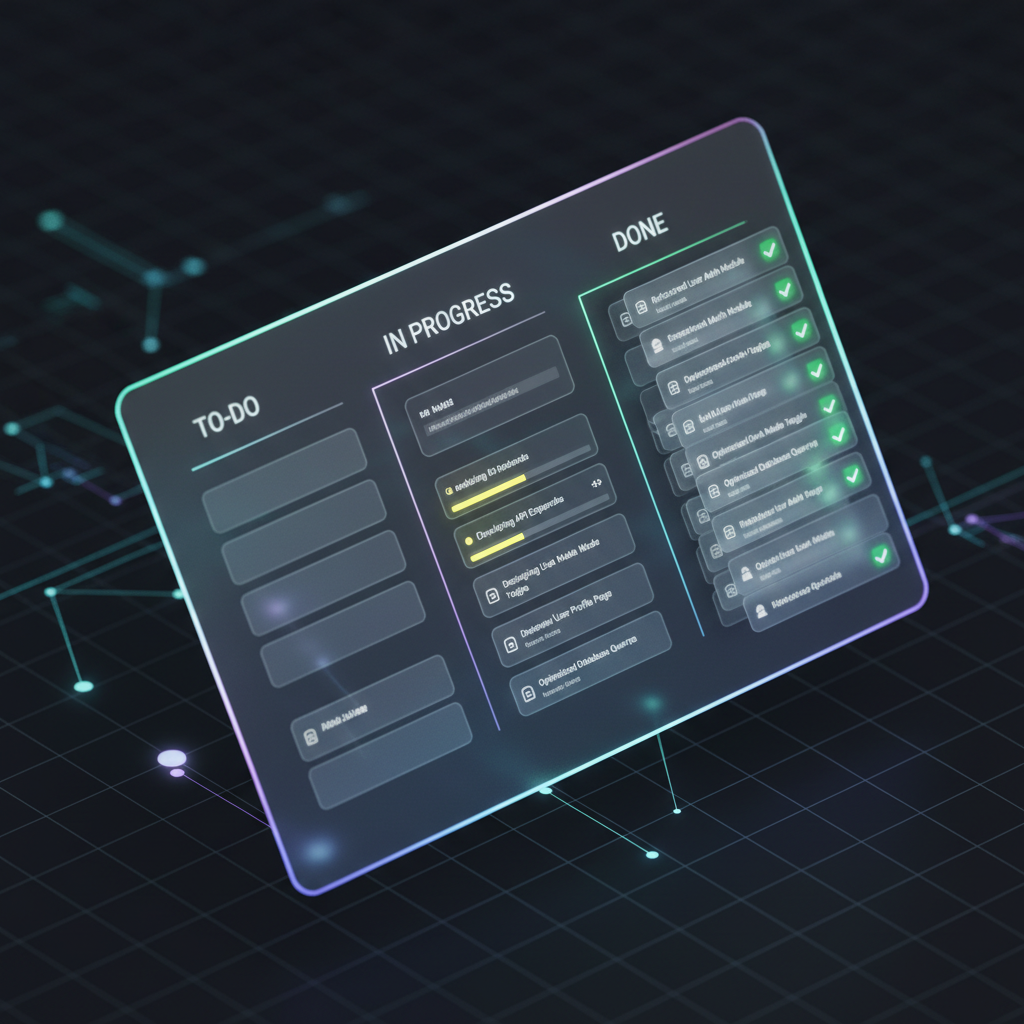
One of the challenges teams face when working with large boards or displaying multiple fields on work item cards is limited screen space. This became even more noticeable with the rollout of the New Boards hub, which introduced additional spacing and padding for improved readability. While this enhances clarity, it can also reduce the number of cards visible at once.
During my eight years working in agile product development, I have watched sprints move quickly while real understanding of user problems lagged. Backlogs fill with paraphrased feedback. Interview notes sit in shared folders collecting dust. Teams make decisions based on partial memories of what users actually said. Even when the code is clean, those habits slow delivery and make it harder to build software that genuinely helps people.
"I've never felt this much behind as a programmer. The profession is being dramatically refactored as the bits contributed by the programmer are increasingly sparse and between. I have a sense that I could be 10X more powerful if I just properly string together what has become available over the last ~year and a failure to claim the boost feels decidedly like skill issue."
Your coding apprentice can build, at your direction, pretty much anything now. The task becomes more like conducting an orchestra than playing in it. Not all members of the orchestra want to conduct, but given that is where things are headed, I think we all need to consider it at least.
Scrum has a bad reputation in some organizations. In many cases, this is because teams did something they called Scrum, it didn't work, and Scrum took the blame. To counter this, when working with organizations, we like to define a small set of rules a team must follow if they want to say they're doing Scrum. Enforcing this policy helps prevent Scrum from being blamed for Scrum-like failures.
The real cost of poor observability isn't just downtime; it's lost trust, wasted engineering hours, and the strain of constant firefighting. But most teams are still working across fragmented monitoring tools, juggling endless alerts, dashboards, and escalation systems that barely talk to one another, which acts like chaos disguised as control. The result is alert storms without context, slow incident response times, and engineers burned out from reacting instead of improving.
Industry professionals are realizing what's coming next, and it's well captured in a recent LinkedIn thread that says AI is moving on from being just a helper to a full-fledged co-developer - generating code, automating testing, managing whole workflows and even taking charge of every part of the CI/CD pipeline. Put simply, AI is transforming DevOps into a living ecosystem, one driven by close collaboration between human judgment and machine intelligence.
To find the typical example, just observe an average stand-up meeting. The ones who talk more get all the attention. In her article, software engineer Priyanka Jain tells the story of two colleagues assigned the same task. One posted updates, asked questions, and collaborated loudly. The other stayed silent and shipped clean code. Both delivered. Yet only one was praised as a "great team player."