#secret-births
#secret-births
[ follow ]
#pregnancy #maternal-health #mental-health #parenting #infertility #parenthood #ivf #healthcare-access



fromenglish.elpais.com
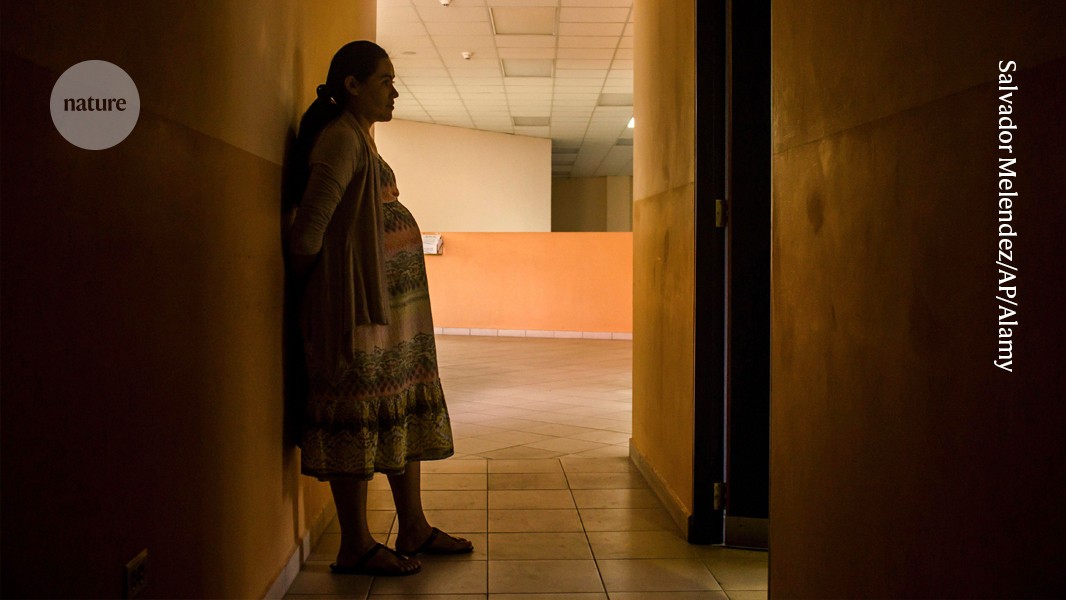
1 day agoParents' umbilical cord dilemma: Donate or preserve, even if it may never be used
The probability that frozen tissue will benefit the person who froze it is remote. The chance of developing acute lymphoblastic leukemia, the most common childhood cancer, currently stands at one in 20,000.
Medicine






UK news
fromwww.theguardian.com
2 weeks agoVulnerable women in England still being arrested over suspected illegal abortions
Women in England continue facing arrest and police investigation for suspected illegal abortion despite parliamentary approval of decriminalization legislation that has not yet become law.
fromIndependent
1 week ago'It's a huge amount of money': Modern fertility medicine is a miracle - but it's also a booming business
Since the first IVF baby was born in 1978, technological advancement of reproductive medicine has enabled millions to have children, marking a significant milestone in medical history.
Medicine
fromJezebel
1 week agoMore Pregnant Women Around the World Die When the U.S. Has a GOP President
Since 1985, every time the U.S. elects a Republican president, global maternal mortality increases by about 10.5%, or about 44.7 additional deaths per 100,000 live births. This erodes roughly one-fifth of the average worldwide decline in maternal mortality achieved since 1985.
Right-wing politics
US politics
fromThe Nation
3 weeks agoHow the Abortion Rights Activists Found Their Radical Imagination
President Obama called Nancy Keenan early morning to pressure NARAL Pro-Choice America's support for healthcare reform despite anti-choice Democrats' abortion coverage concerns tied to the Hyde Amendment's decades-old taxpayer funding restrictions.
NYC politics
fromCity Limits
4 weeks agoOpinion: New Yorkers Voted YES on Affordability. That Must Include Reproductive Health Care.
Reproductive health care access is foundational to economic stability and must be integrated into New York's affordability agenda to prevent lifelong health consequences.
fromAdvocate.com
3 weeks agoThese moms are risking arrest to protect gender-affirming care for trans youth
Parents and grandparents of trans youth, plus their therapists and medical providers, are fed up after years of health care bans and hostile rhetoric. Those feelings are driving them to do things they've never done before - like plan to get arrested at a protest.
Social justice

#maternal-health
Public health
fromwww.independent.co.uk
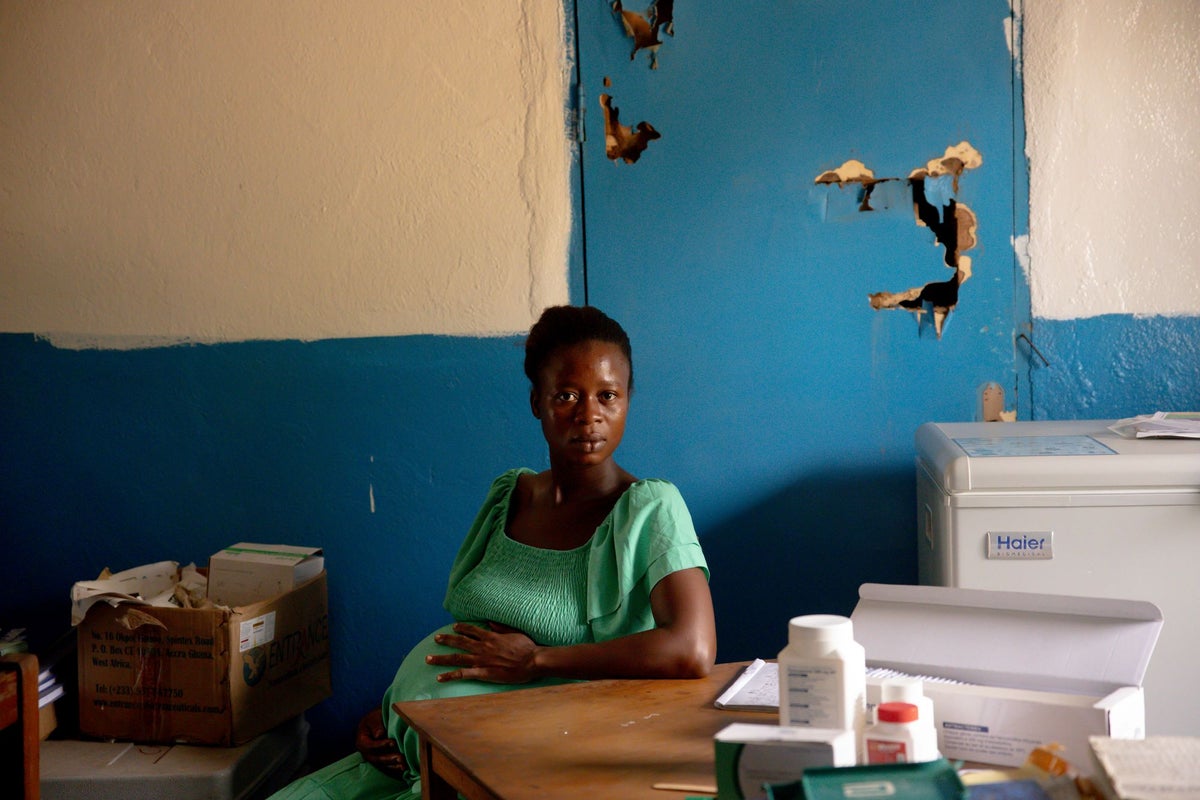
2 weeks agoWomen almost 150 times more likely to die from maternal sepsis in Africa than Europe
Women in sub-Saharan Africa are 150 times more likely to die from maternal sepsis than mothers in developed nations due to inadequate water, sanitation, and hygiene infrastructure in maternity wards.
Mental health
fromwww.bbc.com
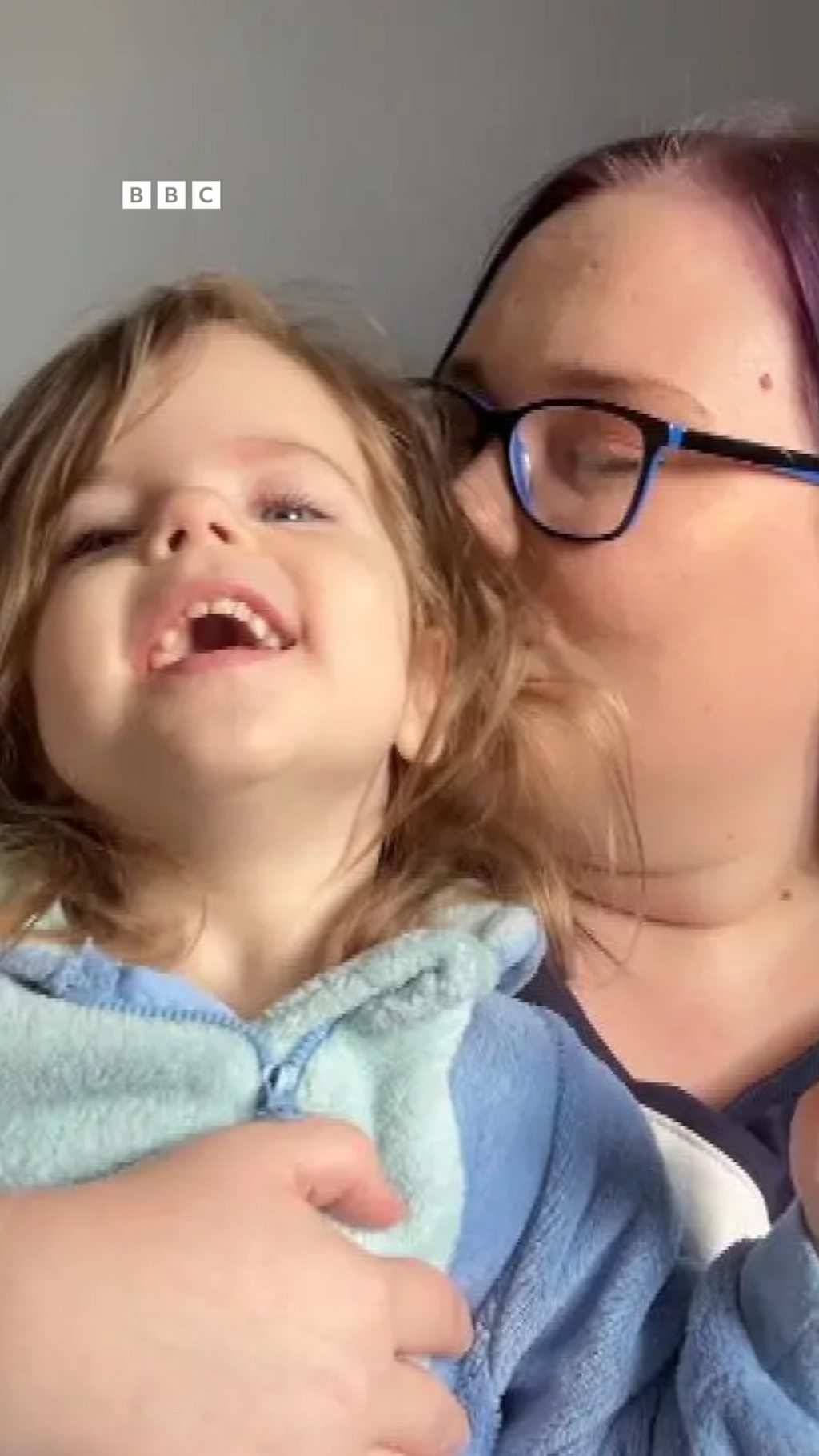
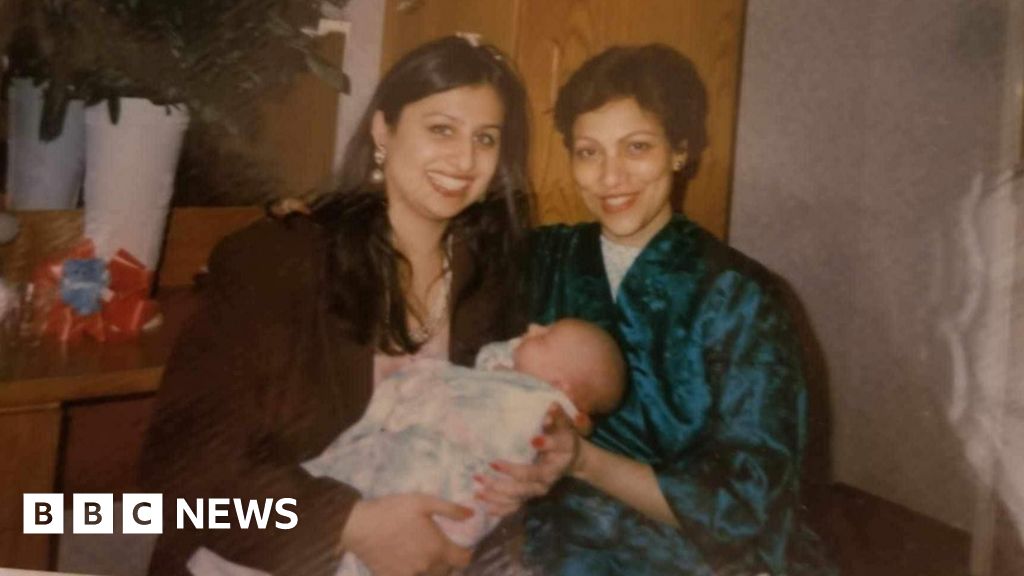
3 weeks agoSent 90 miles after giving birth while 'soaked in urine'
A new mother with postpartum psychosis was forced to travel 90 miles for emergency care due to insufficient specialist mother and baby units, highlighting critical gaps in mental health service accessibility across the UK.
fromwww.bbc.com
1 month agoUnder-fire maternity services still need to improve
While noting women 'were treated with kindness and compassion', a 'requires improvement' rating was given. Inspectors said hospital management 'did not always support staff well-being' and 'were not always visible within the service and were sometimes perceived as unsupportive'. Staff reported they were confident to report incidents, however, were not always assured action would be taken.
Healthcare
Women in technology
fromNature
1 month agoUncharted: Understanding women's health across the body
Women's health remains largely understudied due to historical exclusion from clinical research, creating significant gaps in understanding disease prevention, diagnosis, and treatment across most health conditions.

fromSilicon Canals
1 month agoThe most personal climate impact yet: whether to bring a child into this world - Silicon Canals
Then we circled back to the question that won't leave us alone. Do we bring a second child into this world, or do we stop at one? It's the most intimate climate question I've ever faced. Not a reusable bag choice. Not a diet tweak. A lifelong decision that will shape our home, our time, and yes, our footprint. I'm not alone in wrestling with this.
Environment
fromFast Company
2 months agoThe untapped business case for male contraception
For more than 60 years, contraception has been almost exclusively a women's responsibility. Today, women have more than 14 modern contraceptive options, while men have just two: condoms and vasectomies. That imbalance has pushed women to shoulder physical side effects, financial burden, medical risks, and the career impact of family planning-costs that have been accepted as the "status quo" for far too long.
Venture
fromPsychology Today
1 month agoWho Gets to Be a Mother?
We'd been working together for years to make my medication regimen-treatment for schizoaffective disorder-safe for potential pregnancy. Under her care, I was tapering off an antidepressant known to cause respiratory distress and hypertension in a newborn. I'd been experiencing wild mood swings, even suicidal thoughts. My beloved doctor's eyes were sad. "I'm saying no to a pregnancy, Meg." Even in the moment, I understood her priority as a physician was to keep me safe. Still, part of me hated her.
Mental health
fromHuffPost
1 month agoMy Abusive Partner Might Have Killed Me - This Controversial Choice Saved My Life
When I took the assessment, shortly after leaving my partner, he scored an 8/10. If I had gone through with our pregnancy, he would have scored a 10. But we didn't have children because five years earlier, in a Chicago clinic, I'd had a medication abortion. At the time, the danger only registered as a faint sense of unease, nothing like the five-alarm fire my life would later become.
Relationships
fromNonprofit Quarterly | Civic News. Empowering Nonprofits. Advancing Justice.
1 month agoGiving Birth Under Surveillance: Migrants, ICE, and Obstetric Violence | Nonprofit Quarterly | Civic News. Empowering Nonprofits. Advancing Justice.
Fear of detention or deportation is leading many immigrants to avoid medical appointments, even when those visits are essential. This chilling effect is particularly acute among pregnant individuals, who may delay or forgo prenatal check‑ups out of concern that seeking care could expose them to immigration enforcement. The result is a growing public health crisis: expectant patients are left without consistent medical oversight, and communities face widening disparities in maternal and infant health outcomes.
Public health
Mental health
fromwww.theguardian.com
1 month agoHonesty about the realities of motherhood, and proper NHS support, would go a long way | Letters
Perinatal care and societal narratives often neglect and fail women experiencing severe mental health issues after childbirth, leaving many without adequate support.
fromwww.theguardian.com
2 months agoGlobal midwife shortage raises rates of maternity intervention, report warns
Anna af Ugglas, chief executive of the International Confederation of Midwives (ICM) and one of the study's authors, said: Nearly 1 million missing midwives means health systems are stretched beyond capacity, midwives are overworked and underpaid, and care becomes rushed and fragmented. Intervention rates rise, and women are more likely to experience poor-quality care or mistreatment, she said. This is not only a workforce issue, it is a quality and safety issue for women and babies.
Public health
[ Load more ]