#sectarian-and-regional-results
#sectarian-and-regional-results
[ follow ]
#iran #israel #lebanon #trump #military-conflict #hezbollah #iraq #humanitarian-crisis #middle-east #us-foreign-policy





Europe news
fromwww.theguardian.com
8 hours agoAs Iran war exposes global dependence on fossil fuels, the biggest emitters are reaping the rewards
Global food insecurity is rising due to oil prices and fertilizer shortages, highlighting the dependency on fossil fuels and the shift towards low-carbon futures.



Right-wing politics
fromwww.aljazeera.com
3 weeks agoThe US-Israel war on Iran is shaped by religion as much as strategy
The US-Israeli conflict with Iran represents a collision of competing religious ideologies and strategic interests, with Christian nationalist ideology influencing American policy toward Iran's Islamic governance.
World politics
fromLondon Business News | Londonlovesbusiness.com
1 day agoWhen monetary policy intersects with Middle East crisis - London Business News | Londonlovesbusiness.com
Monetary policy and geopolitical dynamics are causing significant volatility in the U.S. Dollar Index and Treasury yields, reflecting market corrections rather than structural weaknesses.



fromwww.theguardian.com
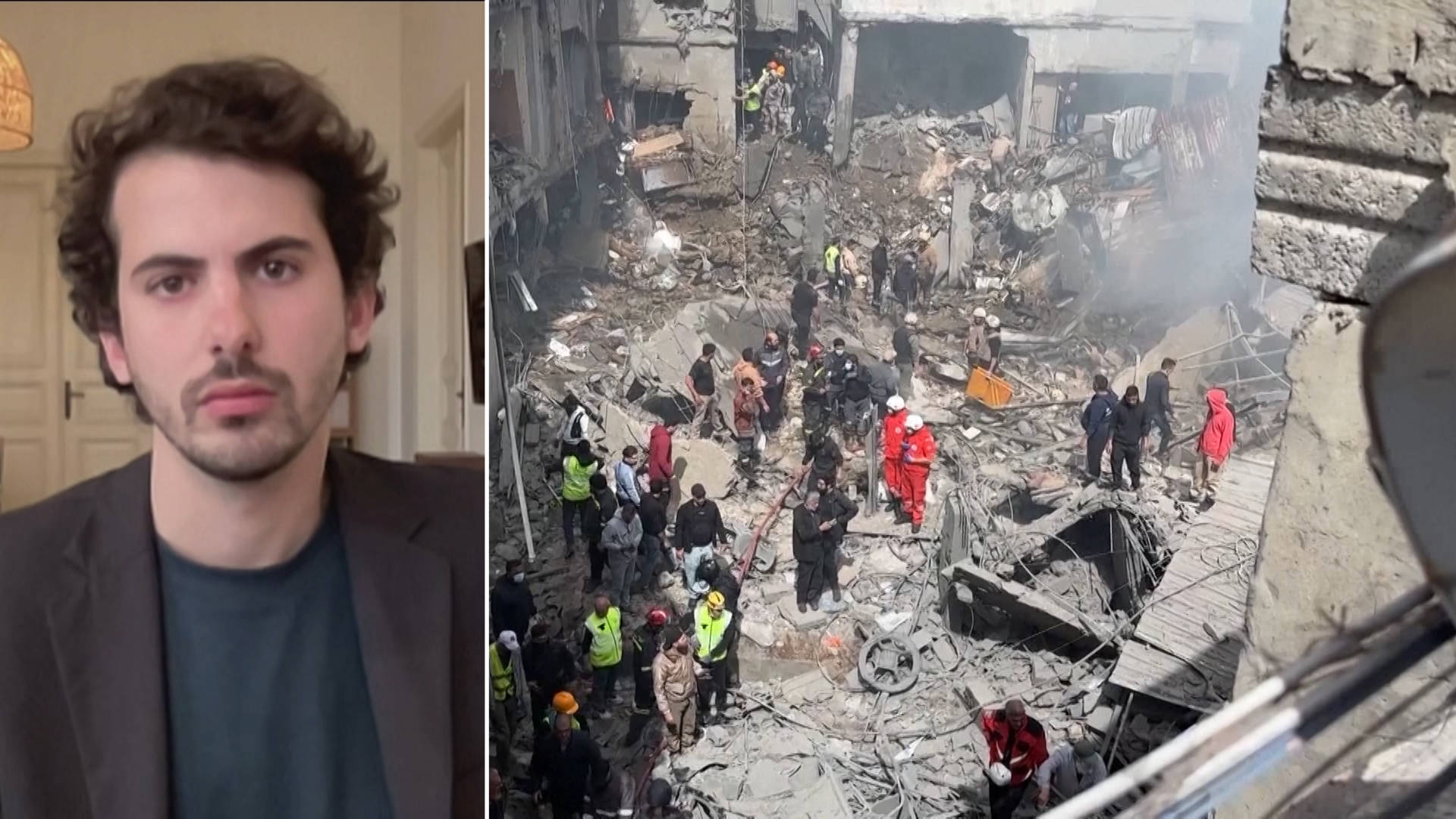
2 weeks agoFighting intensifies between Israel and Hezbollah in southern Lebanon
Much of the fighting was concentrated around the strategic hilltop city of Khiam, with the Israel Defense Forces carrying out an air and artillery campaign against Hezbollah fighters dug into the city. Fighting escalated there after days of clashes, with a Hezbollah spokesperson acknowledging there were heightened clashes on the eastern and northern outskirts of the city.
France politics
fromThe New Yorker
3 weeks agoWhy Iran's Allies Have Yet to Join the War Effort
The Houthis, a Zaydi Shiite Islamist rebel group, which the U.S. has designated as a foreign terrorist organization, are among Iran's most powerful and resilient allies. They are a key part of the so-called Axis of Resistance, an informal Iran-led military coalition in the Middle East. During his speech, al-Houthi suggested that the Houthis were ready to lend military support to Iran: 'We are fully prepared for any necessary developments,' he said.
World politics
#lebanon-humanitarian-crisis


France politics
fromThe Washington Post
3 weeks agoWar against Iran expands into Lebanon as Israel battles Hezbollah
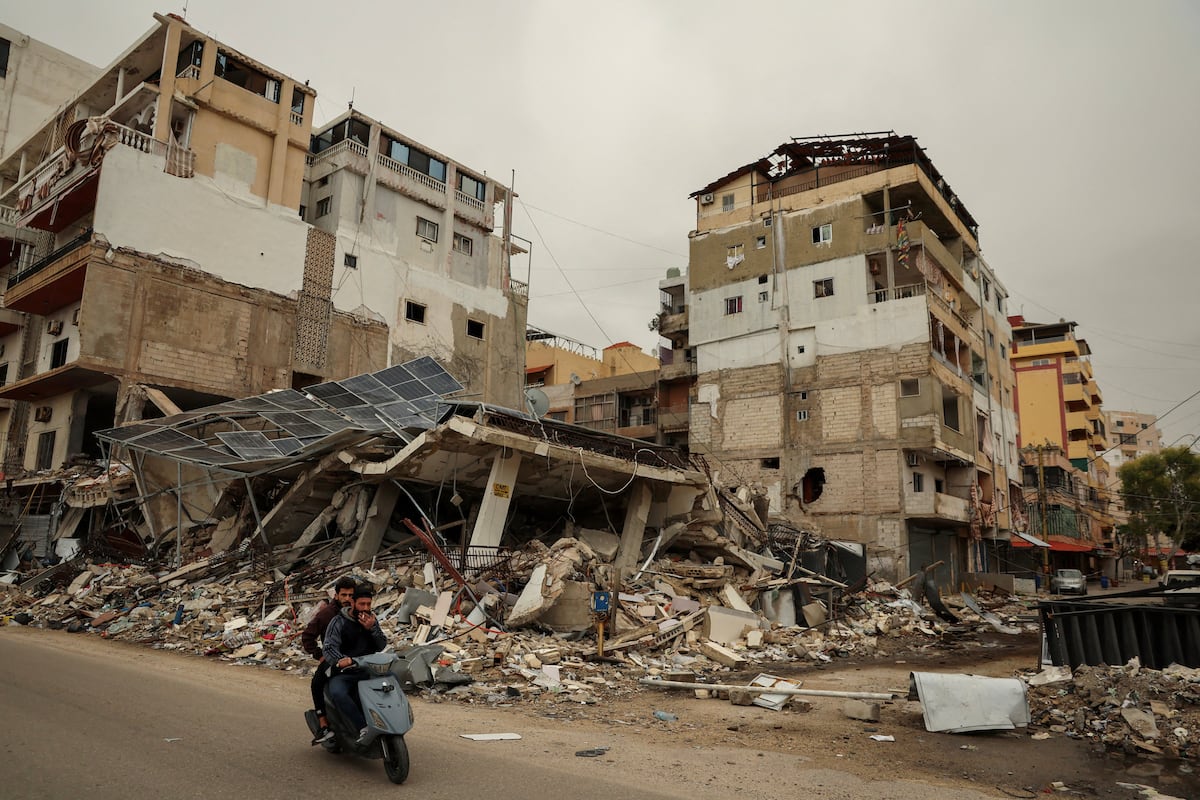
Over 630 people killed in Lebanon within a week as Israeli military operations intensify following Hezbollah rocket attacks, displacing 800,000 residents and prompting desperate diplomatic appeals for ceasefire intervention.
fromThe Atlantic
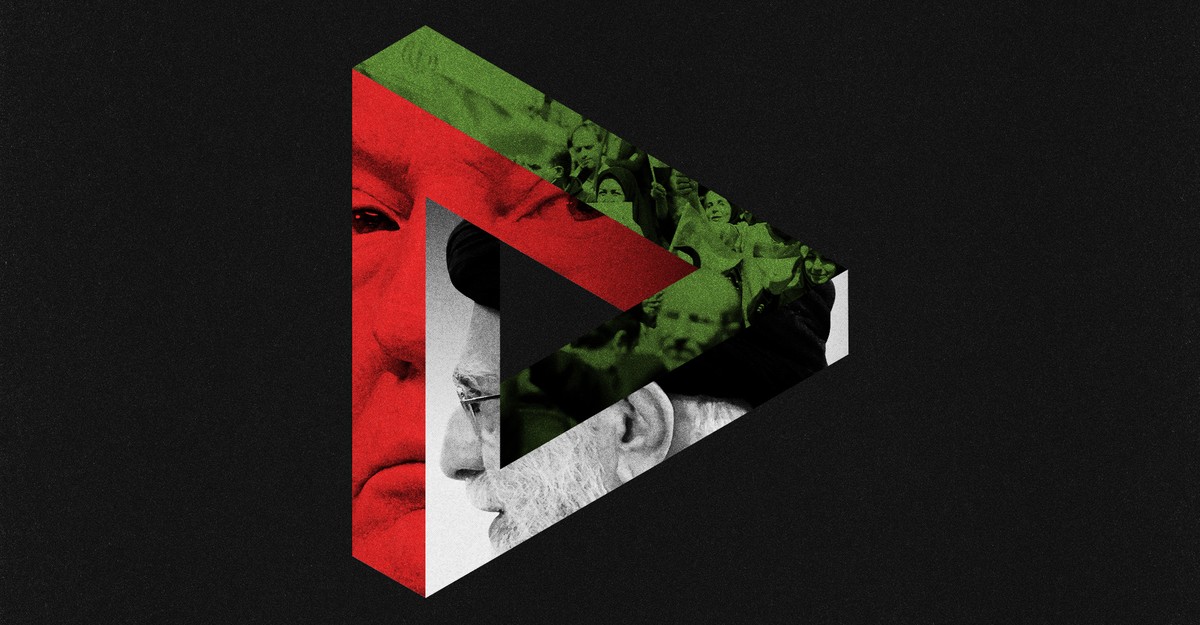
3 days agoThe Iranian Opposition's Urgent Task
Pahlavi pledged to lead a transition to a 'free and democratic Iran.' He called on President Trump to continue the American-Israeli military operation against Iran, in the hope of displacing a regime he decried for placing a 'sea of blood' between itself and its people.
World news
#us-iran-conflict
World news
fromwww.theguardian.com
3 days agoMiddle East crisis live: US and Iranian forces race to recover missing pilot from downed jet; Israel bombards Beirut
The US-Iran conflict escalates with military actions, including downed aircraft and strikes on economic sites, impacting global energy supplies.
France politics
fromwww.dw.com
3 weeks agoLebanese brace as Hezbollah-Israel attacks escalate
Israeli strikes on Lebanon following Hezbollah attacks have killed hundreds, displaced over 750,000 people, and created a severe humanitarian crisis affecting civilians including children with medical vulnerabilities.
France politics
fromwww.aljazeera.com
4 weeks agoIs Israel reshaping Lebanon, trying to separate Hezbollah from its people?
Israel's military operations in Lebanon involve mass displacement, bombardment, and territorial expansion aimed at reshaping the country's demographics and weakening Hezbollah's support base.
France politics
fromAxios
1 month agoEarthquake in the Gulf: Iran war expands to dozen countries in 72 hours
Operation Epic Fury is a four to five week military campaign that has triggered widespread Iranian retaliation across the Middle East, striking Israel, U.S. bases, and civilian targets across multiple Gulf nations.
fromwww.aljazeera.com
3 weeks agoAttacks from all sides: Why Iraq was dragged into US-Israel war on Iran
Within hours of the United States-Israeli attacks on Iran, US assets in Iraq's Kurdistan region came under retaliatory attacks from Tehran-backed groups, dragging the country into the conflict that has since expanded across the Middle East and beyond. Since then, US assets located in Iraq have come under multiple attacks from pro-Iran groups and Iran's powerful Revolutionary Guard Corps (IGRC).
World news
World news
fromwww.theguardian.com
1 month agoMiddle East in flames': what the papers say about the war on Iran
US and Israeli attacks on Iran and Ayatollah Ali Khamenei's death dominated global media with divided international reactions ranging from criticism of recklessness to support for bold action.
[ Load more ]