Artificial intelligence
fromThe Atlantic
21 hours agoThe AI Industry Wants to Automate Itself
Protesters in San Francisco demand a halt to the development of self-improving AI technologies, fearing existential risks to humanity.
The ALEX RS is a bilateral upper-limb exoskeleton designed for post-stroke rehabilitation, covering 92% of the human arm's natural range of motion and is CE certified as a Class IIa medical device.
Body agency is a power returned after an incident took it away from the user's physical form, and some wearable devices and technologies have this exact goal in mind.
Steer-by-wire systems replace traditional mechanical steering mechanisms that include racks and pinions with electronically controlled servos. Commonly used in airplanes, the electronic system takes inputs from the driver and relays them to electronic actuators that then control the direction of the wheels on the car.
Kinetic's CEO Nikhil Naikal states, 'We have eyes, and when we need to correct vision, we go to an optometrist... In the same way, this is a digital prescription to correct the errors of the car's understanding of the world around it.'
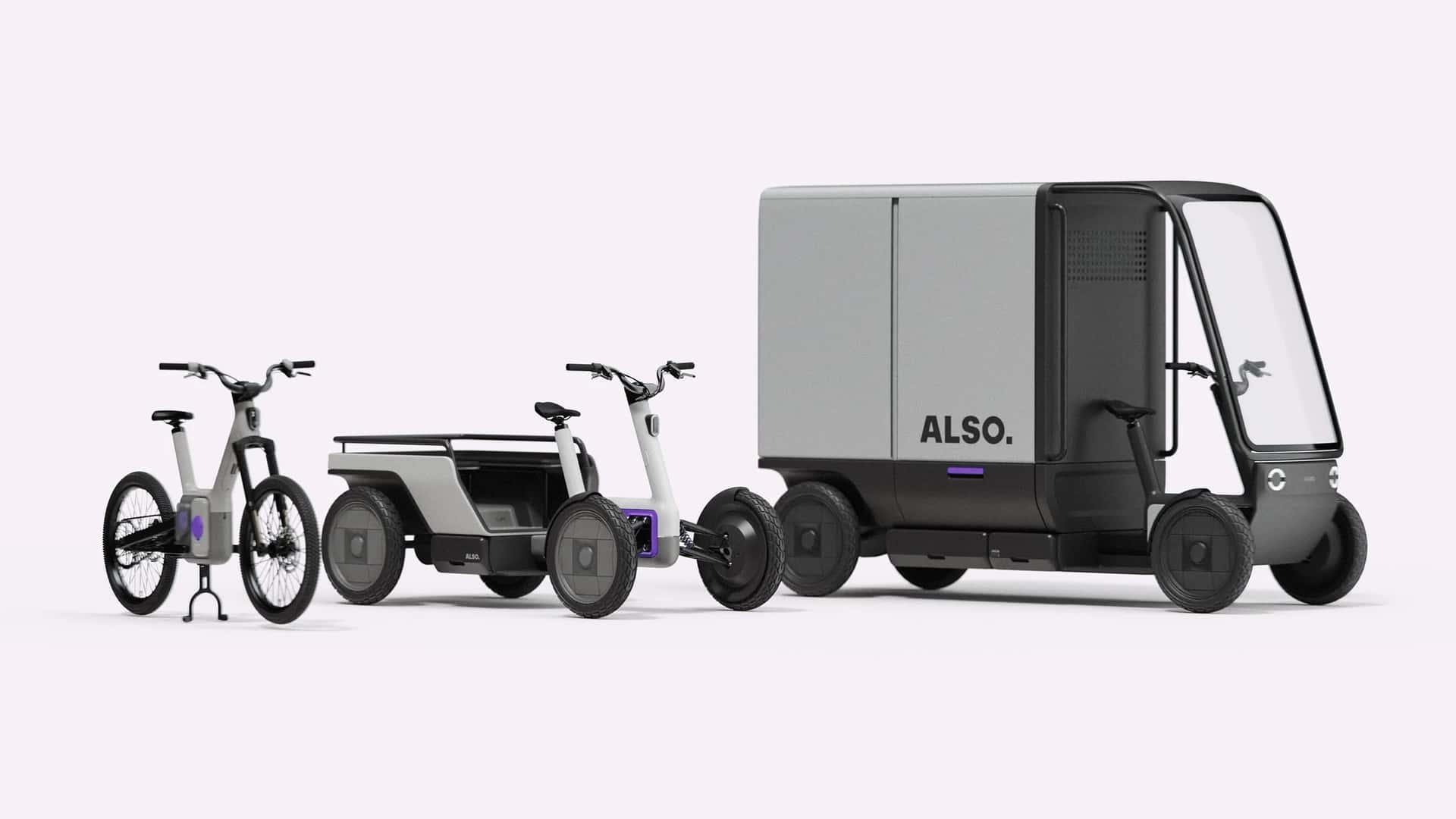
DoorDash's investment in Also aims to develop and accelerate the deployment of autonomous delivery at scale, focusing on areas not yet fully solved for, including intersections of roadways and bike lanes.
Today's models are compact, increasingly affordable and capable of capturing sharp aerial photos and video with minimal effort. Whether you're curious about flying for the first time or looking to upgrade to a more advanced camera drone, the options available in 2026 are broader and more approachable than ever.Entry-level drones now offer features like GPS-assisted flight, return-to-home safety systems and automated shooting modes that take much of the stress out of learning to fly.
Intrinsic "graduated" into an independent company inside Alphabet's Other Bets division in 2021, a portfolio of high-risk, speculative ventures that also includes robotaxi firm Waymo and healthcare company Verily. It pitches itself as an Android-like layer for robotics, building software and tools that make it easier to create robot applications.
At about 18 kilograms, roughly 40 pounds with its battery included, the As2 is compact enough to move through tight spaces, yet built to handle a standing payload of up to 65 kilograms. That's more than 143 pounds sitting on top of a 40-pound robot, which is genuinely impressive and a little hard to picture until you actually see it in action.
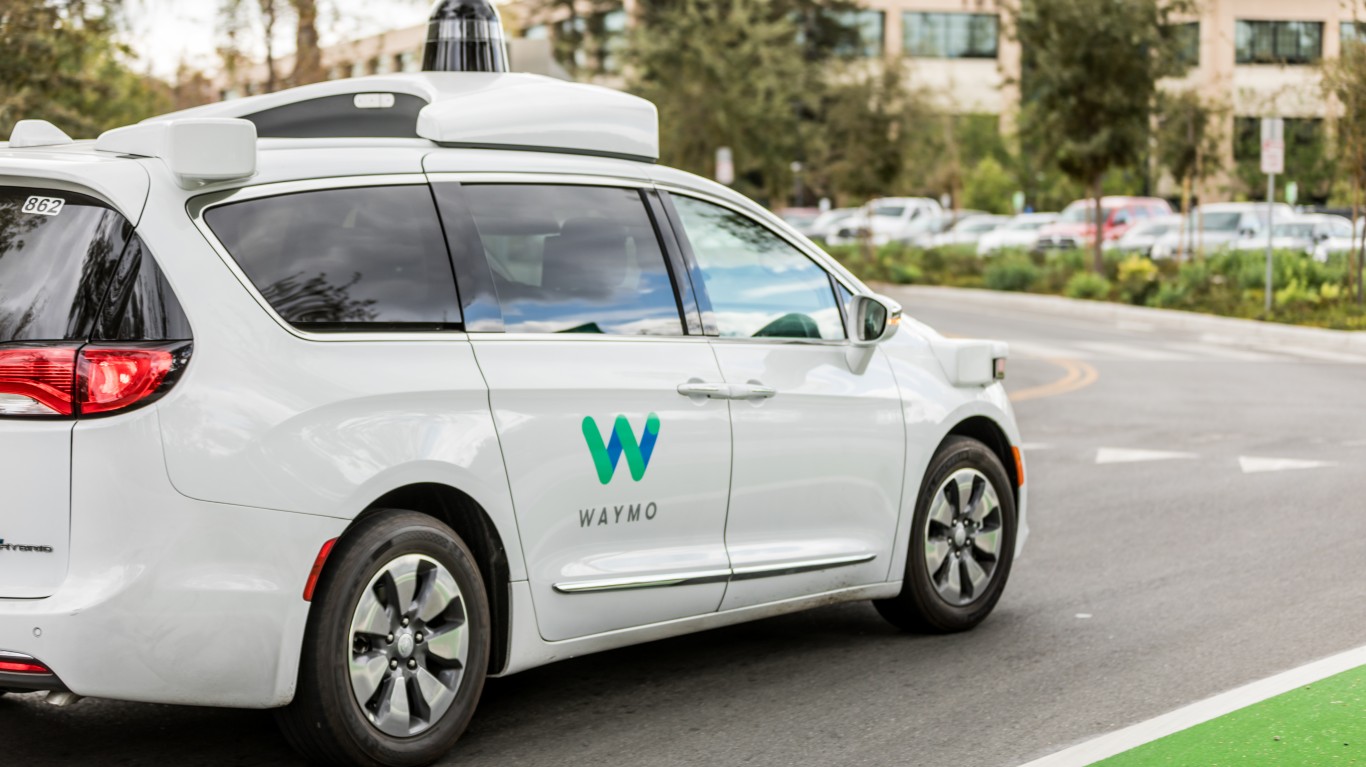
The robotaxi takeover - assuming they take over - will also be a real estate story. As Waymo, Uber, Tesla, and other competitors race to flood the streets with fully autonomous cars, robotaxi operators will need to find places to park, charge, and maintain their vehicles. Voltera, a charging infrastructure company based in Palo Alto that has partnered with Alphabet-backed Waymo, is buying up real estate now to prep for the AV boom.
Men's four-person bobsledding made its Olympic debut in Chamonix, France, in 1924; women's two-person bobsledding didn't enter the Games until 2002 in Salt Lake City. Women's monobob arrived in 2022. While the earliest bobsleds were made of wood, the sport has been synonymous with steel for years, although in recent decades it has been replaced by carbon fiber, which provides greater lightness and strength.
I'm no psychologist, but I get a sense Segway turned up to CES 2026 with something to prove after last year. Certainly, it's gone out of its way to prove its micromobility bona fides with the press, who perhaps were a bit too sniffy that scooter people were launching an e-bike. This year, Segway's not just launching two more mainstream e-bikes, but an electric dirt bike, all of which are crammed with the sort of tech that might just make everyone halt their sniffiness.
Human hands are incredibly dexterous tools - but they have their limits. They are asymmetric, they have only a single thumb and, fundamentally, they're connected to our arms. But none of that poses a problem for this robot claw. Its symmetrical design means it can seamlessly approach different tasks without having to twist to find the right angle, six-fingers mean the design can juggle multiple objects at the same time and, if needed, it can simply leave its arm behind, perfect for dangerous or hard to reach places.
An exoskeleton is a relatively new class of wearable device designed to enhance, support, or assist human movement, strength, posture, or even physical activity. The main piece goes around your waist like a belt, and from it, a pair of hinged, mechanized splints extend down over the hips to strap onto each thigh, where they provide some robotic assistance to normal movements like walking, running, or squatting.
After causing a splash at last year's CES with a pair of high-tech, high-powered e-bikes, Segway returned to the show with a little something more for everyone. The Ninebot-owned brand announced two new e-bikes - the seemingly conventional-looking Myon, and the low-step, short-tail Muxi - as well as a sharp-looking electric dirt bike called the Xaber 300. In previous years, Segway veered toward gimmicky reveals, like goofy self-balancing pods and paintball-shooting go-karts.
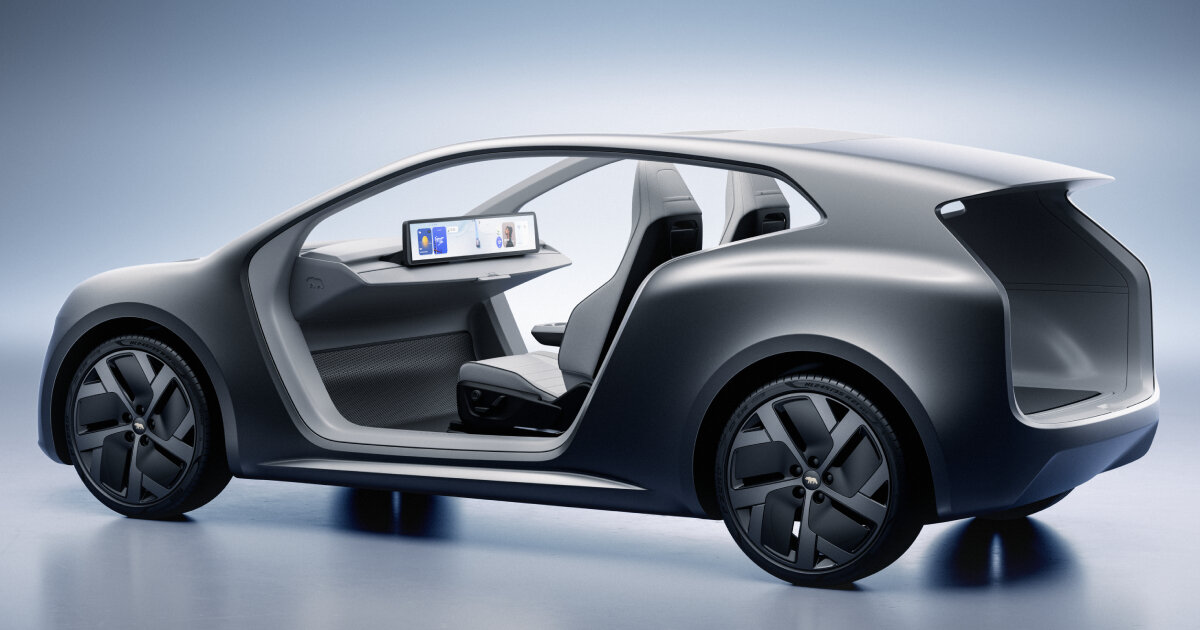
Unveiled at CES 2026, the design responds to automated riding, especially Level 4 driving, where the vehicle can manage all driving tasks within certain conditions without human input. The retractable steering wheel is co-developed with Tensor's Robocar autonomous driving system. When the vehicle switches into Level 4 autonomous mode, the steering wheel retracts, clearing the driver's area. This creates more space in the cabin and allows the front seat area to function more like a living or working space rather than a traditional cockpit.