#selfie-camera-placement
#selfie-camera-placement
[ follow ]
#social-media #photography #instagram #snapchat #tiktok #video-marketing #google-pixel #camera-technology #ai
#photography
Photography
fromwww.theguardian.com
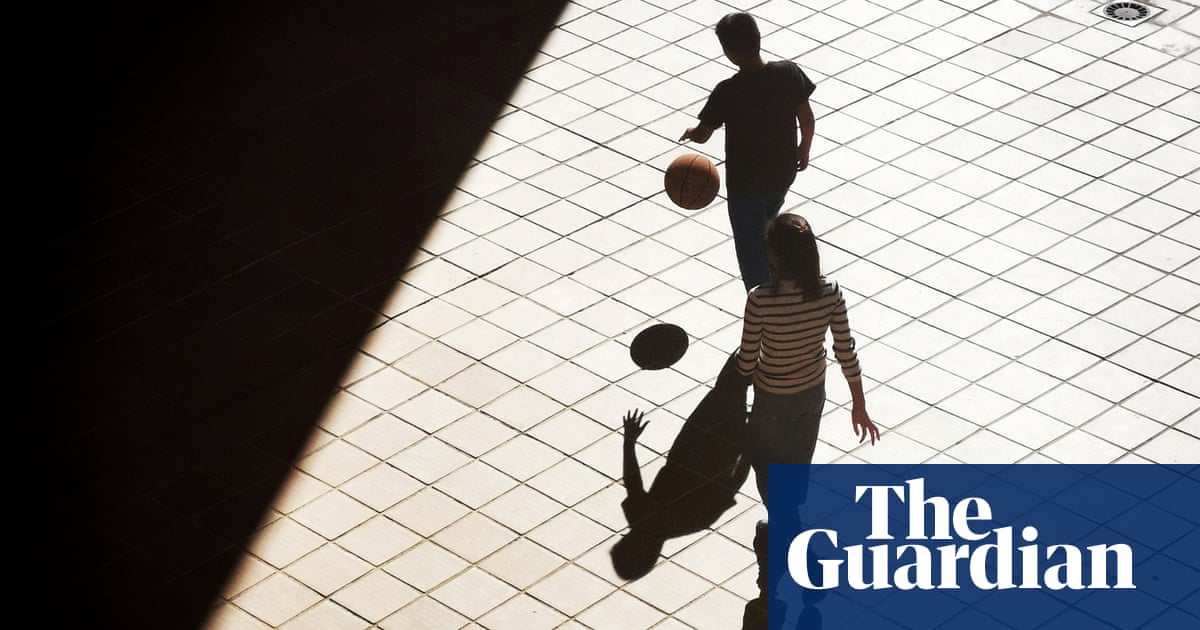
1 day agoThe shadows, the figures playing basketball I waited for the magic to appear then it did': Jose Luis Morales Martin's best phone picture
Jose Luis Morales Martin captures the interplay of architecture and photography, emphasizing the emotional connection and artistry in both fields.
Photography
fromwww.theguardian.com
3 weeks agoAs soon as I saw it, I knew the image': Robby Ogilvie's best phone picture
Edinburgh photographer Robby Ogilvie won the Sony World Photography Awards 2026 Object category for an image of a Ford Cortina in Cape Town's Bo-Kaap neighborhood, capturing the area's vibrant community and complex history through color and composition.







Toronto startup
fromFortune
5 days agoThe beauty counter is now on your For You page as Ulta Beauty joins TikTok Shop, betting on the platform reshaping how America consumes | Fortune
Ulta Beauty launched on TikTok Shop, becoming the first specialty beauty retailer on the platform, enhancing its commerce capabilities.




fromSocial Media Explorer
2 weeks agoThe Proof is in the Paint: How to Shoot Before and After Photos That Actually Sell Your Bodywork - Social Media Explorer
In the collision repair industry, your visual portfolio is your entire sales pitch. If a stressed vehicle owner visits the website of a local auto body shop, the very first thing they look for is evidence of past miracles. A compelling before and after photo does the heavy lifting of building trust before they ever pick up the phone to ask for an estimate.
Cars
Psychology
fromPsychology Today
3 weeks agoThe Psychology of Watching Strangers on Social Media
Capgras delusion reveals how disrupted emotional brain circuits cause people to perceive loved ones as imposters, paralleling how social media strips away human warmth and authenticity in digital relationships.
Design
fromYanko Design - Modern Industrial Design News
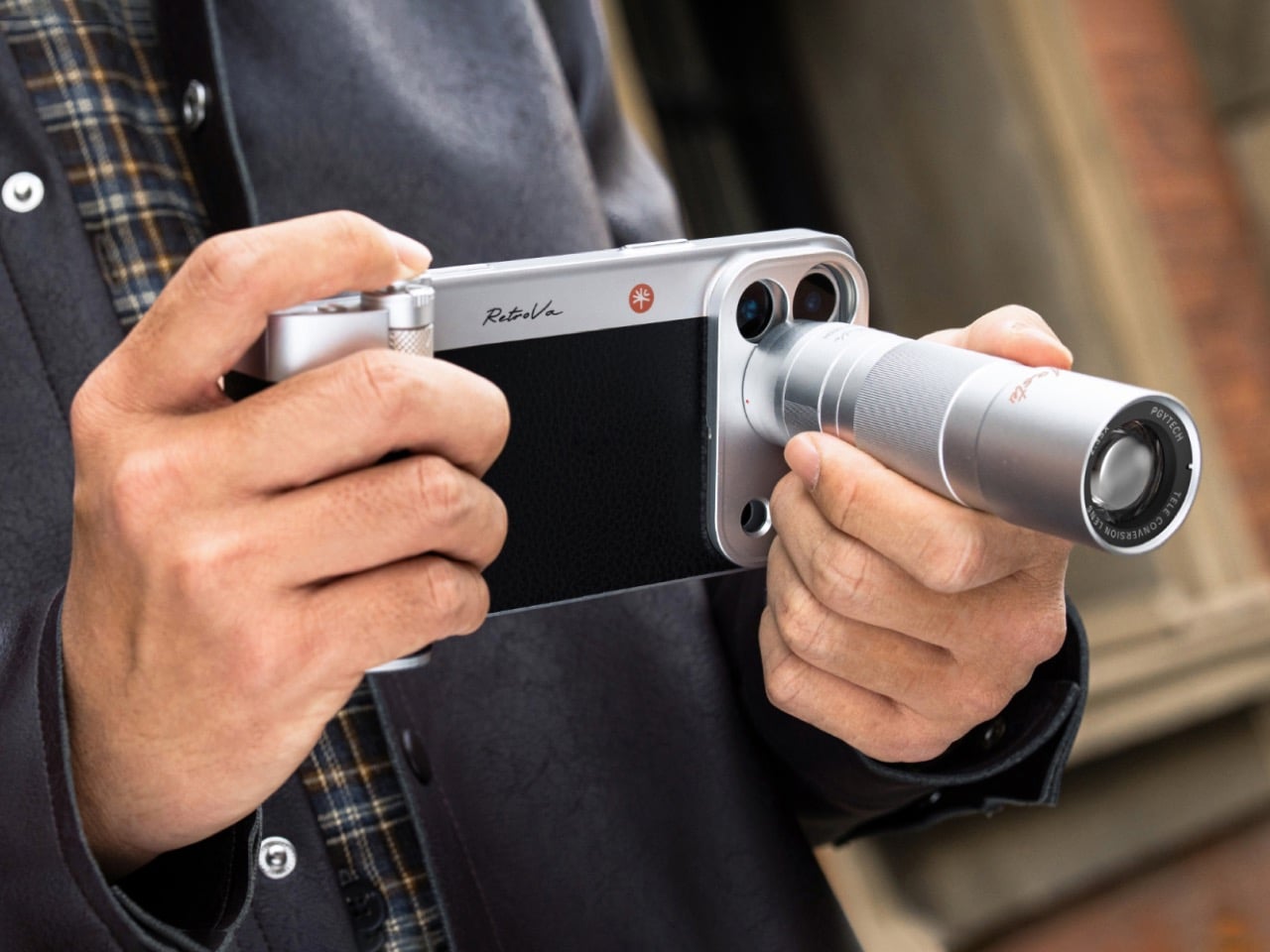
1 month agoLeica and Xiaomi Built a Phone With a Rotatable Camera Ring - Yanko Design
The Leica Leitzphone introduces a rotatable camera ring for deliberate, tactile control over focal length, focus, and bokeh, challenging touchscreen-only smartphone photography interfaces.
Gadgets
fromThe Verge
1 month agoHonor's Robot Phone is a bad robot, an interesting camera, and maybe your friend
Honor's Robot Phone features a 200-megapixel gimbal-mounted camera that unfolds from the back, offering stabilized video, 360-degree rotation for selfies, and AI-powered subject tracking capabilities.
fromThe Business of Fashion
1 month agoThe Social Media Trap
Instagram's new 'Shop the Look' feature and recent algorithm shifts highlight the vulnerability of social media reliance, where creators fear brand dilution from automated tags while companies like Oddity faced a massive stock drop due to the instability of rented social spaces.
Fashion & style
Social media marketing
fromFstoppers
2 weeks agoShowcase Photography on Instagram in 2026 | Fstoppers
Instagram's algorithm has fundamentally shifted away from static photography, requiring photographers to adapt their content strategy and embrace storytelling to maintain audience reach and engagement.
Social media marketing
fromCurtis Sliwa & Larry Mendte In The Morning
2 weeks agoThe Pros And Cons Of Major Social Media Apps | 710 WOR | Curtis Sliwa & Larry Mendte In The Morning
Discord and similar social media platforms face criticism for inadequate monitoring of private communications, enabling both harmful activities like terrorist recruitment and positive community building.
Gadgets
fromZDNET
1 month agoThis gimbal-stabilized camera phone is the most bizarre thing I've seen at MWC so far
Honor's Robot Phone features a gimbal-stabilized pop-out camera for stable 4K video recording and AI-powered real-time assistance, offering practical functionality beyond traditional foldable phones.
Social media marketing
fromAnimals Around The Globe
2 weeks agoThe Animal Personality That Captures Your Social Media Style
Social media usage patterns reflect animal personality archetypes, with traits like extraversion and neuroticism determining posting styles, engagement levels, and online presentation strategies.
Social media marketing
fromWE AND THE COLOR
2 weeks agoBest Instagram Layouts for Editorial Social Media Templates
RedGiant's Instagram template pack applies high-end fashion publishing aesthetics to social media, prioritizing typography and editorial grid systems over typical marketing template conventions.
fromThe Verge
1 month agoThe Galaxy S26 is a photography nightmare
The new camera features, on the other hand, are neither of those things. They're something worse. Something scarier. On this episode of The Vergecast, Nilay and David discuss the new phones, then dive into the ways in which the S26's AI camera features seem to be clearly designed to change the whole idea of what happens when you try to take a picture.
Gadgets
Social media marketing
fromwww.socialmediatoday.com
3 weeks agoInstagram tests links in post captions for paying users
Instagram is testing the ability for Meta Verified subscribers to add links to post captions, a long-requested feature previously resisted by the platform, to boost subscriber growth and generate revenue for AI development.
fromPetaPixel
1 month agoGoogle's Pomelli Photoshoot Feature is Here to Hammer Nails into the Coffin of Photography
Introduced yesterday, Photoshoot uses Google's powerful generative AI tools, including Nano Banana, to create "professional" images of a product. Users simply click on 'Create a Product Photoshoot' and upload a photo of their product. It can be any photo, no matter how bad. "Don't worry about polish - we'll take care of it," Google says facetiously. From that user-generated image, Photoshoot will create various shot templates, including 'Studio', 'Floating', 'Ingredient', and 'In use'.
Marketing tech
fromThedrum
3 weeks agoWhy your social content should make people curious
It's our job to be translators of science so people understand what's happening and why it's so important. It's a global ocean. Just because something's happening in one place, doesn't mean it's not going to have an effect elsewhere in the world.
Social media marketing
fromHer Campus
3 weeks agoIs Social Media Creating Micro-Celebrities?
The rise of TikTok and YouTube has dramatically changed the lives of content creators by turning social media into a legitimate career path rather than just a hobby. These platforms allow ordinary people to build massive audiences without traditional media connections, often through algorithm-driven exposure.
Social media marketing
Marketing tech
fromThe Drum
1 month agoWhy vertical video content is helping news publishing stay the right side up
Advertisers should use the open internet and vertical video, prioritizing content quality and consumption behavior over exclusive social-platform spending to boost attention and performance.
Social media marketing
fromwww.socialmediatoday.com
1 month agoInstagram introduces thumbnail post editing for grids
Instagram now allows users to edit thumbnail images and customize profile grid presentation, giving marketers and brands greater control over how their content appears and attracts engagement.
fromGSMArena.com
2 months agoWhy Camera Hardware Is Back at the Centre of Smartphone Photography
In recent years, smartphone photography has become increasingly dominated by software. Computational imaging, AI processing, and post-capture optimisation now play a central role in how images are produced. Yet as these techniques become more widespread, camera hardware is once again emerging as a key differentiator. The REDMI Note 15 Pro 5G Series reflects this shift clearly, placing renewed emphasis on sensor capability and optical fundamentals rather than relying solely on software to define image quality.
Gadgets
Social media marketing
fromwww.socialmediatoday.com
1 month agoInstagram opens up content scheduling to all users
Instagram expanded creator tools to all public accounts, including insights dashboard, content scheduling, and trending audio access, with additional features unlocking at specific follower thresholds.
fromGSMArena.com
1 month agovivo is working on a vlogging camera to compete with the DJI Osmo Pocket line
DJI's Osmo Pocket 3, launched back in 2023, has been an incredible hit with vloggers and YouTubers, thanks to its good video recording quality, gimbal stabilization, and pocketable form factor. DJI is expected to come out with a highly anticipated successor any day now, but in the meantime it looks like it's getting some new competition. vivo has confirmed to Chinese media outlets that it is working on a vlogging camera of its own.
Gadgets
fromThe Verge
2 months agoThe telephoto is the only phone camera that really matters
Samsung's Galaxy S20 Ultra wasn't the first phone to feature a periscopic telephoto lens - both Huawei and Oppo beat the Korean company to it - but it was the first in the US to make such a big deal about it. Almost all of Samsung's marketing for the S20 Ultra centered on its so-called Space Zoom, its 5x optical folded periscope lens, capable of digitally zooming much further.
Gadgets
fromwww.socialmediatoday.com
1 month agoMeta's Experimenting With a New Image Sharing App
But Meta has confirmed that it is internally experimenting with a new, separate app called Instants, which would enable users to share quick snaps with their connections. As displayed in this listing, which was shared by app researcher Alessandro Paluzzi, among Meta's display of other apps (accessed via Instagram), there's a mention of Instants, which is not released publicly as yet.
Social media marketing
fromFstoppers
2 months agoMaking Money With Photography in 2026 Is Not What You Think
One of the first points is uncomfortable but practical: sometimes the fastest way into a new lane is a short, intentional stint working for free. Ranft frames it as an access trade when the door is locked, not a lifestyle, and he's blunt about using discretion so you don't get exploited. The emphasis is on choosing situations where the learning is real, the stakes are real, and the experience creates proof you can show later.
Photography
fromFstoppers
2 months ago11 Predictions for the Photography Industry in 2026
Forget the film camera revival that never quite materialized at scale. The defining hardware trend of 2026 will be the continued adoption of C2PA (Content Credentials) signing in camera bodies beyond the flagship tier. Leica and Nikon have been early movers here, with Sony engaged in the broader Content Credentials ecosystem. This year, we are likely to see signing capabilities expand from flagship and select professional models into higher-volume lines as implementation costs fall and workflow integration matures.
Photography
Photography
fromwww.theguardian.com
2 months agoThe boy's contented face, his red hair matching the pig's you couldn't plan for it': Kelli Radwanski's best phone picture
Remote-controlled iPhone photography captured a spontaneous morning portrait of five children and their pot-bellied pig, producing an unplanned, perfect shot.
[ Load more ]