#senan-mullen
#senan-mullen
[ follow ]
fromIndependent
1 week ago'You need to probably prepare yourself for the notion that you'll be broke': Mick Flannery on his parents' reaction to his career choice
"I haven't heard him sing yet," Flannery confesses, in answer to the burning question, when we sit down after a rehearsal in Nuns Island theatre in Galway.
London music
Arts
fromArtnet News
2 weeks agoHow the Yeats Sisters Turned Ireland's Saints Into National Icons
Lily and Lollie Yeats were revolutionary artists who shaped Irish national identity and visual culture at the turn of the 20th century, collaborating with prominent women artists through enterprises like Dun Emer Industries.
fromIndependent
2 weeks agoSinead Ryan: Why I don't begrudge the politicians off on their St Patrick's Day jollies
Freezing, knock-kneed and shivering in a tartan pleated skirt. A withering bunch of shamrock attached by safety pin to the only green jumper I owned, still damp from its overnight submersion and the splash of holy water from early mass. A grey, damp day, squashed up against a cold metal barrier since early morning, to 'get a good spot', a red line for my father.
Skiing


UK politics
fromIndependent
1 month agoFionnan Sheahan: Echoes of Dev in Micheal and Simon's purity test to keep 'criminals' out of the Dail - when it suits
Gerry Hutch's return to politics raises questions about voter choice and representation as the government considers banning TDs with criminal convictions.
Books
fromwww.theguardian.com
4 weeks agoPlan to turn Irish borderlands into Unesco region of literature'
A literary heritage initiative aims to rebrand the Ireland-Northern Ireland border as a Unesco region of literature, creating nine guided routes through 11 counties associated with major writers like Yeats, Beckett, and Heaney.
fromHyperallergic
1 month agoThe Irish Do It Best
The Irish government will give 2,000 artists unrestricted weekly stipends in a program officials described as a "recognition, at government level, of the important role of the arts in Irish society." After a successful three-year pilot, the Irish government made its basic income program for artists permanent. Similar pilots have been launched here in the United States, but they're supported primarily by the nonprofit sector.
Arts
fromwww.theguardian.com
4 weeks agoA Beautiful Loan by Mary Costello review a profound exploration of the inner life
From the outset, in the novel's prologue, Anna tells us she is determined to account for herself and her life. But we are to expect no ordinary narrative, concerned only with actual events, evidence-based or relying on historical data. No, Anna is interested in the climate of the psyche and the vibrations of the soul. Can it be that the very things we cannot quantify or rationalise are what make life meaningful?
Books
fromIndependent
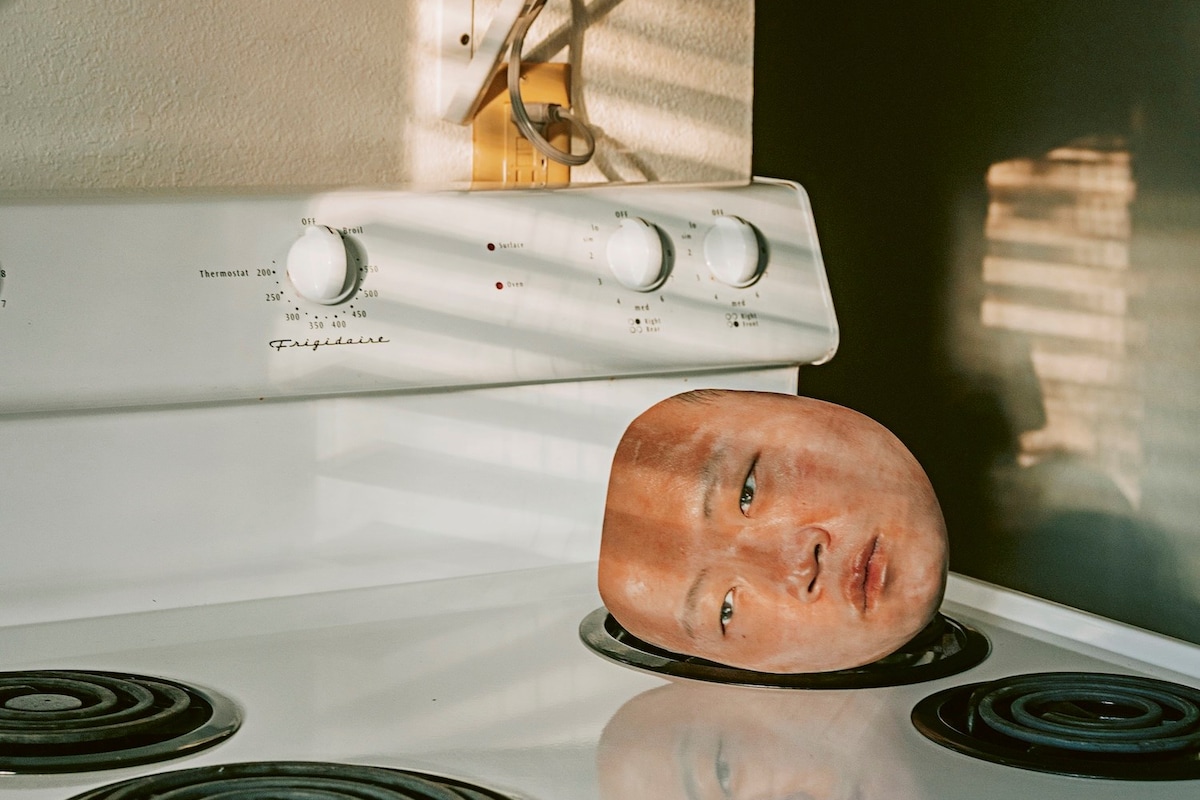
2 months agoAlison Spittle: 'I never felt the need to lie to people about how mentally ill I was, and I never felt the need to hate myself because I'm fat'
After a serious illness, the comedian decided to take her doctor's advice and lose weight. Here, she talks about her complex relationship with her body, the lifelong abuse she received because of her appearance and healing the inner hurt that weight-loss medication cannot address
Wellness
fromIndependent
2 months agoLiam Collins: My lifetime collection of 'stuff' might look like junk - but every piece has meaning
When you reach a certain age, one of the things you notice at the turn of the year is the "stuff" you have accumulated. Old newspapers, documents and books jostle with the detritus of life, from pieces of dead coral from Barbados to an old label that never made it onto a bottle of Guinness. I have spent the last decade preaching to my adult children, telling them to stop buying things.
Mindfulness
UK politics
fromIndependent
1 month agoDavid W Higgins: Morgan McSweeney's legacy is starting an open and honest conversation about immigration
Macroom hosts international protection applicants in former hotels; Riverside Park Hotel plans expansion while Penns Hotel was decommissioned in late 2025 amid local service-stretch concerns.
fromIndependent
2 months agoEilis O'Hanlon: Stick to praising Paul Mescal, Jessie - it's better than pontificating on politics
Buckley's tribute to her Hamnet co-star at the Critics' Choice awards was better than the preaching we often hear The identity of Jessie Buckley's husband is wrapped in more mystery than the whereabouts of the Ark of the Covenant, or why anyone watches Mrs Brown's Boys. It is known that his name is Freddie, that he is British (which is not his fault) and he works in mental health. His surname and age have never been revealed.
Film
from48 hills
2 months agoLive Shots: 'Finnegan's Wake' summons Irish ghosts to SF Mint - 48 hills
Finnegan's Wake: An Immersive Ghost Story, presented by 13th Floor Theater, plunges audience members into the beautiful, dysfunctional Finnegan-Plurabelle family. Scenic designer Treigh Buchet, lighting designer Meghan Schultz, and ephemera designer Michelle Josette Crashette transfigure the San Francisco Mint into an Irish family home on the banks of a mystical river. Audience members are free to explore the spaces before the show begins with libation in hand. When the dinner bell rings, the show commences.
Arts
Books
fromwww.theguardian.com
2 months agoCameo by Rob Doyle review a fantasy of literary celebrity in the culture war era
Perky, satirical portrait centred on a globe-trotting Dublin figure whose sensational life—crime, drugs, sex, espionage—and pettiness lampoon contemporary literary culture and celebrity.
fromwww.theguardian.com
1 month agoMore heartache than Hamnet?: Maggie O'Farrell's best books ranked!
The ghost of a previous lover is always a challenge, particularly if you (mistakenly) believe that she's actually dead. This is the unenviable situation for Lily, the protagonist of O'Farrell's second novel, who is swept off her feet by dashing architect Marcus and in short order moves in with him. Lily takes his assurances that her predecessor Sinead is no longer with us to mark a more permanent absence;
Books
fromwww.newyorker.com
2 months agoJoseph O'Neill Reads Light Secrets
Skip to main content Illustration by The New Yorker; Source photograph Michael Lionstar Listen and subscribe: Apple | Spotify | Google | Wherever You Listen Sign up to receive our weekly Books & Fiction newsletter. Joseph O'Neill reads his story Light Secrets, from the January 26, 2026, issue of the magazine. O'Neill is the author of a story collection and five novels, including Netherland, which won the PEN/Faulkner Award for Fiction in 2009, The Dog, and Godwin, which was published in 2024.
Books
fromJezebel
1 month agoJezebel's February Book Pick: A Story Collection About Living in the Shadow of the Troubles
Liadan Ní Chuinn was born in Northern Ireland in 1998, the year the Good Friday Agreement ended the Troubles, the decades of violence stemming from England's occupation of Ireland. Other recent fiction about the Troubles-the novels and Trespasses , the TV show Derry Girls (all excellent)-is set firmly in the last century, relegating the violence to history. Ní Chuinn's work does the opposite: Their new book of short stories, Every One Still Her e, is set in contemporary Northern Ireland.
Books
fromAnOther
2 months agoA Reading List by Ocean Vuong: Part One
Because, let's face it, creative work does require some form of faith. It is a tumultuous thing to launch an idea into a vast nothingness and hope that it makes a light bright enough to be found by others. Luckily, these luminaries were my light, and I hope they may become yours as well, and - more so - that these snippets lead you to more of their work.
Books
[ Load more ]