#settlement-outposts-formalisation
#settlement-outposts-formalisation
[ follow ]



fromwww.aljazeera.com
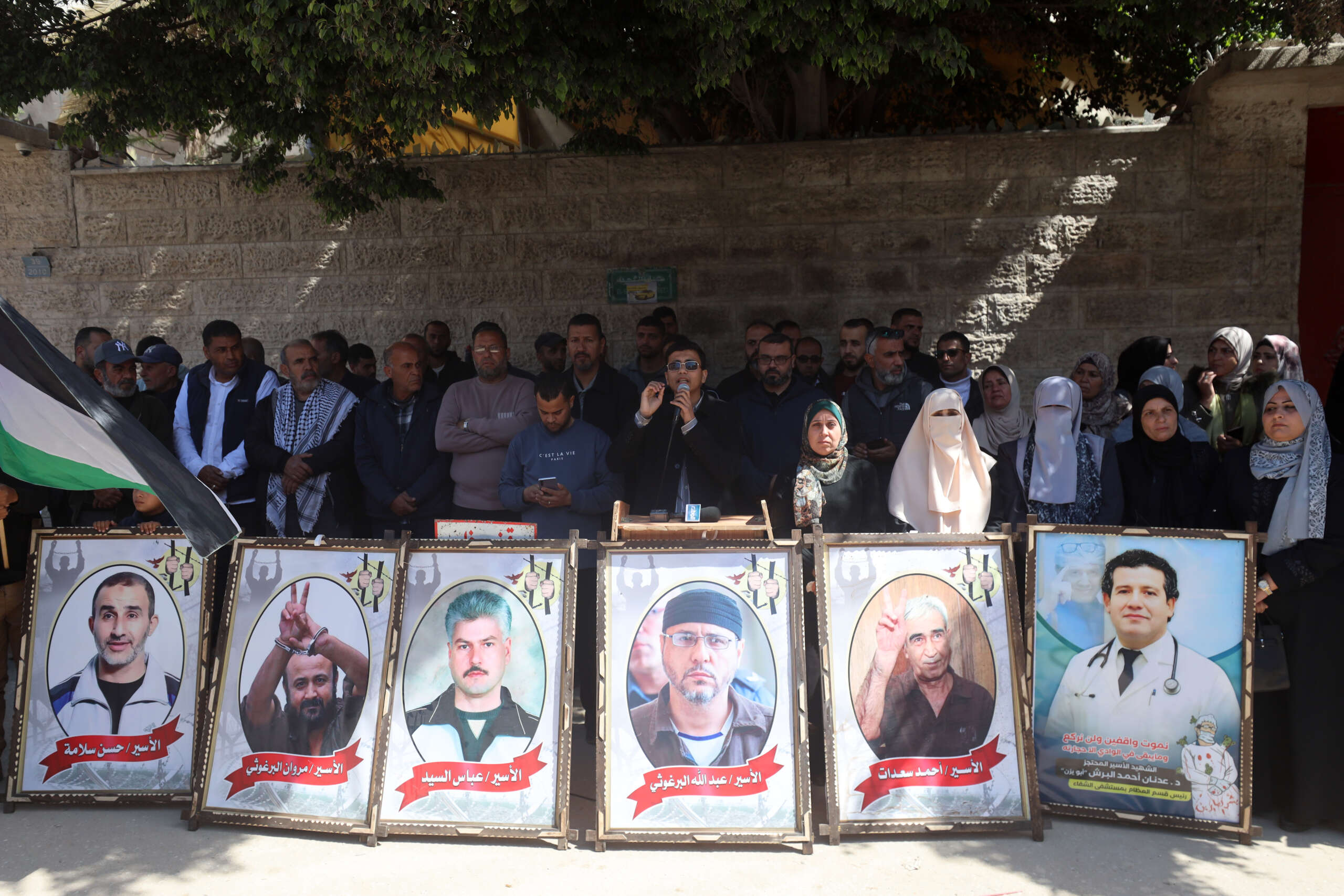
5 days agoLand Day in Gaza: Between memory and the fight for what remains
Sawsan al-Jadba describes her lost land as a deep wound in her chest, a nightmare she never imagined living through. Despite the destruction, she is determined to stay put with her daughters and grandchildren, cultivating her remaining plot again despite limited resources.
Agriculture
Soccer (FIFA)
fromESPN.com
2 weeks agoFIFA clears Israeli settlement clubs but fines IFA over breaches
FIFA fined Israel's soccer federation $190,000 for discrimination and racist abuse while rejecting Palestinian complaints about West Bank settlement teams, citing unresolved geopolitical complexities.
fromwww.businessinsider.com
1 day agoPhotos show life in Western Sahara, which has been dubbed 'Africa's last colony'
Western Sahara is the largest disputed territory in the world, designated by the United Nations as a non-self-governing territory, despite Morocco controlling about 80% of it.
World politics
#israeli-settlements


World news
fromwww.theguardian.com
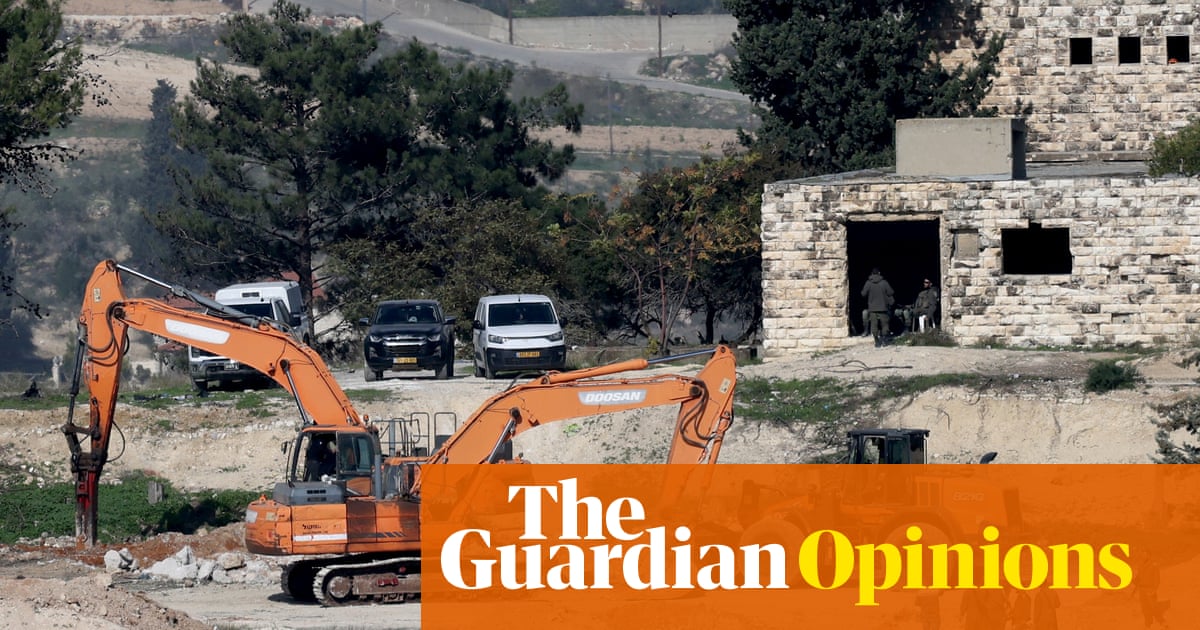
3 weeks agoSanctions on Israeli settlements are working even without the US
Sanctions on extremist Israeli settlers are demonstrably effective, as evidenced by protests against banking directives and continued pressure despite Trump administration rollbacks, providing a viable tool for nations to enforce opposition to the E1 settlement expansion.
#israeli-palestinian-conflict


World news
fromwww.theguardian.com
3 weeks agoIsraeli settlers and soldiers kill three Palestinians in West Bank village
Israeli settlers and soldiers killed six Palestinians in the West Bank during escalating violence, with attacks intensifying under cover of regional conflict while military-settler cooperation deepens ethnic cleansing operations.


World news
fromwww.theguardian.com
3 weeks agoIsraeli settlers and soldiers kill three Palestinians in West Bank village
Israeli settlers and soldiers killed six Palestinians in the West Bank during escalating violence, with attacks intensifying under cover of regional conflict while military-settler cooperation deepens ethnic cleansing operations.
World politics
fromThe New Yorker
3 weeks agoHow Israel Used the War in Gaza to Accelerate Settlements in the West Bank
Netanyahu's government accelerates West Bank settlement expansion and annexation while the Trump administration tacitly enables these policies through diplomatic recognition of Israeli settlements.
World news
fromwww.aljazeera.com
2 weeks agoIsrael carrying out mass expulsion of Palestinians' in West Bank, UN warns
The UN reports over 36,000 Palestinians forcibly displaced in the West Bank within one year due to Israeli settler violence and military operations, constituting unlawful mass transfer under international law.
World news
fromwww.aljazeera.com
2 weeks agoWhat the Iran war looks like from the occupied West Bank
While global attention focuses on Iran-Israel missile exchanges, West Bank Palestinians face ongoing settler violence, military raids, and daily restrictions amid falling shrapnel from regional conflict.

fromTruthout
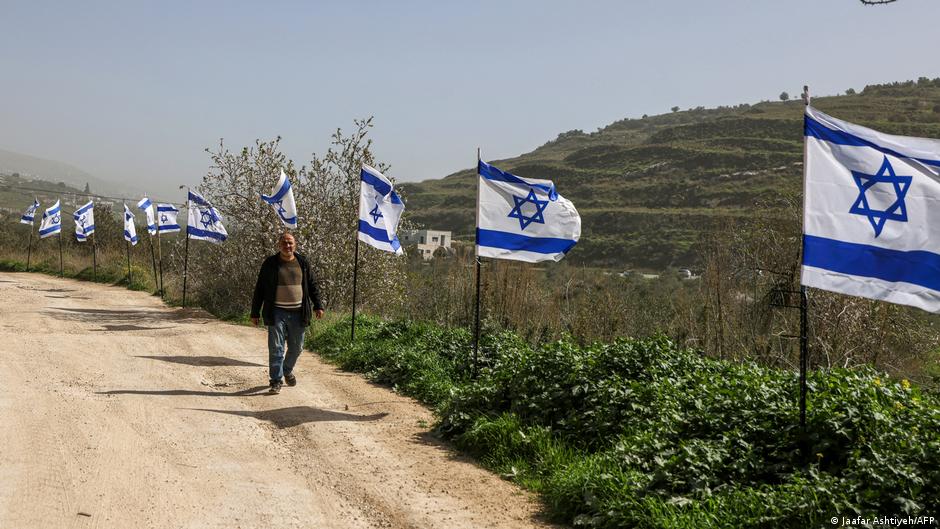
4 weeks agoAs the War on Iran Spirals On, Israel Further Blocks Movement Within West Bank
While the world's attention is on the U.S.-Israel-Iran war, the Israeli military has placed the West Bank under a functional lockdown. Checkpoints in and out of most major cities are closed, and Palestinians have been left to look for other travel arrangements. Some residents who spoke with Truthout said they traveled for hours through village back roads in an attempt to reach their destinations.
World politics



World news
fromwww.aljazeera.com
1 month agoAid groups petition Israeli Supreme Court as Gaza, West Bank work ban nears
Israel ordered 37 aid groups to halt operations in Gaza, West Bank, and East Jerusalem by March 1, prompting international organizations to petition the Supreme Court for emergency intervention.
fromwww.aljazeera.com
1 month agoThe quiet conquest of the West Bank and the death of the Oslo Accords
Through a new land registration drive, Israel is trying to secure through paperwork what warfare alone has failed to deliver. Israel always had a plan to annex more land in the occupied West Bank, and its actions prove it. This week, the Israeli cabinet approved a plan to claim Palestinian lands in the West Bank as state land. The proposal, pushed by far-right Israeli leaders, including Finance Minister Bezalel Smotrich, Justice Minister Yariv Levin and Defence Minister Israel Katz, emphasises Israeli supremacy over Palestinians.
World news
fromwww.dw.com
2 months agoHow Israeli settler violence empties Palestinian villages
"The harassment by Israeli settlers had become unbearable," said Rashid, a young mother, as she stood leaning on the metal doorframe of her home in Ras Ein el-Auja in the occupied West Bank. Nearby, a few suitcases and other belongings sat in the corner, neatly packed. "There is no safety left. We've been suffering for three years, but now the provocations increased," Rashid told DW, speaking of how settlers entered their home.
World politics
fromwww.aljazeera.com
1 month agoIsrael to restart land registration in West Bank. What that means
The Israeli government has approved a plan to begin land registration in the occupied West Bank, meaning it will be able to seize land from Palestinians who cannot prove ownership. For the first time since Israel's occupation of the West Bank in 1967, it will register such land as property of the state also known as settlement of land title in Area C of the occupied West Bank.
World news


fromwww.theguardian.com
2 months agoIsrael poised to start construction of bypass through heart of West Bank
Israel plans to start work next month on a bypass road that will close off the heart of the occupied West Bank to Palestinians and cement the de facto annexation of an area critical for the viability of a future Palestinian state. The road is a key part of the blueprint for a vast illegal new settlement in the E1 area east of Jerusalem, which would fragment the occupied West Bank.
World news
fromwww.aljazeera.com
1 month agoIsraeli plans deepen de facto annexation of occupied West Bank
The new measures, which aim to expand Israel's power across the occupied West Bank, will make it easier to seize Palestinian land illegally. We are anchoring settlement as an inseparable part of Israel's government policy, said Katz. Experts say it will fundamentally alter the civil and legal reality of the territory, removing what the Israeli ministers termed legal obstacles that have existed for decades against the expansion of illegal settlements in the occupied territories.
World news
fromwww.aljazeera.com
2 months agoRegavim': Israel's new Rafah border site carries coded annexation message
The Rafah border crossing between Gaza and Egypt has reopened partially for a few Palestinians after an 18-month closure in tandem with an added restriction to control the movement of returnees. The Israeli army has set up a checkpoint called Regavim in an area under its control outside the crossing for those entering Gaza from Egypt. As the first trickle of humanity passed through the gates on Monday, official Israeli military documents gave it a name that indicates the facility is no longer being treated as a border crossing but as an operation for population control.
World news
[ Load more ]