Everyday cooking
fromTasting Table
1 day agoSprinkling These Pantry Staples On Cucumbers Keeps Them Crunchy Longer - Tasting Table
Cucumbers can be kept crunchy by using salt and sugar to remove excess moisture before serving.
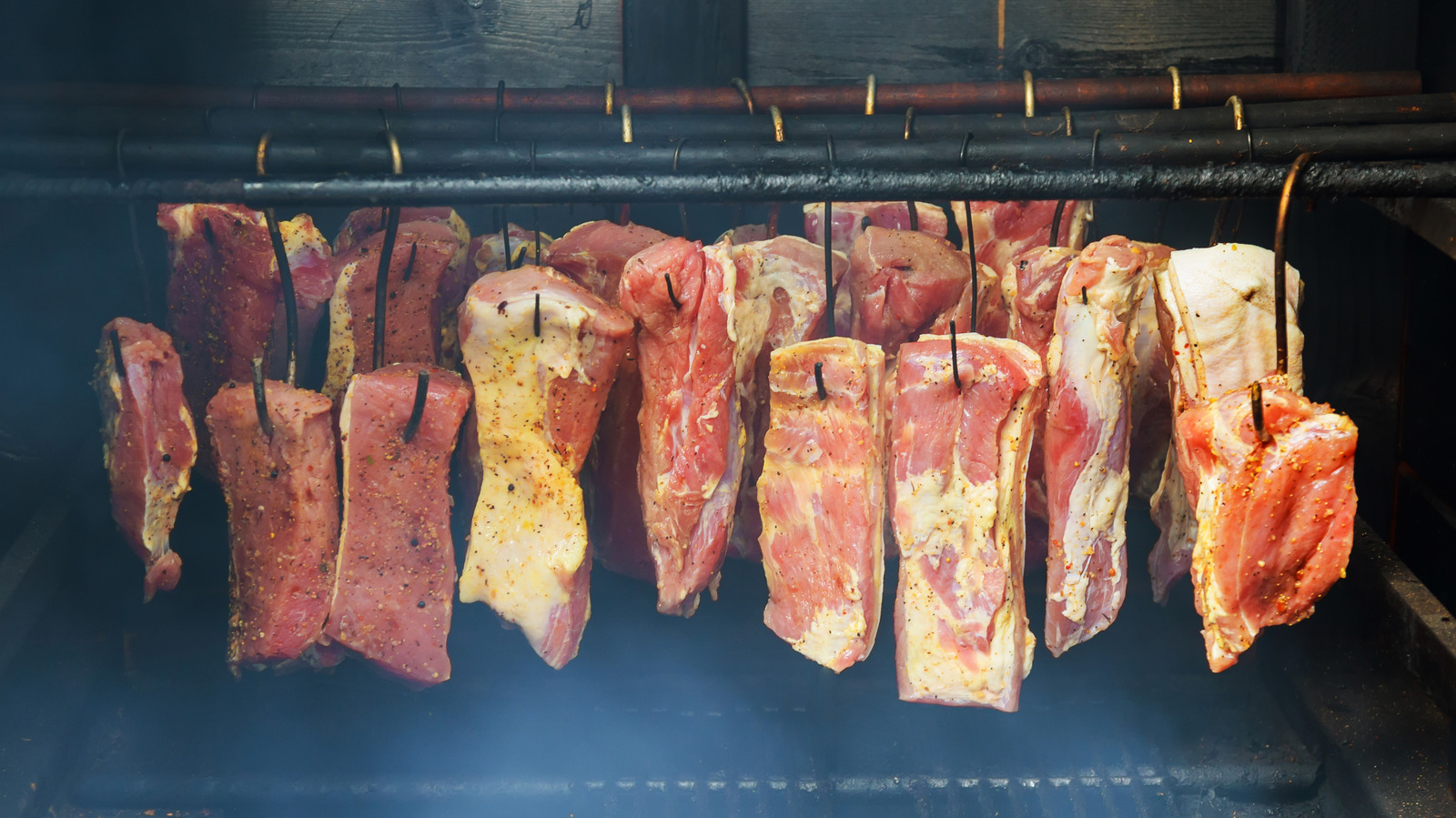
Meat is cured when it's introduced to sodium nitrite or nitrate. There are natural and artificial versions of this. Artificially cured meats are manufactured in a lab, where nitrite is added in precise amounts to prevent nasty bacteria like botulism from forming, as well as preserving the color and flavor.
Potato sprouts contain compounds (specifically glycoalkaloids like solanine and chaconine), which stick in the potatoes' skin and become toxic in the body when consumed in large quantities, leading to an upset stomach or indigestion. However, it's worth noting that potatoes already contain glycoalkaloids - the compound is just more concentrated in the sprouts.
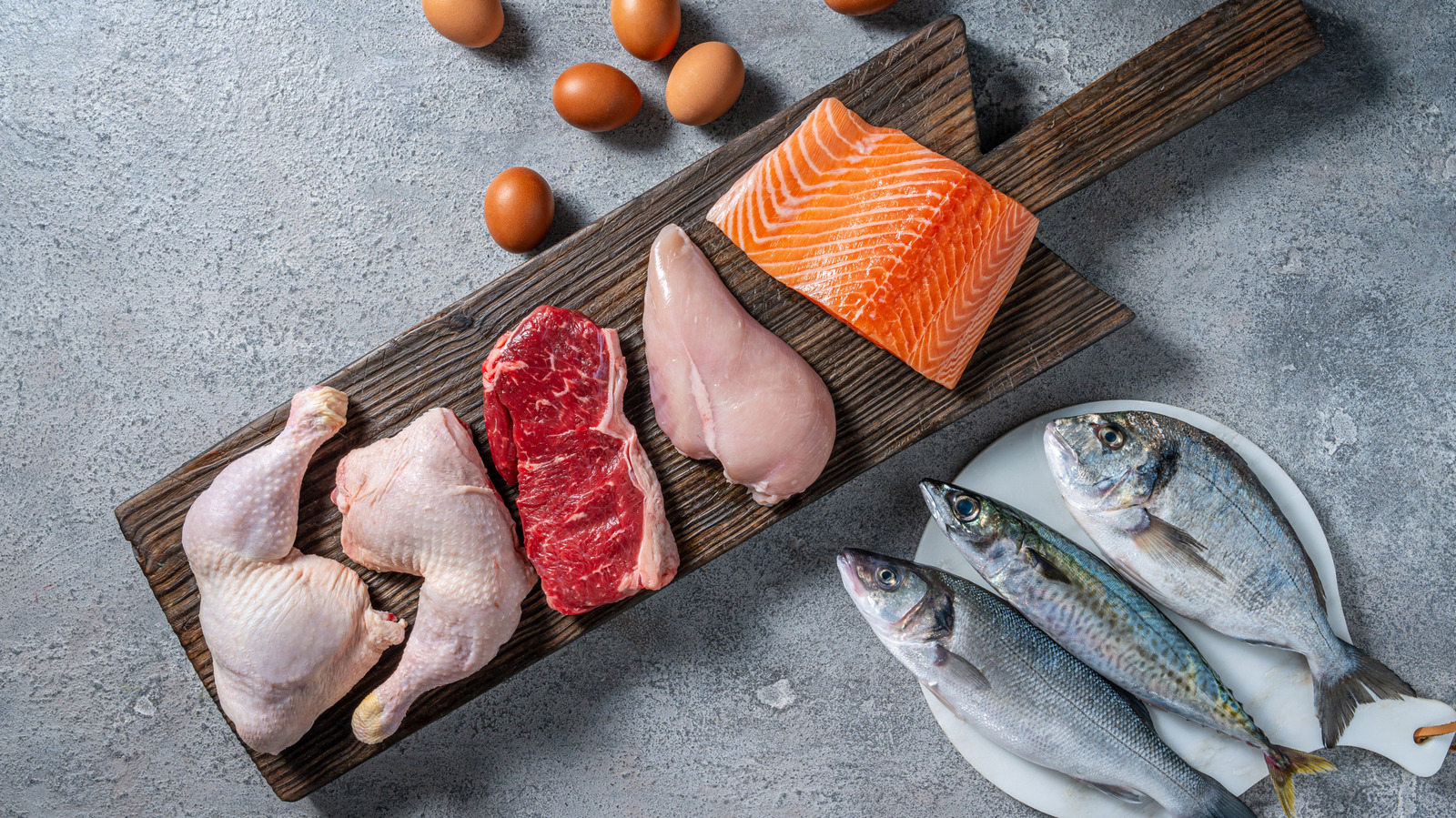
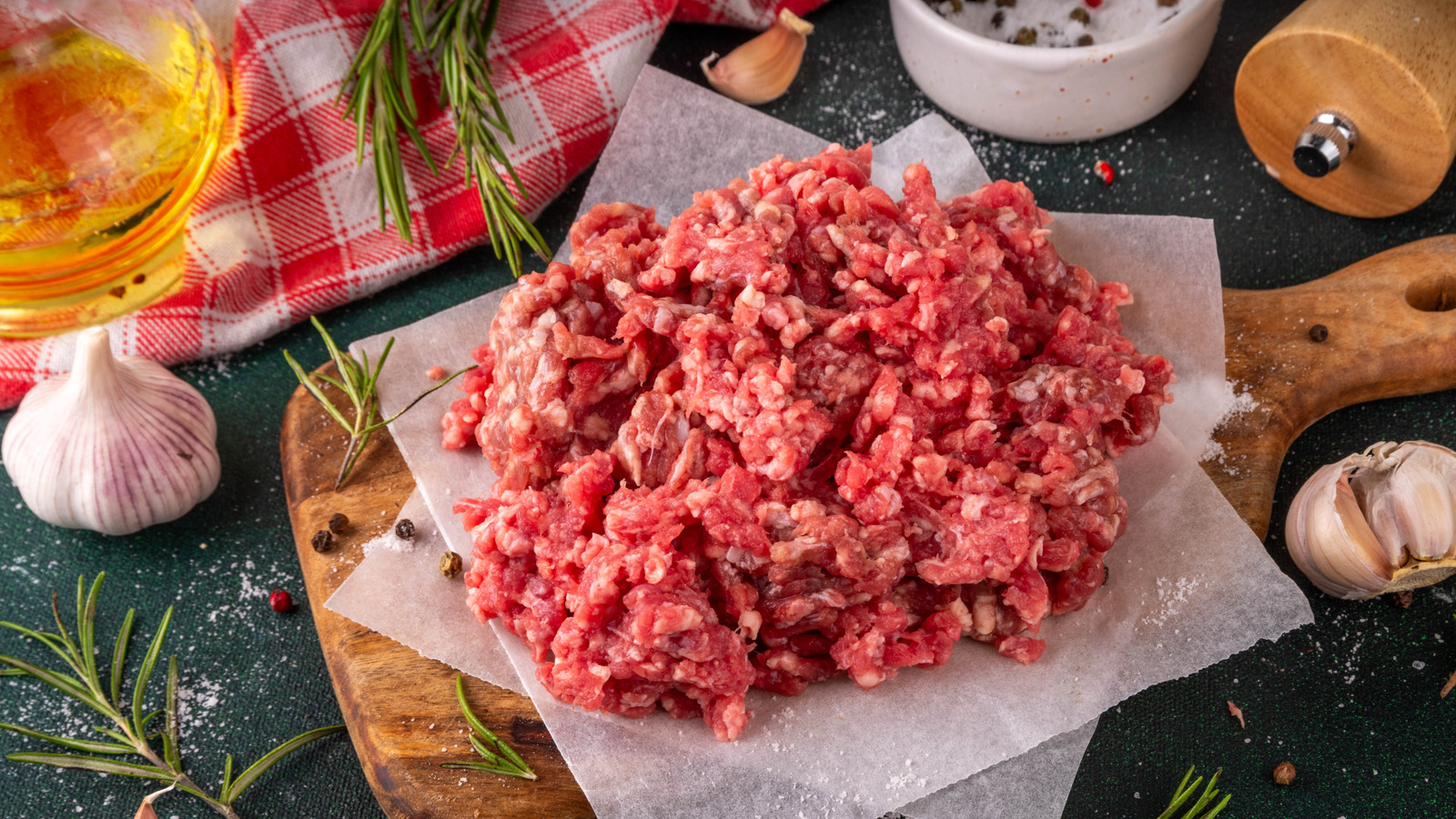
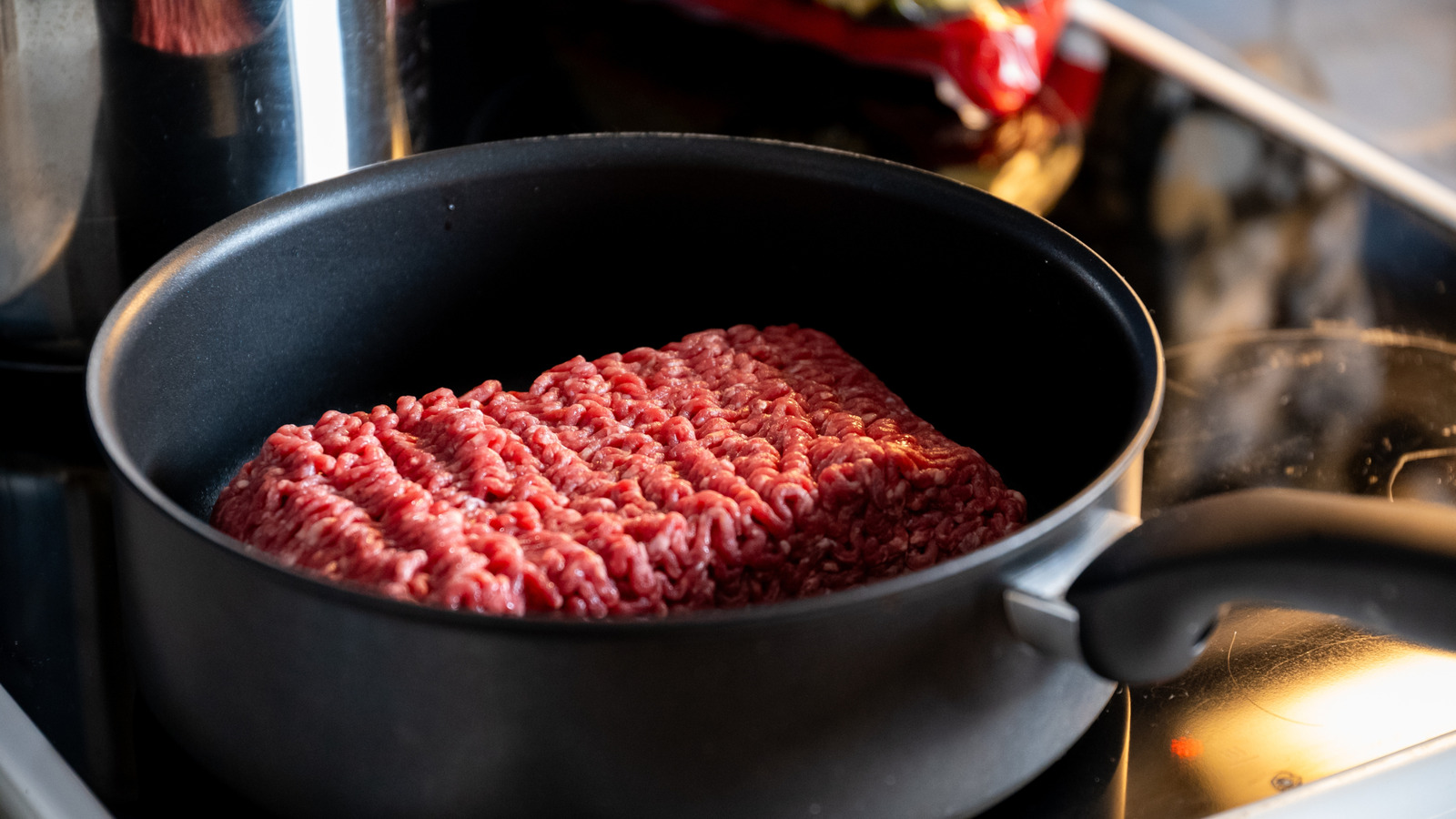
According to the United States Department of Agriculture (USDA), all ground meat, as well as poultry (even those with longer expiration dates) should be used or frozen within the first 48 hours of coming home from the store. Raw steaks, pork chops, and roasts can go a bit longer, at three to five days.
While some instant ramen can last up to two years, as a general rule of thumb, ramen products are dated six to 12 months out for best quality. Expiration dates are often generated through shelf-life studies conducted by food companies to determine how long dry goods retain their quality. This means sensory attributes, such as texture, taste, and smell.
Moisture is your best bet for keeping green garlic fresh and crisp long enough to elevate your dishes throughout the week. Just wrap it in a damp paper towel before placing it in a plastic bag for fridge storage (the crisper drawer should work). These steps should last it for about five to seven days.
These freezers operate under extreme thermal and electrical conditions. Exposure to subzero environments, high-powered compressors, and sensitive control systems creates risks that demand structured procedures. Facilities that rely on equipment like a freezer -40C, must apply disciplined handling standards to protect both staff and stored materials.
Ideally, you should use your coffee right away after grinding, as ground coffee starts to go stale faster than you'd think. "If using pre-ground coffee, it should be consumed within two to three days for the best flavor. After that, much of the flavor complexity and compounds will fade," Chan explained. While you might be able to extend that an another week or two, don't forget: the refrigerator isn't a good long term option for storing coffee.
You can't get much sweeter than marmalade, and this is most likely the reason for both Dagna and her son's success, despite their differing strategies. The chance of mould developing is low because there's so much sugar to balance the bitterness of the orange peel, says Camilla Wynne, preserver and author of All That Crumbs Allow. Mould needs water to do its thing, and sugar binds to water.
Lentils are an inexpensive source of protein, and they can take on many flavor profiles easily and without much effort. The tiny legumes are great in salads, but they really come alive when simmered with alliums, vegetables, spices, and a flavorful broth. Lentil soups and stews can be simple or extravagant, depending on how you garnish the soup, but they always make for a hearty, satisfying meal.
Exposure to air speeds up the browning exponentially. But a mason jar can extend the life of that banana, not just for a few hours, but for days. In fact, you could potentially store cut bananas for up to an entire month in a sealed jar without them turning brown. The key is to leave the peels on, seal the jar tightly, and refrigerate it.
Freezing seafood seems like it should be a two-step process: open freezer, put fish in, but it's deceptively unforgiving. Fish and shellfish are mostly water (just like us!), with delicate muscle fibers and comparatively low connective tissue, which means small mistakes in freezing technique have noticeable quality consequences once thawed. Unlike red meat, which has a dense structure and intramuscular fat to buffer damage, seafood can't hide any missteps,
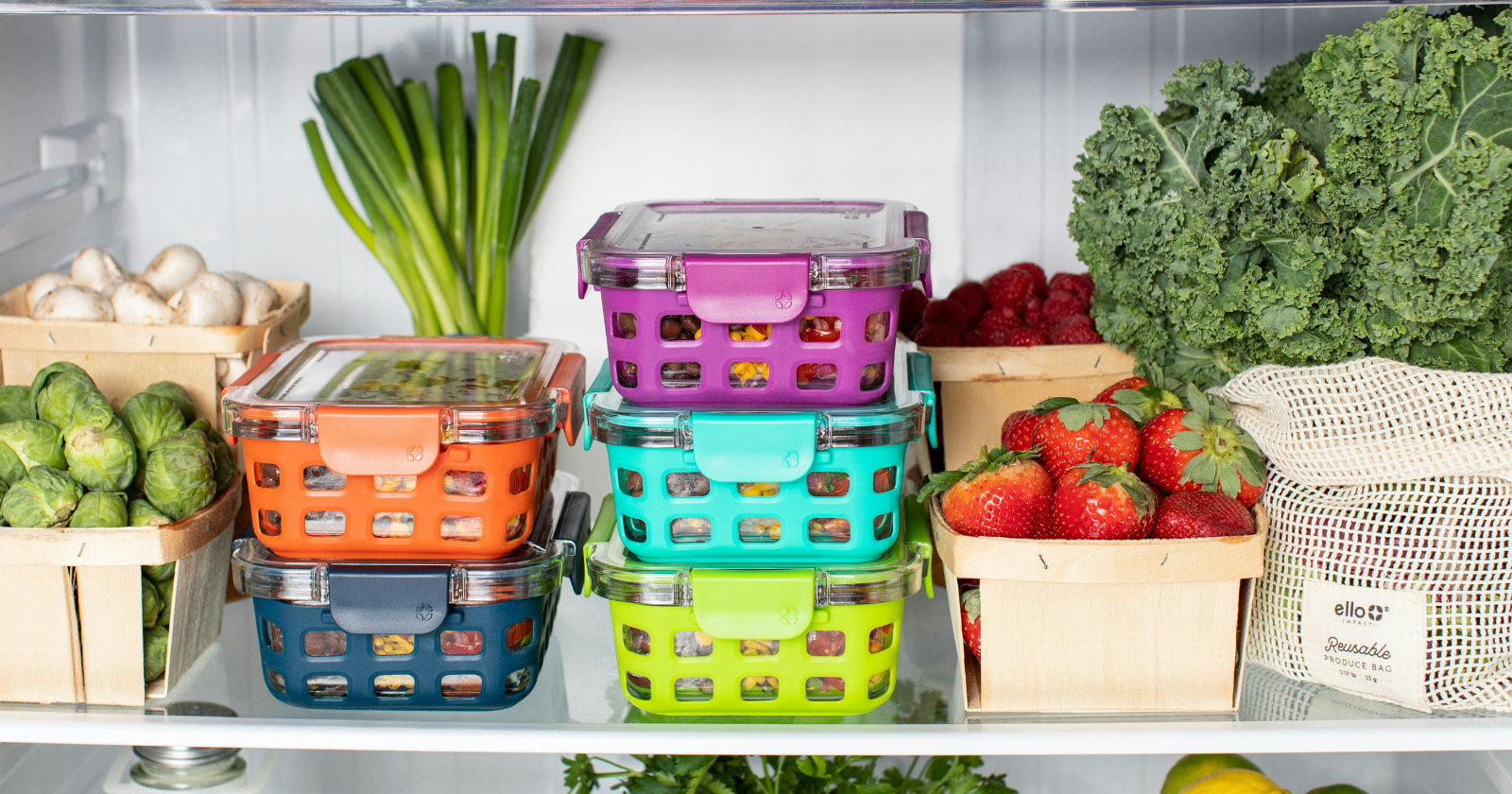
Plastic food containers are both cheap and convenient these days, offering cheap and simple storage solutions for leftovers in your fridge or dry items in the pantry. But they're not without their problems. Apart from figuring out how to organize those pesky plastic lids, the containers themselves may end up holding onto old food odors that make them unappealing to keep using.
Loading your fridge with frozen ice packs ahead of time can help keep it cool if the power shuts down, and grouping cold food together can help it stay cool even as the temperature warms. It also helps to have a separate cooler ready to move any perishable items into during a prolonged outage. But no matter how else you prepare, you should also stave off odors by using a sponge.
You probably already know that it's generally not a good idea to expose plastic - like food storage containers, for instance - to high temperatures. After all, it can cause chemicals in the plastic to leach into your food. It probably shouldn't come as a huge surprise, then, that it's also a bad idea to use plastic wrap under very high heat. This is because plastic wrap melts very easily when exposed to high temps,
I can't help but think of this time a year ago when I was looking forward to a party we'd planned. I didn't know it was the last one we'd host for so long. When I look back at what I cherish and miss the most about what we did during pre-pandemic life, gatherings small and large are high on the list.
Making homemade stock isn't just a sustainable exercise in zero-waste cooking; it's also (basically) free. By stashing stray vegetable odds and ends in a resealable gallon bag in the freezer, when stock o'clock strikes, home cooks will already have everything they need on hand. From onion scraps to bits of shallots, celery, carrots, leeks, mushrooms, herb stems, and even peels and roots, you can toss it all in the bag, and (later) into the stock pot.
Inspired by Auguste Escoffier's exceptionally simple tartare, I've given his recipe a zero-waste twist by using whole boiled eggs and swapping in pickle brine from a jar of gherkins or capers to replace the vinegar. Everything else is optional: tarragon, mustard, cayenne add what you like or have in store. Traditionally, tartare sauce is delicious with fish and chips, calamari or in a chicken sandwich, but I also like it tossed through potato salad with tinned sardines and radicchio.