Everyday cooking
fromTasting Table
19 hours agoInstantly Transform Canned Soup With An Ingredient In Your Fridge - Tasting Table
Adding Greek yogurt to canned soup enhances flavor, texture, and protein content.
Iceboxes were large lined, insulated wooden cupboards built to store ice, food, and drinks. The ice would usually be placed on the upper shelf, with the food and drinks below, and the cool air from the melting ice would help to keep everything nice and chilled.
Scrub kosher salt into the surface of your stainless steel pan, says Wirecutter, citing the French Culinary Institute: This is 'a hack to create a slippery surface,' by filling in all the little microscopic cracks and ridges in the surface of the pan, so that you can cook eggs in the pan and they will not stick.
This design trend involves pops of color such as purples, pinks, teals, yellows - those bright, eye-catching colors thrown all around the dining room, the same way you would see them when you walked into fast food restaurants in the '90s. Retro lamps on the bar, wallpaper borders along the wall, or even vibrant painted cabinets are just a few of the things making a scene in the current dining room decorating space.
When you're cooking with meat, it's hard to go wrong with ground beef. The versatility of ground beef allows it to be used in far more dishes than steak, chicken breast, pork chop, or shrimp. Once it's ground up, the texture and the flavor lend themselves to countless applications. It may not be the perfect ingredient, but it's certainly in the running.
This isn't a traditional sandwich that is made on two pieces of bread stacked on top of each other with a filling in between. It's more of an open-faced sandwich that features a paste-like spread added to "circles of hot buttered toast." To make this vintage sandwich no one remembers anymore, you're instructed to grind two cups of fresh popcorn in a meat chopper (use a food processor for a modernized version),
In this cursed timeline of one alarming headline after another, I dream-on a daily basis-of shutting my laptop, plugging in some earphones, and diving headfirst into a steaming container of rotisserie chicken. (I have a whole rotisserie routine of arranging various sauce cups around the bird, which usually includes honey mustard, buffalo sauce, and ahem, Jezebel sauce.) But, alas, a new report by the Wall Street Journal has killed my high.
Not unlike pot roast, another Boomer generation classic, beef stroganoff transforms an unglamorous combination of stew meat and mushrooms into an elevated, rich, stick-to-your-ribs, Russian culinary institution. In fact, beef stroganoff's old-school, vintage feel was already centuries old by the time it became a Boomer favorite. The dish is named for the eponymous Stroganov family, nobility tracing back to 15th-century Imperial Russia who served as the viceroys of Siberia as contemporaries of the heralded Romanov family ("Anastasia" Broadway musical fans, rise up).
Some dishes have names that are designed to impress. Spaghetti Aquitania is one example, with a reference to a historic French region known for its wine and black truffles. If you saw it on a menu, you'd probably expect something luxurious and sophisticated, prepared with imported ingredients or fancy techniques. But pull out an old recipe card, and you'll realize that the dish is actually an unfussy vintage casserole made from extremely common ingredients. No labor-intensive prep or trip to the specialty grocer required.
In stark contrast to the much larger McDonald's menu of today, there were only nine items back then - no combo meals or anything, just à la carte options. The only food was a hamburger, cheeseburger, and fries, while for drinks you could get a Coke, root beer, "orangeade," coffee, milkshake, or just plain milk. The most expensive item on the menu was the milkshake, at 20 cents, while all the other drinks cost 10 cents, as did the fries.
Foodies, have you heard of 'grandma-core dining' or 'nonna-stalgia' yet? Well, according to Yelp's 2026 top 100 U.S. restaurants report, grandma-core is one of the hot new food trends you can expect to see in 2026. This particular trend entails restaurants embracing nostalgia and comfort. That means you, as the diner, would experience old-fashioned and traditional recipes, often made with simpler ingredients. You'll find these homey meals served in a cozy, whimsical setting.
Burgers are meant to be an easy meal, requiring little more than shaping ground beef into patties and cooking them to juicy perfection. While a basic burger always hits the spot, sometimes plain ground beef patties can become lackluster and boring. However, you may have a hard time finding inspiration to jazz up your hamburgers that doesn't require a lot of extra effort.
We may receive a commission on purchases made from links. With budget-conscious cooks turning to Depression-era recipes for inspiration and help stretching their grocery dollars further, vintage is what's for dinner tonight. One-pot meals are an excellent way to keep kitchen clutter and dirty dishes to a minimum while yielding a hearty batch of food sure to satisfy even the most picky palates. If you love poultry, cream sauce, and the comfort of a plate of noodles, look no further than the humble turkey tetrazzini.
It was joined by South African fish paste brand Redro, which emerged in the 1930s. Peck's anchovy-based paste originally became famous for its shelf stability and the fact that it would elevate a simple piece of buttered toast with its salty flavor. It has the consistency of a pâté and is packed with umami flavor. Folks still missing this condiment can purchase Peck's Anchovette on Amazon or try their hand at a copycat recipe.
Anthony Bourdain famously traveled to incredible, breathtaking places across the globe, sitting down to chat with an extraordinary number of people over a variety of dishes and delicacies. Some of Bourdain's favorite restaurants were in far-flung cities from Rome and Paris to Quebec, Tokyo, and Vietnam, but that's not to say that he didn't have some American favorites, too - especially when it came to the humble, old-school diner.
Campbell's advertised the fruit soup as an ultra-versatile secret weapon. It could be poured over cottage cheese, ice cream, or even meat as a sauce. It was a perfect addition to the Jell-O salads popular at the time. And it could be incorporated into desserts like chiffon pie. Not to mention its value as a standalone dish; Campbell's claimed a bowl of the stuff, hot or cold, in some fine dishware was about as classy and nutritious as it could get.
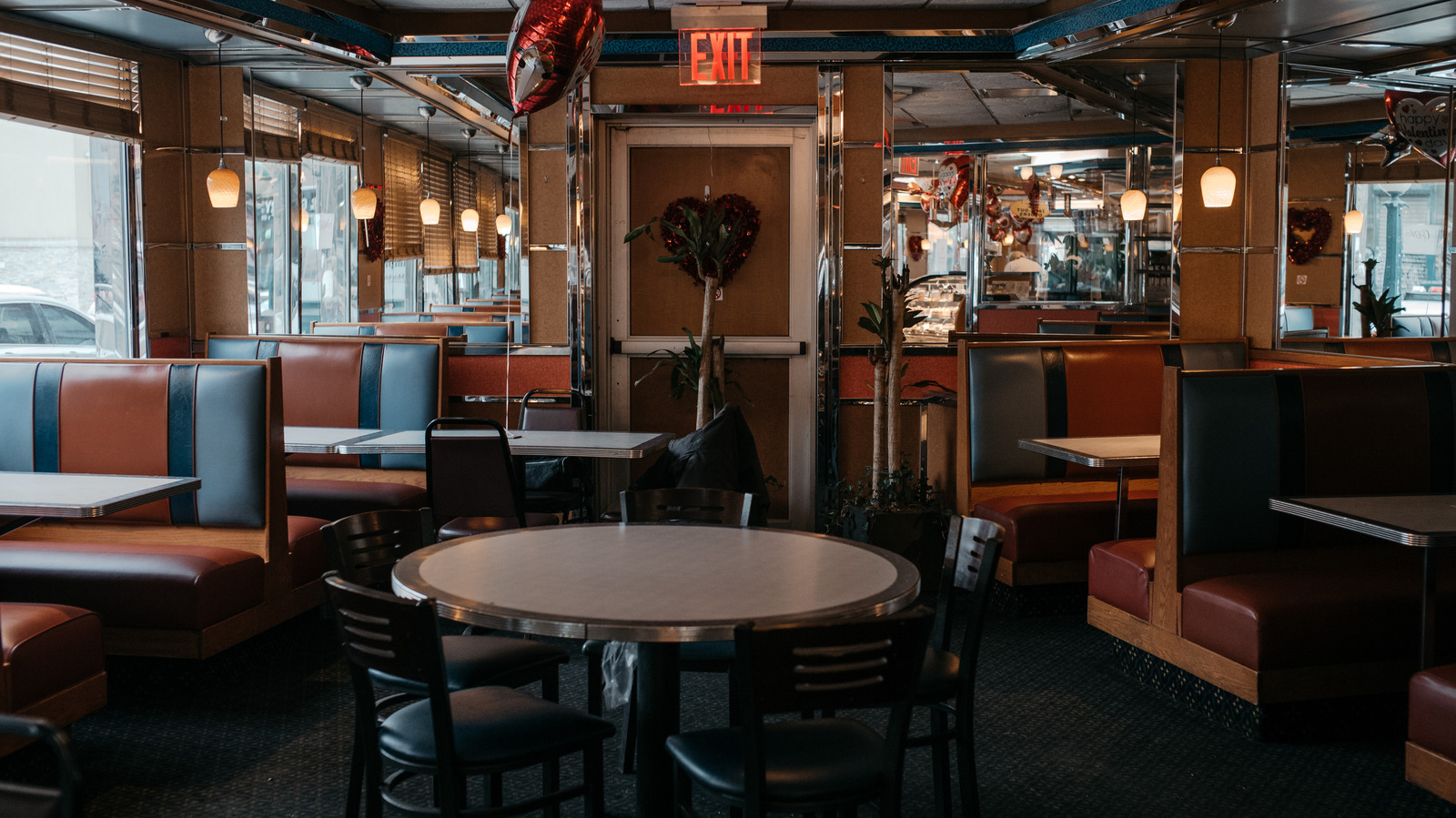
Chrome stools, bottomless coffee, and a menu filled with page upon page of classic comfort foods: Diners are quintessentially American. Diners nationwide have been recognized for their historic pasts, award-winning menu items, and high volume of positive reviews, making them must-stop destinations on any cross-country road trip. From decades-old landmarks like Tops Diner in New Jersey to no-frills lunch counters that have quietly become cultural icons in their respective towns, these are the most iconic diners in every state.
For much of the mid-20th century, cheese-based Jell-O salads were a familiar presence across the United States. The fluorescent salads wobbled proudly in decorative molds and Bundt pans, studded with edible chunks that could be stuck in, leading to creative combinations like pineapple and olives with nuts and maraschino cherries. These extravagant dishes typically utilized cottage cheese or cream cheese, folded into or layered with artificially fruit-flavored gelatin.
Is there anything better than pulling into a diner parking lot and seeing an "open" sign glowing in the window? Jonesing for a bottomless cup of coffee? You got it. Triple-decker sandwich with crispy french fries? Coming right up. Roasted turkey with all the fixings no matter what the calendar says? Just say the word. We combed the region for its homiest, most classic diners.