#shuya-kamikubo
#shuya-kamikubo
[ follow ]
fromYanko Design - Modern Industrial Design News
2 weeks agoCasio's special edition calculator handcrafted using traditional Japanese lacquering technique - Yanko Design
The S100X Urushi Edition, also known as The Special One, is a limited edition desktop calculator designed using a century-old Japanese Urushi lacquer technique.
Gadgets
Graphic design
fromItsnicethat
2 weeks agoThese emotionally charged illustrations are here to make your imagination wander
Xiao Hua Yang creates illustrations that blend digital and analogue techniques to suggest emotions through subtle imagery rather than explicit statements, prioritizing implication over explanation.
Typography
fromYanko Design - Modern Industrial Design News
3 weeks ago8 Best Japanese Stationery Finds So Clever You'll Question Why the Rest of the World Even Bothers - Yanko Design
Japanese stationery applies precision engineering to everyday writing tools, solving friction points others accept as normal through thoughtful design details.
fromColossal
2 weeks agoRestrained Emotions Simmer in Shinsuke Inoue's Tender Wood Sculptures
I have virtually no idea what the finished piece will look like until I actually begin working with the wood. As a result, the form often emerges as I carve, and I frequently change my plans midway through the process. Naturally, I keep the many failures a secret.
Arts
Renovation
fromYanko Design - Modern Industrial Design News
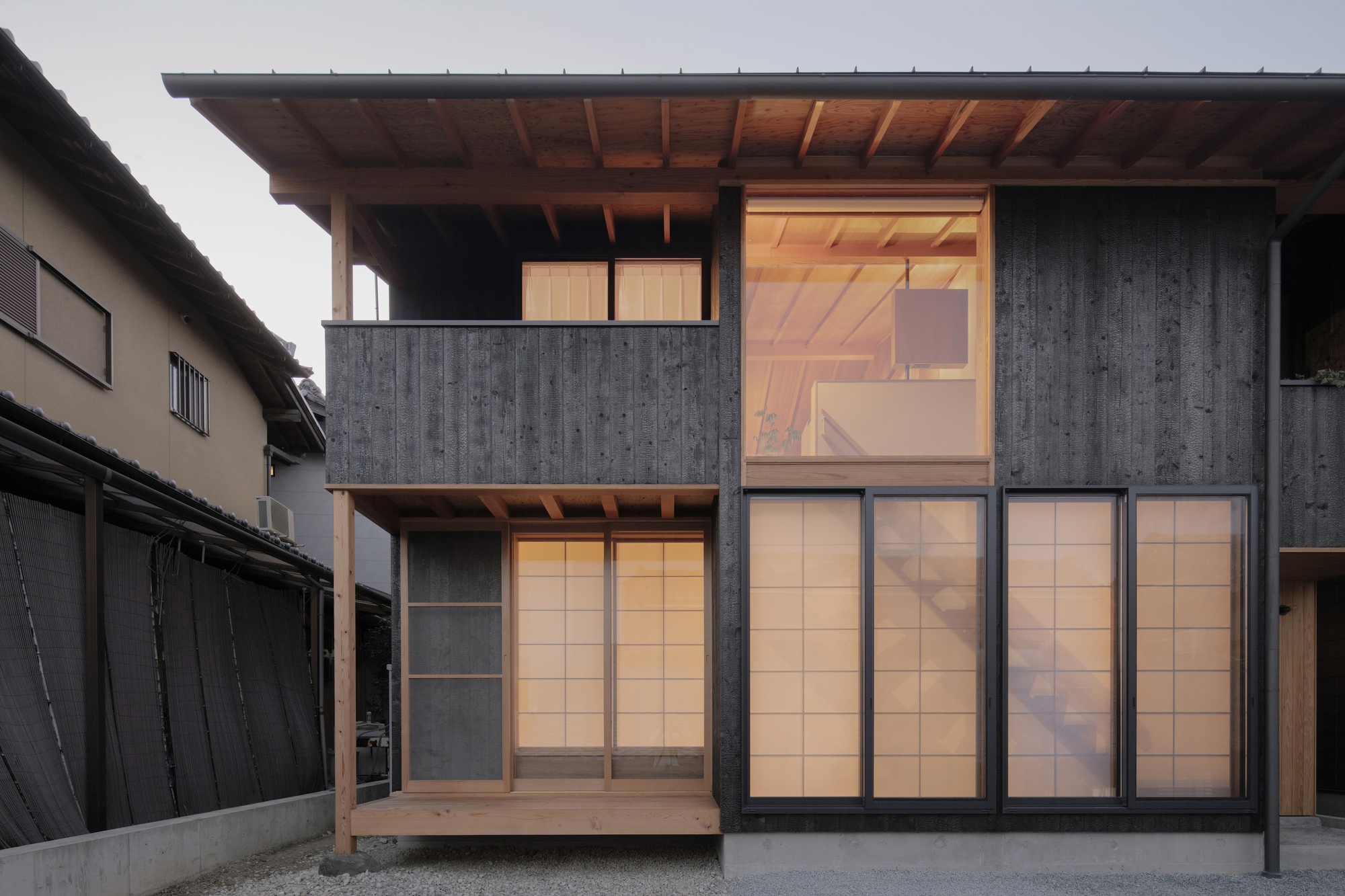
2 weeks agoThis Crumbling Kyoto Home Was Rebuilt as a Wabi-Sabi Sanctuary - and Every Detail Is Intentional - Yanko Design
A Kyoto renovation restores a traditional Sukiya residence by removing decades of alterations, creating livable spaces that honor historical principles while serving contemporary needs.
Design
fromYanko Design - Modern Industrial Design News
2 weeks ago8 Best Japanese Spring Home Upgrades That Make Tiny Rooms Feel Like a Wabi-Sabi Sanctuary - Yanko Design
Japanese design philosophy emphasizes deliberate minimalism where less means intentional rather than empty, achieved through functional objects rooted in craft traditions and spatial intelligence.
Travel
fromenglish.elpais.com
3 weeks agoJimbocho: Books, cafes and guitars in the coolest neighborhood in Tokyo (and the world)
Jimbocho, Tokyo's historic bookstore district with over 180 shops, combines literary heritage with contemporary appeal, attracting both trend-seekers and independent explorers through its diverse book culture and related businesses.


SF music
fromFuncheap
4 weeks agoShakuhachi Concert inside Japanese Tea Garden (Golden Gate Park)
Shakuhachi master Masayuki Koga performs traditional Japanese music at Golden Gate Park's Japanese Tea Garden Pagoda on March 7th, emphasizing spiritual connection and authentic listening beyond analytical control.
Graphic design
fromdesignboom | architecture & design magazine
1 month agoissey miyake crafts sunglasses with eight concave lenses inspired by japanese ceramic works
Issey Miyake Eyes releases UROKO sunglasses featuring eight concave lenses inspired by Japanese potter Shoji Kamoda's ceramic works, combining 3D printing with traditional craftsmanship aesthetics.
Design
fromYanko Design - Modern Industrial Design News
1 month agoJapan Just Solved Spring Home Refresh With 8 Minimalist Accessories That Make Your Space Feel New - Yanko Design
Small, restrained Japanese craft objects subtly reset and enrich interior spaces through texture, scent, sound, light, and purposeful minimalism.
Arts
fromJuxtapoz
1 month agoJuxtapoz Magazine - Takashi Murakami: Hark Back to Ukiyo-e: Tracing Superflat to Japonisme's Genesis @ Perrotin, Los Angeles
Takashi Murakami presents 24 new paintings tracing ukiyo-e's influence on Impressionism and exploring bijinga's global impact at Perrotin Los Angeles.
fromOpen Culture
2 months agoDiscover Ichi-go Ichie, the Japanese Art of Savoring Every Moment
The Bud­dhis­ti­cal­ly inflect­ed " ichi-go ichi‑e" is just one in the vast library of yoji­juku­go, high­ly con­densed apho­ris­tic expres­sions writ­ten with just four char­ac­ters. (Oth­er coun­tries with Chi­nese-influ­enced lan­guages have their ver­sions, includ­ing sajaseon­geo in Korea and chéngyǔ in Chi­na itself.) It descends, as the sto­ry goes, from a slight­ly longer say­ing favored by the six­teenth-cen­tu­ry tea mas­ter Sen no Rikyū, " ichi-go ni ichi-do " (一期に一度).
Mindfulness
fromFuncheap
2 months agoAtomic vs Satori
Come join us for the clash (more like a love-fest) of two beloved San Jose staple nights! Satori and Atomic have been putting on memorable dance parties in San Jose full of new and classic Goth, Darkwave, New Wave, Electro, Indie and Industrial for decades. For one night only, we unite to play all the bangers until you just can't dance anymore!
Music
fromdesignyoutrust.com
1 month agoThis Artist Creates Superhero and Comic Watercolors With Traditional Japanese Motifs
Justin Bieber for Calvin Klein Spring 2015 Ad Campaign In A Parallel Universe: Artist Exposes Sexism By Switching Up Gender Roles In Old-School Ads Russian Blogger Makes Parodies Out Of Celebrity Photos, And More Than 20,000 Followers On Instagram Approve 10 Famous Movie Titles Written Using Negative Space The World of Modern Graphic Design & Typography by Kyle Kemink Chinese Tech Companies Hiring 'Pretty' Girls to Motivate Male Employees by Chatting, Playing Ping Pong and Buying them Breakfast
Typography
fromPsychology Today
2 months agoKintsugi: The Japanese Art of Being Remade
Kintsugi 金継ぎ is known as the Japanese art of putting broken things back together, like broken pottery, using materials mixed with powdered gold and other elements. Instead of hiding damage, this technique celebrates the restoration of an object once viewed as broken, flawed, or imperfect. This same process can be seen as a metaphor for addiction recovery. Even for people with addiction who willingly choose recovery, there's an element of being remade that can't be ignored. Addicts often go through a period of denial.
Mental health
Gadgets
fromYanko Design - Modern Industrial Design News
2 months agoPilot Just Turned a 400-Year-Old Japanese Craft Into Living Art - Yanko Design
Arita porcelain vases coated with Pilot's thermochromic ink reveal a celadon glaze when heated, creating unique, time-based color transformations that return as they cool.
fromwww.theguardian.com
1 month agoFabric of memory: the artists turning secondhand clothes into monumental art
These clothes are not secondhand, says Yin Xiuzhen, the Beijing-born artist known for creating large-scale installations out of found garments and keepsakes. I prefer to call them used' or worn', she explains. Clothes that have been worn' carry a lot of information like a second skin, imprinted with social meaning. In some of Yin's works the clothes are her own, telling a personal story. In others, the clothes are collected, stained and stretched across towering steel frames resembling planes, trains or organic forms.
Arts
fromYanko Design - Modern Industrial Design News
2 months ago10 Best Japanese Stationery Items Under $100 Planners Obsess Over - Yanko Design
The stationery world has long looked to Japan for innovation, and planning enthusiasts know this better than anyone. Japanese design philosophy brings together minimalism, functionality, and thoughtful engineering to create tools that transform mundane tasks into moments of creative joy. These aren't just accessories that sit pretty on your desk. They're carefully crafted instruments that respect your workflow, elevate your planning rituals, and make every stroke of the pen feel intentional.
Gadgets
fromThe Conversation
2 months agoHow tourism, a booming wellness culture and social media are transforming the age-old Japanese tea ceremony
One of Japan's most recognizable cultural practices - the Japanese tea ceremony, known as chanoyu, or chadō - is being reshaped by tourism, wellness culture and social media. Matcha, the Japanese powdered green tea that is used during the ceremony, has entered the global marketplace. Influencers post highly curated tearoom photos, wellness brands market matcha as a "superfood," and cafés worldwide present whisked green tea as a symbol of mindful living.
Philosophy
fromAnOther
1 month agoChiharu Shiota, the Artist Making Human Connection Tangible
Known most for her large-scale artworks created from vast, intricate networks of thread, she developed her unique practice to make tangible the endless speculative configurations of human connections - something to be experienced rather than defined. But by asking her to describe her new exhibition, Threads of Life at the Hayward Gallery, I'm dragging her back into a reductive world of language. "If I wanted to express myself in words, if I could explain in words, I'd rather write," she says. "So I want to build visually, and I want to create visually. What I want to describe is beyond words."
Arts
fromYanko Design - Modern Industrial Design News
2 months ago7 Best Japanese-Designed Valentine's Gifts That Look $1000+, But Cost Half That - Yanko Design
Japanese design has spent centuries perfecting the balance between restraint and richness. These seven gifts embody that philosophy, where every material choice and geometric decision carries intention. From transparent polycarbonate that frames music like sculpture to hand-planted bristles that honor century-old brush-making techniques, each piece reflects the considered craftsmanship that typically commands luxury prices. The precision is palpable, the materials exceptional, yet the cost remains accessible.
Design
Gadgets
fromYanko Design - Modern Industrial Design News
2 months agoNaoto Fukasawa on Poetic Observation and Designing the realme 16 Pro Urban Wild - Yanko Design
Urban Wild Design transforms smartphones into organic, jewelry-like objects through bio-based textures and polished frames, reflecting settled optimal size and everyday emotional attachment.
Design
fromYanko Design - Modern Industrial Design News
2 months agoThis Japanese Cabinet Uses Real Forest Branches as Doors - Yanko Design
Adjustable cabinet uses sliding Japanese cypress branches to customize openness and privacy, combining reclaimed wood’s natural asymmetry with functional, responsive storage.
Design
fromYanko Design - Modern Industrial Design News
1 month ago5 Sushi-Inspired Designs For Japanese Product Fans That Look So Realistic You'll Want to Eat Them - Yanko Design
Sushi exemplifies minimalist design—clarity, precision, and restraint guide creators to prioritize essential elements and function for lasting, purposeful aesthetics.
fromdesignboom | architecture & design magazine
2 months agocontinuous steel rail traces shanghai showroom's sculptural interior, like a freehand drawing
The project is structured around a single continuous hanging rail that extends for nearly 100 meters, serving as both the primary display system and the organizing element of the space. In response to the constraints of the site, the design reconsiders the hanging rail as a spatial device rather than a fixed retail fixture. The rail adapts to existing walls, columns, and building services, bending, rising, and shifting in section as needed to navigate obstacles.
Design
[ Load more ]