#single-occupant-households
#single-occupant-households
[ follow ]
NYC real estate
fromwww.businessinsider.com
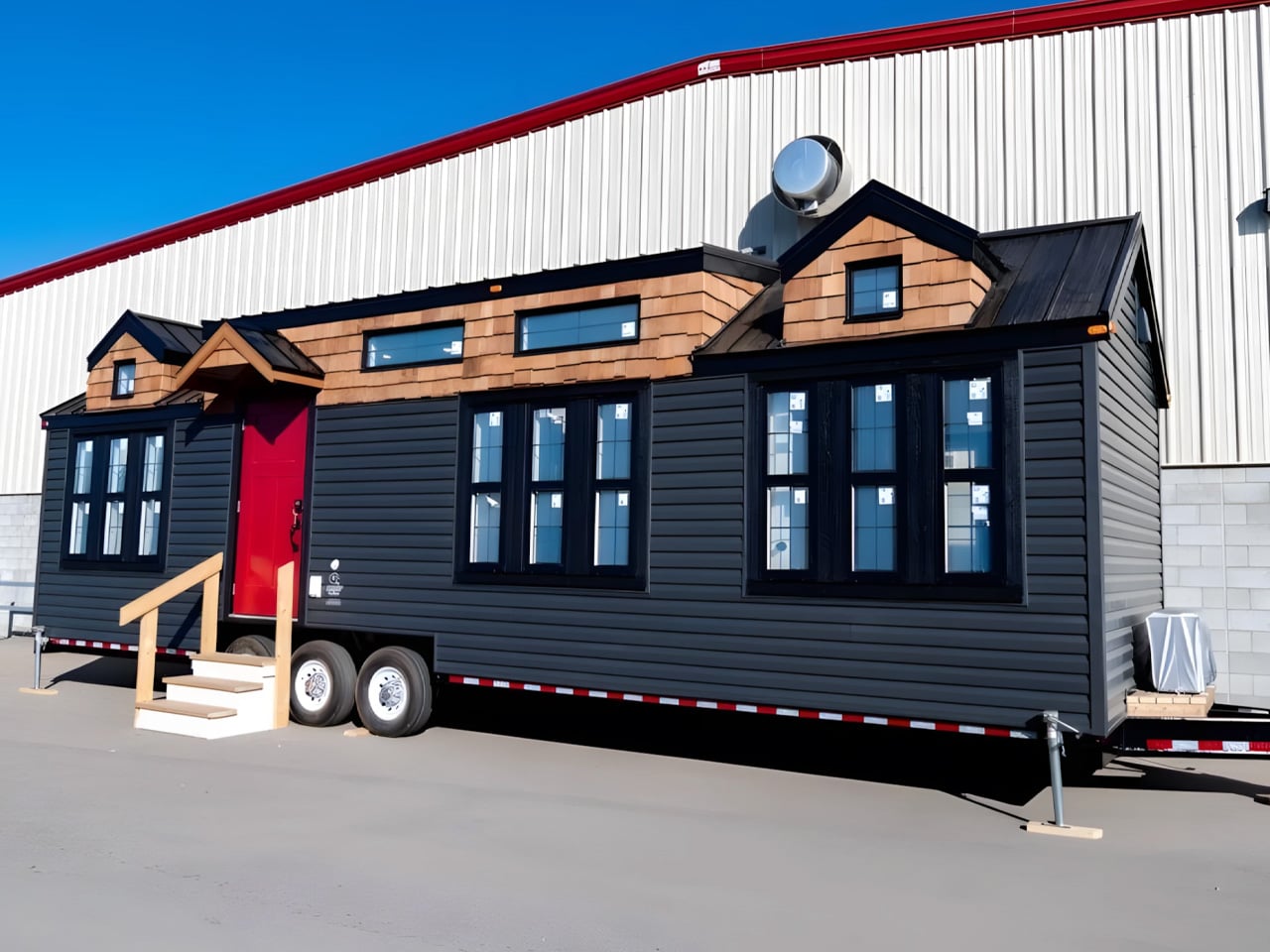
2 days agoWe bought a house that's too small so we could afford our dream neighborhood. A $300,000 third-party loan will help us renovate.
The Feinbergs purchased a small home in Wayne, Pennsylvania, and planned to expand it using RenoFi financing based on future value.


Silicon Valley
fromFortune
3 days agoGen Z fled San Francisco for Texas and Florida. Now they're turning 'welcomer cities' into the next big tech towns | Fortune
Younger workers are leaving San Francisco for more affordable 'welcomer cities' like Nashville and Orlando, seeking better work-life balance and job opportunities.
Parenting
fromFortune
5 days agoTwo-thirds of parents say their adult Gen Z kids still rely on them financially for support-even though it's putting them under strain | Fortune
Many Gen Zers rely on parental financial support, causing strain on both generations' finances amid a challenging job market and high living costs.
Careers
fromSilicon Canals
5 days agoThe most profound disconnect between boomers and younger generations isn't about avocado toast or laziness - it's that boomers inherited an economy designed to reward time invested, while millennials and Gen Z are navigating one that rewards attention captured, and the skill sets don't translate - Silicon Canals
Generational tension arises from differing economic realities between baby boomers and younger generations, affecting perceptions of work and success.
fromwww.businessinsider.com
13 hours agoA family of 4 lives in a 560-square-foot tiny home. Here's what they love about its design and what they'd change.
The Matranga family built a 560-square-foot tiny house for their family of four in 2022, experiencing both love and regret about its design after four years of living there.
Remodel


fromwww.bbc.com
1 week ago'Wildy unaffordable': The harsh reality of shared ownership
Riccardo and Simone Bertagna bought a 25% stake in a property valued at 440,000 through a housing association, feeling proud and accomplished. However, they later faced significant issues, including rising service charges and maintenance problems, which left them feeling trapped in an unsellable home.
London politics
NYC politics
fromwww.independent.co.uk
2 days agoZohran Mamdani wants to crack down on New York's bad landlords'. He has to find them
The Independent provides critical journalism on pressing issues, ensuring accessibility without paywalls, and supports community engagement through initiatives like rental hearings.
Relationships
fromBusiness Insider
3 weeks agoMy boyfriend and I live in a 500-square-foot apartment with another couple so we can afford New York City rent
Four young adults share a two-bedroom apartment in New York City to afford living costs while pursuing careers, navigating compromises and negotiations as the price of financial stability and community.
fromTravel + Leisure
1 month agoWhere Gen Z Is Moving in the U.S. for Jobs and Affordability
The top ZIP code Gen Z is moving to in 2025 is 55401, a central area of Minneapolis on the banks of the Mississippi River. Homes in the area are mainly made up of stylish condos and command a median house price of $372,500, which is lower than the average U.S. house price.
Upper West Side
Higher education
fromInside Higher Ed | Higher Education News, Events and Jobs
1 month agoThe Growing Gap Between Housing Need and Inventory (opinion)
College housing systems face operational strain from surging single-room accommodation requests driven by increased disability disclosures and privacy preferences, exceeding fixed inventory capacity.
SF real estate
fromFortune
1 month agoGen Z can't afford the American Dream-so they've traded homeownership for paying off debt. 'Their debt feels heavier because it hits earlier' | Fortune
Gen Z faces homeownership barriers due to high personal debt averaging $94,000, elevated mortgage rates near 7%, and home prices exceeding $403,000 while wages stagnate around $66,600.
Real estate
fromRedfin | Real Estate Tips for Home Buying, Selling & More
2 weeks agoHow Moving Trends Are Changing in 2026
Moving trends in 2026 show lower overall mobility but more intentional relocations driven by lifestyle, affordability, and family considerations rather than job changes, with the 'lock-in effect' keeping homeowners in place due to high housing costs and limited inventory.
#first-time-homebuyers
Real estate
fromwww.housingwire.com
2 weeks agoHow agents are helping young homebuyers beat fears, finances
First-time homebuyers purchasing by age 30 accumulate $119,000 more net worth by age 50 than those waiting until their 40s, yet median first-time buyer age has risen from 30 to 40 since 1990 due to affordability challenges.
Real estate
fromwww.housingwire.com
2 weeks agoHow agents are helping young homebuyers beat fears, finances
First-time homebuyers purchasing by age 30 accumulate $119,000 more net worth by age 50 than those waiting until their 40s, yet median first-time buyer age has risen from 30 to 40 since 1990 due to affordability challenges.
NYC real estate
fromwww.housingwire.com
2 weeks agoOlder Americans maintain record share of housing wealth
Americans aged 70 and older now hold over 26% of housing wealth, surpassing the 40-to-54 age group for the first time, while younger Americans struggle with affordability and delayed homeownership.



fromBusiness Insider
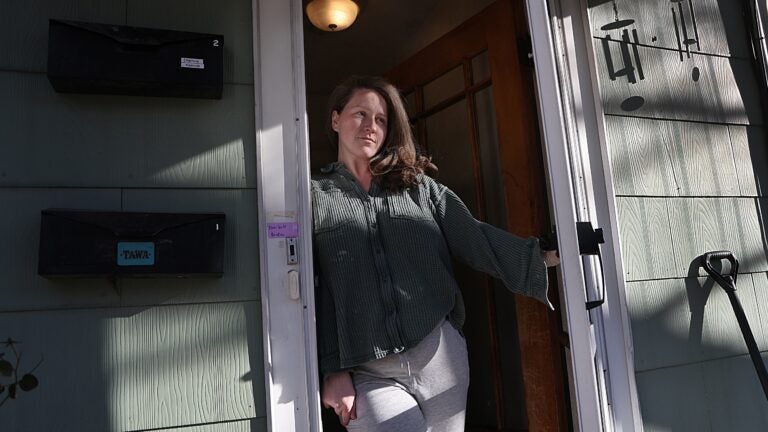
1 month agoI'm 27, don't own a house, have no kids, and am not married. My parents had all that by my age, so I don't feel like an adult.
I'm now older than they were when they had me. I'm turning 27 and, though I don't want children, it's sometimes difficult not to measure my life against theirs. They got married at 21. When I was 21, I was finishing my bachelor's degree in the middle of a pandemic. At 25, rather than having a child, I was moving in with my girlfriend, and we became cat parents.
Mental health
fromFast Company
3 weeks agoA simple reason it's getting harder to build rental housing
The cost rose a lot following the pandemic. And some of that was supply chain issues that really increased the costs, and then they didn't quite come back down. And now tariffs are also impacting some products. These costs are part of the reason the amount of new rental housing stock is shrinking.
Real estate
NYC real estate
fromFortune
3 weeks agoGen Z is defiantly 'giving up' on ever owning a home and is spending more than saving, working less, and making risky investments, study shows | Fortune
Younger generations are abandoning homeownership goals due to affordability crisis, leading to increased spending, reduced work effort, and risky financial decisions.
Real estate
fromFortune
3 weeks agoThe worst housing market in years couldn't stop single women from owning a record-breaking number of homes | Fortune
Single women own a record 20 million homes in the U.S., comprising 21% of home buyers and outpacing single men nearly two to one despite a slight decline in homeownership rate.
fromwww.housingwire.com
2 months agoWhat will bring first-time buyers into the 2026 housing market?
They have strong demand for the American dream of homeownership, but they're really just feeling left behind right now, Jessica Lautz, the deputy chief economist at NAR, said of first-time buyers. Homeownership is a way that many Americans build wealth and unfortunately they're just being pushed to the sidelines for a longer period of time and losing out on those wealth gains. They're also thinking about unique ways to enter into homeownership.
Real estate
fromFortune
1 month agoAmericans are so broke and housing is so expensive that 'rent now, pay later' is on the rise | Fortune
According to the Bureau of Labor Statistics, rents have jumped nearly 28% in past five years. Companies such as Flex, Livble and, more recently, Affirm, say breaking rent into multiple payments can help renters manage cash flow. But consumer advocates warn the products typically function like short-term loans, layering fees onto already strained budgets and, in some cases, carrying triple-digit effective interest rates - raising questions about whether they ease financial pressure or deepen it.
Real estate
[ Load more ]