#single-use-plastic-reduction
#single-use-plastic-reduction
[ follow ]
#sustainability #microplastics #environmental-impact #plastic-pollution #recycling #circular-economy




Deliverability
fromLondon Business News | Londonlovesbusiness.com
1 day agoPaper vs plastic: Choose mailing bags that support your growing e-Commerce brand - London Business News | Londonlovesbusiness.com
Choosing the right mailing bags impacts costs, returns, and customer satisfaction as ecommerce brands scale.

fromwww.theguardian.com
1 day agoThe water is no longer our friend': how dredging is pushing Lagos Lagoon towards ecosystem collapse photo essay
When you dredge sand at that scale without a proper assessment of its environmental impacts, it destroys or wipes out certain species, which harms fisheries and, ultimately, everyone who depends on them.
Environment
Alternative transportation
fromYanko Design - Modern Industrial Design News
3 days agoThis Hydrogen Business Jet Emits Nothing But Water and Could Change Private Aviation Forever - Yanko Design
Beyond Aero's BYA-I One hydrogen-electric business jet has completed its Preliminary Design Review, advancing towards commercial entry in 2030.
fromEarth911
2 weeks agoThe State of Polystyrene Recycling In 2026
The #6 symbol on the foam container only tells you what kind of plastic it is, not if it can be recycled. If you put it in the bin just because you see a number and the recycling arrows, it can actually contaminate your other recyclables, like paper, cardboard, and aluminum, and might cause the whole batch to be rejected.
SF food
Agriculture
fromEarth911
3 weeks agoConvenience Comes at the Environment's Expense
Fast delivery convenience carries significant environmental costs through packaging waste, carbon emissions, and resource consumption, but individual yard management choices can meaningfully reduce environmental impact at a local scale.
fromEarth911
3 weeks agoIs Shredded Paper Recyclable?
Shredded paper is especially difficult to recycle, so many programs will not accept it. Shredding accelerates fiber shortening and lowers the paper grade from high-grade to mixed-grade. Mixed-grade paper is still recyclable, but it ends up baled and processed into products like paper towels and packing paper.
Portland
fromWIRED
3 weeks agoA New Generation of Big Water Filters-Without the Plastic
Most water filter pitchers are made of BPA-free plastic. But as new research shows that bottled-water drinkers ingest tens of thousands of excess microplastic particles, wellness lovers have begun to look askance at water filters that are themselves made of plastic.
Beer
Fashion & style
fromEntrepreneur
3 weeks agoYour 'Organic' TShirt Still Hurts the Planet More Than You Think
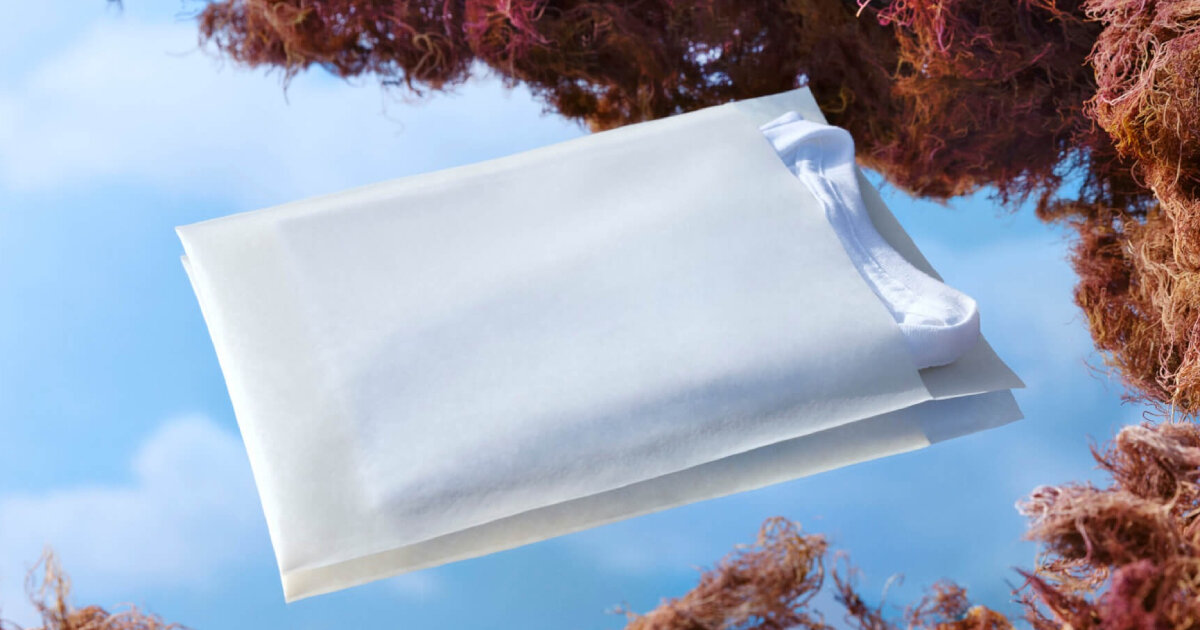
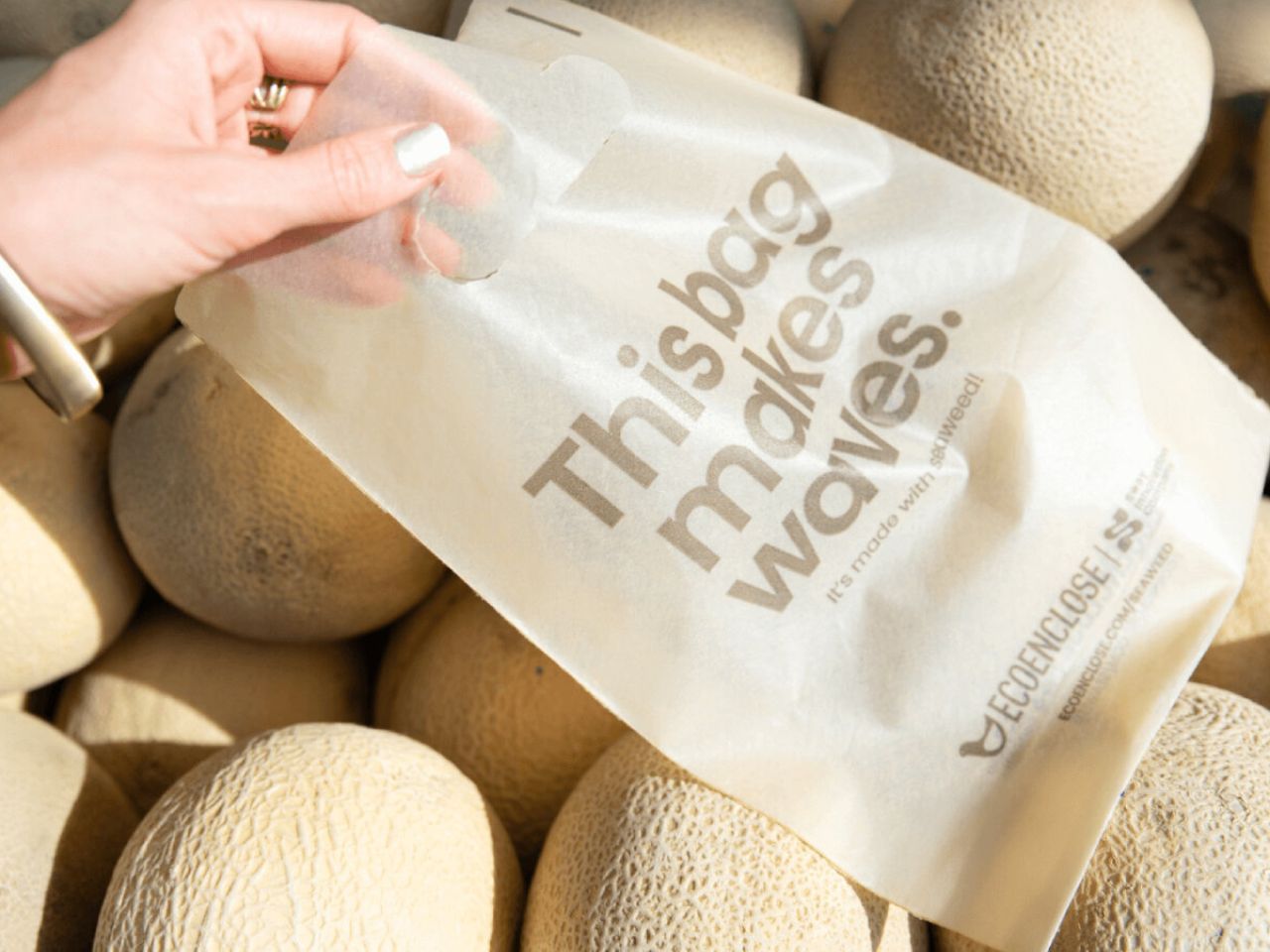
Organic and sustainable fashion brands undermine their environmental messaging by packaging products in excessive single-use plastic, contradicting their eco-friendly positioning and contributing significantly to global plastic waste.
Miscellaneous
fromwww.theguardian.com
1 month agoA delightful day at the dump: The trick is not to leave with more stuff than I arrived with!'
A recycling centre's ReUse shop in London salvages discarded items including unusual specimens like embalmed animals, vintage furniture, and antiques to resell rather than send to landfill.



fromTasting Table
1 month agoThat Empty Potato Chip Bag Probably Doesn't Belong In Your Recycling Bin - Tasting Table
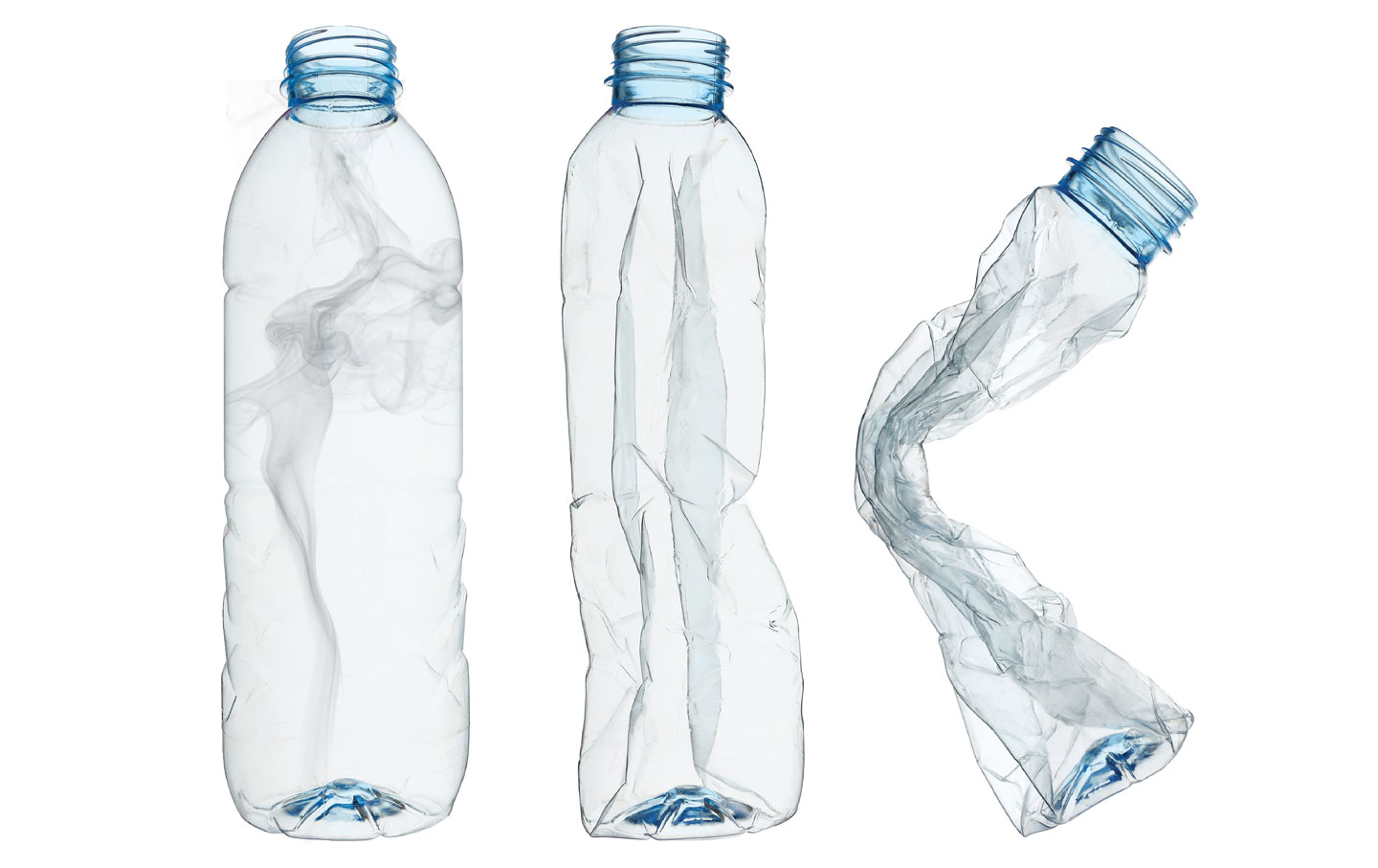
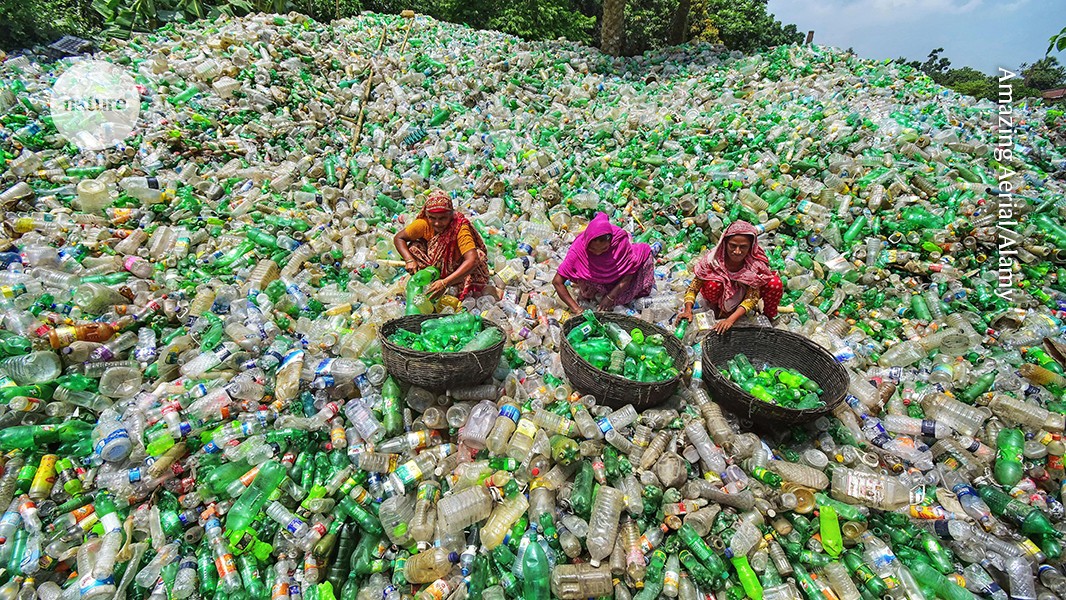
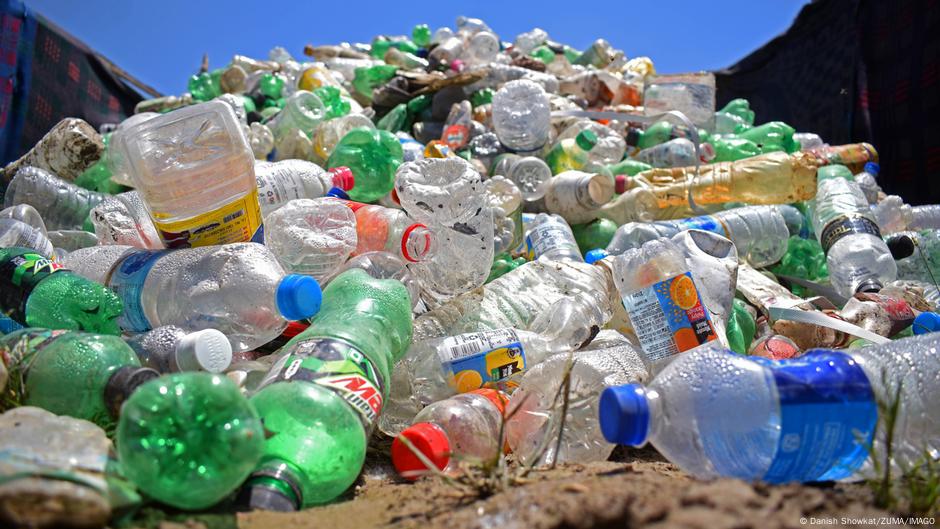
While you might assume that potato chip bags or other snack bags are recyclable, most are made from mixed materials. This means that the bags may contain plastic on the outside and an inner lining of plastic and aluminum film or foil. While the individual materials may be recyclable on their own, the only way they could be used is if the recycling facility has the means by which to separate the materials.
SF food
fromFortune
4 weeks agoPlastics, fertilizers, clothing, medicines and electronics: $100-a-barrel oil has huge downstream consequences | Fortune
Crude oil is a complex mixture of hydrocarbons - molecules made mainly of carbon and hydrogen. Refineries and chemical plants separate and transform these molecules into smaller chemical building blocks known as petrochemicals. Some of the most important petrochemical building blocks include chemicals such as ethylene, propylene and benzene.
Environment
fromEarth911
1 month agoHow to Recycle or Dispose of Single-Use Alkaline Batteries
Never place batteries of any type in your curbside recycling bin. Batteries can damage recycling equipment and, if lithium batteries are mixed in, cause fires. Always use designated battery collection programs.
Environment
fromFast Company
1 month agoThese designers made a sustainable new building material from corn
This corn-based construction material was made by Manufactura, a Mexican sustainable materials company, and it imagines a second life for waste from the most widely produced grain in the world. The project started as an invitation by chef Jorge Armando, the founder of catering brand Taco Kween Berlin, to find ways he could reintegrate waste generated by his taqueria into architecture. A team led by designer Dinorah Schulte created corncretl during a residency last year in Massa Lombarda, Italy.
Science
fromEarth911
1 month agoThe State of Plastic Bans in the United States
Many cities have also banned polystyrene foam containers. While this movement is gaining ground, it still faces strong opposition. Each American uses about 365 single-use plastic bags every year. With a population of 330 million, this adds up quickly. Only about 9% of all plastic ever made has been recycled. The rest ends up in landfills, waterways, or breaks down into microplastics found in human blood, tap water, and table salt.
Environment
fromwww.theguardian.com
2 months agoRecycled plastic packaging claims are misleading, say experts
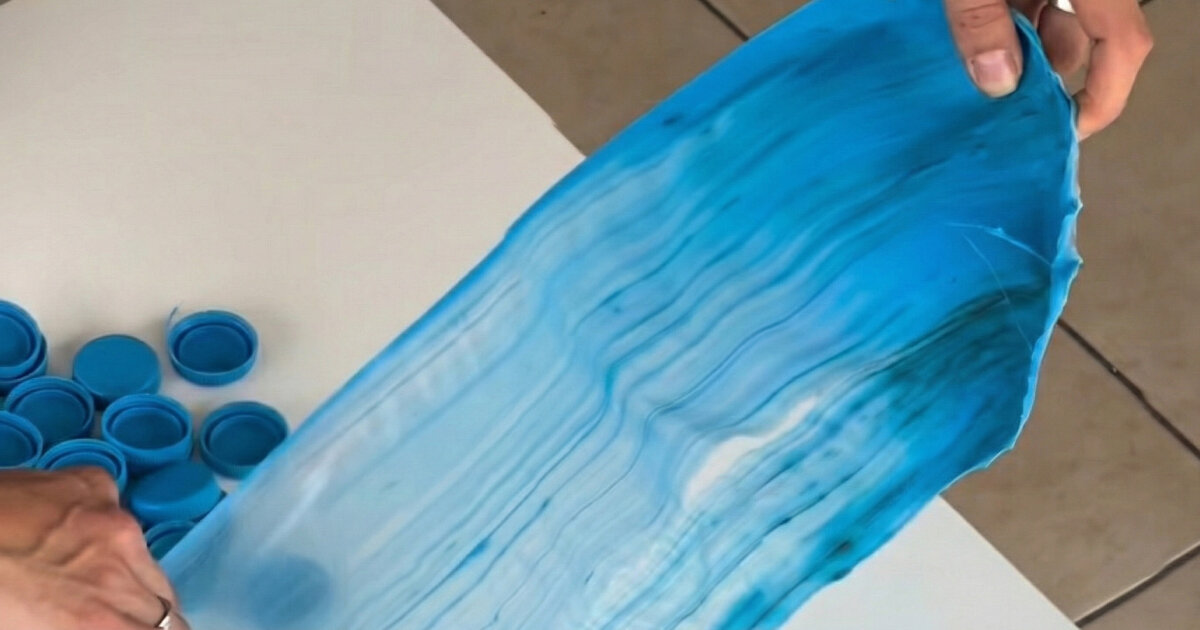
Europe's supermarket shelves are packed with brands billing their plastic packaging as sustainable, but often only a fraction of the materials are truly recovered from waste, with the rest made from petroleum. Brands using plastic packaging from Kraft's Heinz Beanz to Mondelez's Philadelphia use materials made by the plastic manufacturing arm of the oil company Saudi Aramco. The Saudi state-owned holding opposes production cuts under the UN plastic treaty and is the world's largest corporate greenhouse-gas emitter (over 70m tonnes up to 2023).
Environment
fromEarth911
1 month agoEarth911 Inspiration: Waste Can End With You
We can make changes to reduce our waste by precycling when we shop, reducing what we purchase, reusing items to get the most use out of them, and recycling when possible. But when we have items to throw away, please dispose of trash responsibly and don't litter. Let's reduce our waste and clean up our planet. It's our only home.
Environment
fromEarth911
2 months agoGuest Idea: 7 Solutions to Give Your Old Sunglasses a Second Life
Just like that coffee cup, eyewear is a complex fusion of materials. Metal hinges are screwed into polymer frames, which hold chemically-coated lenses. This mix of metals, plastics, and coatings means standard sorting machines cannot process them. As a result, they are rejected as contamination and sent directly to landfills, where they contribute to non-biodegradable waste. Unlike a disposable paper cup, however, a pair of sunglasses is built for durability. Its high-quality components make it a perfect candidate for repair, reuse, or reinvention.
Environment

fromwww.bostonherald.com
2 months agoEco-friendly toilet papers are trendy, but their actual environmental impacts vary
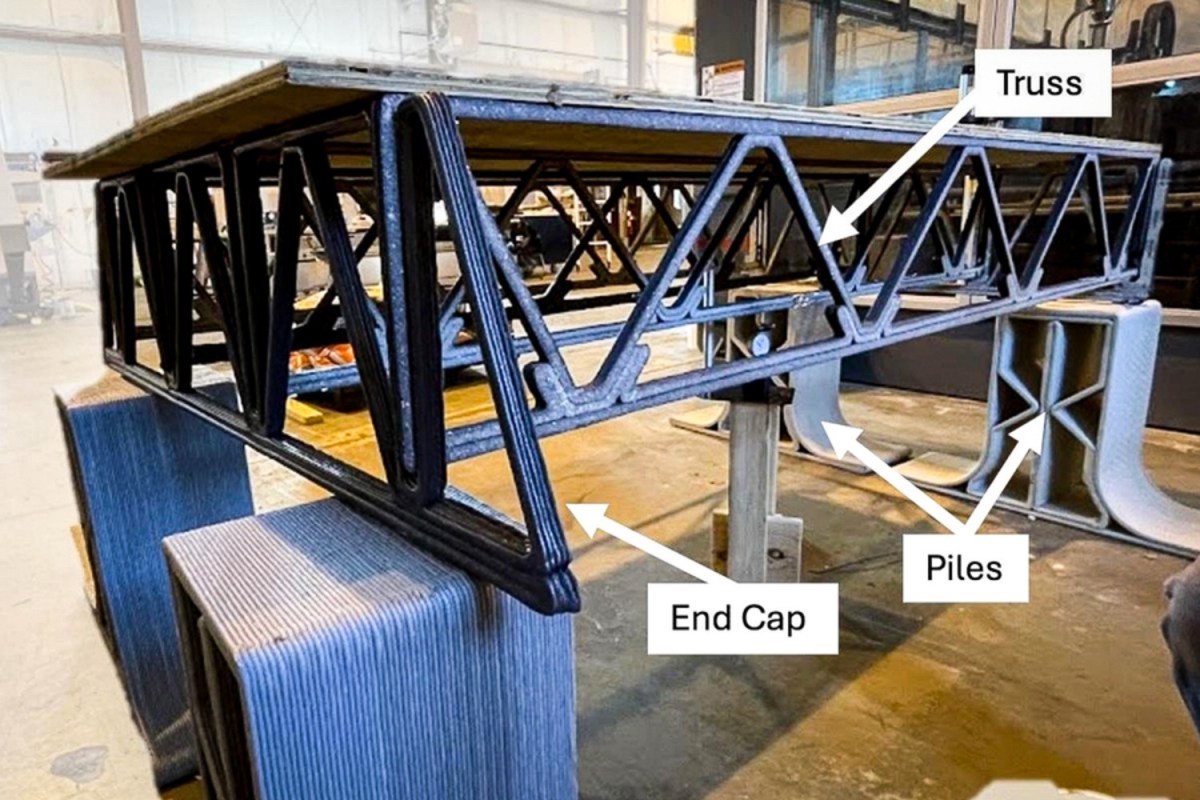
Toilet paper, a product that is used for a few seconds before being disposed of forever, is typically made with trees, energy-intensive manufacturing processes and chemicals that can pollute the environment. Experts say more consumers are seeking toilet paper made from recycled content or sustainable materials, but it can be hard to know what to look for. Sustainable toilet paper often costs more, but can have significant environmental benefits.
Environment
[ Load more ]