#slopaganda
#slopaganda
[ follow ]
#trump

Left-wing politics
fromwww.mediaite.com
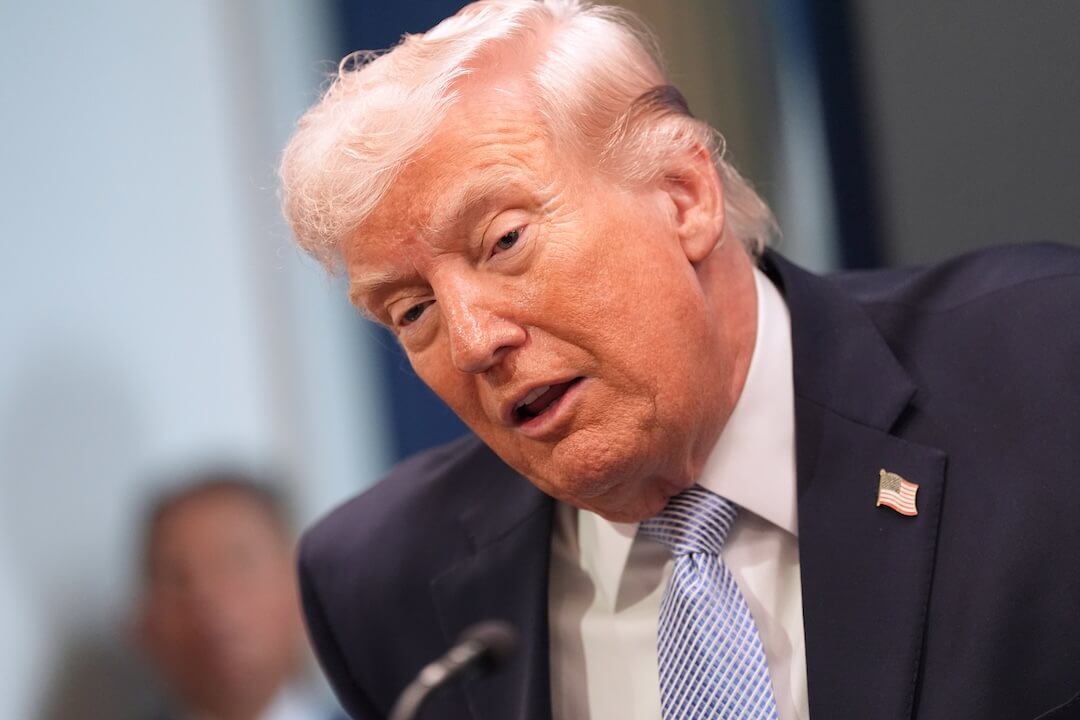
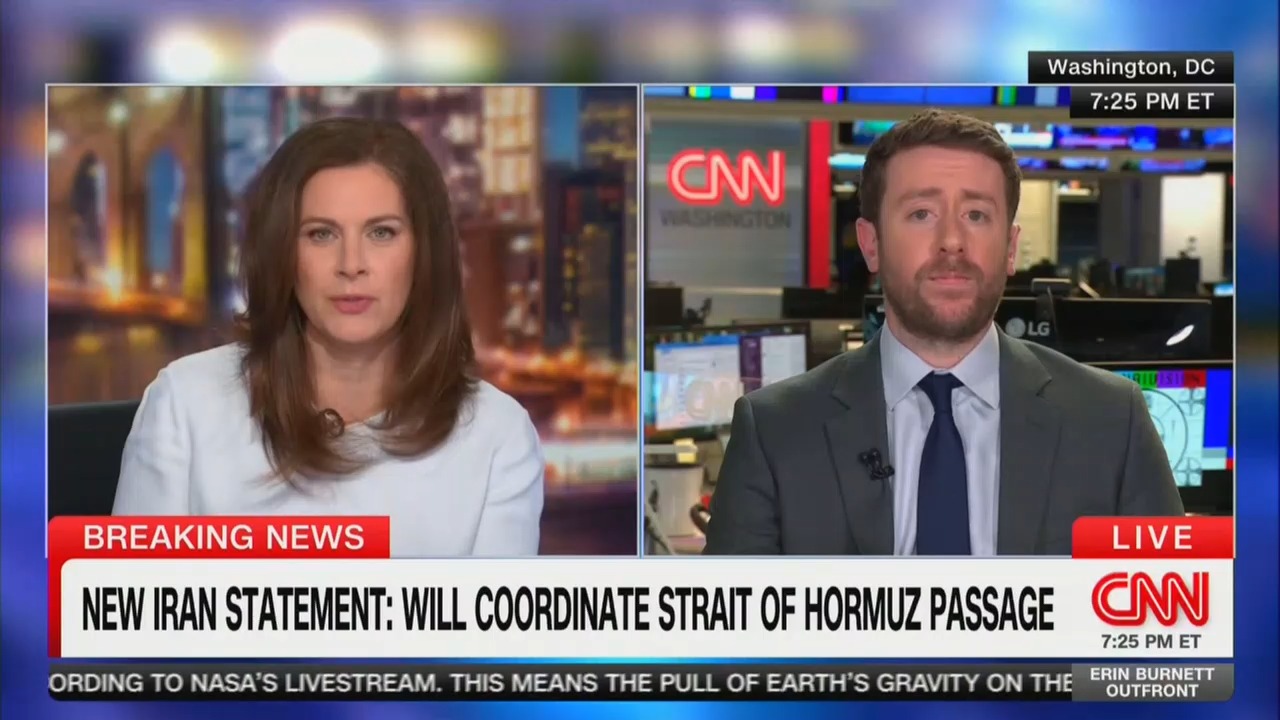
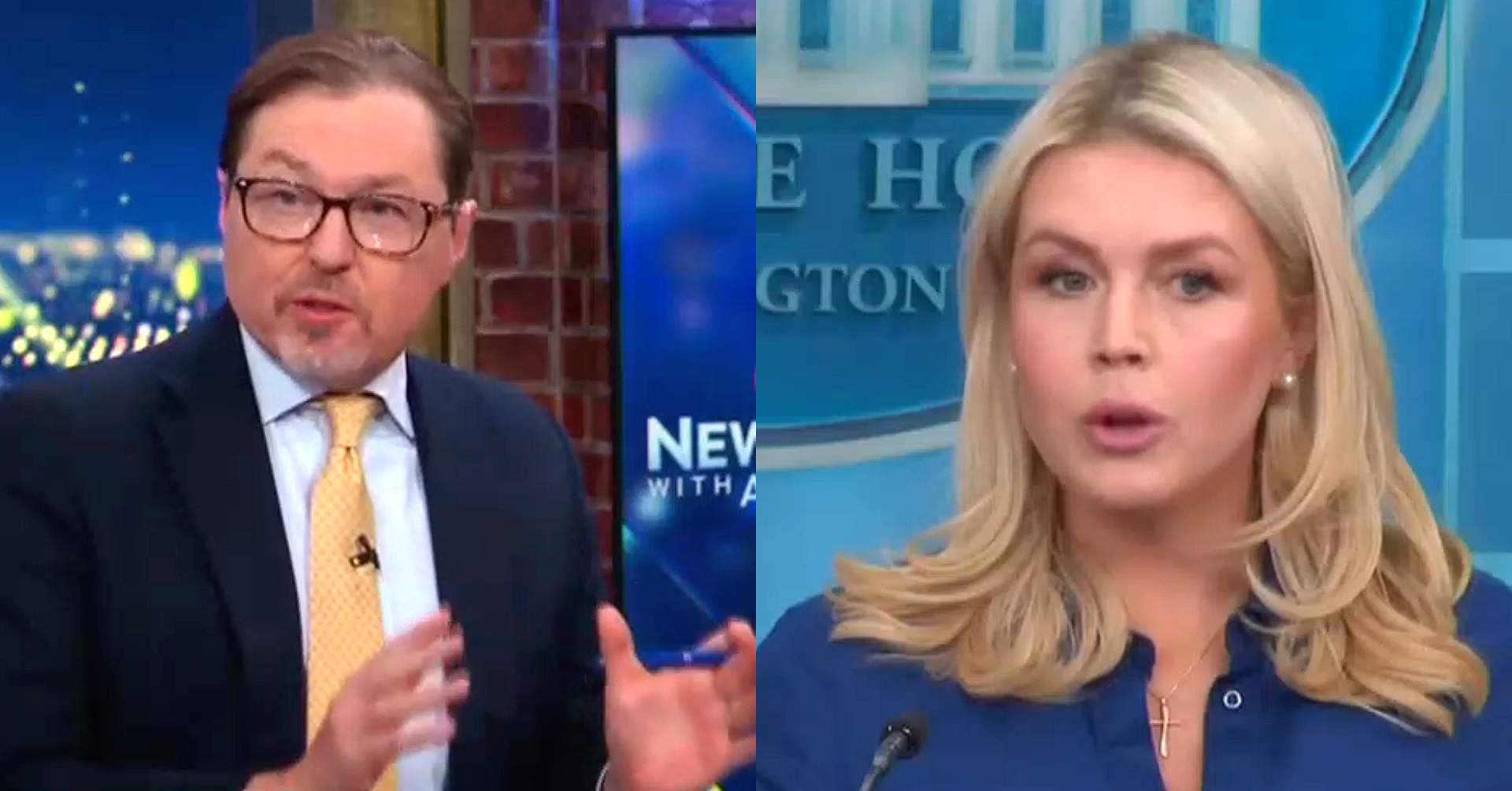
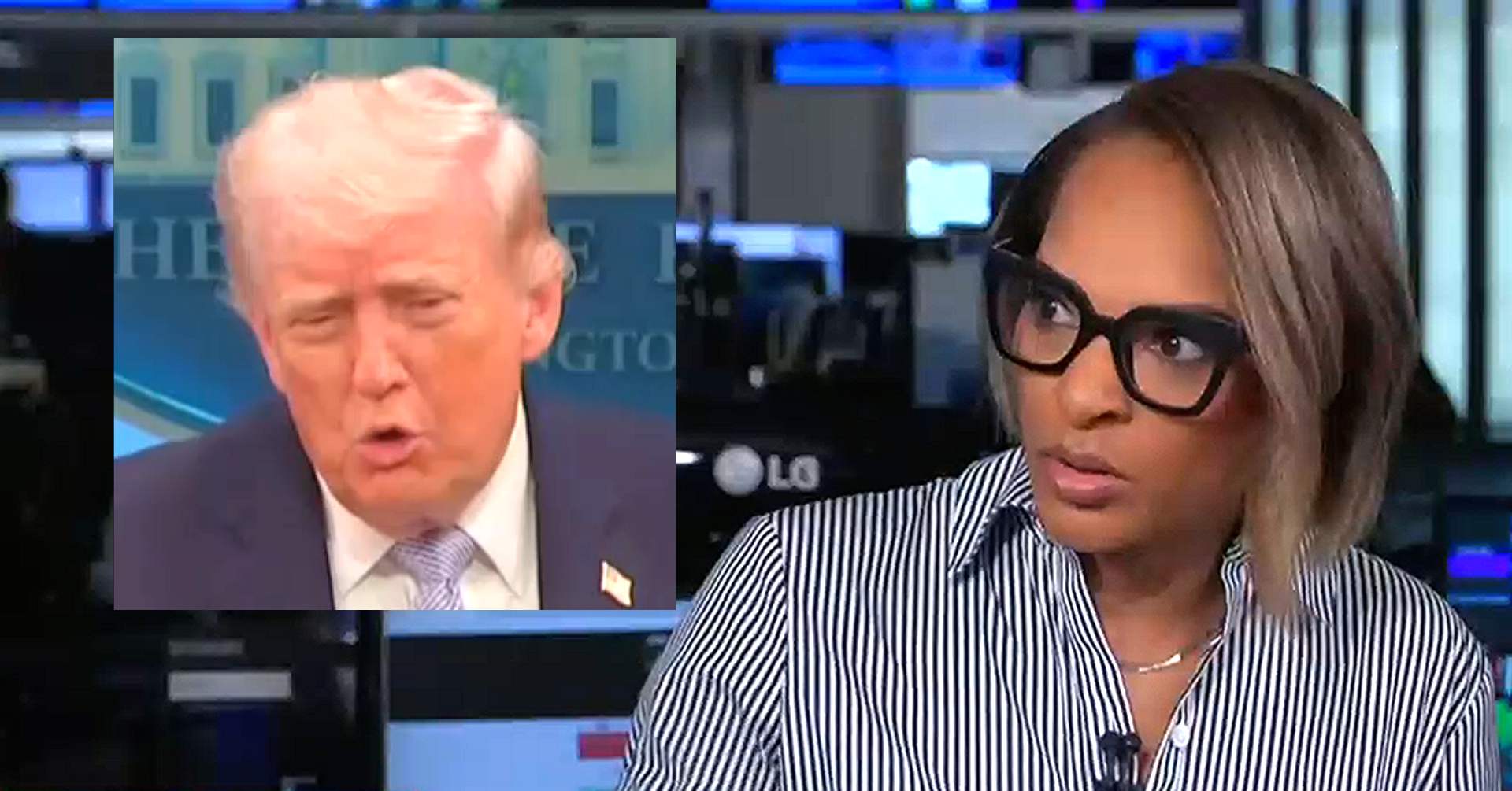
23 hours agoPBS Reporter Says Trump Hung Up on Her After She Asked About His Threat About Wiping Out a Civilization'
Trump's controversial statements and abrupt phone call with PBS correspondent highlight tensions surrounding the Iran ceasefire and ongoing conflicts in the region.
#ai-overviews
Artificial intelligence
fromFuturism
20 hours agoAnalysis Finds That Google's AI Overviews Are Providing Misinformation at a Scale Possibly Unprecedented in the History of Human Civilization
Google's AI Overviews contribute to a misinformation crisis, providing tens of millions of wrong answers every hour despite a 91% accuracy rate.
#ai-generated-content




Right-wing politics
fromwww.theguardian.com
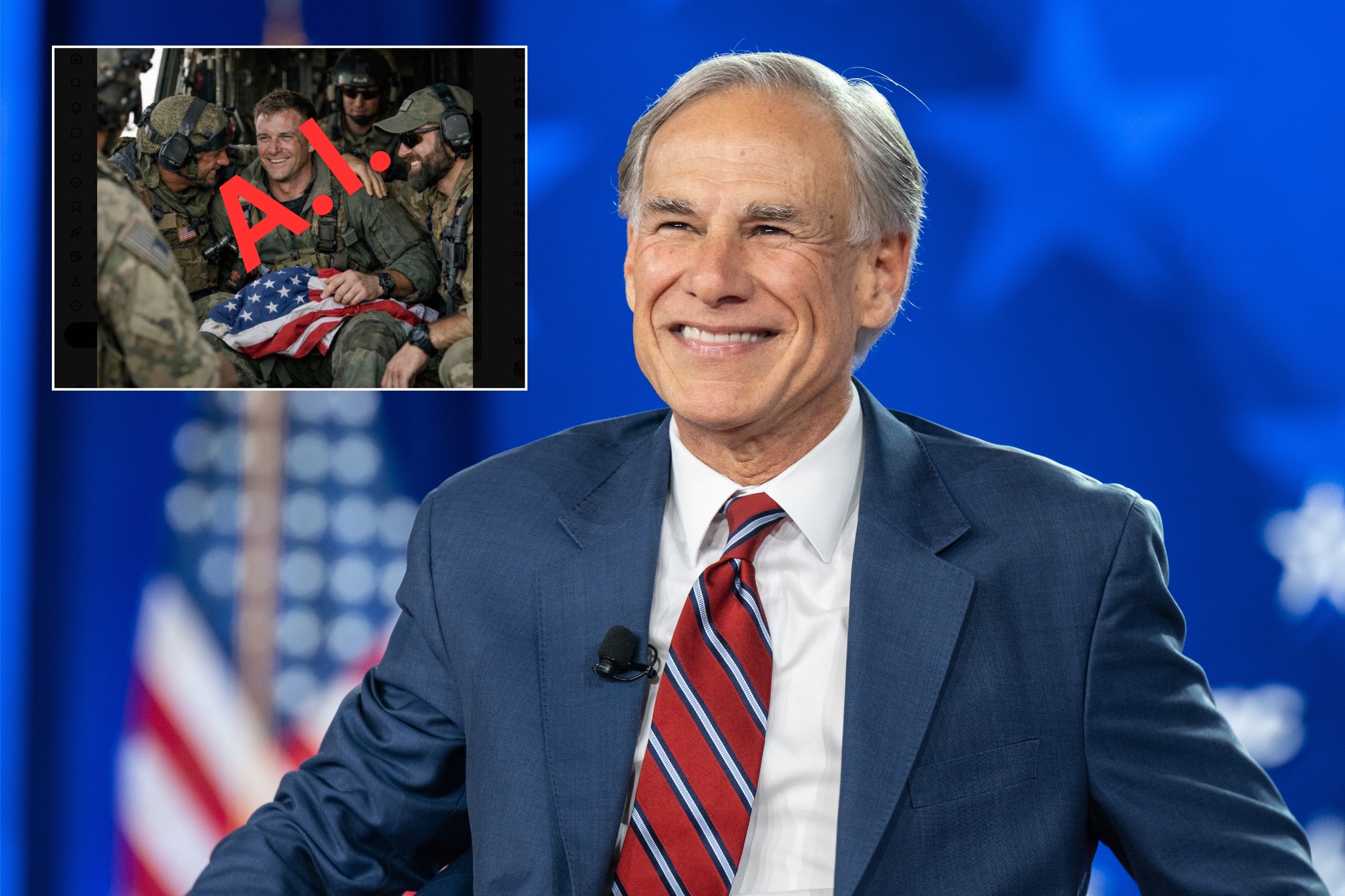
1 day agoAI-generated Lego videos and Trump's poo-bombing: welcome to the Iran-US slopaganda wars | Mark Alfano and Micha Klincewicz for the Conversation
Slopaganda refers to AI-generated content used for propaganda, manipulating beliefs and emotions for political purposes.


World politics
fromwww.theguardian.com
14 hours agoTrump's rhetoric has become less grounded in reality Albanese can no longer tiptoe around the madness | Julianne Schultz
Australian political leaders often choose to reason with irrational figures, leading to further complications and misunderstandings.

#artificial-intelligence

Philosophy
fromFast Company
2 days agoTwenty seconds to approve a military strike; 1.2 seconds to deny a health insurance claim. The human is in the AI loop. Humanity is not
Artificial intelligence significantly accelerates decision-making in military and business contexts, but human oversight may be minimal and ineffective.
Philosophy
fromFast Company
2 days agoTwenty seconds to approve a military strike; 1.2 seconds to deny a health insurance claim. The human is in the AI loop. Humanity is not
Artificial intelligence significantly accelerates decision-making in military and business contexts, but human oversight may be minimal and ineffective.







fromwww.bbc.com
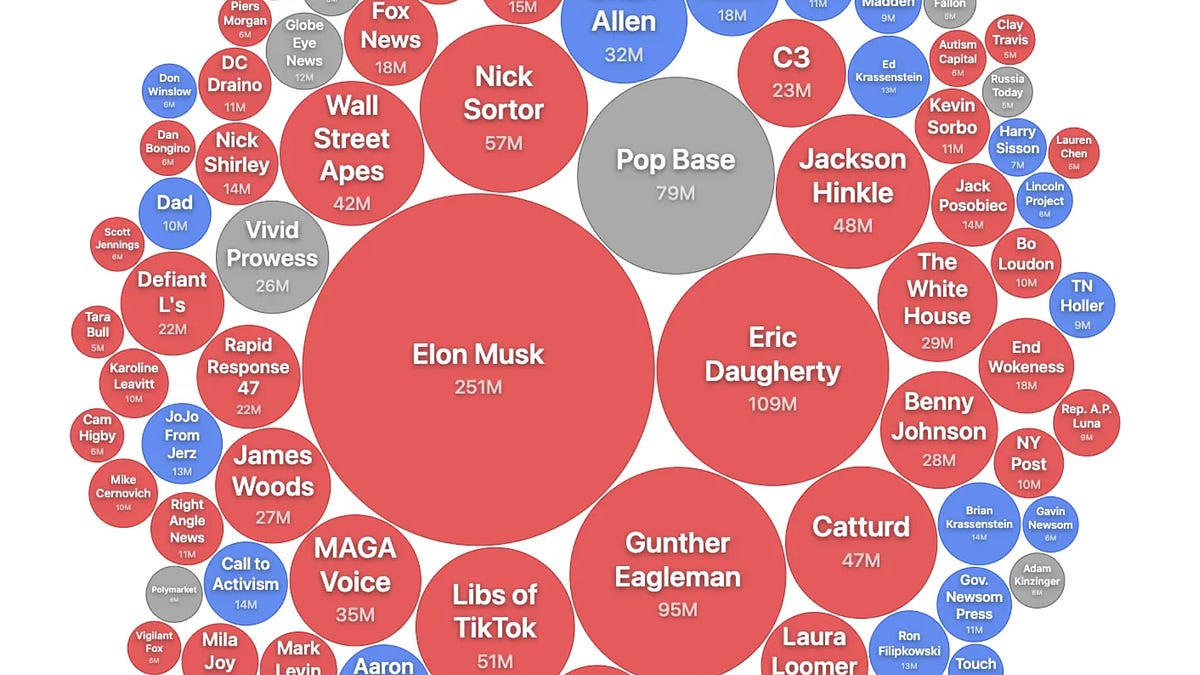
4 weeks agoOverseas 'content farms' creating political deepfakes uncovered
I don't think you'll find a politician who hasn't had this done to them... to say it out loud makes me feel quite sad. Several Welsh politicians told the BBC about their experiences as victims of deepfakes, highlighting the widespread nature of AI-generated manipulated content targeting elected officials across the UK political landscape.
UK politics
Social media marketing
fromPhys
3 weeks agoDo political social media ads influence the outcome of elections?
Political ads on Facebook and Instagram during the 2020 U.S. election primarily targeted existing supporters rather than persuading new voters, with minimal measurable impact on electoral outcomes.
fromThe New Yorker
4 weeks agoWar in the Age of the Online "Information Bomb"
On TikTok, the war against Iran began with a series of videos from influencer types in Dubai, Doha, and elsewhere in the Middle East. They sat on restaurant patios or on hotel-room balconies and pointed their phone cameras skyward to document missiles flying through the air of their respective cities, then disappearing into puffs of smoke as they were shot down.
Social media marketing
Right-wing politics
fromThe New Yorker
1 month agoThe Right-Wing Nonprofit Serving A.I. Slop for America's Birthday
Dennis Prager's book argues secularism causes moral decline and violence, while positioning Judeo-Christian values as the sole source of objective morality, despite selective use of examples that obscure religious complexity.


fromElectronic Frontier Foundation
2 months agoBeware: Government Using Image Manipulation for Propaganda
A short while later, the White House posted the same photo - except that version had been digitally altered to darken Armstrong's skin and rearrange her facial features to make it appear she was sobbing or distraught. The Guardian one of many media outlets to report on this image manipulation, created a handy slider graphic to help viewers see clearly how the photo had been changed.
US politics
fromFast Company
1 month agoMisinformation is scaling. We need to get better at countering it
Most days, an email lands in my inbox with the promise to amplify my growth-my newsletter subscribers, the reach of my podcasts, the number of client leads, etc. I've gotten used to random people pitching me on their services, and some of the messages expertly prey on my insecurities as a business owner ("you're leaving so much on the table," et al.). I never answer any of them, but I sometimes wonder which ones might actually be legit.
Artificial intelligence
fromwww.theguardian.com
1 month agoConspiracy theorists feed on distrust in institutions the Epstein files will see them emboldened | Brigid Delaney
Not so long ago, if you said there was a shadowy cabal of elites who were involved in the sex trafficking of young women and girls and that some of the most famous people in the world were allegedly involved, then you would have been dismissed as a conspiracy theorist. On a certain level, it feels psychologically safe to other people who have conspiracy theories Jon Ronson even wrote a book called Them about extremists and conspiracy theorists.
World news
[ Load more ]