#small-town-agriculture
#small-town-agriculture
[ follow ]
#sustainability #agriculture #gardening #canadian-agriculture #sustainable-agriculture #food-security
fromHigh Country News
4 days agoHow HCN is helping fill a growing need for local news - High Country News
More than a third of the nation's local newspapers have folded in the last 20 years, with the Western U.S. being especially hard-hit, including significant losses in Utah and New Mexico.
Media industry
#sustainability
Online Community Development
fromDaily Coffee News by Roast Magazine
1 week agoStudy: Social Enterprises Beat Corporate Sustainability in Farmer Well-Being
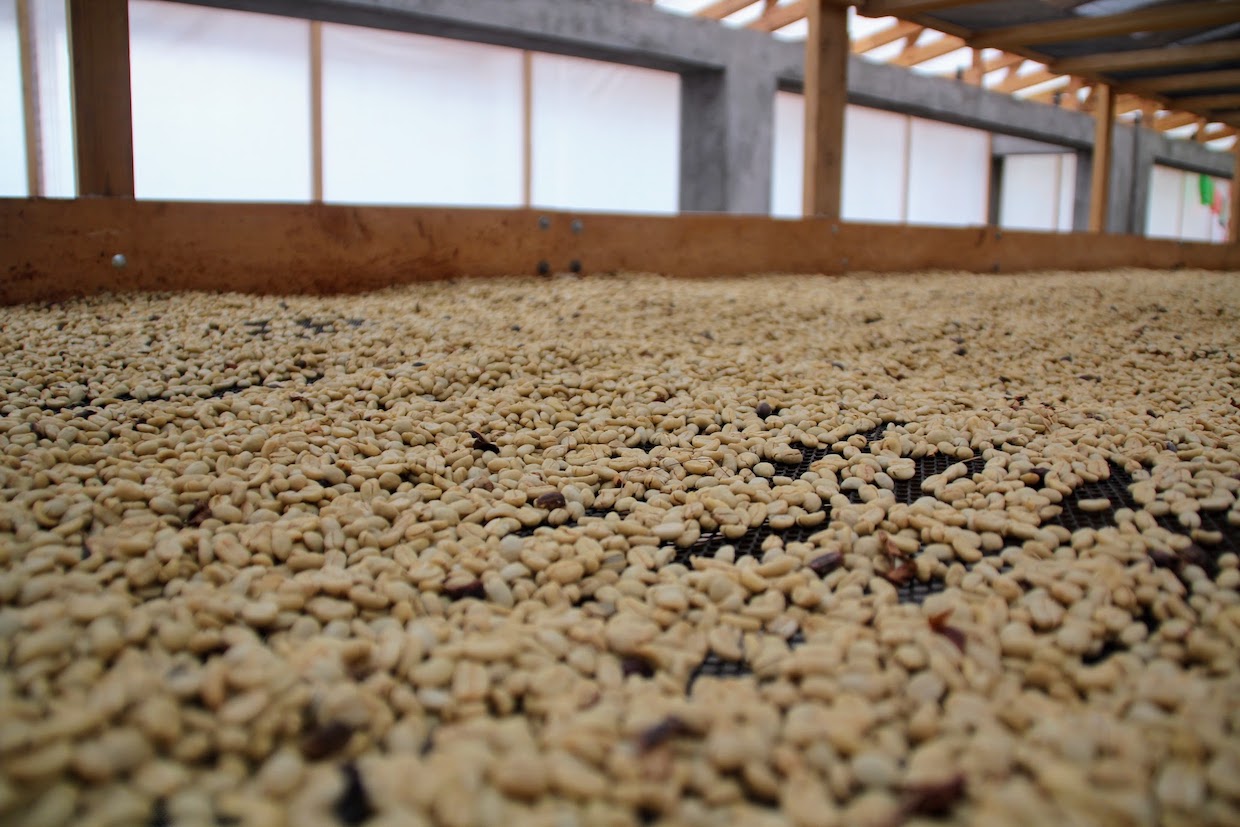
Social enterprises significantly enhance farmer well-being compared to traditional corporate sustainability programs and cooperatives in the coffee and cocoa sectors.
fromScary Mommy
1 week agoScary Mommy 2026 Readers' Choice Awards Best Farm Stay
Escaping to a farm where life is, in many ways, simpler, seems like a total blast right about now. Whether you're looking for a luxurious stay, or one that helps you get back to the land, these farm stays will certainly help you reset and get back to nature.
Travel
fromwww.theguardian.com
2 weeks agoSmall changes in how we garden can make a big difference to birds | Letter
Around a third of UK gardeners use pesticides, and our studies found that house sparrow numbers, for example, were nearly 40% lower in gardens where the pesticide metaldehyde was used. By reducing pesticide use, you can actively encourage birds back into your outdoor spaces, as they rely on invertebrates such as slugs and snails as natural prey.
Pets
Women in technology
fromRealagriculture
3 weeks agoChanging conversations highlight evolving role of women in agriculture
The Advancing Women in Agriculture Conference has evolved to address mental health, resiliency, and workplace challenges, reflecting decades of progress in recognizing women's contributions to agriculture.
London food
fromIndependent
3 weeks agoFrom boardroom to barn: A couple's leap into organic sheep farming in Wicklow
Tom Stewart transitioned from UK logistics management to full-time farming in Ireland through a succession partnership, with his wife Katy joining after initially remaining in her dentistry career.
fromBon Appetit
1 month agoHomeward Bound
The expense, return on investment, and volume of investors needed to make it a reality did not make sense. I thought, 'maybe it's time to do something new.' The amount of money you need to run a restaurant in Brooklyn or Manhattan at this point is so crazy. If you fail, the loss is massive. Here, we were able to do a major renovation, we have a 100 bottle wine list, and we can use the ingredients we want and serve them at a decent price point because our overhead is not as bad.
NYC food
fromwww.mercurynews.com
1 month agoExhibit chronicles four generations of a Sunnyvale orchard family
Where multi-story apartment buildings are now being constructed once stood the Butcher family orchard. The farm had been in the family since 1881, when Rolla and Emma Butcher bought 160 acres of land. After Rolla's early death, Emma ran the farm by herself, planting fruit trees while raising her young children.
East Bay (California)
Online Community Development
fromStreetsblog
1 month agoHow the 'Little Free Pantry' Can Help Feed the Hungry Without Requiring Them to Drive - Streetsblog USA
Micro-pantries are small, community-maintained food compartments addressing food insecurity for people without reliable transportation to traditional food banks.

fromCN Traveller
1 month agoThe best farm shops in Cornwall that take pride in provenance
Long before they became destination stops, farm shops were practical lifelines in Cornwall; places where farming families sold what they reared, grew or made, and where local communities stocked their pantries. In a county shaped by smallholdings, dairy herds and mixed farms, the connection between land and table has always been close - and still, today, hyper-local food is something Cornwall does exceptionally well.
Food & drink


fromEarth911
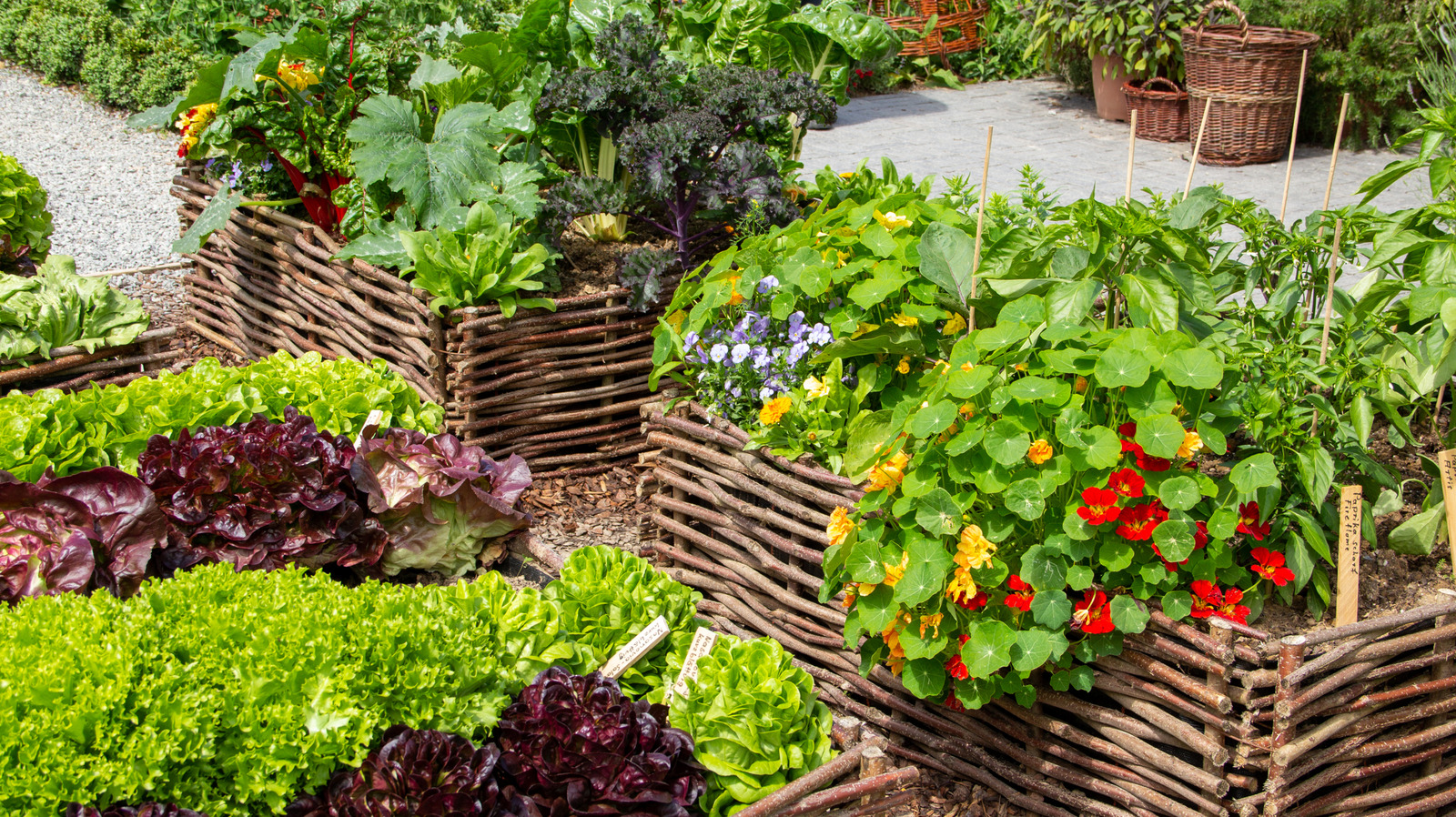
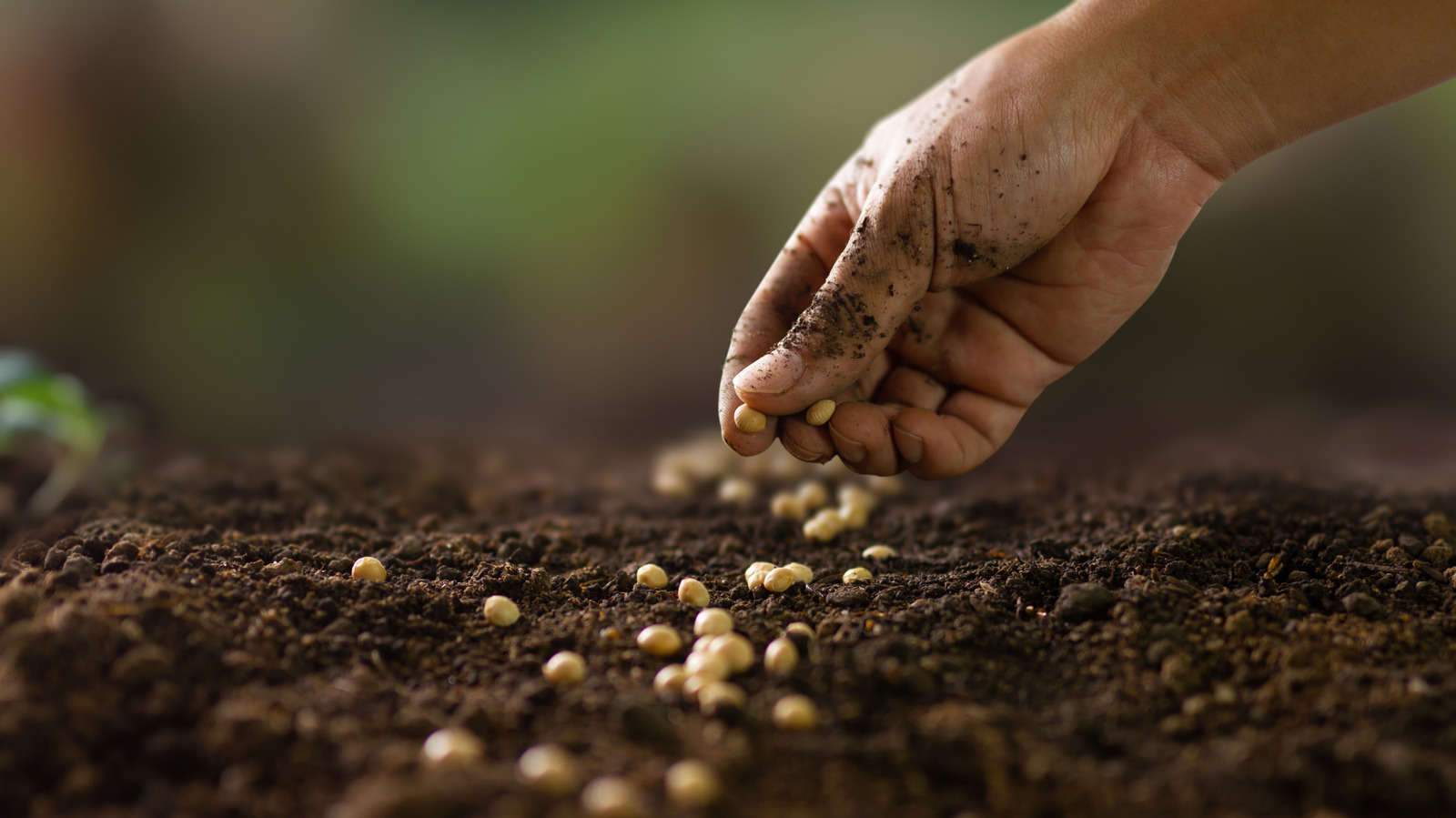
1 week agoSeed, Sprout, Spectacular: Tips for Starting Your Garden From Scratch
Starting plants from seed extends your relationship with the garden, gives you more control over seed sourcing, and saves real money compared to buying nursery starts, sometimes as much as 90% per plant.
Agriculture
fromFast Company
2 months agoThe Farmers' Almanac isn't dead. It's getting a digital reboot under a new owner
"I saw the announcement that one of America's most enduring publications was set to close," Konrad said, "and it felt wrong to stand by while an irreplaceable piece of our national heritage disappeared."
Media industry
fromTasting Table
2 months agoThe 5 Grocery Stores With The Best Selection Of Produce - Tasting Table
Grocery stores that offer the best produce know it's crucial to nail a few key factors. First, produce needs to be fresh - that feeling when you get home and open a packet of cucumbers only to find that they're soggy and covered in slime is not a good one. Second, fruits and vegetables need to be priced right. While shoppers can expect to pay a premium of about 50 percent more for organically grown vegetables, anything more than that starts to feel unreasonable.
Food & drink
fromwww.kaltblut-magazine.com
2 months agoThe Rural Cut
The Rural Cut places vintage fashion in Lebanon's Bekaa Valley, among vineyards, open fields, and the animals that inhabit the land. As a Beirut-based stylist, I worked with a fully Lebanese team to create a shoot that feels authentic, where each garment and every frame reflects the textures, history, and rhythm of the rural landscape. Photography by Angele Basile / Instagram: @angelebasile Styling by Rinad Saad / Instagram: @rinaaaaddd
Fashion & style
Agriculture
fromTasting Table
2 weeks agoCan You Grow A Garden From Grocery Store Produce Seeds? - Tasting Table
Growing vegetables from store-bought seeds is possible but results vary based on produce type, growing method, and post-harvest treatment, with hybrid plants producing different crops than their parent plants.
Agriculture
fromRealagriculture
2 weeks agoProfitable Practices: Robotics and automation help Greenview Holsteins tackle labour challenges
Canadian dairy farms use robotic milking and feeding systems to overcome labour shortages while enabling scalable, sustainable operations with improved cow-level management.
fromFuncheap
2 weeks agoEco SF School Farm Volunteer Work Day | SF
All skill levels and abilities are welcome, even for moral support and comic relief. They will provide some water and maybe a snack, and plenty of well worn gloves, but If you'd like, bring some more refreshments to share or your favorite personal protective equipment.
Agriculture
fromwww.theguardian.com
2 months agoHumanity's favourite food': how to end the livestock industry but keep eating meat
For someone aiming to end the global livestock industry, Bruce Friedrich begins his new book called Meat in disarming fashion: I'm not here to tell anyone what to eat. You won't find vegetarian or vegan recipes in this book, and you won't find a single sentence attempting to convince you to eat differently. This book isn't about policing your plate.
Environment
Agriculture
fromRealagriculture
3 weeks agoWheat Pete's Word, March 11: The next generation of ag, ponded wheat, potash power, and a rust watch
Ontario winter wheat shows strong spring conditions with minimal ponding, while high-tillering wheat in Idaho presents lodging risks and leaf rust emerges unexpectedly in the southern U.S.
Agriculture
fromTasting Table
4 weeks agoGrowing Strawberries? This Brilliant Backyard Method Is So Easy - Tasting Table
Growing strawberries in gutters is an accessible beginner-friendly method requiring minimal space, drainage holes, soil, and eight hours of daily sunlight for successful vertical gardening.
Agriculture
fromRealagriculture
1 month agoDon't cut the science that pays the bills
Closing AAFC research stations undermines Canada's agricultural competitiveness by eliminating the only coordinated system for validating crop genetics across diverse agro-ecological zones, despite wheat breeding generating a 32:1 benefit-cost ratio.
fromRealagriculture
1 month agoNeighbourly values underscore Scheetz message to farm families
I think that you just got to do it and you've got to do it because nobody else is lined up to do it for you. Working hard has its rewards... and also to give back to the community because the farming community just does that.
Agriculture
Agriculture
fromwww.theguardian.com
1 month agoUS farmers are rejecting multimillion-dollar datacenter bids for their land: I'm not for sale'
Rural landowners are rejecting lucrative offers for datacenter development, turning down multimillion-dollar buyouts as tech firms seek vast powered land for AI infrastructure.
Agriculture
fromFortune
1 month agoFarmer turns down $15.7 million offer from data center developers: 'It breaks my heart ... the rest of every square inch is going to get built on' | Fortune
An 86-year-old Pennsylvania farmer sold development rights for under $2 million to preserve 261 acres instead of accepting over $15 million from developers.
fromwww.theguardian.com
1 month agoWe're not hippies': why these Iowa farmers swapped pigs for mushrooms
My older brother has worked with pigs his entire adult life, managing about 70,000 of them across five counties, Faaborg says. But we got to a point where he went from laughing at me to saying: well, I guess maybe I'll quit my job and help you out. Now he's the most dedicated, says Katherine Jernigan, director of the Transfarmation Project at Mercy for Animals, a non-profit that helped the Faaborgs make the switch and set up their new business, 1100 Farm.
Agriculture
fromInsideHook
2 months agoAn Essential Part of Farming Has Two Wings and a Beak
When you think of farming, what ingredients do you generally associate with a successful harvest? The basics certainly come to mind: fertile soil, plenty of sunlight and lots of water. But there are other variables that can also mean the difference between a crop of healthy fruits and vegetables and a large heap of organic waste. And it turns out that one of those variables is a very small hawk.
Agriculture
Agriculture
fromIndependent
2 months ago'It's a kind of rock-star lifestyle... but I always loved farming': Why ex-pro surfer swapped chasing waves for regenerative farming
Fergal Smith left a professional surfing career to practice regenerative farming and train Ireland’s next generation of sustainable farmers on Moy Hill Farm.
fromRealagriculture
2 months agoWhat sets successful farm transitions apart?
Based on years of post-transition reviews, MNP has identified seven traits common to successful farm families, MacLean says. First, they start early. Early planning allows flexibility and time to work through the tough stuff. Clear, respectful communication is the second trait - and it's essential. Families who talk openly and establish expectations avoid the dangerous territory of unspoken assumptions. Farms that navigate the process well have a shared vision.
Agriculture
[ Load more ]