#smart-glasses-technology
#smart-glasses-technology
[ follow ]
#smart-glasses #meta #ai-glasses #ray-ban #technology #wearable-technology #ai #augmented-reality #wearables #apple


#ai




Data science
fromSilicon Canals
2 hours agoThe single economic variable that determines whether AI creates or destroys jobs - and why almost nobody is measuring it - Silicon Canals
The focus on task exposure in AI job discussions is misguided; demand elasticity is crucial for understanding employment impacts.
fromwww.theguardian.com
3 days agoSix great reads: the OnlyFans legacy, stolen cargo and Meta's creepy' glasses
Leonid Radvinsky's death leaves a void in the leadership of OnlyFans, a platform that has transformed the adult content landscape. His secretive management style and the controversies surrounding the site have raised questions about its future direction and stability.
Photography

fromThe Verge
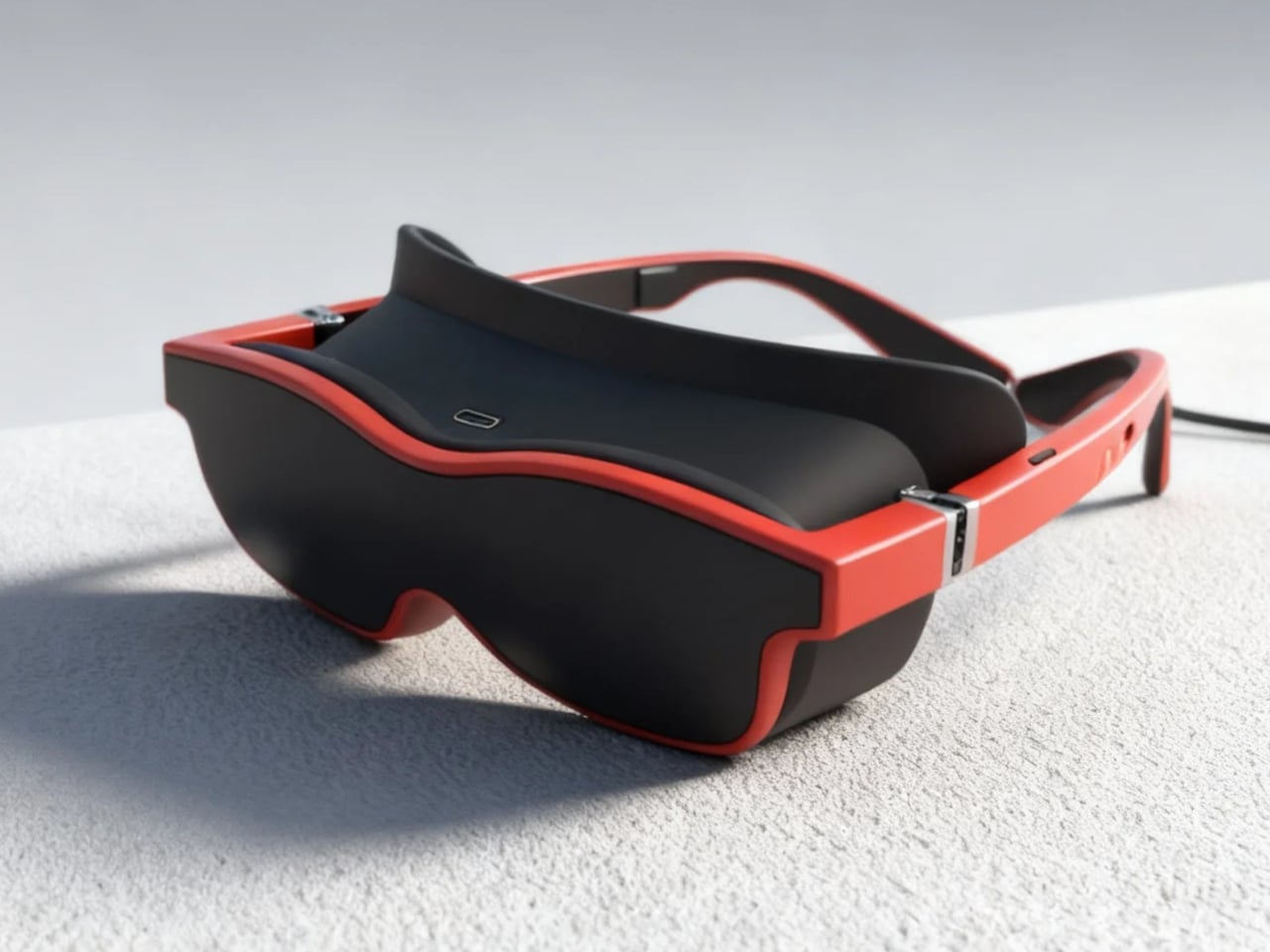
1 week agoThe man who coined Metaverse now says Meta's glasses are creepy
When I was working at Magic Leap, and people asked me why I thought that was a good idea, I would ask the rhetorical question: "do you really think that twenty years from now everyone is still going to be going around all day staring at little rectangles in their hands?" At the time it seemed obvious to me that the answer was no.
Writing


fromEngadget
4 days agoSony's gaming division just bought an AI startup that turns photos into 3D volumes
Following the acquisition, the Cinemersive Labs team will join SIE's Visual Computing Group (VCG) and contribute to our broader efforts in advancing state of the art visual computing within games. This includes applying machine learning to enhance gameplay visuals, improve rendering techniques, and unlock new levels of visual fidelity for players.
Marketing tech



Privacy technologies
fromElectronic Frontier Foundation
3 weeks agoThink Twice Before Buying or Using Meta's Ray-Bans
Smart glasses like Meta Ray-Ban and Oakley Meta Glasses have reached mainstream adoption, but users must understand significant privacy and civil liberties concerns before purchasing, including automatic data uploads, AI training on sensitive footage, and human review of personal videos.

fromComputerworld
1 month agoWith attention shifting to AI smart glasses, VR faces another reality check
"It's not an overstatement to declare another VR winter," said J.P. Gownder, vice president and principal analyst at Forrester. "I think we might even go as far as to say there's only a handful of successful scenarios where people are using VR." This assessment reflects the industry's struggle to find practical applications beyond niche markets.
Gadgets
fromSocial Media Today
2 months agoMeta Announces Funding Grants for Research Into AI Glasses Use
There are two types of grants that U.S.-based organizations can apply for: Accelerator Grants for those who are already leveraging our AI glasses to scale their impact, and Catalyst Grants for organizations proposing new, high-impact applications using our Device Access Toolkit. We will award 15 Accelerator Grants of $25,000 and 10 of $50,000 USD, depending on the scale of the project. We'll also award five Catalyst Grants of $200,000. In total, we'll grant nearly $2 million to more than 30 organizations and developers.
Agriculture
fromTechCrunch
1 month agoMeta plans to add facial recognition to its smart glasses, report claims | TechCrunch
Meta plans to add facial recognition to its smart glasses as soon as this year, according to a new report from The New York Times. The feature, internally known as "Name Tag," would allow smart glasses wearers to identify people and get information about them through Meta's AI assistant.
Privacy professionals
Wearables
fromYanko Design - Modern Industrial Design News
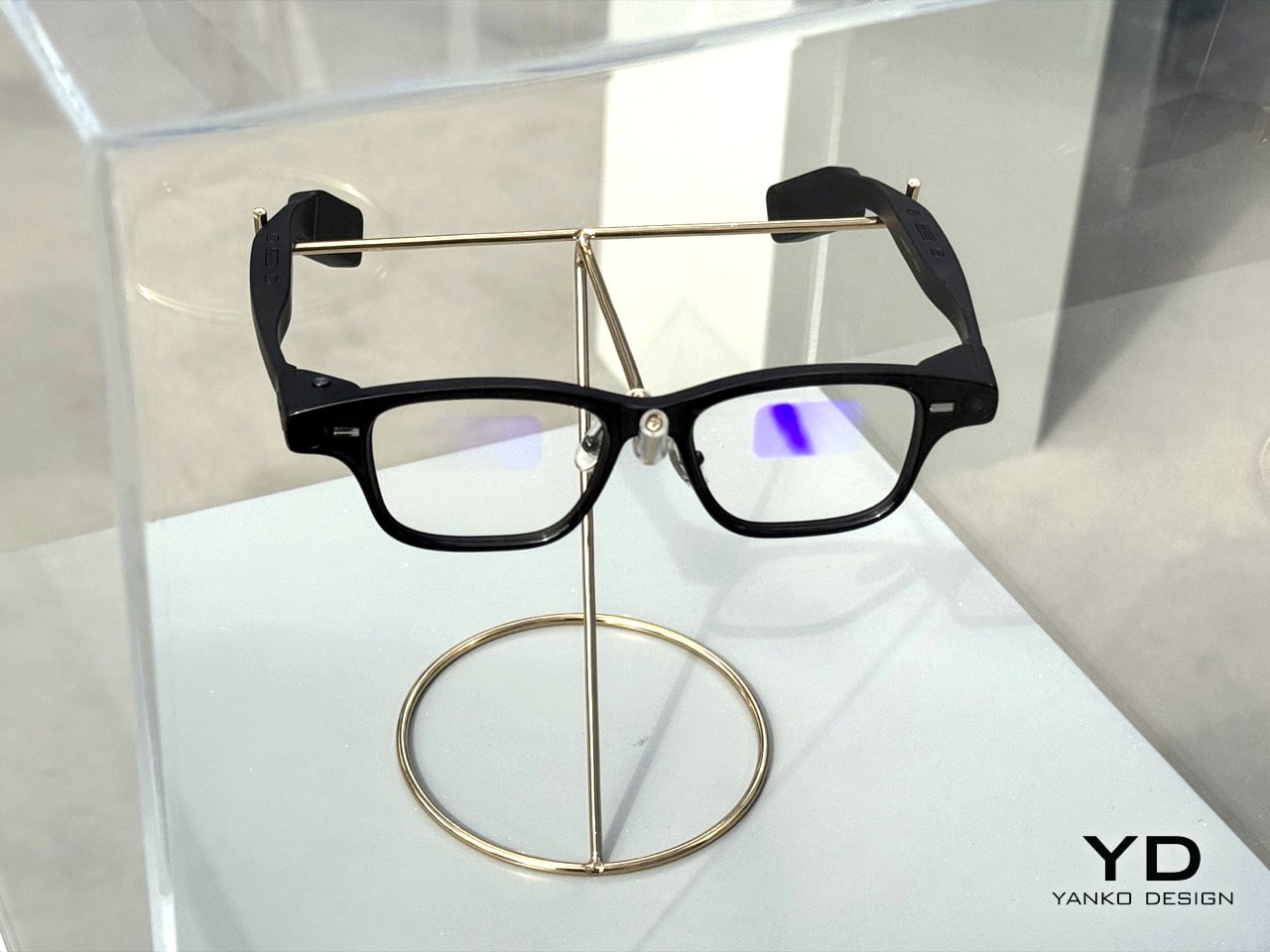
3 weeks agoThis Concept Smartwatch Detaches Into an AR Monocular, and It Solves a Problem Meta Can't - Yanko Design
A detachable AR smartwatch concept restores intentional information access by splitting into a wrist puck and handheld monocular, rejecting always-on overlays in favor of deliberate engagement.
Wearables
fromYanko Design - Modern Industrial Design News
3 weeks agoRokid's Smart Glasses Let You Pick Your AI: Gemini or ChatGPT - Yanko Design
Rokid's AI Glasses Style enables users to choose between multiple AI assistants including Gemini, ChatGPT, DeepSeek, and Qwen through a unified interface rather than being locked into a single model.
Wearables
fromTechCrunch
1 month agoA new app alerts you if someone nearby is wearing smart glasses | TechCrunch
Nearby Glasses is an Android app that detects Bluetooth signals from smart glasses and alerts users when recording devices are nearby, addressing privacy concerns about non-consensual surveillance.
fromWIRED
1 month agoPico's Project Swan XR Headset Wants to Go Where the Apple Vision Pro Failed
One of the big focuses of the new operating system version is what Pico calls PanoScreen, a feature that lets the wearer run multiple applications at once while also keeping a 360-degree view of the real-world space around them. Other users can pop into the space as 3D avatars while you spin around to see spreadsheets, browser tabs, design software, or whatever else you're working on.
Wearables
fromThe Drum
2 months agoGoogle rules out ad placements on Google Glass as it steps up rollout
Its developer page specifications read: "No Ads. You may not serve or include any advertisements in your API Client. "Data Usage: You may not use user data from your API Client for advertising purposes. You may not sell or transmit any user data received from your API Client(s) to a third-party ad network or service, data broker, or other advertising or marketing provider. For the avoidance of doubt, user data from the API Client(s) may not be used for Third-Party Ad Serving."
fromThe Verge
1 month agoMeta will ruin its smart glasses by being Meta
Smart glasses evangelists often tell me this fear is somewhat overblown. After all, the phone in your pocket also has a camera. The government already uses facial recognition tech, and CCTV feeds are everywhere. Anyone who's ever watched a true-crime documentary or an episode of Law & Order knows that these days, it's hard to step out in public and not be recorded.
Wearables
fromGadgets 360
1 month agoAI Impact Summit: Here's a Look at Sarvam's First AI Smart Glasses
Sarvam AI on Monday showcased its first pair of smart glasses at the AI Impact Summit 2026, in New Delhi's Bharat Mandapam. On the first day of the expo, the Indian tech firm announced that it is foraying into manufacturing hardware, starting with Sarvam Kaze, its upcoming pair of AI smart glasses. The AI expo was inaugurated by Prime Minister Narendra Modi on February 16. The event hosts various AI firms, industry leaders, technocrats, and experts from across the world.
Wearables
fromEngadget
2 months agoA rival smart glasses company is suing Meta over its Ray-Ban products
Meta is being sued by Solos, a rival smart glasses maker, for infringing on its patents, Bloomberg reports. Solos is seeking "multiple billions of dollars" in damages and an injunction that could prevent Meta from selling its Ray-Ban Meta smart glasses as part of the lawsuit. Solos claims that Meta's Ray-Ban Meta Wayfarer Gen 1 smart glasses violate multiple patents covering "core technologies in the field of smart eyewear."
Wearables
fromEngadget
2 months agoLenovo just revealed a concept for AI-powered smartglasses at CES
Lenovo just revealed a new smartglasses concept design at CES 2026. The appropriately-named Lenovo AI Glasses Concept promises to transform "how users interact with their surroundings and unifies their workflow." They look like a standard pair of specs and not all that different from something like Meta's Ray-Ban Display glasses. A pair weighs just 45 grams and the battery lasts eight hours, which is just enough time to get through a standard workday.
Wearables
fromZDNET
2 months agoThe makers of Meta Ray-Ban Display glasses showed me what's next for AR, and it's wild
The company is building directly on its major success supplying its waveguide technology to glasses, and proving that geometric waveguides work at consumer scale with standard glass. At CES, Lumus showcased a ZOE prototype with a field of view of more than 70 degrees, an optimized Z-30 with 40% more brightness, and a Z-30 2.0 preview that's 40% thinner. David Goldman, VP of marketing, walked me through each demo with clear enthusiasm about the progress Lumus is making.
Wearables
[ Load more ]