#smoke-condition
#smoke-condition
[ follow ]
#climate-change #air-quality #public-health #california #wildfires #air-pollution #snowpack #los-angeles #pm25



#wildfires

Environment
fromwww.theguardian.com
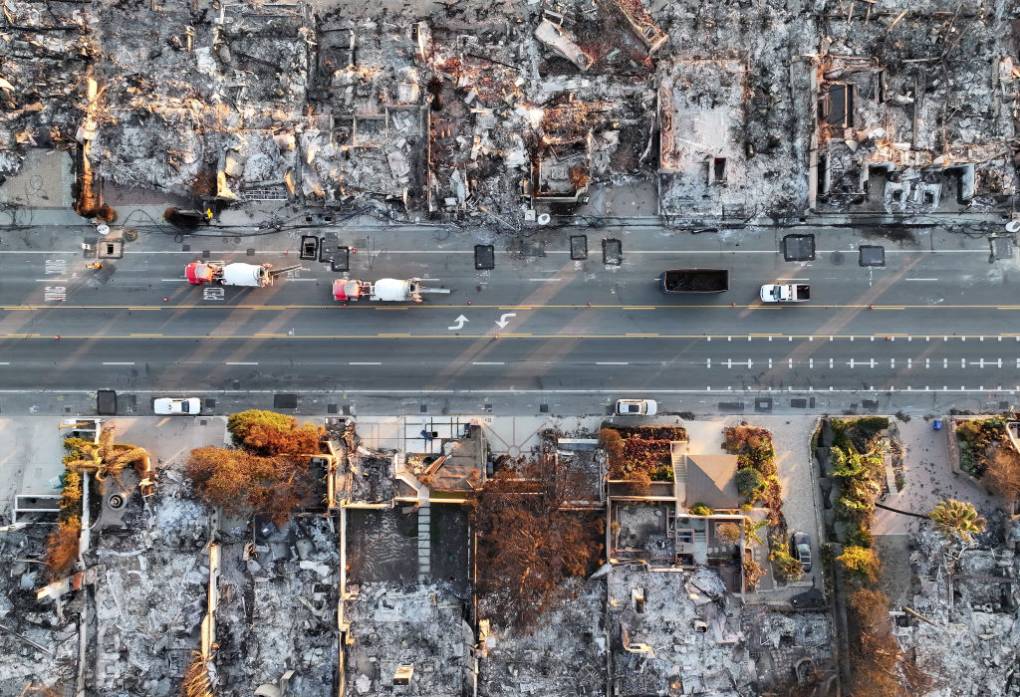
2 months agoThe Los Angeles wildfires were the perfect storm'. Is the city ready for the next one?
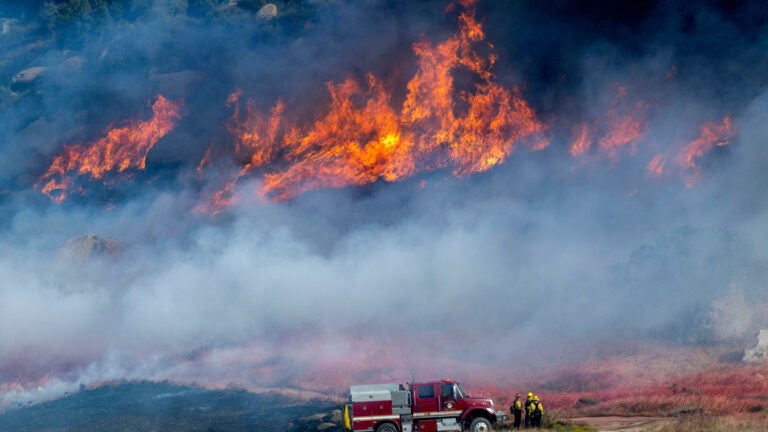
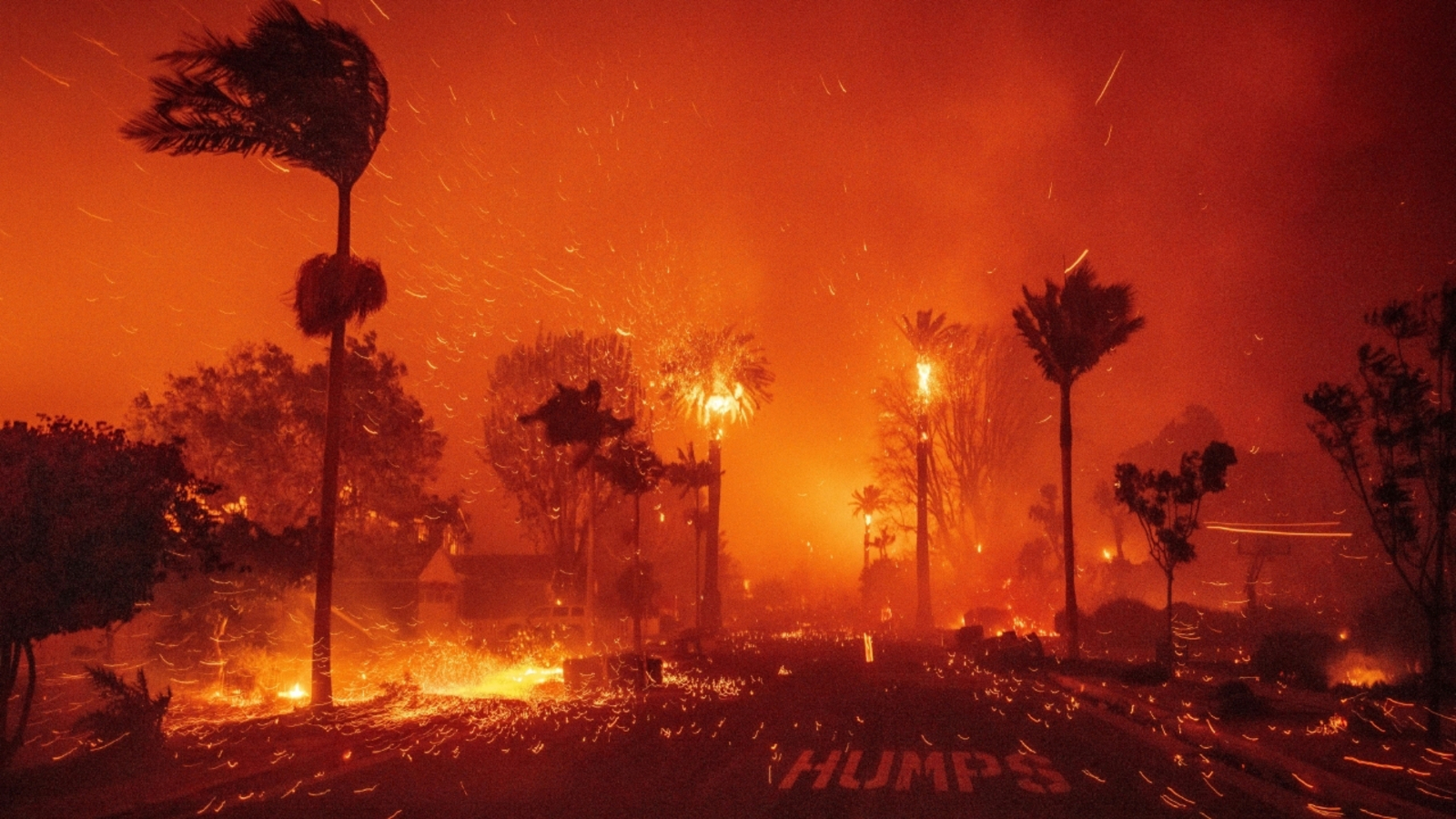
Unprecedented wildfires destroyed over 16,000 structures, killed 31 people, overwhelmed systems, left thousands displaced, and exposed critical failures in preparedness and emergency response.



fromSFGATE
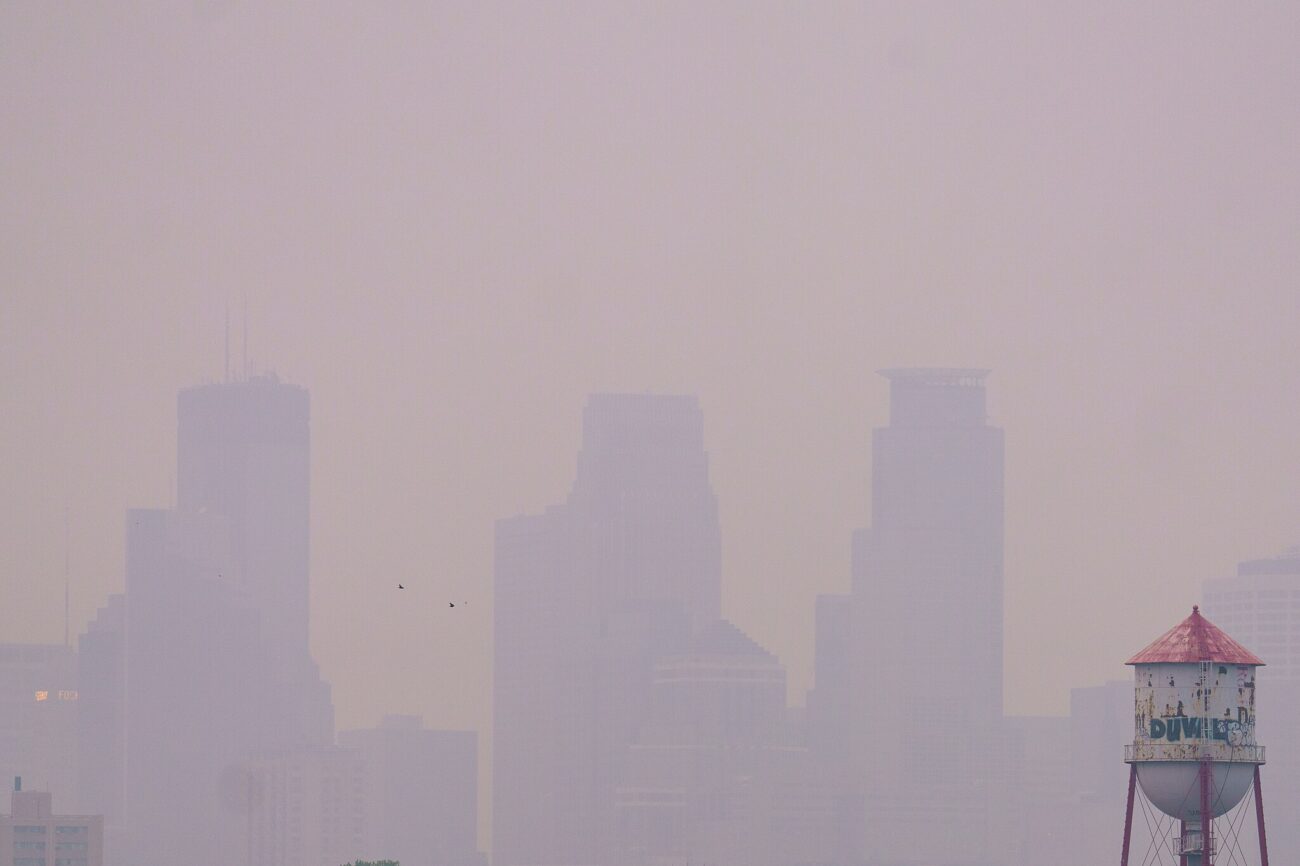
15 hours agoSeabirds are dying in large numbers along California beaches
"They didn't even try to fly away. They just feebly made noise," a woman told the Santa Barbara Independent on Saturday after spotting over two dozen dead or dying cormorants near Goleta Beach. "A few were on their stomachs, wings spread [and] gasping for breath.... Heartbreaking."
Miami Marlins
fromFast Company
2 days agoSee it: Air temperatures and pollution around the world are captured in real time in these animated weather maps
We created Earth in Action to provide a lens into what's happening on our planet, as it happens. Whether it's something typical, like the current air temperature, or an extreme event like a major dust storm, we wanted to provide an opportunity for people to see them.
OMG science
fromHigh Country News
3 days agoForest Service overhaul sows confusion, concern - High Country News
"Nobody is asking for this. None of the farm groups want this. No one in conservation wants this. Nobody." Robert Bonnie, former Forest Service undersecretary, highlights widespread opposition to the reorganization.
Washington DC


fromABC7 San Francisco
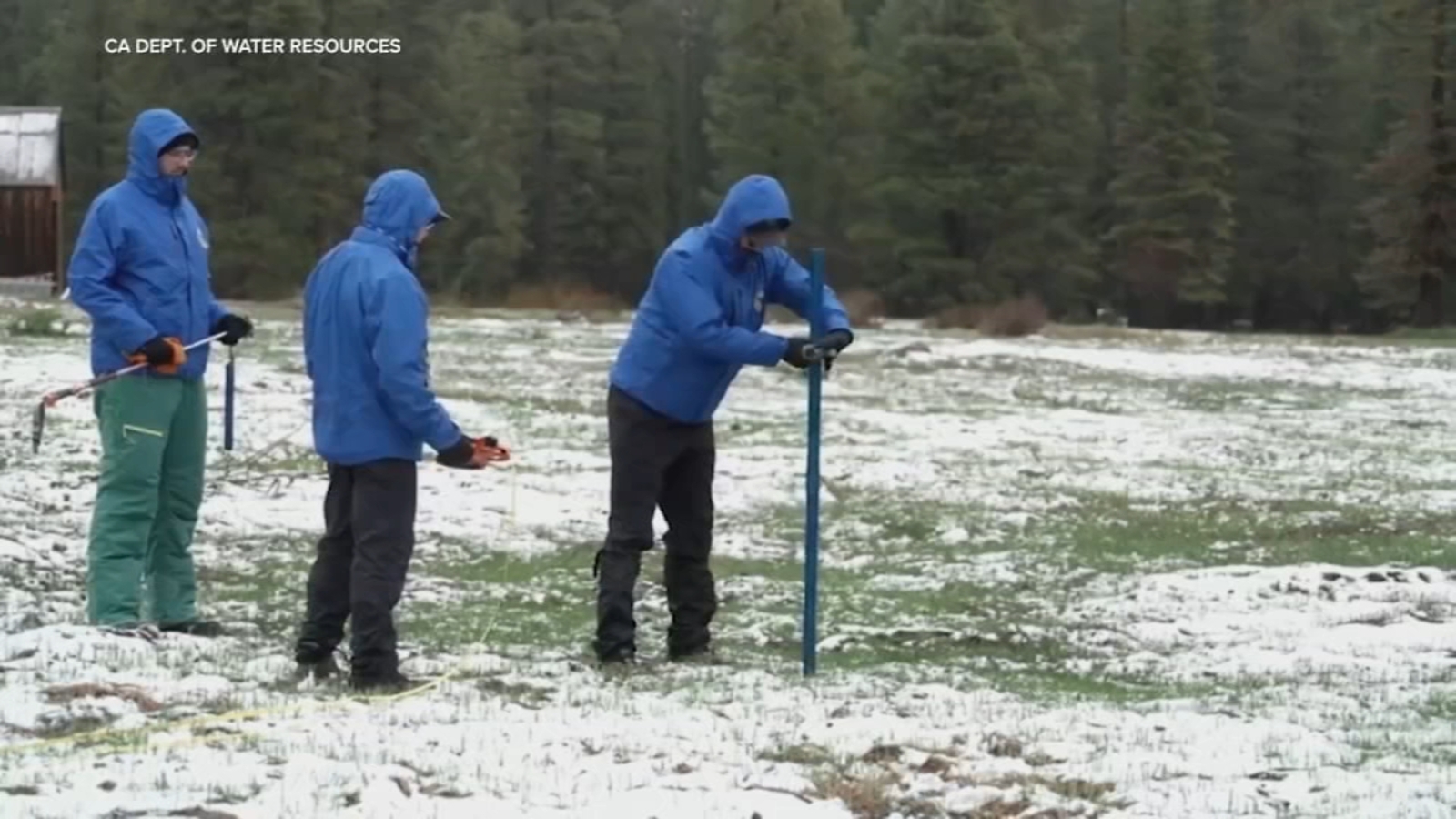
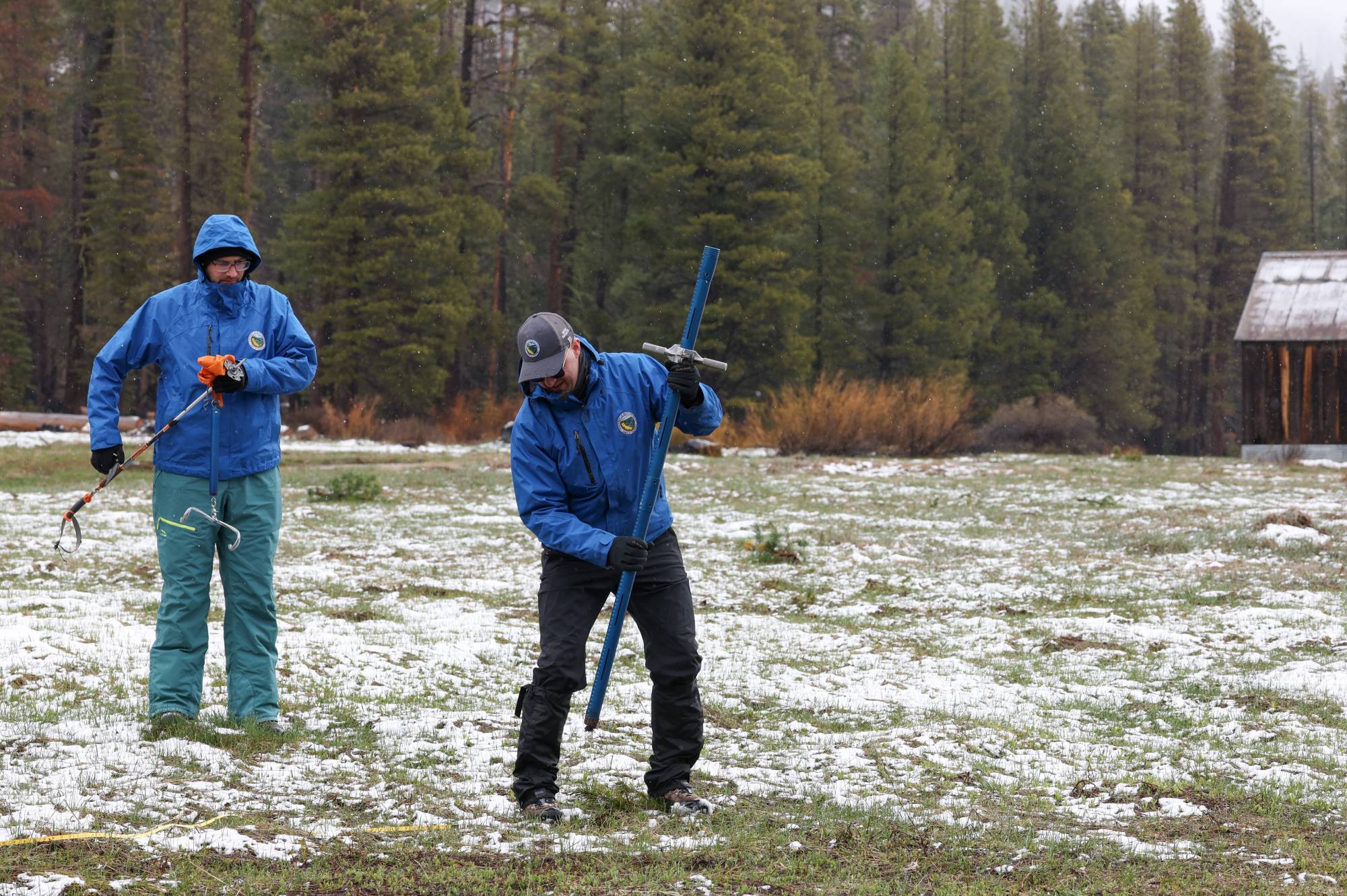
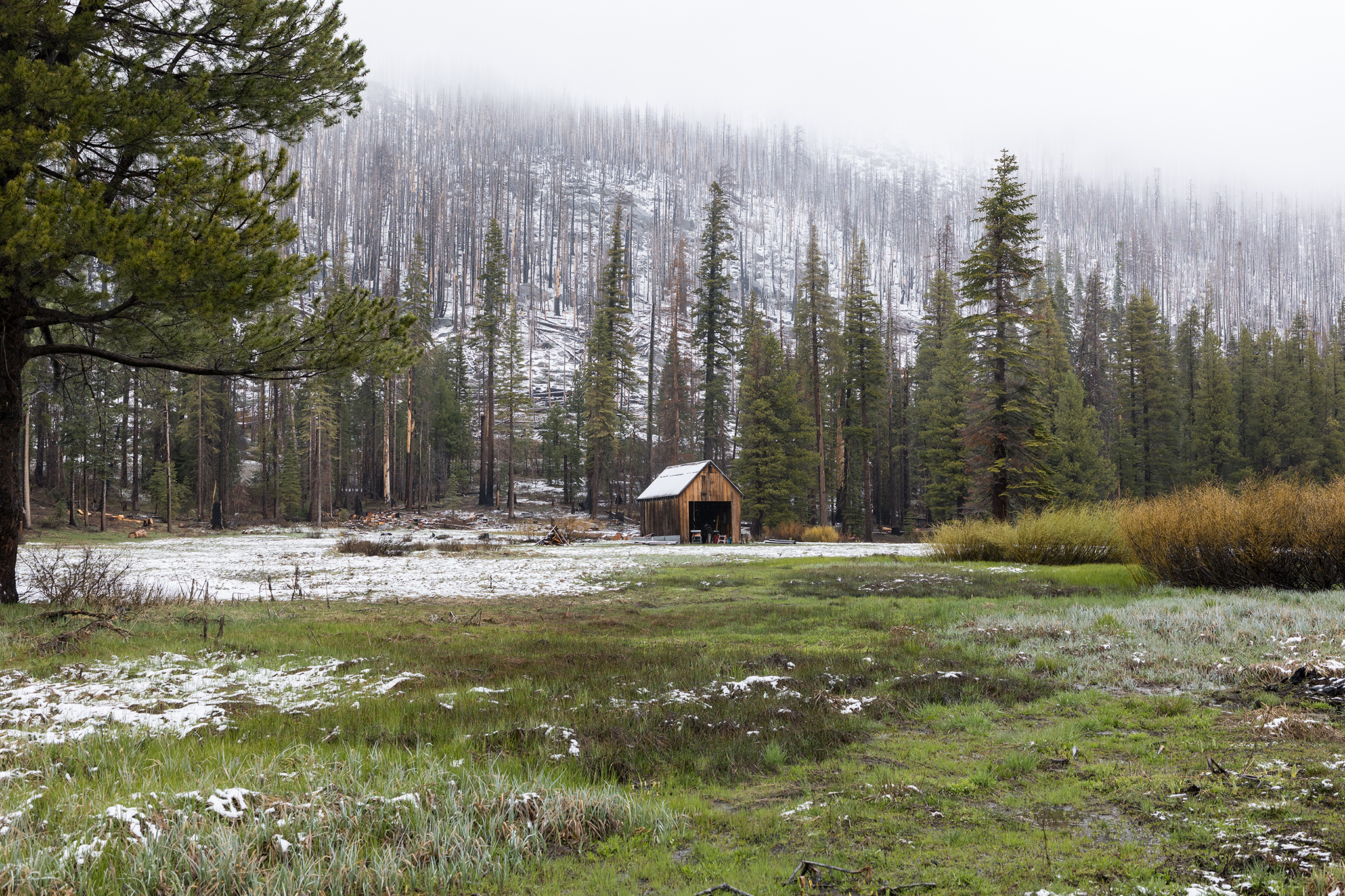
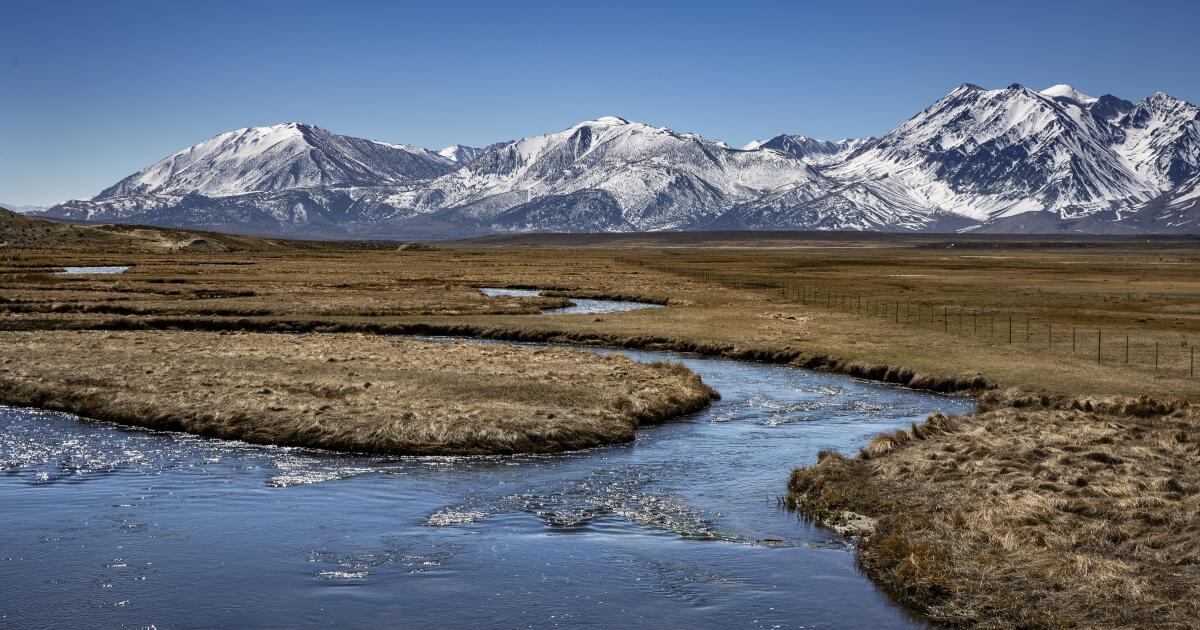
6 days agoBay Area weather radar network aims to improve storm forecasting, flood prep and drought planning
"This is going to help fill that gap in minutes to hours lead time that's vital to know where the heaviest rain is going to hit," Ralph said. "And when and what communities are going to be affected so people in the preparedness community and water resource management community can take action to help protect people's lives and property."
San Francisco


San Francisco
fromABC7 San Francisco
2 weeks agoHere are some ways to prepare as record-breaking March heat hits the Bay Area
The Bay Area faces an unprecedented March heat wave with record-breaking temperatures and a heat advisory through Friday, prompting officials to urge residents to take safety precautions.
East Bay (California)
fromKqed
2 weeks agoRecord-Breaking Heat Wave Bakes the Bay Area Through Friday | KQED
An unprecedented early-season heat wave is bringing temperatures 30 degrees above normal to California, with the National Weather Service issuing its earliest March heat advisory ever, creating elevated wildfire risk and heat illness concerns.
California
fromABC7 San Francisco
2 weeks ago'Concerning': Bay Area sizzles in March heat wave, bringing fire danger and AC issues
An unprecedented March heat wave with record temperatures is straining Bay Area infrastructure, causing air conditioning systems to fail prematurely and raising wildfire concerns due to dry conditions.
fromSFGATE
3 weeks agoBay Area's hot and dry weather will make your eyes water
That does make the plants begin to pollinate. The warm weather definitely gets them going and at higher levels in the air, absolutely. When we're seeing a bit more windy days, that can also increase that amount of pollen that's in the air.
San Francisco
#extreme-heat
Environment
fromwww.theguardian.com
3 weeks agoBlistering early-season heatwave threatens California and other western states
An early-season heatwave will bring temperatures 20-30°F above normal across western US states, threatening daily and all-time March records while intensifying drought concerns amid record low snowpack.
fromSFGATE
2 days agoHawaii storms produced enough rain to fill 3 million Olympic swimming pools
The powerful March storms that drenched Hawaii produced more than 2 trillion gallons of rain and pushed precipitation levels to as much as 3,000% above normal in a 14-day period for this time of year.
Environment
#wildfire-prevention
California
fromLos Angeles Times
1 month agoLegislators eye new prevention efforts in fire-scarred California: 'A tipping point'
California legislators introduced a dozen bills to prevent wildfires and reduce damage following devastating January fires that killed 31 people and caused $250 billion in losses.
Environment
fromwww.theguardian.com
2 weeks agoCan culling your garden slow a wildfire? A California city pins its hopes on a contested plan
Homeowners in high-risk wildfire areas must remove flammable vegetation near their homes, including beloved plants, as part of new Zone 0 fire safety regulations requiring cleared space around structures.
Environment
fromLos Angeles Times
2 weeks agoCalifornia's snowpack was already meager. Now comes an extraordinary heat wave
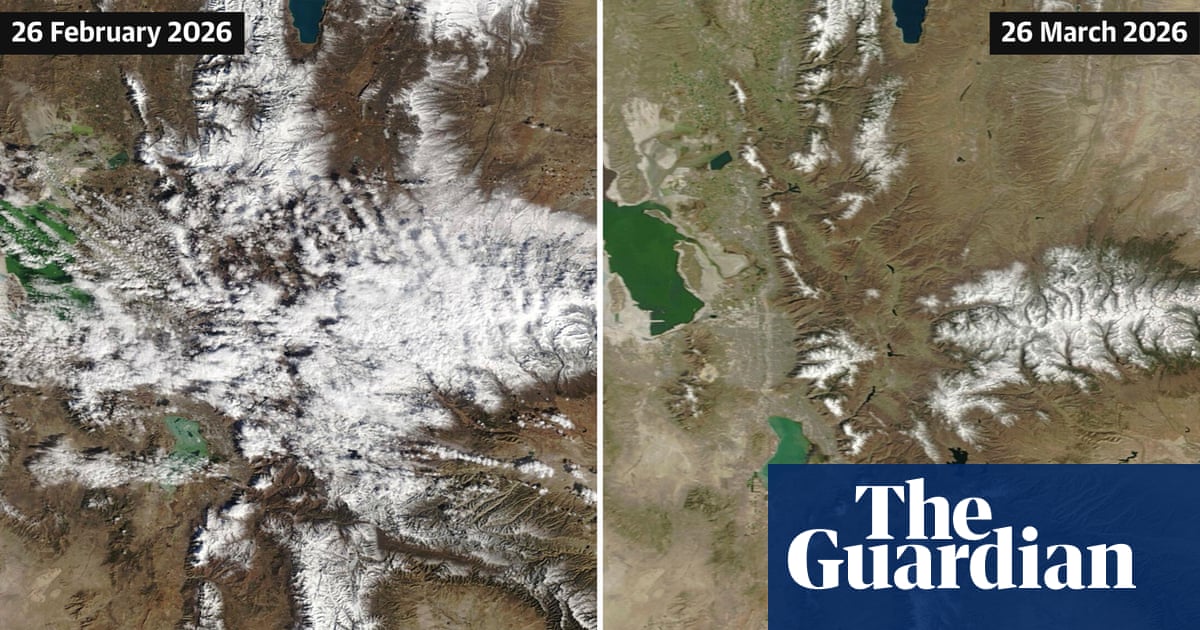
California's Sierra Nevada snowpack is at 48% of average due to an extremely warm winter, with rapid melting accelerated by an incoming heat wave threatening the state's water supply.

Public health
fromwww.theguardian.com
1 month agoWood burning pollution leads to 8,600 premature US deaths a year, study finds
Residential wood burning causes an estimated 8,600 premature US deaths annually and contributes about 21% of wintertime particulate pollution despite only 10% of homes burning wood.
Environment
fromEarth911
1 month agoGuest Idea: The Wildfire Season You're Not Prepared For
Extreme wildfire conditions caused by heat, drought, and wind alignment have nearly tripled globally over 45 years, with human-caused climate change responsible for over half this increase, making simultaneous extreme fire weather across multiple regions increasingly common.




fromLos Angeles Times
2 months agoLeaked memo reveals California debated cutting wildfire soil testing before disaster chief's exit
One year ago, Nancy Ward, then the director of the California Governor's Office of Emergency Services (Cal OES), petitioned the Federal Emergency Management Agency to spearhead the cleanup of toxic ash and fire debris cloaking more than 12,000 homes across Los Angeles County. Although Ward's decision ensured the federal government would assume the bulk of disaster costs, it came with a major trade off.
California
fromLos Angeles Times
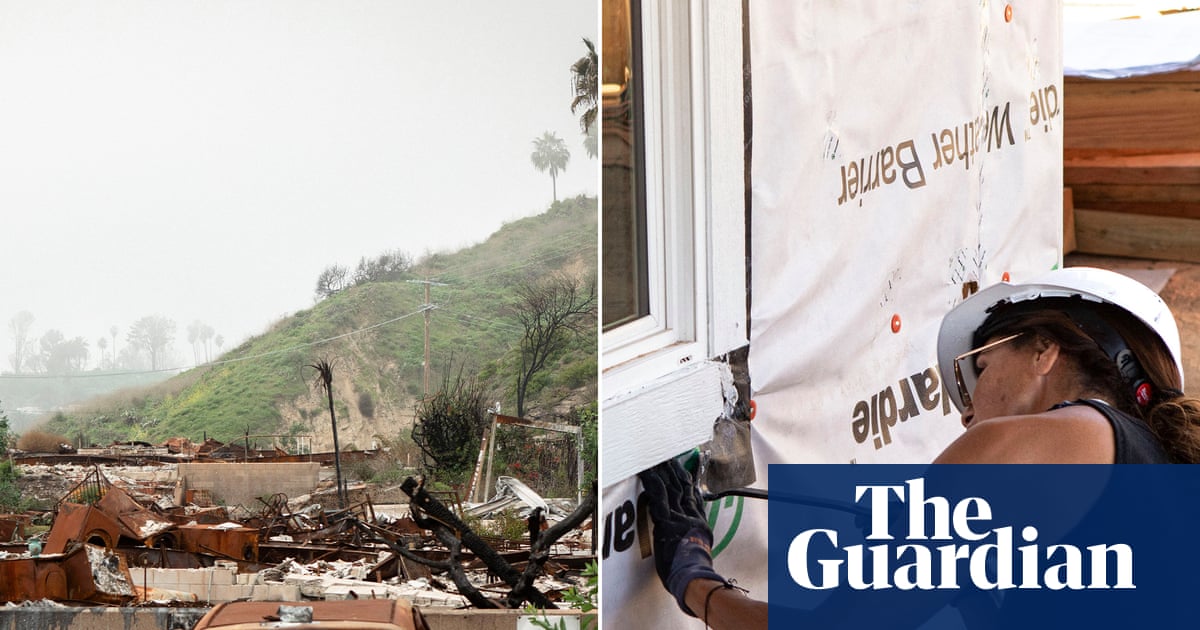
2 months agoA push to end a fractured approach to post-fire contamination removal
The patchwork efforts to identify and safely remove contamination left by the 2025 Eaton and Palisades fires has been akin to the Wild West. Experts have given conflicting guidance on best practices. Shortly after the fires, the federal government suddenly refused to adhere to California's decades-old post-fire soil-testing policy; California later considered following suit. Meanwhile, insurance companies have resisted remediation practices widely recommended by scientists for still-standing homes.
Public health
[ Load more ]