#snowfall-decline
#snowfall-decline
[ follow ]
#climate-change #snowpack #drought #extreme-weather #water-supply #california #california-water-supply



fromwww.cbc.ca
11 hours agoIt may not feel like it, but warmer temperatures are right around the corner: meteorologist | CBC News
Kennedy predicts hot and dry conditions from the west will shift eastward later this week, allowing for a noticeable warm-up and shift towards spring-like conditions.
Canada news



fromwww.theguardian.com
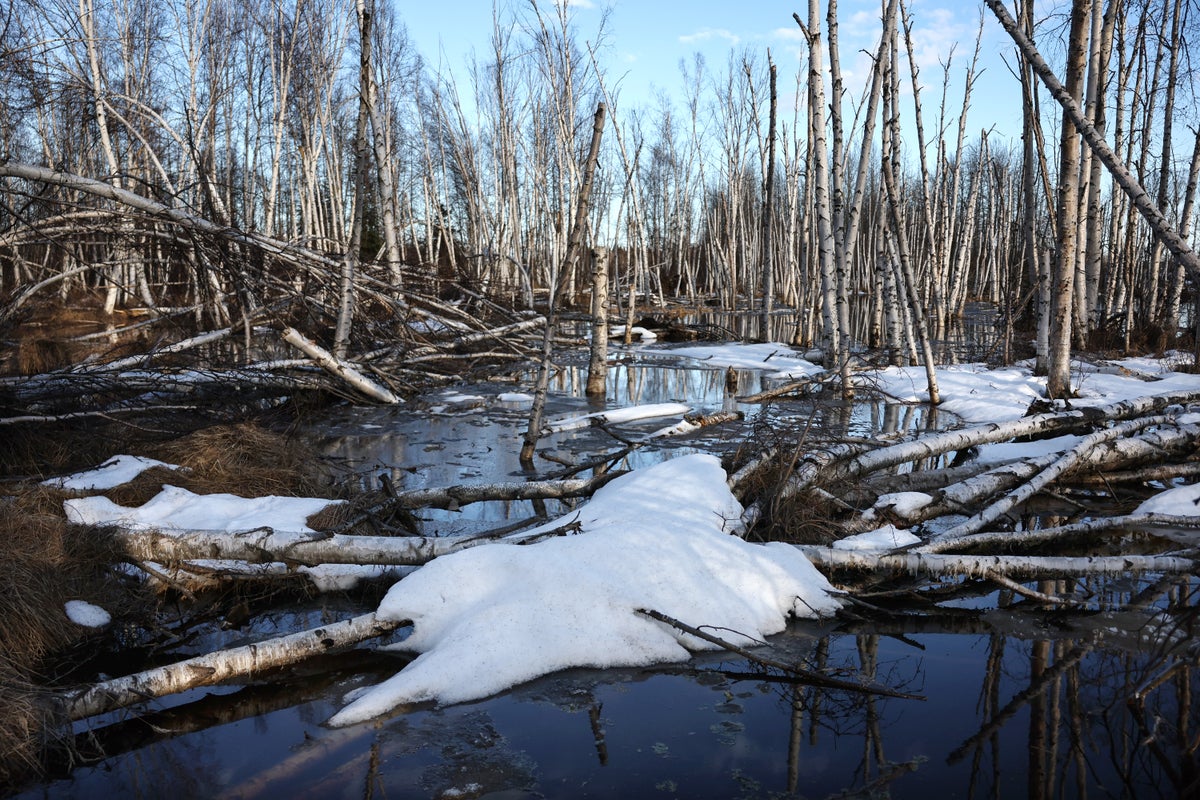
3 weeks agoToronto's snow mountains: towering peaks that refuse to melt and leave a toxic trail
In late January, Toronto was hit with what many experts said was the heaviest single day of snowfall in the city's history. In some spots, nearly 23in fell, driven in part by a collision of weather systems. The city had already removed 264,000 tonnes of snow from 1,100 km (680 miles) of roads, sidewalks and bike lanes by mid-February.
Canada news
Environment
fromFortune
5 days agoData centers are so hot, their 'heat island' effect is raising temperatures up to 6 miles away and impacting 343 million people worldwide, study finds | Fortune
AI infrastructure is creating a 'data heat island effect' that raises local temperatures and impacts millions of people.
#california-water-crisis
Agriculture
fromwww.pressdemocrat.com
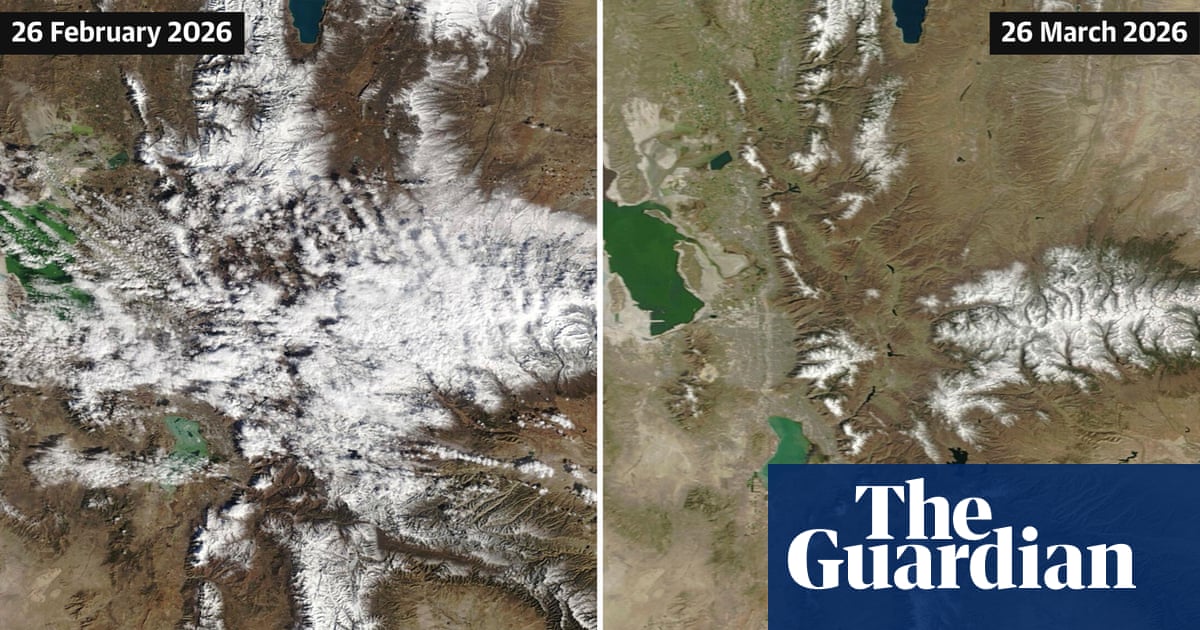
1 month agoLow snowpack, higher temperatures cause concern for Bay Area scientists, farmers
California needs significant March rain and snow to restore water resources after an unusually warm winter, despite February storms improving reservoir levels to 70-80% capacity.
Environment
fromLos Angeles Times
3 weeks agoCalifornia's snowpack was already meager. Now comes an extraordinary heat wave
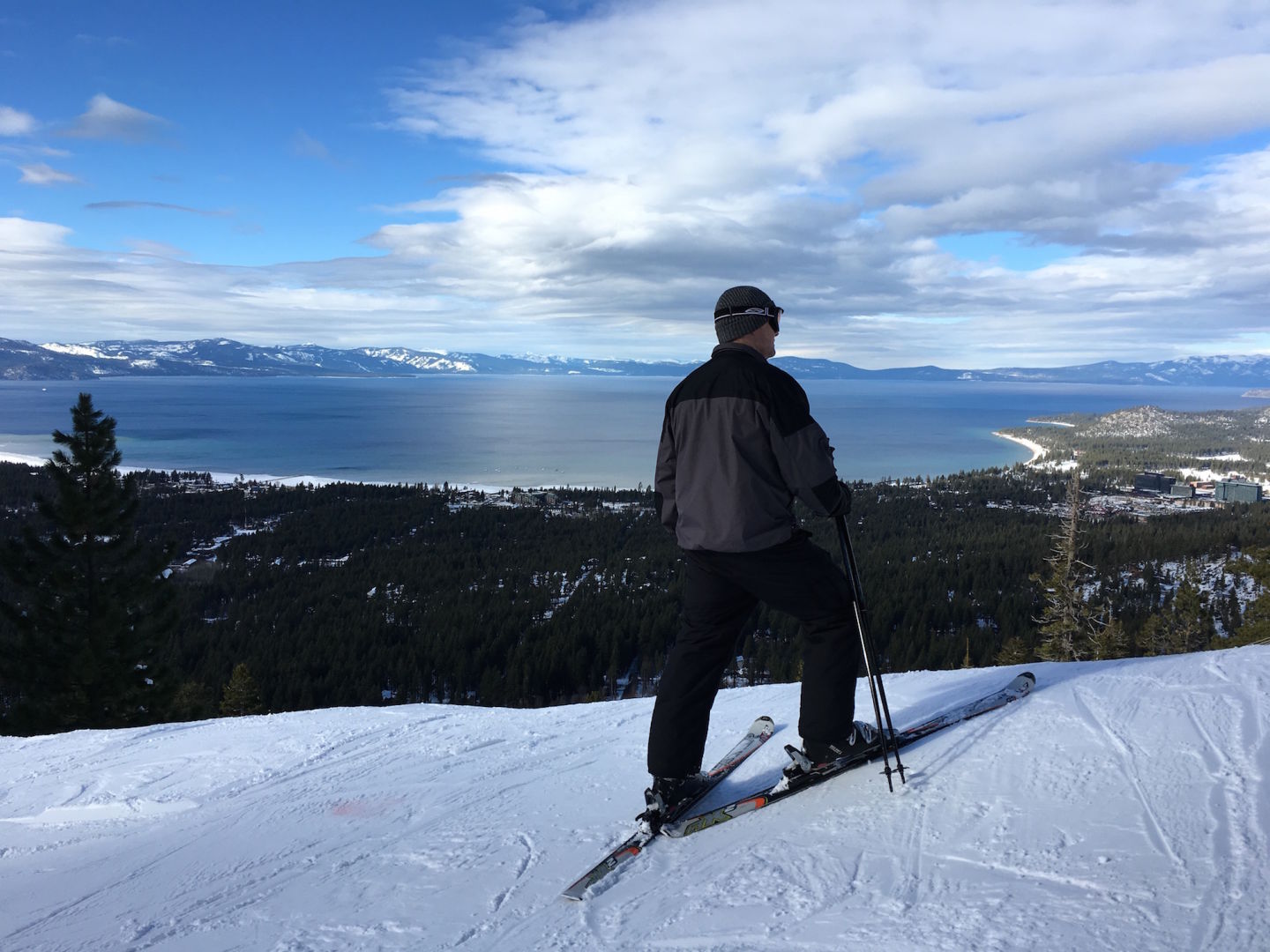
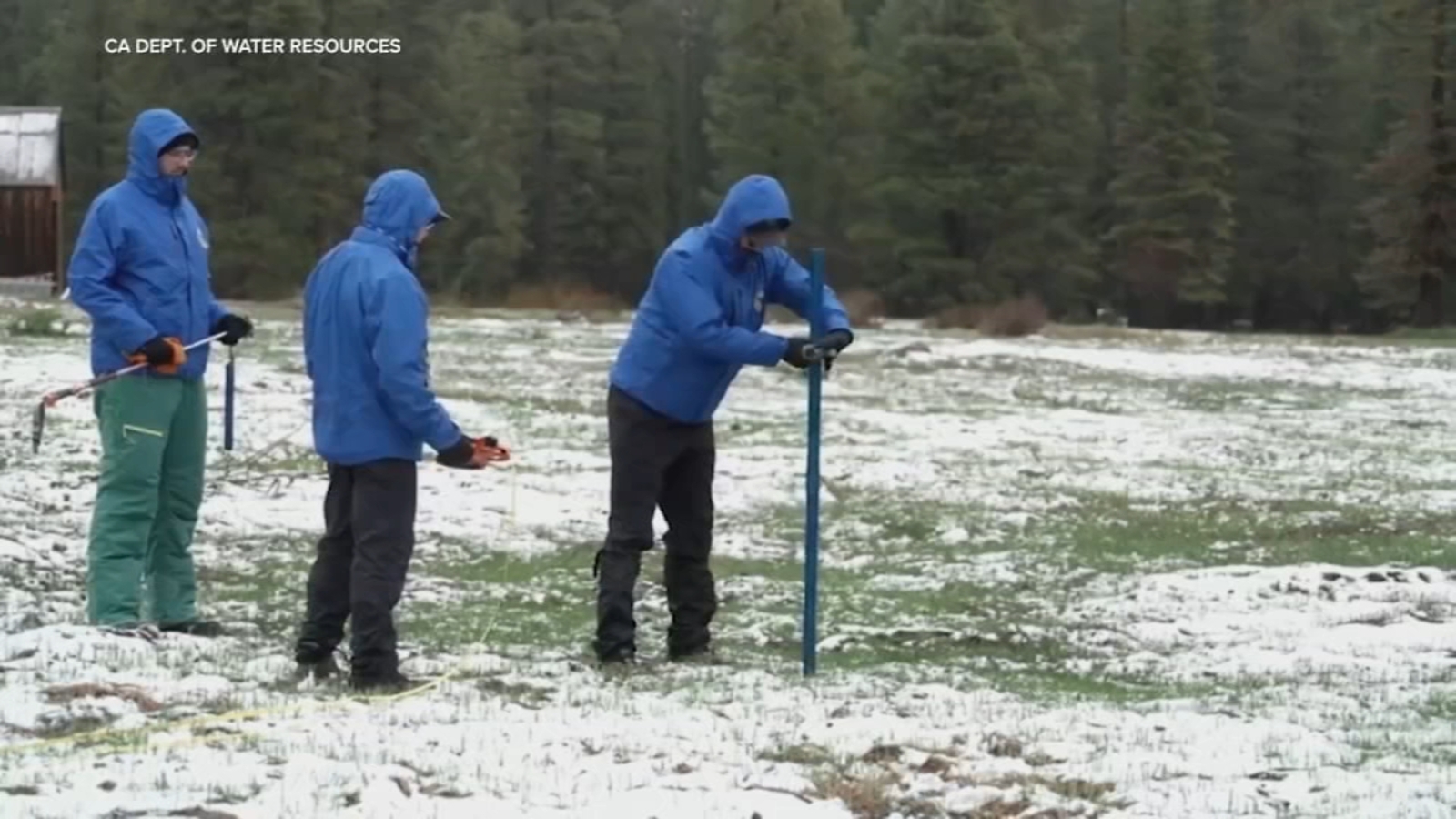
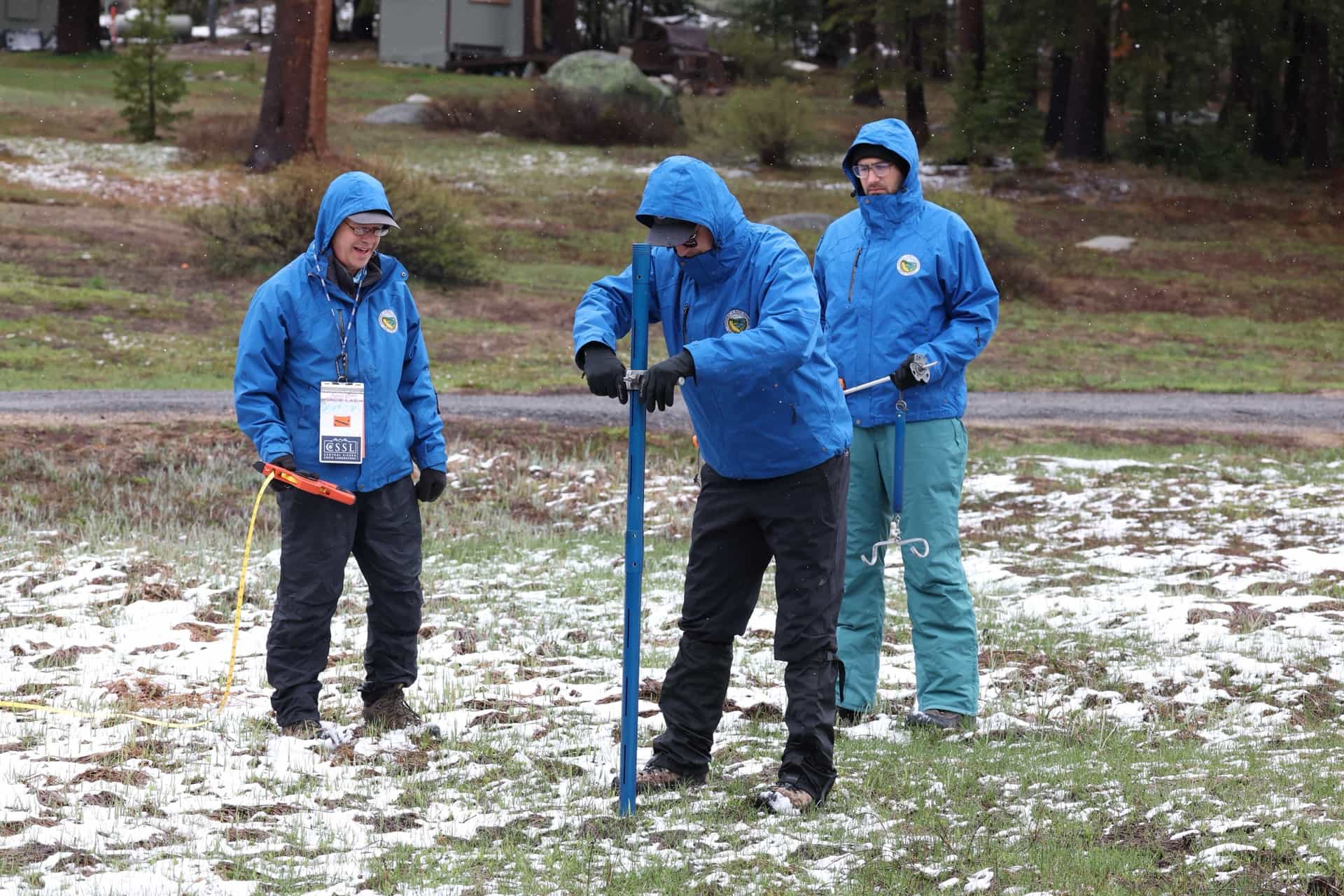
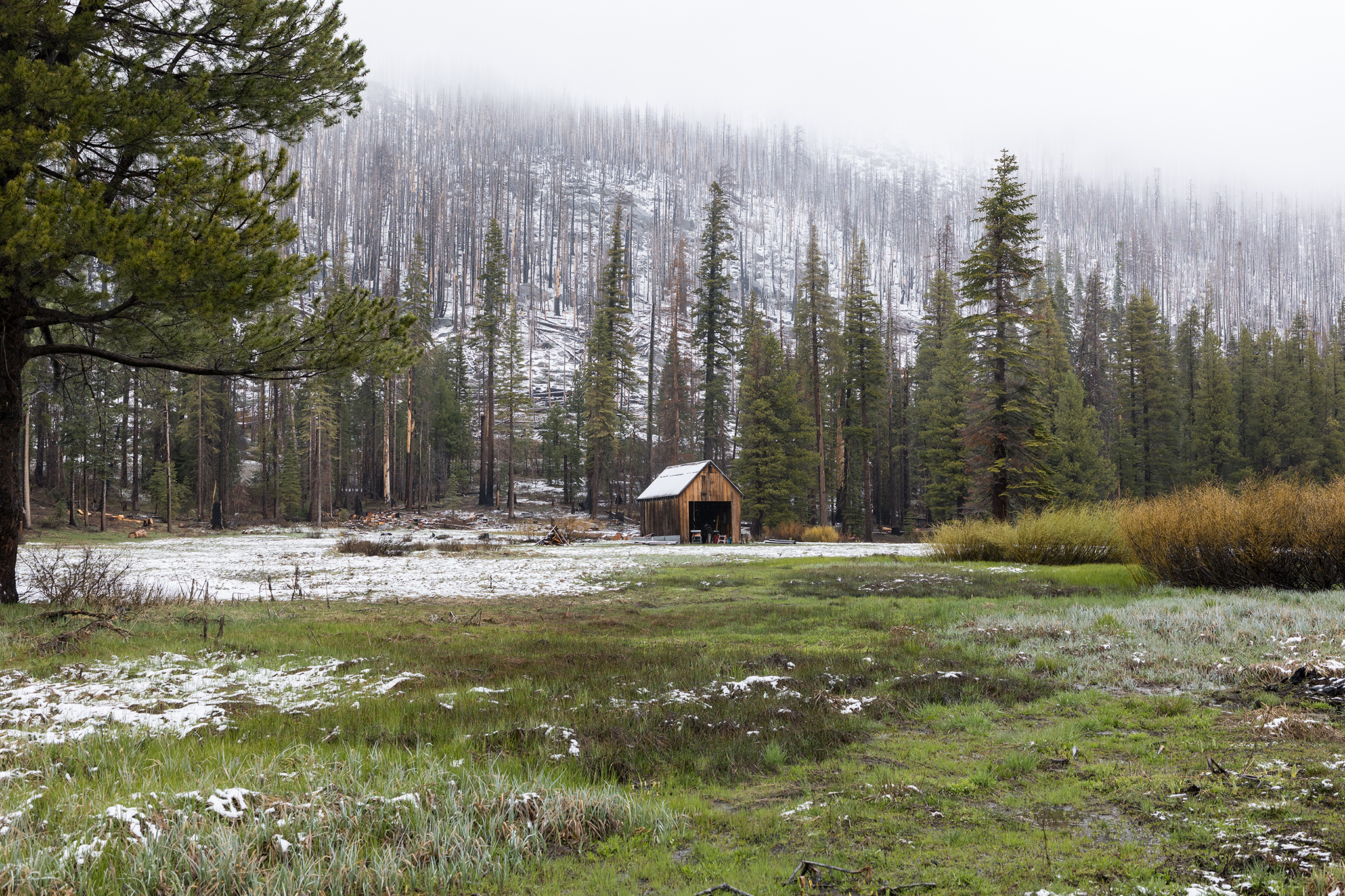
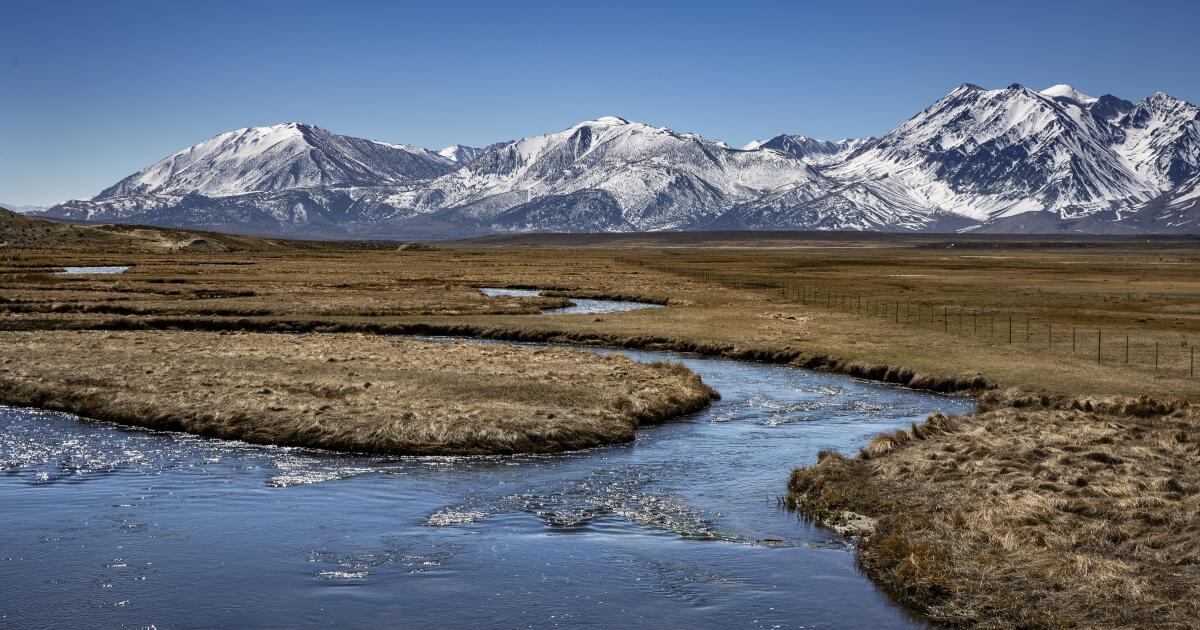
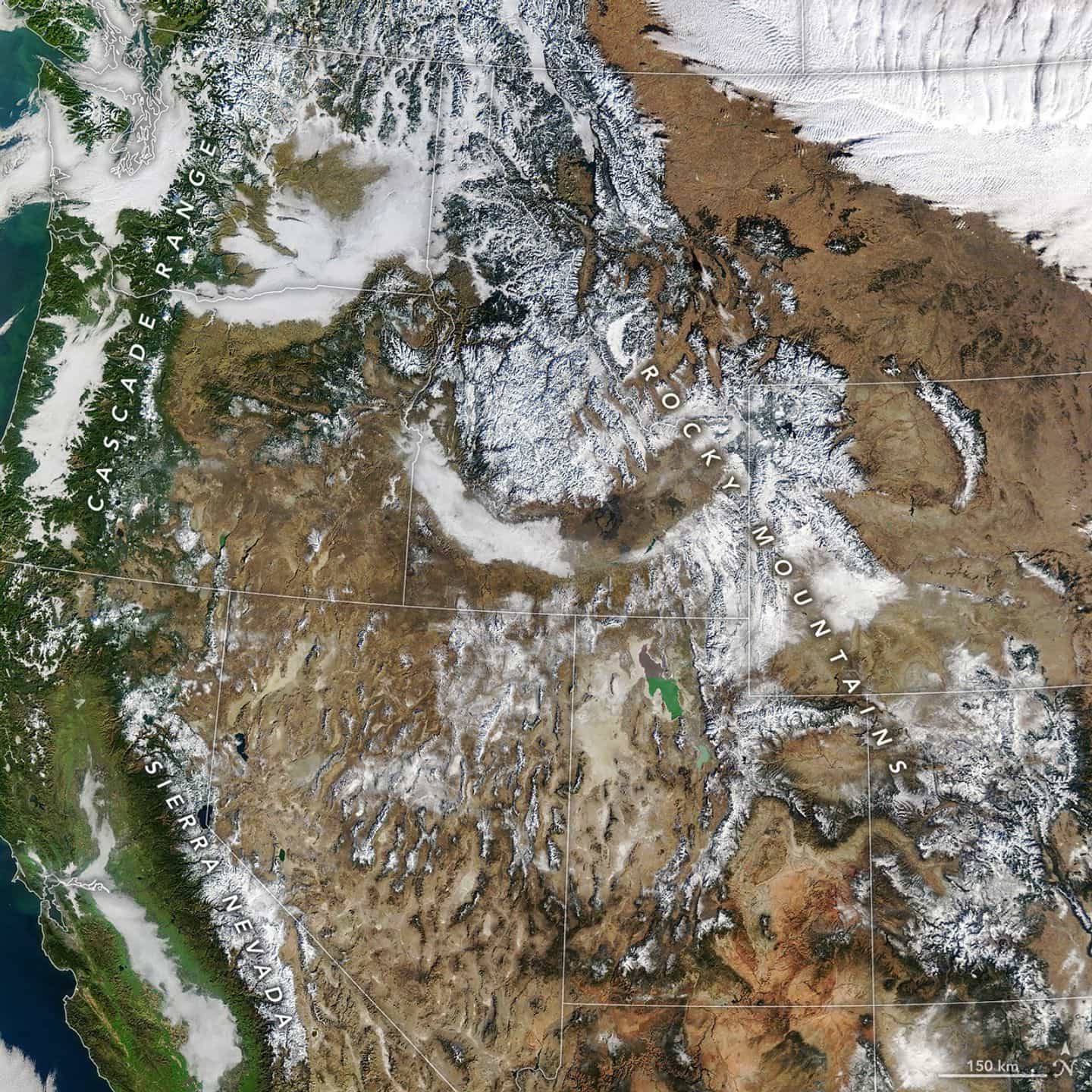
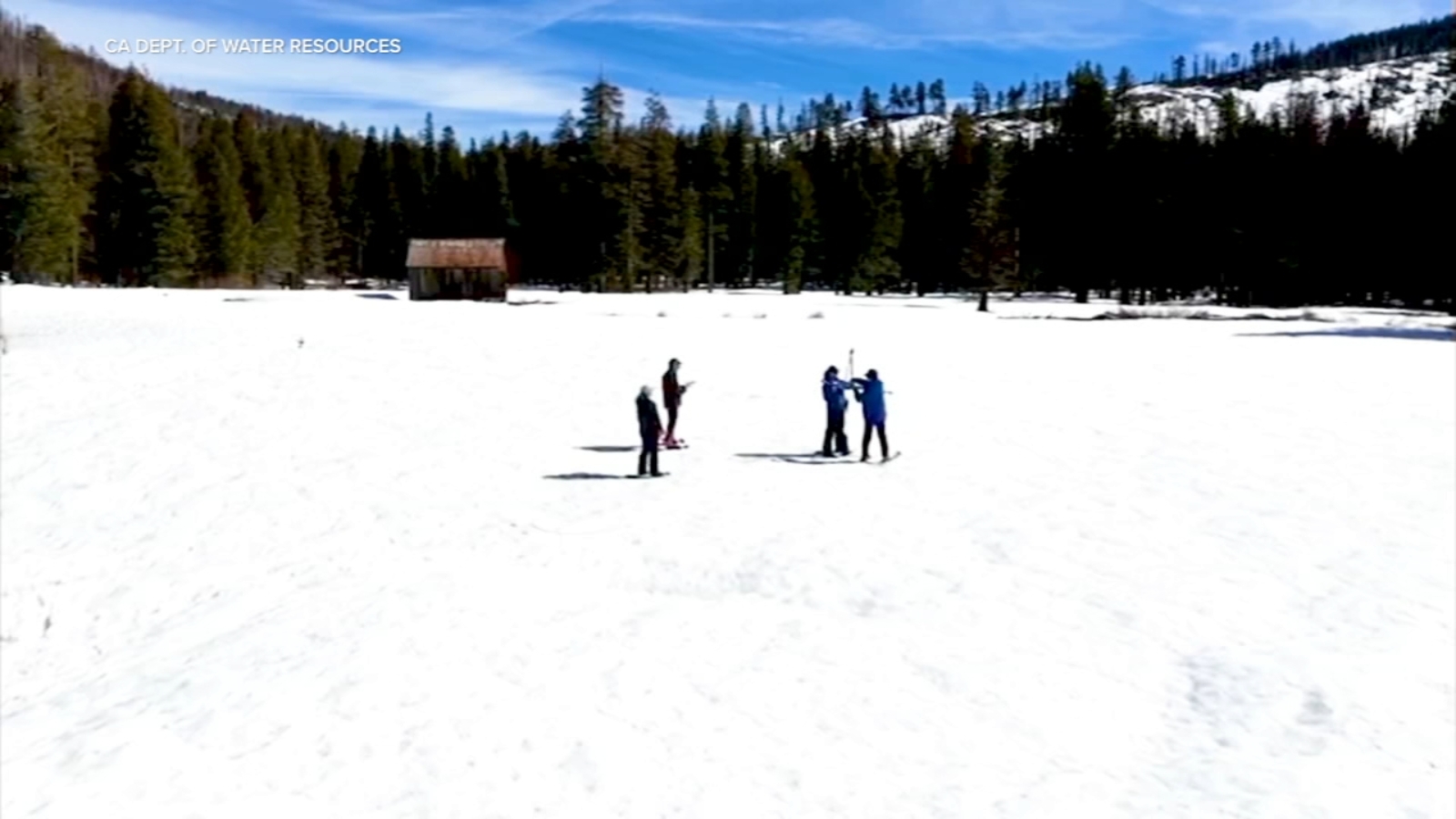
California's Sierra Nevada snowpack is at 48% of average due to an extremely warm winter, with rapid melting accelerated by an incoming heat wave threatening the state's water supply.




fromThe Atlantic
1 month agoThe Blind Spot at the Top of the World
He had flown in from Mar-a-Lago and, he told me, was there to observe. The next day, he watched as Åsa Rennermalm, a Rutgers University professor who studies polar regions, sat onstage with European foreign ministers and spoke out against cuts to U.S. science funding. "A leading US Arctic scientist is on stage absolutely ripping her country to the delight of the audience," Dans wrote on X. "Embarassing." He punctuated his post with an American-flag emoji.
US politics
fromThe New Yorker
2 months agoWhat Happens When the Snow Doesn't Melt?
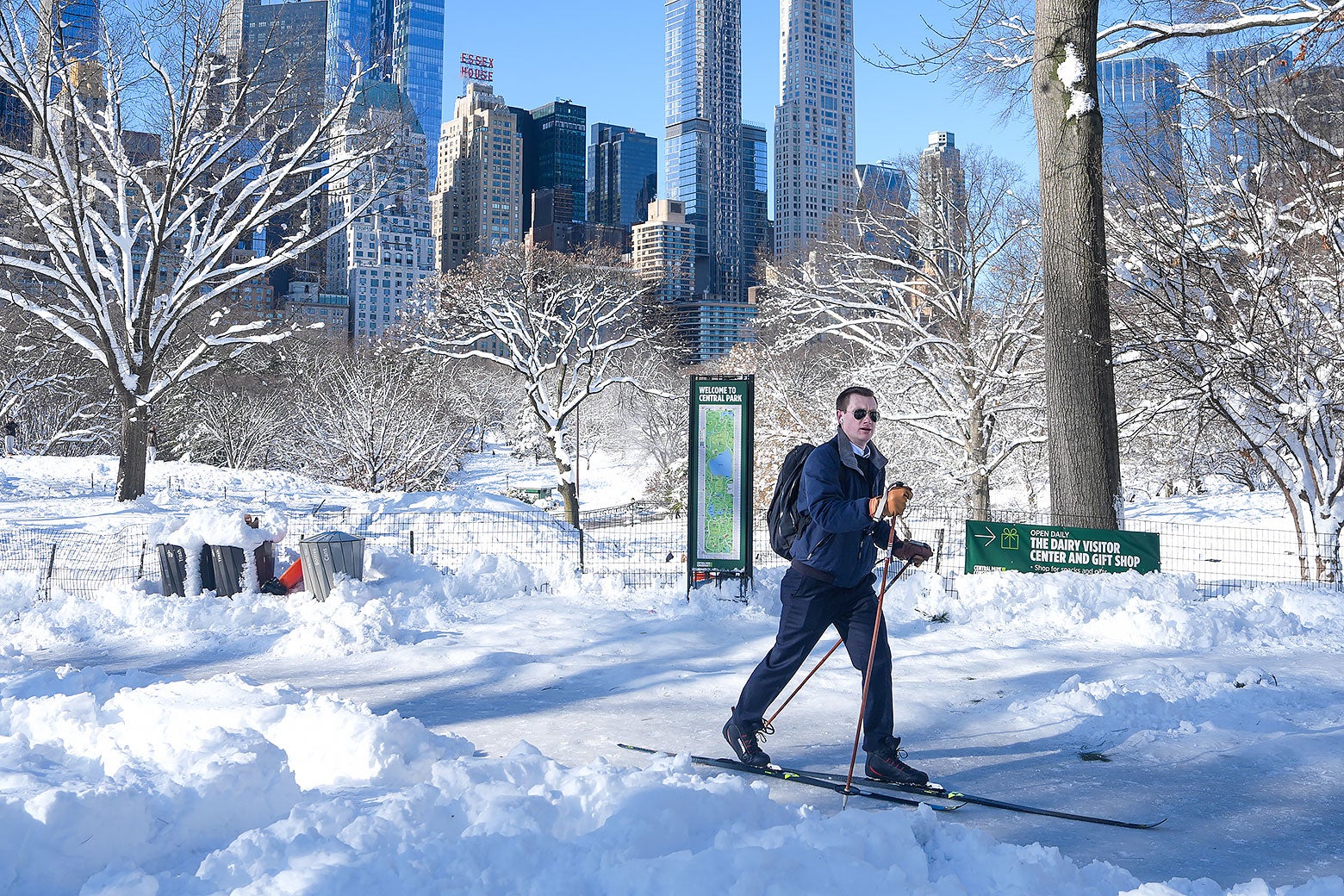
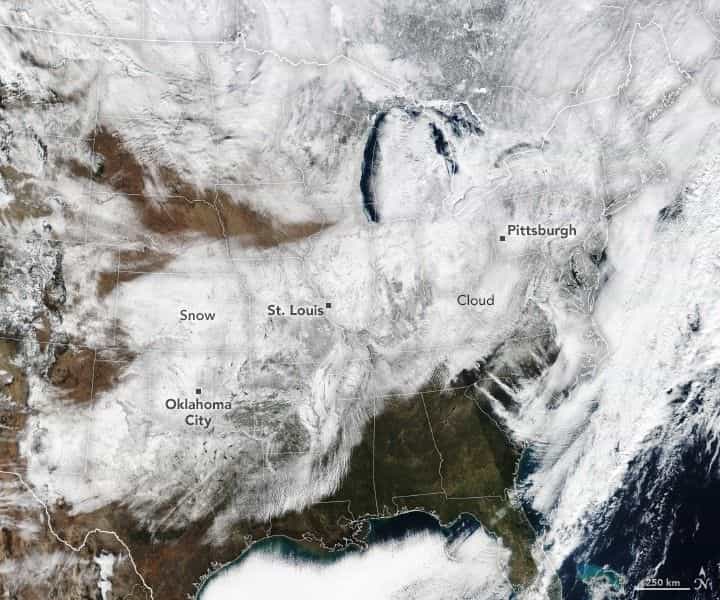
This past week in New York City, fifteen inches of snow fell and more than twenty-two hundred snowplows pushed it away. Twelve thousand miles of sidewalk were shovelled. Two hundred and nine million pounds of salt were spread, and, after it got really bad, two hundred thousand gallons of calcium chloride, a chemical ice melt, were deployed. Sometimes the work you do leaves its mark; sometimes it doesn't.
New York City
California
fromThe Mercury News
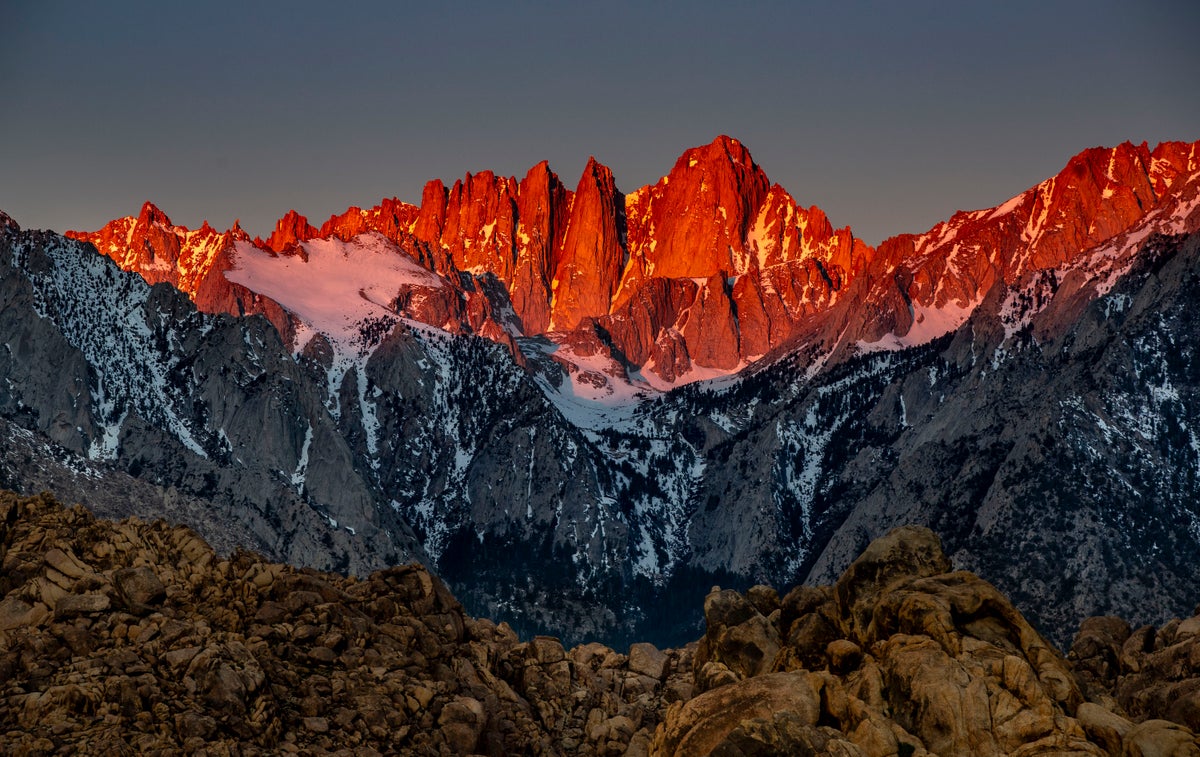
1 month agoSierra Nevada snowpack just 68% of normal after whiplash winter, but water supplies are OK, experts say
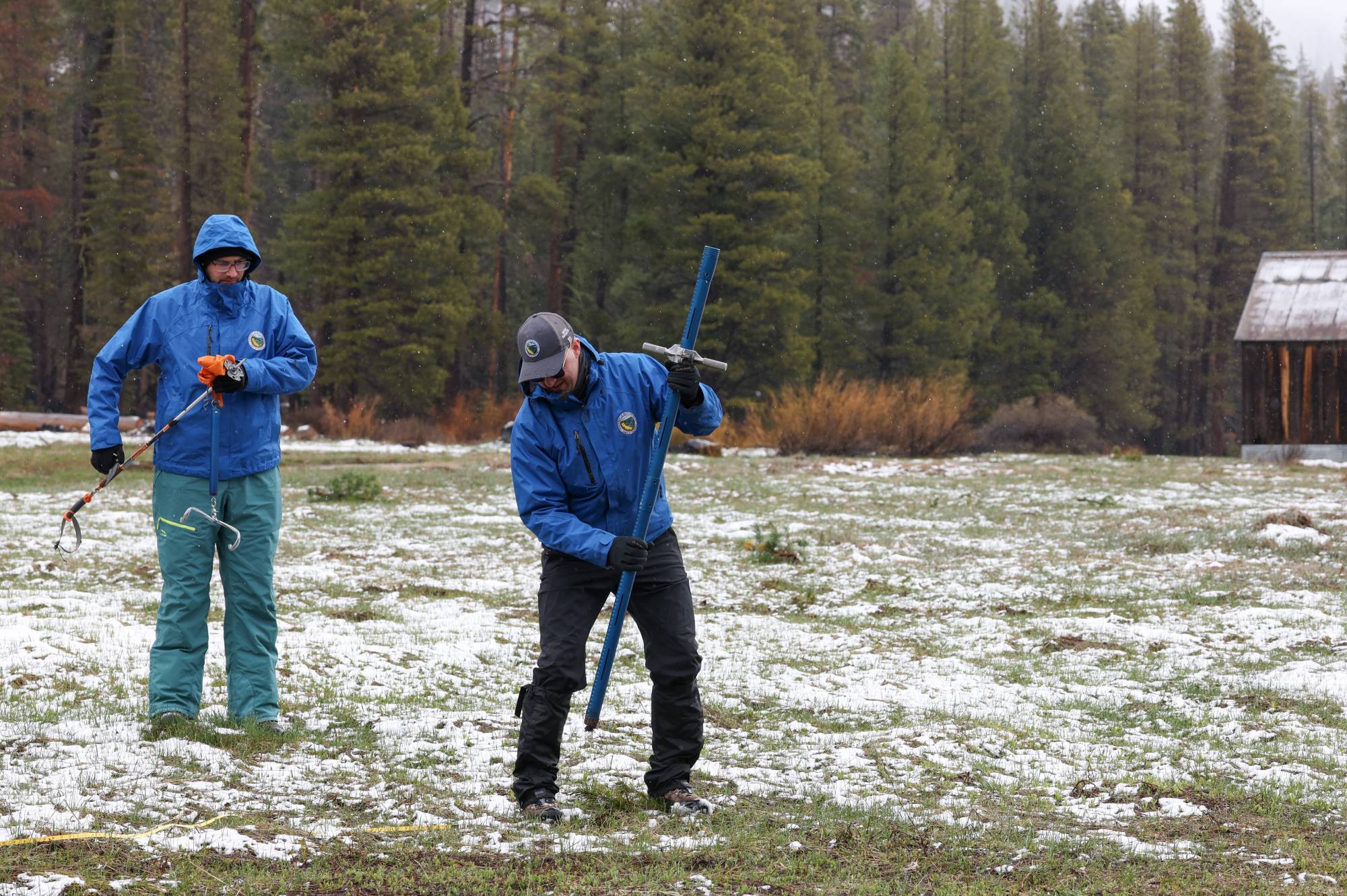
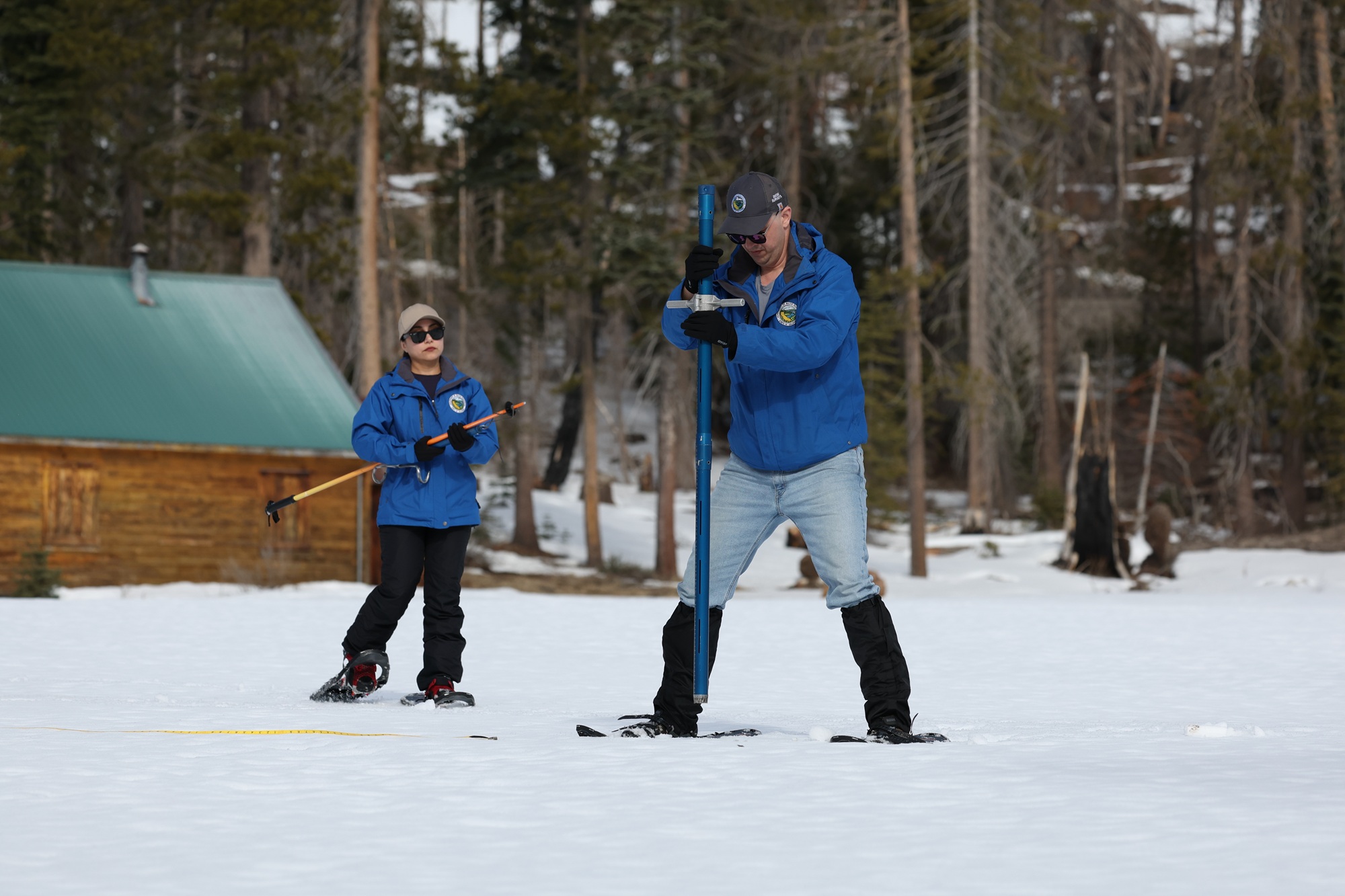
California's winter weather has been extremely volatile, with alternating dry and snowy periods leaving the Sierra snowpack at 68% of historical average despite previous wet years filling reservoirs above normal levels.
Environment
fromThe Mercury News
1 month agoLow snowpack, higher temperatures cause concern for Bay Area scientists, farmers
March precipitation in higher elevations is critical for California's water security as snowpack remains significantly below average despite February storms and warm winter conditions.
fromSnowBrains
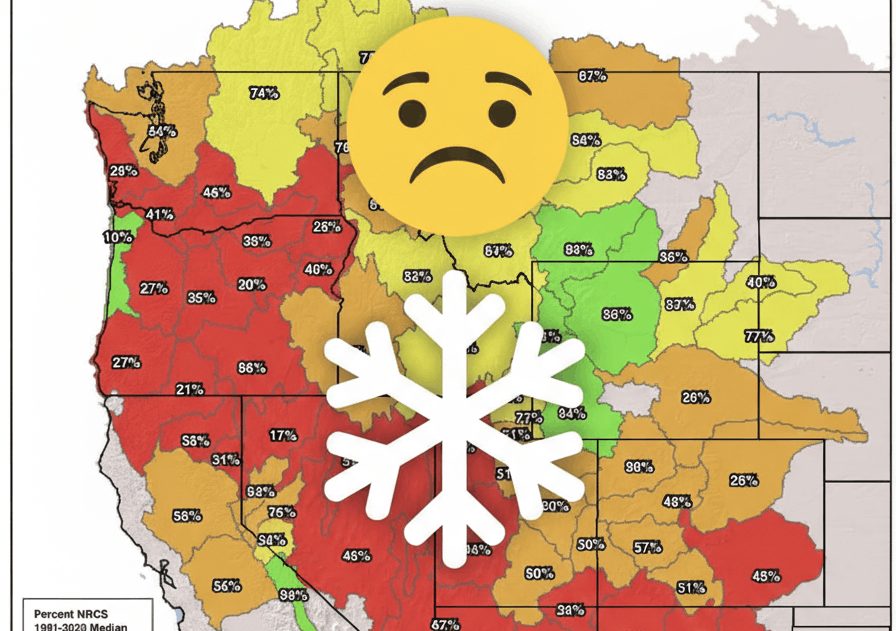
1 month agoCan Colorado's Snowpack Catch Up? - SnowBrains
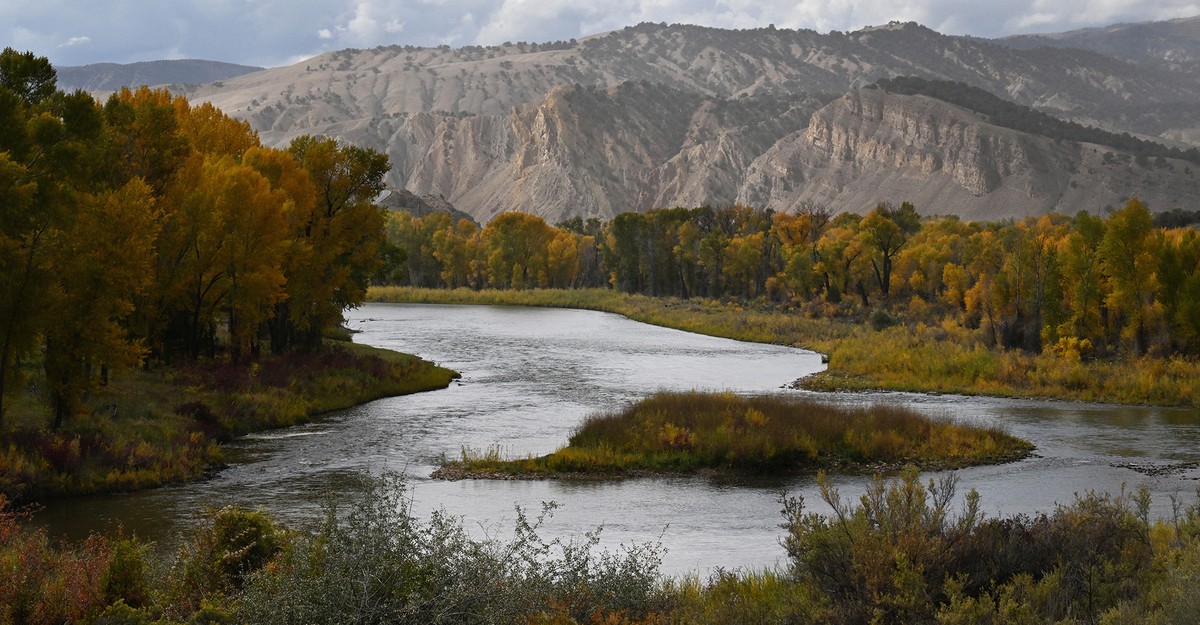
To get back to average snowpack, we essentially need to have the most snow that we've ever had for the last 30 years between now and mid-April. It would be extremely difficult for Colorado to get back to a normal/average snowpack. As an example, when looking at the Independence Pass SNOTEL site in central Colorado outside of Aspen, we typically have 13 inches of snow-water-equivalent at the end of February. This year, we only have 6.7 inches of SWE.
Snowboarding
fromSnowBrains
1 month agoAlaska, A Place Known for Massive Snow Totals, Records Snowiest January in Recorded History - SnowBrains
Recently, Anchorage, Alaska's largest city with nearly 400,000 residents, has just recorded its snowiest January on record. Tucked in between the mighty Cook Inlet and pushed right up against the Chugach Mountains, Anchorage sits in prime location for some serious snow totals. Moisture from pacific storms builds up over the inlet, and thanks to orographic lift caused by the mountains, forces that moisture to drop over Anchorage. Thanks to Alaska's northernly location, that moisture often falls in the form of snow.
Snowboarding
fromSFGATE
2 months agoHistorically warm, dry January erases snowpack gains in Sierra Nevada
"A dry January, which is historically the wettest month of the year in California, has now eroded the gains made at the start of the year and forecasts currently show no major precipitation in the next two weeks," California Department of Weather Resources spokesperson Jason Ince wrote in a Jan. 30 news release. The first month of the year certainly left the area warmer and drier than usual, weather officials confirmed.
Environment
fromenglish.elpais.com
2 months agoArctic warming Trump dismisses reaches record highs, stoking interest in Greenland
Climate change which U.S. President Donald Trump calls the greatest con job ever perpetrated in the world is precisely what is driving the push to gain control of Greenland, an ambition openly declared by Trump. Human-caused global warming is reaching record levels in the Arctic region. This triggers ice melt, opening new shipping routes that major powers want to control, as well as theoretically easier access to the island's resources minerals and fossil fuels.
Environment
fromwww.scientificamerican.com
2 months agoSvalbard's polar bears are showing remarkable resilience to climate change
Polar bears are the poster children of climate changeand for good reason. These giant bears hunt, mate and spend their days hanging out on Arctic sea ice, which is rapidly disappearing as the climate warms. But some polar bears, it seems, are far more resilient than we realized: new research suggests that in one region, the bears are adapting to the declining sea ice.
Environment
[ Load more ]