US politics
fromSlate Magazine
1 week agoWho Needs TSA When You Have ICE?
Politicians struggle to address the crisis in American air travel, mail-in ballot laws may impact 2026 elections, and social media companies face new legal challenges.
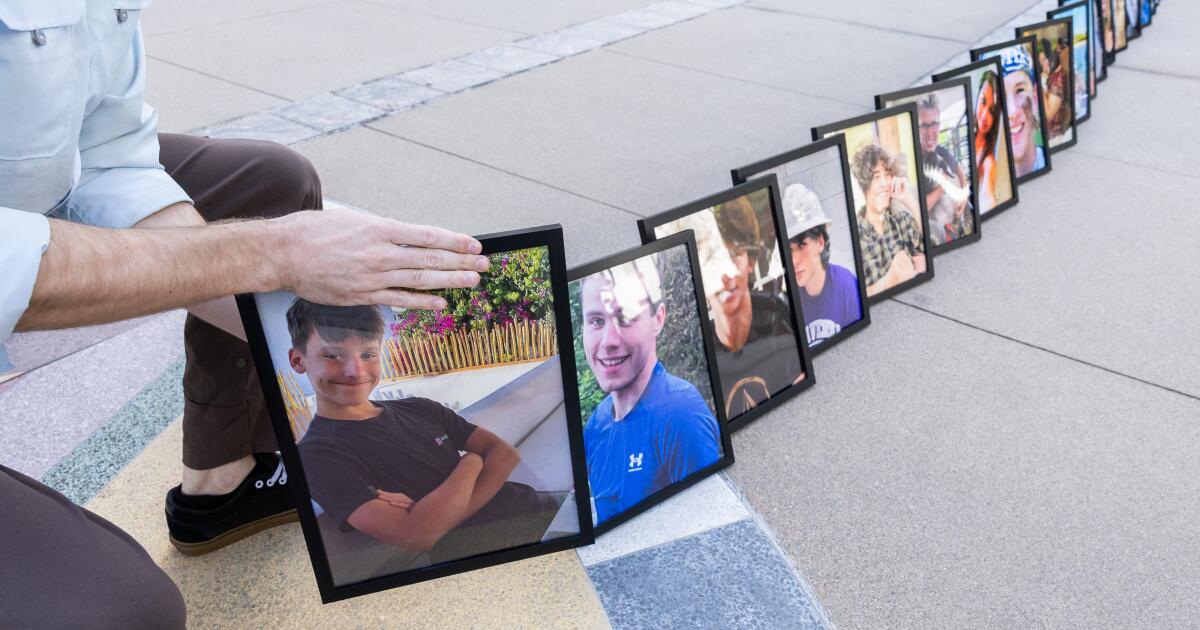
They were glaring at a gray tote bag held by a member of the court staff - the one who'd determine, by lottery, if they made it inside. Pinned on bags and coats, butterfly clips honored children they'd lost, deaths these parents link to their children's experiences online. The clips were a symbolic gesture chosen to not inadvertently prejudice the jury, which would decide if social media companies could be held liable for the kinds of harms they believe their children experienced.
Rebecca Scofield, an associate professor of American history, sued Ashley Guillard, a Texas-based woman who for years said in TikTok videos that Scofield was responsible for the murders of four University of Idaho students in 2022. Guillard claimed to have psychic abilities and testified that she read tarot cards to try to solve the murders.
Although social media companies are in many ways villains that have not done nearly enough to protect children on their platforms, they nonetheless should not be held liable based on claims that they are creating addictive and harmful online environments. Last week, a trial began in Los Angeles Superior Court in a lawsuit brought by a woman, referred to in documents as Kaley G.M., against tech giants YouTube and Instagram. (TikTok previously settled with her).
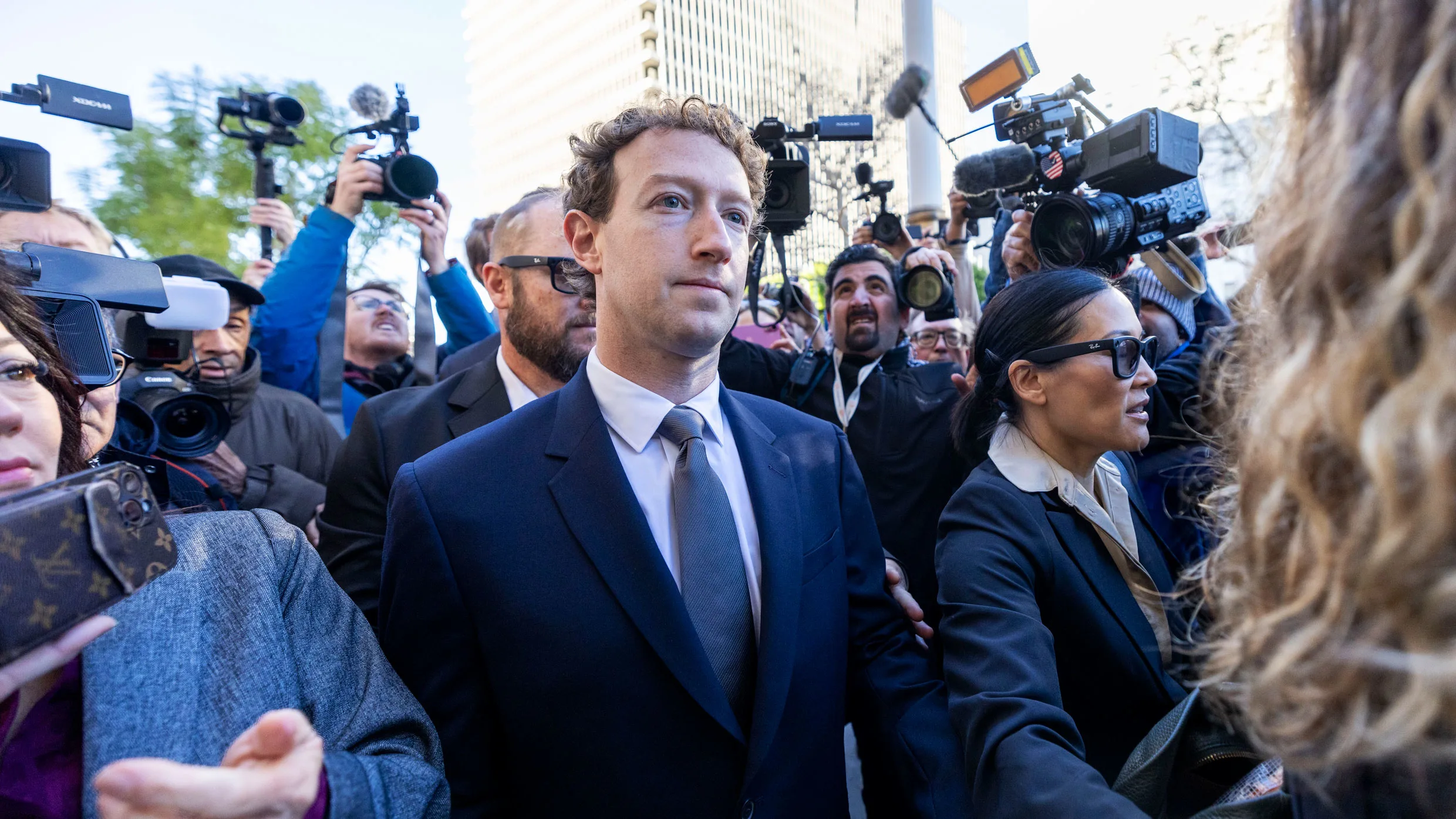
At the center of a consequential case about social media liability is a key question: did Meta lie or mislead the public about the safety of its platform, while knowing something very different? The state of New Mexico opened its case Monday arguing that public statements by Meta's top executives regularly contradicted its own internal discussions and research about the harm Facebook and Instagram posed to teens.