#social-services-block-grants-ssbg
#social-services-block-grants-ssbg
[ follow ]
#social-security #homelessness #snap #trump-administration #retirement #food-assistance #disability-benefits




fromwww.berkeleyside.org
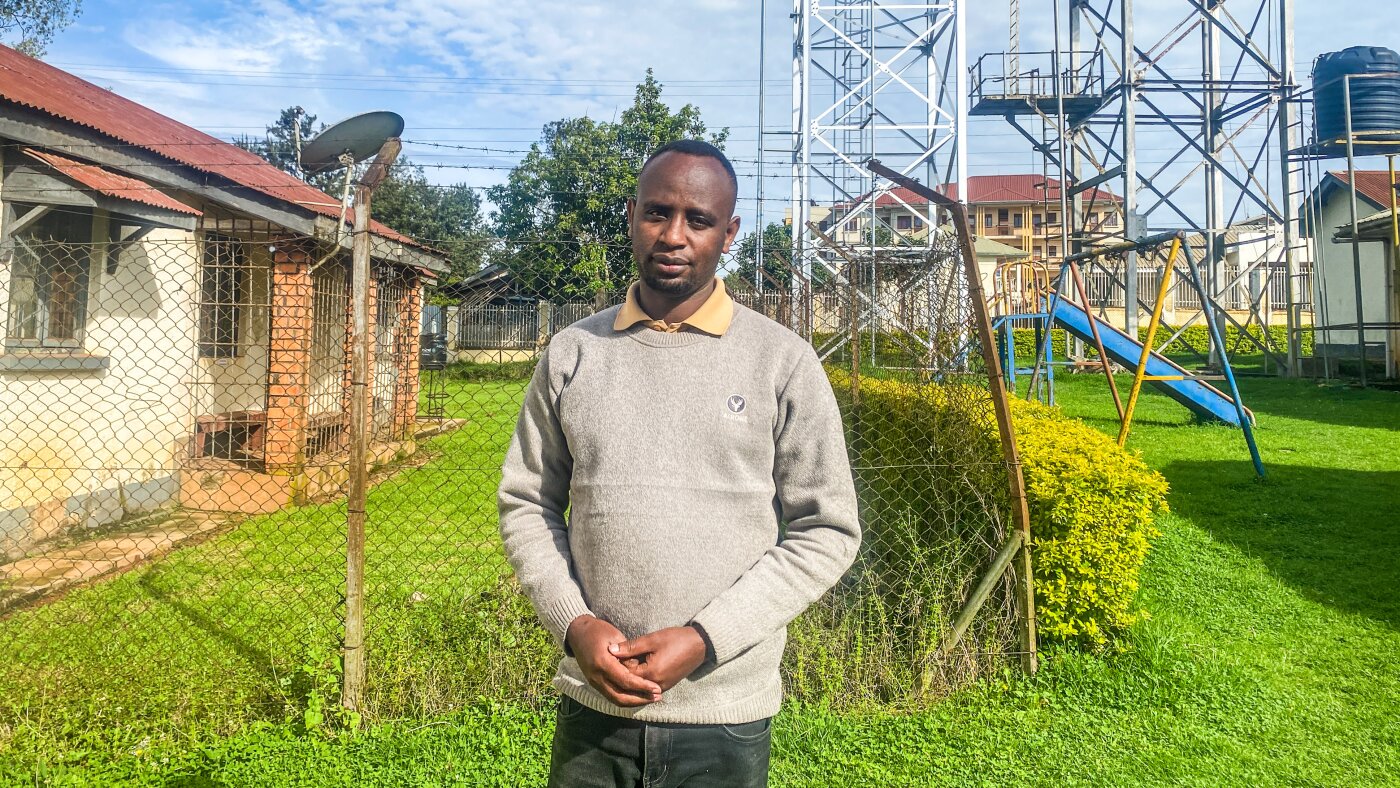
2 days agoThousands of Alameda County immigrants lost access to food stamps this week
Around 72,000 lawfully present immigrants in the state will be impacted, according to the Food4All Coalition, a statewide advocacy campaign, and the Alameda County Community Food Bank.
SF food
fromThe Oaklandside
3 days agoThousands in Alameda County will lose CalFresh this week. Here's what to know
"There are people who have come here after escaping violence and persecution and torture. These are communities that we have historically said, 'You are welcome here. We have the support for you. We're going to help you get established in our country.' And now, the federal government is abandoning them."
East Bay (California)

#social-security-administration
Public health
fromNextgov.com
1 month agoAccessing Social Security disability benefits became harder in 2025, researchers find
Accessing Social Security disability benefits has become significantly more difficult following staffing reductions and operational changes at the SSA during Trump's second term.
SF politics
fromFast Company
1 month agoSocial Security is making big changes-including one this weekend. Here's the good and bad news for benefits recipients
The Social Security Administration is restructuring disability payment processing and centralizing customer service operations following workforce reductions, aiming to reduce claim backlogs and accelerate benefit determinations.
fromTruthout
2 weeks agoStates Tighten HIV Drug Assistance, Raising Access Concerns
Congress has kept key drug assistance funding at $900.3 million annually since 2014. New enrollments for state programs jumped 30% from 2022 to 2024, in part because states cut off pandemic-era Medicaid assistance. As of January, at least 18 states have pulled back their Ryan White AIDS Drug Assistance Programs, known as ADAPs, in some way.
NYC LGBT
US politics
fromNonprofit Quarterly | Civic News. Empowering Nonprofits. Advancing Justice.
1 week agoWhat Is the SAVE America Act? | Nonprofit Quarterly | Civic News. Empowering Nonprofits. Advancing Justice.
The SAVE America Act aims to impose stricter voter registration requirements, raising concerns about its impact on marginalized groups.
Right-wing politics
fromThe American Conservative
3 weeks agoClose Foreign Consulates in U.S. Sanctuary Cities
Migrant-sending countries maintain extensive consulate networks in the United States primarily to serve their large diaspora populations, including undocumented immigrants, contributing to immigration enforcement challenges.



Public health
fromTruthout
3 weeks agoTrump Administration Quietly Moves to Strip Food Aid From Millions
The Trump administration is pursuing a regulatory change to eliminate broad-based categorical eligibility in SNAP, which would remove federal nutrition assistance from approximately 6 million low-income Americans, including nearly 2 million children.
US politics
fromNextgov.com
2 weeks agoTrump's anti-fraud task force poised to scrutinize benefits programs
The White House established an anti-fraud task force to combat fraud in federally-funded benefits programs through funding withholding, increased data-sharing, and enhanced eligibility enforcement.
fromKqed
1 month agoHow Federal Homelessness Funding Changes Could Impact Those in Need | KQED
That 2025 NOFO that dropped in November was the precursor of what the future's gonna look like. I strongly believe that, for the majority of wild and crazy things in that NOFO, that is what's going to drop in July of 2026. If that happens, dozens of people in the region could fall back into homelessness.
Los Angeles
fromTruthout
1 month agoFederal Funding for People in Poverty Is Going to Anti-Abortion Centers Instead
The bulk of the money Missouri gives to its crisis pregnancy centers comes from federal funds meant to assist families experiencing poverty with basic necessities and child care, Republican Rep. Jason Smith said on the U.S. House floor in January. As many as $3 of every $4 for pregnancy centers in Missouri was from the federal Temporary Assistance for Needy Families program in 2024, and in the 2026 fiscal year, it will be $2 out of $3.
Non-profit organizations
#snap-work-requirements

Non-profit organizations
fromCity Limits
1 month agoWhat You Need to Know: New SNAP Work Requirements in NYC
New SNAP work requirements effective March 1 affect approximately 123,000 New Yorkers, expanding to include previously exempt groups like homeless individuals, veterans, and youth aging out of foster care.
Non-profit organizations
fromCity Limits
1 month agoWhat You Need to Know: New SNAP Work Requirements in NYC
New SNAP work requirements effective March 1 affect approximately 123,000 New Yorkers, expanding to include previously exempt groups like homeless individuals, veterans, and youth aging out of foster care.
New York City
fromCity Limits
1 month agoOutgoing Social Services Commissioner Wants City To Stay 'Proactive'
Homelessness and social service crises require integrated approaches rather than siloed solutions, as demonstrated through interconnected challenges in shelter provision, migration response, and vulnerable population support.
Public health
fromABC7 San Francisco
1 month agoTrump's new Medicaid work mandate could leave thousands of homeless Californians uninsured
Trump's new Medi-Cal work requirements and increased verification frequency will likely cause over 90% of unhoused Californians to lose health insurance coverage starting in 2027.
Retirement
fromFortune
2 weeks agoSocial Security has 6 years left. The fix that sounds cruelest may be the smartest | Fortune
Social Security's trust fund faces insolvency by 2032, and benefit cuts rather than tax increases may generate stronger long-term economic growth through increased private savings and capital investment.
Retirement
from24/7 Wall St.
2 weeks agoThis Could Be Social Security's Most Confusing Rule
Spousal Social Security benefits cap at 50% of the spouse's primary insurance amount and cannot grow beyond this maximum, unlike individual benefits which increase 8% annually when delayed past full retirement age.
US politics
fromFast Company
1 month agoState lawmakers have introduced 100+ bills to rein in wealth hoarding
At least 19 states have introduced over 100 bills in the 2026 legislative session to address wealth inequality and rising costs of living through tax policy reforms and wealth redistribution measures.
fromInside Higher Ed | Higher Education News, Events and Jobs
1 month agoIndiana Bill Would Use Federal Earnings Test to End Programs
Starting this summer, most college programs will have to show that their students earn more than someone with only a high school diploma to avoid being cut off from federal funding, as part of a new accountability measure. Congress created the earnings test known as Do No Harm when it passed the One Big Beautiful Bill Act last summer. The Education Department is still working to finalize the regulations that outline how it will work.
Higher education
fromwww.theguardian.com
2 months agoThe Guardian view on long waits for disability benefits: the system should not push people closer to poverty | Editorial
Pip is designed to support disabled people with the additional costs of daily living and mobility, yet for many claimants it has instead become a source of prolonged uncertainty, financial hardship and distress. Waiting months and in some cases more than a year for a decision can push people into debt, rent arrears and poverty, especially as Pip unlocks other support such as carer's allowance.
UK news


fromNonprofit Quarterly | Civic News. Empowering Nonprofits. Advancing Justice.
2 months agoNonprofits Devise Creative Solutions to Address Federal Funding Cuts | Nonprofit Quarterly | Civic News. Empowering Nonprofits. Advancing Justice.
Over the years, I've worked as a consultant on numerous federal grant projects from the US Department of Agriculture and elsewhere that focused on local economic development and were granted to nonprofits serving their communities. But since the 2024 elections, the focus of my work-and that of the small New Mexico-based consulting firm, Prospera Partners, that I lead-has shifted to help nonprofits develop strategies to sustain themselves despite federal cuts in funding and to programs that once supported their work.
Non-profit organizations
US news
fromwww.npr.org
2 months agoInfluencer, White House welfare fraud claims are distorted, but the system has risks
The Trump administration escalated efforts against alleged benefits fraud, freezing funds for five Democratic-led states, creating a DOJ fraud position, and blaming immigrants without evidence.
Public health
fromSan Jose Spotlight
1 month agoFuture of Santa Clara County guaranteed income programs uncertain - San Jose Spotlight
Santa Clara County piloted four guaranteed basic income programs providing $1,200 monthly for two years to selected low-income residents; future funding remains uncertain.


fromJezebel
2 months ago"Fraud" Is the Magic Word Trump Is Using to Strip Impoverished Americans of Social Services
This is not to say that fraud does not exist, because it very obviously does, woven into the fabric of our society. The pandemic in particular was its own little golden age of American federal fraud, involving untold and unprecedented dollar totals being siphoned off from legitimate support programs, including the Paycheck Protection Program and the Economic Injury Disaster Loan program.
US politics
fromNonprofit Quarterly | Civic News. Empowering Nonprofits. Advancing Justice.
2 months agoBlue-State Pensions Are Subsidizing the Billionaire Takeover: This Must Stop! | Nonprofit Quarterly | Civic News. Empowering Nonprofits. Advancing Justice.
The truth about this money: It is invested with some of the worst actors engineering the current takeover. That includes private equity firms, venture capitalists, and asset managers-the most powerful corporations in the world and the billionaires that run them. Many of these people are actively supporting the Trump administration; most are doing little to nothing to oppose it. And all oversee millions, if not billions, of dollars in worker and community capital.
US politics
fromTruthout
2 months agoA Tech Bro Think Tank Is Trying to Roll Back Evidence-Based Homelessness Policy
The Cicero Institute, created by tech investor Joe Lonsdale, has spent the past few years promoting aggressive policies targeting encampments for the unhoused and pushing cities to move away from Housing First, the U.S.'s primary model for responding to chronic homelessness. Over the summer, HUD quietly adopted several of Cicero's key recommendations. And the result was widespread panic among the local agencies responsible for keeping people housed.
US politics
US politics
fromwww.theguardian.com
2 months agoDisheartening': US justice department slashes funding to programs combating child sex trafficking
DOJ funding and training cuts under the Trump administration reduce law enforcement capacity to investigate and prosecute child sexual exploitation, endangering vulnerable children.
US politics
fromStreetsblog
1 month agoThis Bill Would Give Your Community More Money To Build Its Own Transportation Future - Streetsblog USA
The BASICS Act shifts federal transportation funding toward metro regions, enabling human-centered projects and preventing state DOTs from monopolizing funds for highways.
fromwww.dw.com
2 months agoTrump admin cuts federal funding for childcare in 5 states DW 01/07/2026
The freeze applies to the "Child Care and Development Fund" worth $2.4 billion (2.2 billion), the "Temporary Assistance for Needy Families" worth $7.35 billion and the "Social Services Block Grant" worth $869 million. HHS said it had notified the five states and that they would require extra documentation to access the funds. The New York Post was the first to report the funding freeze for certain social services on Monday, citing unnamed federal officials that expressed "concerns that the benefits were fraudulently funneled to non-citizens."
US politics
fromSan Jose Spotlight
2 months agoSanta Clara County uses federal funds to house homeless people - San Jose Spotlight
The county received nearly $600,000 from the Emergency Solutions Grants Program, which can be used to fund shelter operations, outreach, homelessness prevention or rapid rehousing. Over the past five years, the county has received $2.5 million in these grants and largely used the money to fund rapid rehousing programs, which give people time-limited rental subsidies. "(These) funds are an important source of funds for our rapid rehousing program, assisting approximately 50 households a year to obtain and maintain permanent housing,"
US politics
[ Load more ]