#solid-fuel-rocket
#solid-fuel-rocket
[ follow ]
#nasa #artemis-ii #space-exploration #spacex #moon-mission #ipo #elon-musk #blue-origin #lunar-mission



fromTechCrunch
2 days agoCommonwealth Fusion Systems leans on magnets for near-term revenue | TechCrunch
It's the largest deal of this kind to date for CFS, according to COO Rick Needham. The collaboration with Realta Fusion emphasizes the importance of high-temperature superconducting magnets in advancing fusion technology.
OMG science
Science
fromSilicon Canals
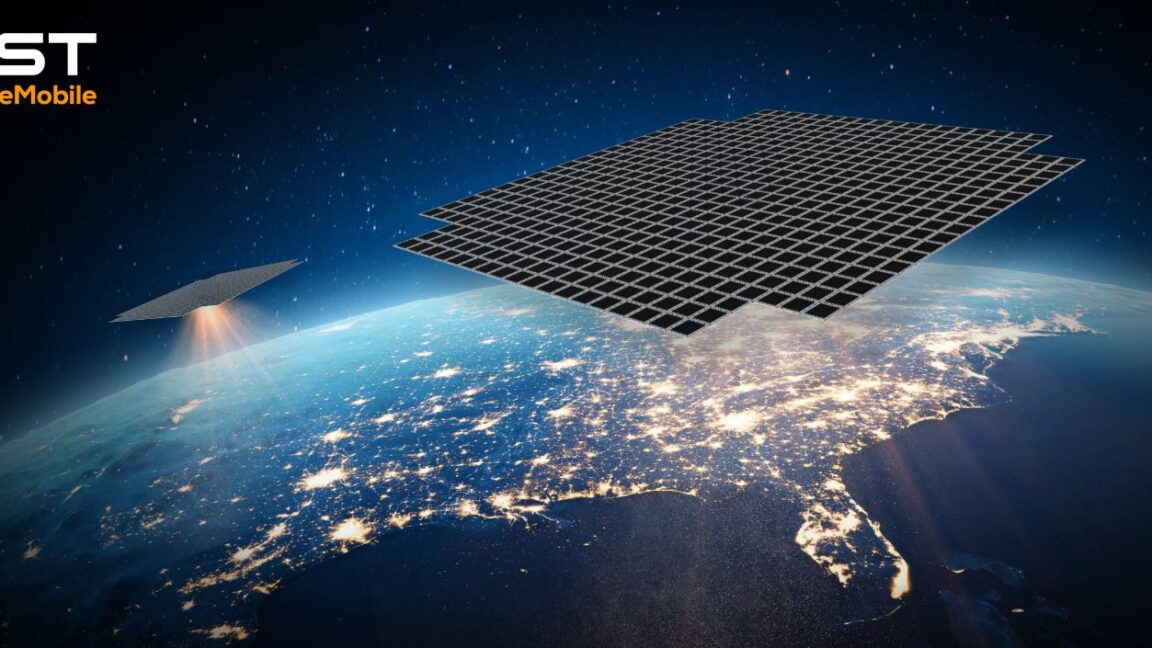
23 hours agoSpaceX, Amazon, and Google want orbital data centers - four engineering barriers reveal who really benefits - Silicon Canals
Orbital data centers will concentrate AI infrastructure power among a few dominant companies, limiting access for smaller competitors and national regulators.


Science
fromYanko Design - Modern Industrial Design News
1 day agoThis $349 NASA Mars Perseverance Rover Kit Lets You Build an AI-Powered Mars Robot at Home - Yanko Design
CircuitMess offers a buildable AI-capable replica of NASA's Perseverance rover for $309, emphasizing hands-on learning and modular expansion.
fromArs Technica
1 month agoStudy shows how rocket launches pollute the atmosphere
In a high-growth scenario for the space industry, there could be as many as 2,000 launches per year, which her modeling shows could result in about 3 percent ozone loss, equal to the atmospheric impacts of a bad wildfire season in Australia. She said most of the damage comes from chlorine-rich solid rocket fuels and black carbon in the plumes. The black carbon could also warm parts of the stratosphere by about half-a-degree Celsius as it absorbs sunlight.
Environment
from24/7 Wall St.
1 month agoThe Space Infrastructure Builder Stumbles While the Launch Provider Burns Through Cash Faster
Redwire focuses on space infrastructure and autonomous systems. The company completed its Edge Autonomy acquisition and reported 50.7% year-over-year revenue growth. Management maintained full-year guidance of $320 to $340 million, and the book-to-bill ratio of 1.25 suggests demand is holding. But the business is bleeding cash with a net loss of $41.2 million in Q3, nearly double the $21 million loss from the prior year. Gross margin sits at just 16.3%, leaving almost no room for error.
Startup companies
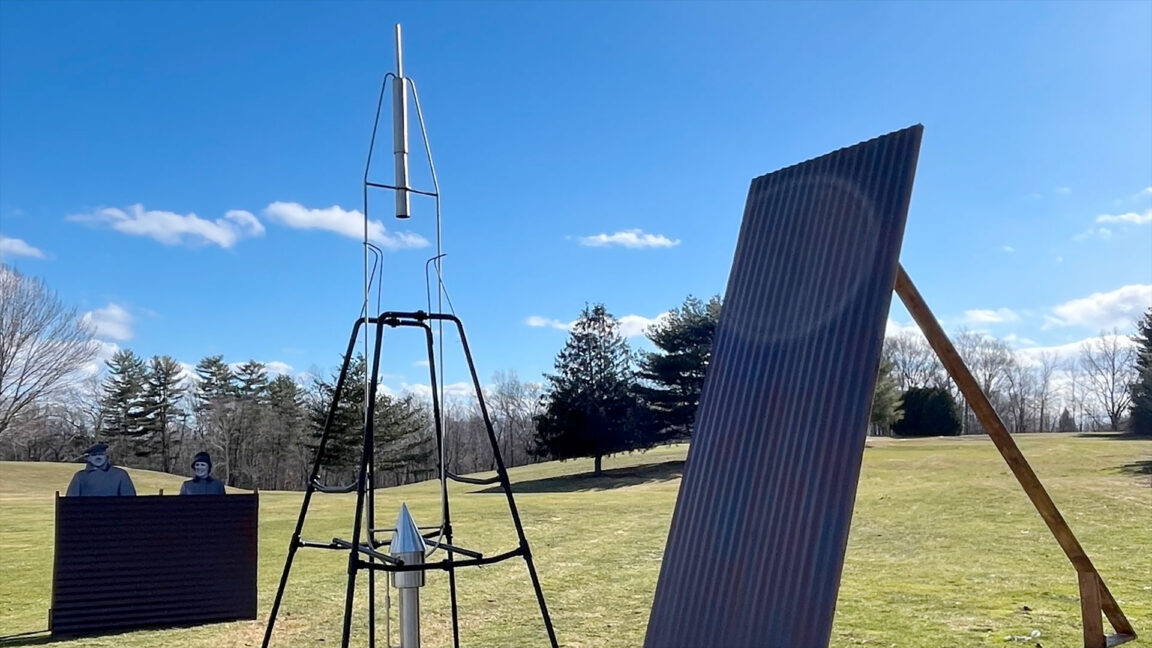
fromArs Technica
2 weeks agoA century after the first rocket launch, Ars staffers pick their favorites
Robert Goddard, a Massachusetts-born physicist, launched the world's first liquid-fueled rocket on this date 100 years ago. It was not an overly impressive flight. The rocket, fueled by gasoline and liquid oxygen, rose just 41 feet into the air, and the flight lasted 2.5 seconds before it struck ice and snow. Nevertheless, this rocket, named "Nell," represented a historic achievement that would help launch the modern age of spaceflight.
Science
Science
fromArs Technica
1 month agoULA's Vulcan rocket suffers another booster problem on the way to orbit
Northrop Grumman-built GEM 63XL solid boosters suffered manufacturing-related nozzle insulator failures that reduced thrust, yet Vulcan successfully placed military satellites into geosynchronous orbit.
fromFuturism
1 month agoSpaceX Veteran Says He's Figured Out How to Make Rocket Fuel From Water
The company is planning to launch a 1,100-pound satellite on a Falcon 9 rocket in October as part of an audacious proof of concept. The goal is to test water as the fuel for both electrical and chemical propulsion, processes that involve shooting out a stream of plasma with the use of a magnetic field and burning fuel at high temperature and pressure to generate thrust, respectively.
Science
fromArs Technica
1 month agoRocket Report: Say cheerio to Orbex; China is getting good at booster landings
"You absolutely have to have a plan to compete with SpaceX on price." Welcome to Edition 8.29 of the Rocket Report! We have a stuffed report this week with news from across the launch spectrum. Long-term, probably the most significant development this week was a subscale version of the Long March 10 rocket successfully launching and then executing a picture-perfect ocean landing. China is catching up rapidly to the United States when it comes to reusable launch.
Science
fromArs Technica
2 months agoDo you have ideas about how to improve America's space program?
Entrants will be required to write three- to five-page white papers that explain their idea and how they would shape markets and strengthen the space economy or national security. Papers are due by June 30, and judging will be complete by August 15. As an additional incentive, the best ideas will be briefed to relevant policymakers, including key members of Congress, NASA Administrator Jared Isaacman, and Saltzman, of the Space Force.
Science
fromTheregister
1 month agoVulcan Centaur reaches orbit after booster anomaly
United Launch Alliance's Vulcan Centaur reached orbit on February 12 despite "a significant performance anomaly" that saw one of its four solid rocket boosters burn through its nozzle during ascent. Viewers of the launch from Cape Canaveral at 0422 EST (0922 UTC) were treated to some impressive fireworks as the part detached in a shower of fragments. It was the fourth launch of ULA's replacement for the Atlas V and Delta IV rocket, and the second in which an anomaly was noted with the booster.
Science
[ Load more ]