#soluble-fiber
#soluble-fiber
[ follow ]
#nutrition #gut-health #gut-microbiome #digestive-health #fiber #dietary-fiber #diet #healthy-eating





Silicon Valley food
fromTasting Table
2 weeks agoThe Chipotle Bowl Additions That Give You The Biggest Fiber Boost, According To A Dietitian - Tasting Table
Black and pinto beans are Chipotle's best fiber sources, providing 7-8 grams per serving, and can be ordered extra at no upcharge to maximize nutritional value.
#gut-health

Health
fromwww.businessinsider.com
1 week agoHere are 3 tips to reduce your risk of heart disease from a researcher studying the link between cardiovascular and gut health
Maximizing gut health is linked to reducing chronic disease risk, emphasizing plant-based diets and limiting ultra-processed foods.
fromThe Atlantic
3 weeks agoIt's Bean Time
These tiny packages pack a nutritional punch-so much so that the advisory committee for the 2025 U.S. Dietary Guidelines recommended upping the daily serving size of legumes and promoting them as a protein source over meat and seafood. Navy beans, for example, are especially fiber-dense, and lentils are protein powerhouses.
Food & drink

fromBusiness Insider
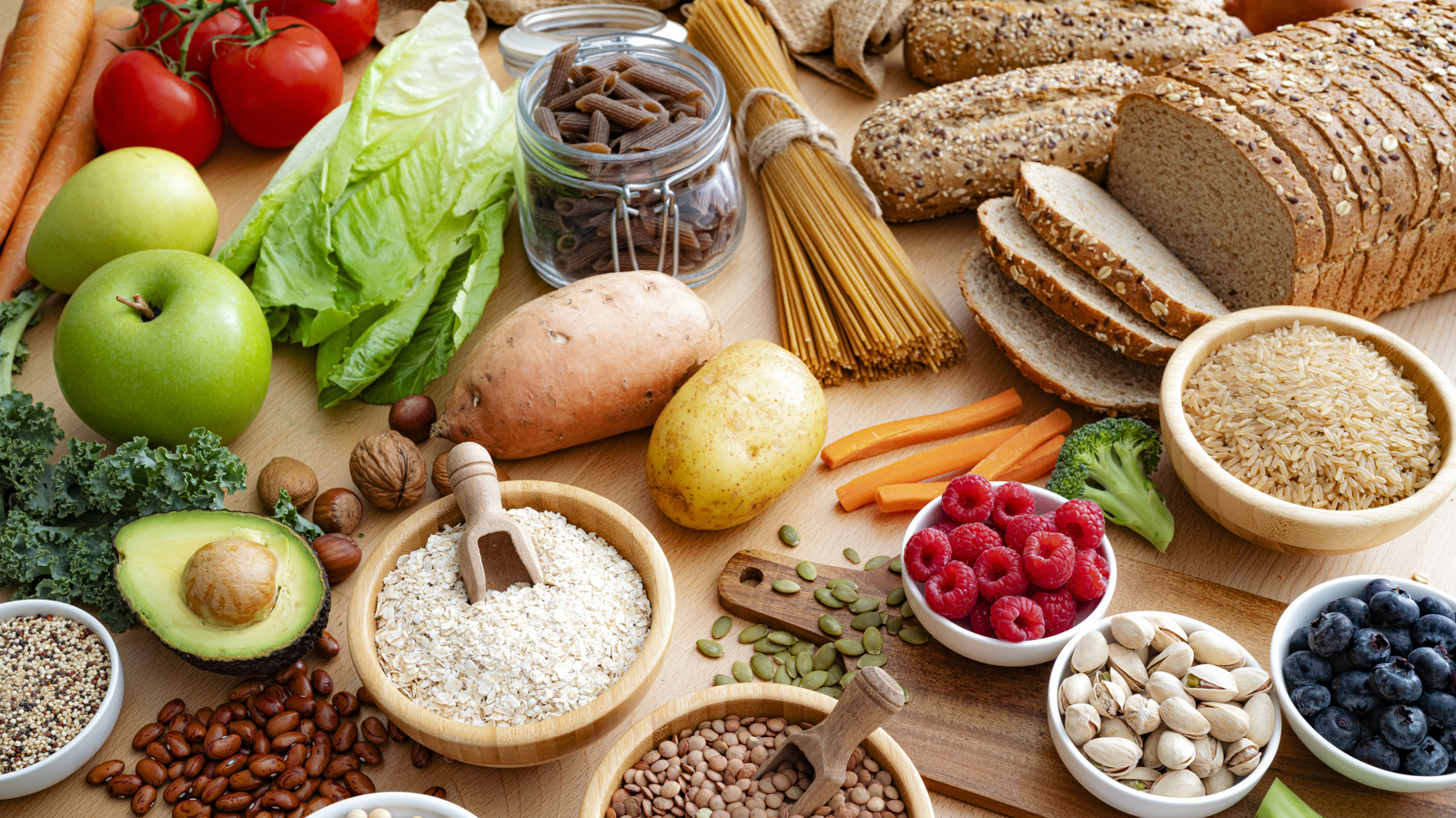
3 weeks agoI eat the same dietitian-approved lunch almost every day. It's got protein and fiber - and it's a breeze to prep in advance
When I lived in a big city, I used to love treating myself to lunches at trendy salad spots. Tasty as these take-out meals were, they were terrible for my wallet, and I didn't have full visibility into or control over the ingredients that went into them. I've since turned into an avid meal-prepper and make my own lunch - almost always a fiber- and protein-packed grain bowl - for a fraction of the price.
Cooking
fromScienceDaily
4 weeks agoJust two days of oatmeal cut bad cholesterol by 10%
Compared with a control group that also reduced calories but did not eat oats, those on the oat based plan saw a markedly greater improvement in their cholesterol levels. The reduction remained noticeable even six weeks later. Researchers also found that the diet changed the balance of bacteria in the gut. Substances produced by these microbes appear to play an important role in the health benefits linked to oats.
Medicine
Alternative medicine
fromAlternative Medicine Magazine
1 month agoThe Surprising Benefits of Whole Grains for Gut Health and Immunity
Whole grains retain bran, germ, and endosperm, providing fiber, vitamins, minerals, and antioxidants that support digestive health, gut microbiota, and immune function, unlike refined grains which lose these nutrients during processing.
fromwww.npr.org
1 month agoScientists find a new clue to help them identify a healthy gut microbiome
There are some communities that are very unhealthy where the diversity is higher. Low diversity is not a universal marker. We found something that at first seemed surprising. That a healthy microbiome has lots of competition. These bugs are all going after the same food. In an unhealthy gut, on the other hand, you see tight cooperation - microorganisms are helping each other out.
Medicine
fromNatural Health News
3 months agoCommon "sugar-free" sweetener sorbitol linked to liver disease, new research finds
Sorbitol can be metabolized into fructose in the liver, directly linking its consumption to the same harmful pathways that cause fatty liver disease and metabolic dysfunction. This discovery forces a sobering reevaluation of the artificial and alternative sweeteners millions consume daily in an effort to live healthier lives.
Alternative medicine
fromTasting Table
1 month ago8 Fruits With An Impressively High Fiber Content - Tasting Table
Fiber comes in two forms - soluble and insoluble. The former helps to regulate blood sugar levels in in the body, while the latter promotes healthy digestion by keeping food moving through the gut. Many fruits contain both types of fiber, so incorporating them into your snacks, breakfast bowls, and desserts comes with significant benefits.
SF food



fromTasting Table
1 month agoAre Sugar Alcohols Worse For You Than Sugar? - Tasting Table
Sugar alcohols aren't inherently worse than regular sugar, they're just metabolized differently. Regular sugar is fully digested and predictably raises blood sugar levels. Sugar alcohols like erythritol are only partially absorbed, so they typically provide fewer calories and have a smaller impact on blood sugar, although some types can still raise it modestly.
Alternative medicine
fromwww.scientificamerican.com
1 month agoA pair of gut bacteria may cause constipation
Gut bacteria are crucial to ensuring healthy digestion and defecation. But two species of bacteria may also be the cause of constipation: according to a new study, Bacteroides thetaiotaomicron and Akkermansia muciniphila appear to work in concert to break down colonic mucin, the slimy coating in our colons that keeps our poo moving along. Too little mucin means a drier and more constipation-prone colon.
Science

fromTasting Table
1 month agoStomach Trouble From Cabbage? These Cooking Methods May Help - Tasting Table
The reason cabbage (and beans, for that matter) is a "musical fruit" is a complex sugar known as raffinose. Raffinose is especially hard for the human gut to digest because the small intestine cannot process it. So, by the time it reaches the colon, the bacteria used to break it down release gas that leads to bloating and flatulence. Furthermore, as a cruciferous veggie, cabbage also contains high amounts of sulfuric compounds,
Cooking
fromTasting Table
1 month ago9 Bedtime Snacks Nutritionists Actually Recommend - Tasting Table
Late-night snacking has had a bad rap for a long time. When pop culture takes a stab at this (very) human thing, it often portrays the scene as pernicious or, at best, distasteful. Combine that with regular condemnation by diet culture and accusatory media headlines that frame after-dinner eating as a moral failing, and it's easy to see why most of us want to steer clear.
Wellness
fromBusiness Insider
2 months agoA busy dietitian shares what she eats for good gut health
Rachel Swanson, a registered dietitian at LifeSpan Medicine and author of "Trying!: A Science-Backed Plan to Optimize Your Fertility," splits her time between New York City and Miami, spending about half the year in each. She also takes small-group workout classes three times a week, focusing on strength training. She says eating enough nutrients, especially protein for muscle-building, is crucial for her. She generally aims for around 0.7 grams of protein per pound of body weight, the protein intake usually recommended for physically active people.
Food & drink
fromBusiness Insider
1 month agoFiber content is exploding on the internet. It means we're finally owning up to its effects.
The ad leans into the truth about Raisin Bran that, for decades, it tried to obscure with messaging about its plentiful raisin content: This cereal makes you poop. I'll admit: I laughed. I can't deny a good poop joke, and its frankness about the reason some people enjoy bran cereal reminded me of my favorite SNL sketches for " Colon Blow" cereal.
Food & drink

fromThe Mercury News
1 month agoRecipes: These grain-based dishes are great for your health and budget
Barley, the grain that is featured in this dish, is one of our most nutritious grains; it contributes protein, thiamine and niacin. Barley also is a rich source of dietary fiber. For a vegan rendition, use vegan yogurt and maple syrup instead of honey in the dressing and use olive oil instead of butter when sauteing the mushrooms. The dish is a main course salad and should be served at room temperature.
Cooking
fromMail Online
1 month agoBlueberries: Why eating a handful a day could lower blood pressure
A humble - and delicious - berry could be the answer to improving your gut, brain and heart health, a major review found last week. Experts have long urged us to eat more blueberries, but thankfully you don't need to be consuming kilos of the superfruit for it to have an impact. Every year Britons consume 57,000 tonnes of the tiny fruits; enough to fill 23 Olympic size swimming pools.
Food & drink
fromTasting Table
2 months agoThe Overlooked Vegetable With Way More Fiber Than Broccoli - Tasting Table
Eating vegetables is always an excellent way to help you get your daily intake of fiber, but people who need an extra dose in their diet need to choose the most fiber-rich veggies possible. Broccoli is often named as a great source of this essential nutrient, yet you can find some superior options in the produce kingdom. Green peas are a nutritious legume that outclasses broccoli in terms of fiber content.
Food & drink
fromBusiness Insider
2 months ago3 healthy food swaps to protect your heart, according to a dietitian who studies how simple habits can prevent disease
Cardiovascular disease is the No. 1 cause of death in the US, but research has found that eating a Mediterranean-style diet and being physically active can help lower the risk. The American Heart Association's dietary guidelines recommend prioritizing fresh produce, whole grains, lean proteins such as fish, and limiting ultra-processed foods and refined sugar. That may sound like a lot, but Matthew Landry told Business Insider that you don't necessarily need to overhaul your diet to improve your heart health.
Health
fromwww.independent.co.uk
1 month agoHow fasting can dramatically reduce symptoms of stomach condition
Intermittent fasting within an eight-hour window can significantly reduce symptoms of Crohn's disease, a new study has found. Crohn's disease, according to the NHS, is a long-term condition where part of the gut becomes inflamed. It cannot currently be cured and the common symptoms include: diarrhoea, blood or mucus in your poo and stomach pain. Researchers at the University of Calgary found that time-restricted feeding can reduce disease activity by 40 per cent and halve abdominal discomfort in over 12 weeks in people living with Crohn's disease.
Health
fromArs Technica
2 months agoAvoiding ultraprocessed foods supports healthier aging
We compared how participants fared while eating their habitual diets with how they responded to the two diets that were low in ultraprocessed foods. During the periods when participants ate fewer ultraprocessed foods, they naturally consumed fewer calories and lost weight, including total and abdominal body fat. Beyond weight loss, they also showed meaningful improvements in insulin sensitivity, healthier cholesterol levels, fewer signs of inflammation, and favorable changes in hormones that help regulate appetite and metabolism.
Food & drink
[ Load more ]