#south-indian-cuisine-karnataka
#south-indian-cuisine-karnataka
[ follow ]
#indian-cuisine #london-dining #south-indian-cuisine #street-food #food-culture #south-asian-cuisine



#indian-cuisine

Food & drink
fromFood & Beverage Magazine
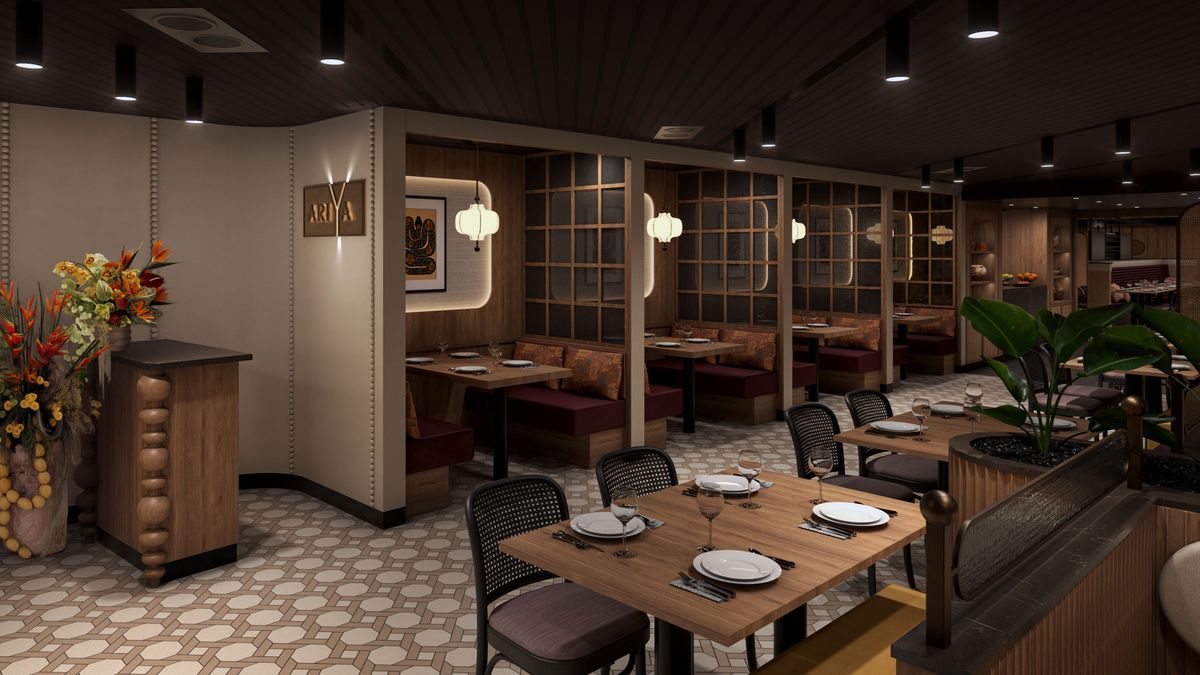
3 weeks agoAriya: Virgin Voyages' Indian Culinary Sanctuary at Sea
Virgin Voyages launches Ariya, the first authentic Indian culinary restaurant at sea aboard Valiant Lady in May 2026, featuring chef Maneet Chauhan's innovative menu blending traditional Indian flavors with modern culinary techniques.
fromTravel + Leisure
2 weeks agoYou Can Now Explore India on 5 New Luxury Train Tours
Through these iconic rail expeditions, guests can slow down, savor extraordinary landscapes, and immerse themselves in palaces, wildlife, cuisine, and culture-experiencing India's grandeur with comfort, elegance, and timeless hospitality.
Travel
Dining
fromCN Traveller
1 week ago"A lot of the time, people talk about African food as if Africa is one country": the chef putting Sierra Leonean cooking on the map in Sevenoaks
Maria's cookbook, Sweet Salone, emphasizes the connection between hospitality, storytelling, and the diverse flavors of West African cuisine.
fromCN Traveller
2 weeks agoInside the technicoloured capital shaping India's melting-pot cuisine
Walking through the narrow bylanes of Mylapore neighbourhood at dusk is like watching a sepia-tinted postcard of Madras coming to life and gently reasserting itself over the Chennai of today. The 7th-century Kapaleeshwarar Temple, the fulcrum of commerce and culture, draws the devout into its timeless force field, and on nearby Pitchu Pillai Lane, a small crowd gathers around the Raghul Kuzhi Paniyaram street stall to buy kuzhi paniyarams: spongy orbs of pan-fried batter speckled with mustard seeds.
Silicon Valley food
Food & drink
fromTasting Table
2 weeks agoGuy Fieri Was Enamored By This Bengali Restaurant On Diners, Drive-Ins And Dives - Tasting Table
Joya's, a Bengali-American fusion restaurant in Ohio owned by chef Avishar Barua, represents cutting-edge culinary innovation rooted in traditional Bangladeshi flavors and complex spice blending techniques.
fromLos Angeles Times
4 weeks agoFusing Indian, East African and Mexican flavors - but don't call it 'fusion'
Though they were only serving in town for one night, the chefs and staff behind the Mexico City supernova Masala y Maíz managed to cause what felt like a temporary ripple in L.A. dining during their pop-up last week. It reminded this diner that despite the era's current dedication to culinary and cultural boundaries - you should only cook what you know, write what you know - a spirit of mixture and melding can actually lead to something extraordinary, and not cringey, in practice.
LA food
Travel
fromTravel + Leisure
3 weeks agoI Traveled Across India for 2 Weeks, and These Are 15 Essentials I'd Pack Again-Plus, What I Wish I'd Brought
Strategic packing for India requires considering diverse climates, cultural practices, and planned activities across multiple locations while managing luggage space for souvenirs.
Food & drink
fromTasting Table
2 weeks agoI Tried 9 Spices From Target. Here Are The Ones I'd Buy Again - Tasting Table
Good & Gather ground cinnamon and paprika offer adequate quality for baking and cooking, with cinnamon being particularly suitable for pastries while paprika adds color without strong flavor impact.
Dining
fromwww.7x7.com
2 weeks agoCuisine from the African diaspora is ready for the Bay Area spotlight.
Meski, a new San Francisco restaurant co-owned by Draymond Green, blends Ethiopian and Dominican cuisines through chef Nelson German's Afro-Latin expertise and restaurateur Guma Fassil's Ethiopian heritage.
fromConde Nast Traveler
8 months agoWhere to Eat Indian Food in New York City
When Ceylon India Inn opened near Times Square in the early 1900s, the city's first South Asian restaurant quickly became a hub for New York's burgeoning community of desi (a term used to describe people of South Asian descent) dock workers, and students. More than a century later, there are more than 400 such restaurants across the five boroughs, enticing a far more diverse array of diners.
NYC food
#south-indian-cuisine


fromwww.berkeleyside.org
2 months agoEast Bay food
New South Indian spots bring the heat to Berkeley; Tokyo Central readies for Emeryville grand opening
Several new and relocated eateries have opened in Berkeley and Emeryville, including Bangalore Blues, Gusto, Id Cafe, and Tokyo Central's grocery and restaurant.
Silicon Valley food
fromThe Mercury News
1 month agoSouth Indian micro-cuisine draws lines at Bay Area Mylapore restaurants
Mylapore restaurant in San Jose authentically serves South Indian vegetarian cuisine, featuring traditional dishes like filter coffee and vazhakkai bajji that evoke Tamil Nadu heritage and nostalgia.
Silicon Valley food
fromwww.mercurynews.com
1 month agoSouth Indian micro-cuisine draws lines at Bay Area Mylapore restaurants
Mylapore South Indian Vegetarian Restaurant in San Jose serves authentic South Indian cuisine including filter coffee, Vazhakkai Bajji, and traditional thali meals that evoke Tamil Nadu heritage and nostalgia.


fromLondon On The Inside
3 weeks agoMalaysian Restaurant Med Salleh Opens in North London
Med Salleh, which has has one Malaysian restaurant in Bayswater and two Vietnamese ones in Westbourne Grove and Earl's Court, has just added a fourth branch in Kentish Town. The newest site is Malaysian-focused, like the original, serving a menu of street food inspired by Med's upbringing in Malaysia, including dishes from his hometown of Kampar as well as flavours from Ipoh and Penang.
London food
London food
fromTime Out New York
1 month agoOne of the founders behind Bungalow opened a skewer-heavy Mediterranean restaurant in Nomad
Skëwr Mediterranean Grille opened at Nomad's Park South Hotel, featuring Mediterranean cuisine with live-fire grilling and clean ingredients, backed by JK Park Hospitality founders.
East Bay (California)
fromThe Oaklandside
2 months agoNew South Indian spots bring the heat to Berkeley; Tokyo Central readies for Emeryville grand opening
Multiple new East Bay food businesses opened or reopened: Bangalore Blues (South Indian), Gusto (Algerian halal fast food), Id Cafe (dosa cafe), Tokyo Central.
fromTime Out New York
2 months agoThis Indian restaurant in the East Village is officially New York's No. 1 restaurant, according to Time Out
For only six tables each night, one of the restaurant's chefs wheels up to the table armed with a smoker of charred heritage-breed chicken, still steaming hot. You'll get to choose the woodchips and-best of all-the butter for the namesake specialty. Current options include an earthy and floral fenugreek, a smoked chili that definitely kicks back in the spice department and a pickled tomato.
New York City


Music
fromMetro Silicon Valley | Silicon Valley's Leading Weekly
1 month agoLos Calderones in San Jose | Metro Silicon Valley | Silicon Valley's Leading Weekly
Los Calderones perform Afro-Latino Cuban music at MACLA's South First Friday on Fri, Feb 6 at 6pm with free admission at MACLA Castellano Playhouse, San Jose.
fromTravel + Leisure
1 month agoThis NYC Restaurant Is Taking Diners on a Culinary Tour of India-One Region at a Time
India is a country with countless regional specialties, each with its own history, culture, and unique use of spices. I wanted our guests to experience that variety and feel as though they were traveling across India one meal at a time.
Food & drink
Travel
fromwww.theguardian.com
1 month agoThe intimate and the epic': the best way to understand India is to travel by train
Indian train journeys embody the country's layers of language, landscape and climate, inscribing memories and revealing solidarity among strangers through shared, intimate travel.
fromLondon On The Inside
1 month agoNail Sri Lankan Hoppers and Blend Your Own Sambol at Kolamba Soho
Kolamba showcases Sri Lankan home cooking as it's eaten across the island. Bold spices, deeply layered curries, fragrant rice and freshly made roti, all designed to be shared. Hoppers (also known as appa/appam) are a Sri Lankan staple: thin and lacy at the edges, soft and slightly spongy in the middle, and just as good at breakfast as they are at dinner.
London food
from101 Cookbooks
3 months agoOne-Pot Indian-Spiced Rice with Cauliflower and Tofu
A true one-pot meal, this Indian-spiced rice is made with store-bought spicy simmer sauce, paired with tofu and cauliflower. It's hearty, filling and you can load it up with a range of herbs or crunchy nuts as toppings. We are staying in a little loft in San Francisco right now, trying to find our next place to live. The kitchen is tiny: two electric burners, a microwave, roughly 2 feet of counter space.
Food & drink
fromLondon On The Inside
2 months agoAsma Khan Is Moving Darjeeling Express Again
Khan started Darjeeling Express as a pop-up at Soho pub The Sun & 13 Cantons in 2014 before taking on a permanent site in Kingly Court. She decided not to reopen there post-lockdown and chose instead to move the restaurant to a bigger site in Covent Garden, where she stayed until the summer of 2022. Following another pop-up stint, this time in west London, Khan moved Darjeeling Express back to Kingly Court at the beginning of 2023.
London food
fromTasting Table
2 months agoWhere To Find The Best Indian Food In Seattle - Tasting Table
And it makes sense, as Indian culture and cuisine are alive and well in the city - Washington is one of the top states of residence for Indian immigrants, and Seattle itself is among the U.S. metropolitan areas with the highest number of Indian-Americans. Meanwhile, the state offers great growing conditions for Indian staples such as rice, lentils, chickpeas, eggplant, okra, onions, peas, potatoes, and much more.
Food & drink
Food & drink
fromFood & Beverage Magazine
2 months agoA New Kind of Pantry Staple: How Simrancooks Is Redefining Heritage, Convenience, and Flavor - Food & Beverage Magazine
Simrancooks turns decades-old Canary Islands family sauces into accessible, slow-cooked condiments that simplify and elevate everyday home cooking.
fromTasting Table
1 month agoCurry Powder Vs Garam Masala: What's The Difference Between These Flavorful Spices? - Tasting Table
The first whiff of garam masala, for example, might transport you back to a wonderful meal that you had at your favorite Indian restaurant last weekend. Curry powder, on the other hand, despite bearing the word "curry" in its title - which is what you ordered at the Indian restaurant, right? - is unlikely to awaken such a connection. Its aroma might, however, remind you of dishes coming from countries like Jamaica, Thailand, and Japan.
Food & drink
fromEater NY
1 month agoThis Festive Bangladeshi Spot in Jersey City Does Not Disappoint
Entering Korai Kitchen in Jersey City for its weekly Dawat dinner series feels like entering owner and chef Nur-E Gulshan Rahman and daughter Nur-E Farhana Rahman's home. "Dawat" is the Bengali word for "invitation," and people are invited to partake in the family's only dine-in service, a three-hour BYOB meal full of homestyle, halal, Bangladeshi food by way of Dhaka for $95. "This is my mom's interpretation of Bangladeshi food," Nur-E Farhana explains during the meal.
Food & drink
Food & drink
fromwww.theguardian.com
1 month agoSpice up your life! 17 soups with a kick from chicken curry laksa to roast pumpkin
Spiced soups transform bland ingredients into warming, flavorful dishes by making spices the dominant taste while remaining forgiving and adaptable to available ingredients.
fromTasting Table
1 month agoAnthony Bourdain Sought Out This Popular American Fast Food Joint In Sri Lanka - Tasting Table
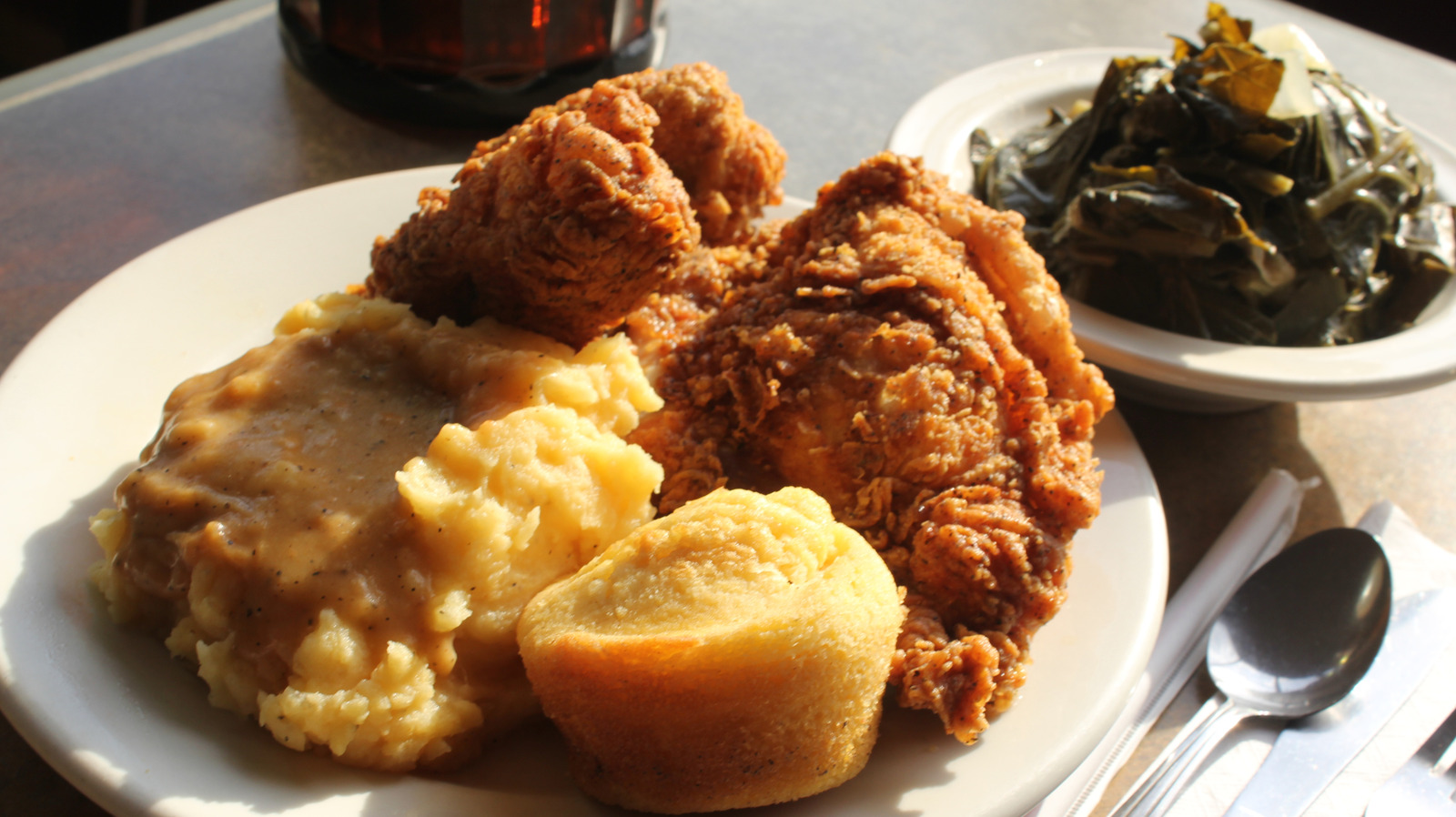
Even though there was an intense religious ceremony happening right outside their car, Bourdain apparently wanted to feed his crew after a long day of filming. With not much more than "a few handfuls of cooked rice available" during the shoot, he knew they were "hot, hungry, and very far from home." And Woolever said that meant they were ready to eat "some resolutely Western fast food chicken and biscuits."
Food & drink
fromRunning on Real Food
2 months agoSpinach Lentil Curry
This creamy Spinach Lentil Curry is comforting, richly spiced without being heavy and made with just a few pantry staple ingredients in about 30 minutes. Prep Time: 10 minutes. Cook Time: 20 minutes. Servings: Makes 4 servings of approximately 1.5 cups each. Nutrition: 269 calories with 17g protein + 19g fibre. Dietary Info: Vegan, gluten-free, dairy-free, nut-free. Difficulty: Easy! One-pan recipe with minimal ingredients and prep needed.
Food & drink


Food & drink
fromwww.bbc.com
2 months agoAn iconic Indian restaurant might have to shut after 99 years. Can the King save it?
Veeraswamy, London's oldest Indian restaurant (founded 1926), faces lease non-renewal by the Crown Estate; supporters petition King Charles III to protect it as cultural heritage.
fromEater
2 months agoChef Marcus Samuelsson's Guide to Food in Addis Ababa, Ethiopia
The capital of my home country, and the location of my new restaurant, Marcus Addis Restaurant & Sky Bar, is both the center of Ethiopia and a core component of our nation's culture. Restaurants and artistic institutions go hand and hand in Addis. Here, galleries, museums, and markets come together to create a steady, electric rhythm that comes alive in the city's restaurants and kitchens.
Food & drink
fromFood & Beverage Magazine
1 month agoSound Bites: How Tennessee is Using "Sonic Seasoning" to Change the Way We Eat - Food & Beverage Magazine
Sonic seasoning is the phenomenon where specific musical elements: tempo, pitch, instrumentation: can influence how our brains perceive the five basic tastes: sweet, sour, salty, bitter, and umami. High-pitched tones can make dishes taste sweeter. Bass-heavy tracks can enhance umami and savory notes. Even the crunch sounds we hear while eating can make food seem fresher and crispier. It's not just about mood: it's about fundamentally altering taste perception through sound.
Food & drink
[ Load more ]