#spanish-galleries
#spanish-galleries
[ follow ]



Berlin music
fromenglish.elpais.com
2 weeks agoFrom saint to raver: Rosalia opens Lux' world tour by exploring all her incarnations
Rosalia's Lux world tour opener in Lyon showcased an ambitious, theatrical production that successfully translated her sophisticated, maximalist album to stage with authority and artistic vision.
Design
fromdesignboom | architecture & design magazine
2 weeks agowith a pavilion crafted through collective embroidery, izaskun chinchilla tests urban utopia
Utopian thinking emerges through small-scale collective craft practices like embroidery rather than ambitious masterplans, creating tangible contributions to better communities.


Arts
fromThe Art Newspaper - International art news and events
3 days agoGagosian chooses Paris location to present three important late paintings by Francis Bacon
Three late paintings by Francis Bacon will be exhibited in Paris, showcasing his significant connection to the city and his artistic evolution.
fromGamintraveler
4 weeks agoWhy Is Spain Suddenly Harder For Americans? Here's What Changed
For years, Americans had a handful of "soft" ways to stay in Spain longer than a normal vacation, or to turn a property purchase into a residency plan. Spain did not slam the door shut. But it did remove shortcuts, tighten the math, and make border time much easier to track.
Travel
Barcelona
fromArchDaily
2 weeks agoBarcelona Architecture City Guide: 30 Buildings and Places from Gaudi to Today
Barcelona's architecture evolved from Gothic foundations through Modernist experimentation to contemporary design, each era reshaping urban form and establishing global architectural influence.
History
fromwww.theguardian.com
4 weeks agoFurious row erupts over Madrid site of one of Robert Capa's most important pictures
Madrid's conservative city council abandoned plans for a Robert Capa museum at a historically significant bombing site, instead converting it into a youth center with minimal historical commemoration.
Miscellaneous
fromenglish.elpais.com
1 month agoLAM, the museum that displays a portrait made with sausages and a sculpture of moldy grapes
The Lisser Art Museum in Lisse, Netherlands houses the world's largest collection of art related to food, drink, and consumption, featuring multidimensional works that explore everyday culinary themes in extraordinary ways.

#surrealism


Arts
fromThe Art Newspaper - International art news and events
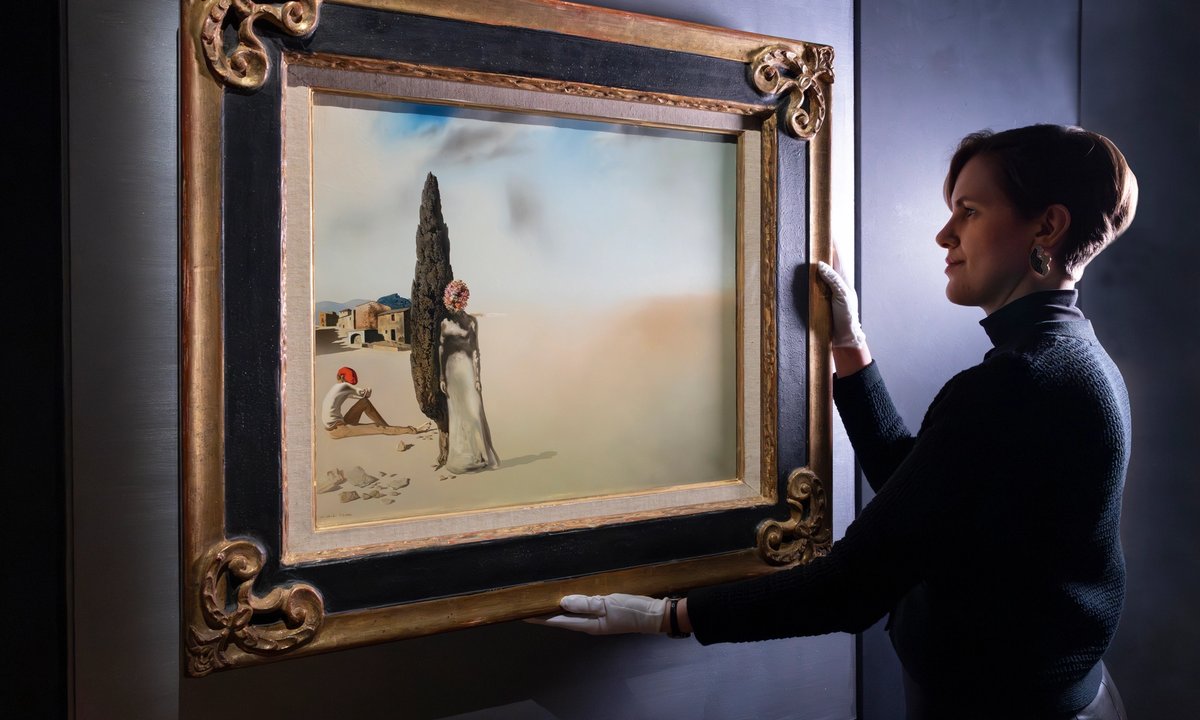
2 weeks agoDali painting that inspired Schiaparelli dress to be shown in UK for first time
Salvador Dalí's Necrophiliac Spring (1936), previously unseen in the UK, debuts at the V&A's Schiaparelli exhibition, having inspired her iconic Tears Dress (1938).
fromArtnet News
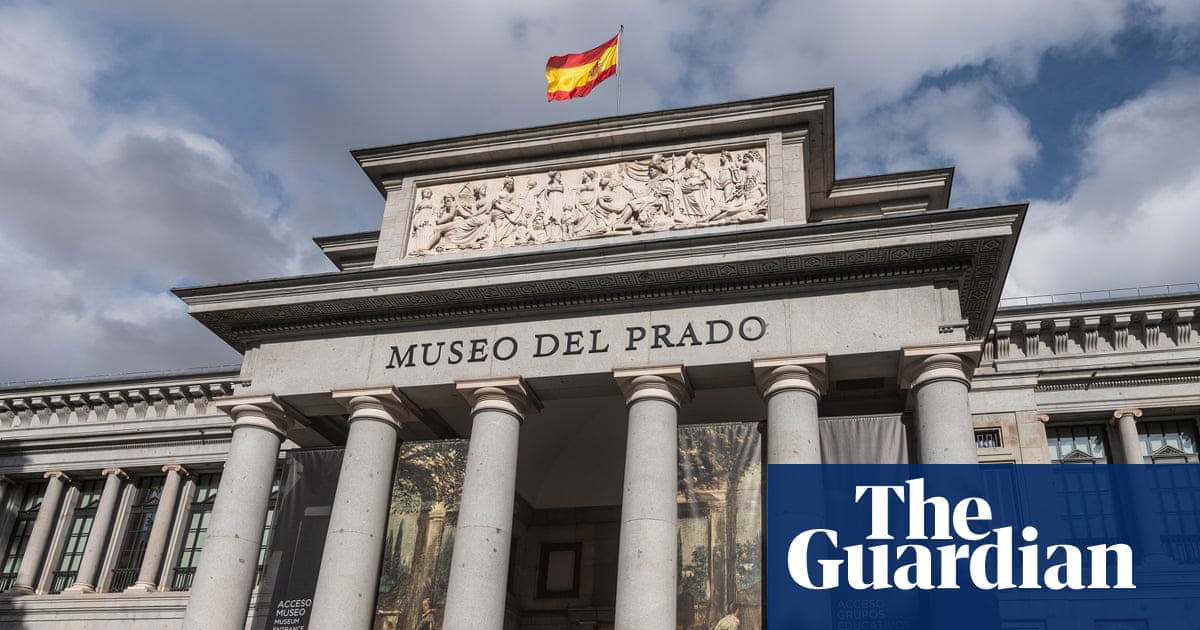
2 weeks agoPrado Implements New Crowd Control Measures to Combat Overtourism
Reducing the maximum number is not only beneficial in general, it is first and foremost an advantage for group members themselves, who will now be offered an experience that brings them closer to the works.
Arts
fromwww.theguardian.com
1 month agoMadrid museum shuffles its pack charting decades of rapid change in Spain
The Reina Sofia's new rehang opens, quite pointedly, with a painting of a detained man sitting, head bowed and wrists shackled, as he waits for the arbitrary hand of institutional bureaucracy to decide his fate. The picture, Document No , was painted by Juan Genoves in 1975, the year Francisco Franco died and Spain began its transition to democracy after four decades of dictatorship.
Miscellaneous
fromwww.thehistoryblog.com
1 month agoMedieval painted panels found beneath Toledo house
A group of polychrome wood panels discovered under the floorboards of a house in Toledo in 2018 are going on display at the National Archaeological Museum in Madrid. They were found during construction of a hotel planned to go up over several buildings in the Bajada del Pozo Amargo street next to Toldeo's Cathedral. They had been stripped from their original location on the upper part of the walls of a quadrangular hall and reused as raw carpentry material in the house's subfloor.
History
Graphic design
fromdesignyoutrust.com
2 months agoJosep Renau Turned Photomontage Into AntiFascist Weaponry, Commissioning Guernica While Saving Prado Treasures From Franco's Bombs
A wide-ranging gallery of visual art, comics, illustrations, and creative projects showcases playful, surreal, nostalgic, and politically charged imagery across varied media and styles.
fromArchDaily
1 month agoBetween Materials and Memory: Three Madrid Architecture Practices on Heritage Rehabilitation
Ba-rro: "Our starting point is always the context and what already exists." We are interested in recognizing the value of things simply because they are there, without assuming that everything must be preserved as a matter of principle. The question isn't what can be kept, but what deserves to be kept in each specific project. The decision to preserve, reveal, or remove doesn't stem from universal values or a nostalgic impulse, but from a situated interpretation:
Renovation
fromArchDaily
1 month agoFestival Concentrico 2026 Announces Three Selected Urban Installations From Its International Open Calls
Concéntrico is an urban innovation laboratory that invites reflection on the city through architecture and design. Since 2015, it has carried out more than 180 interventions in Logroño, Spain. The new 2025/2026 season of the festival expands on this experimental spirit with three international calls for proposals that bring the ideas in the book Concéntrico: Laboratorio de Innovación Urbana (Park Books, 2025) into action.
Design

fromCosmopolitan
2 months agoThese Six Couples Are So In Love in Barcelona
Oskar: We matched on Tinder in Bali the day before he left, so we didn't physically meet. He was living in Melbourne at the time, and I actually had plans to move there. Santi: A month later, I asked him on a date. We watched Bridesmaids at an outdoor cinema. Oskar: I was obsessed. But I didn't have a permanent place to live... Santi: ...which is when my friend and I found a three-bedroom and needed another roommate. Oskar: We moved in as friends. Santi: At least, that was the plan. But that first night, I was really cold and I found my way into his room.
Relationships

Arts
fromThe Art Newspaper - International art news and events
3 weeks agoPretty in pink: how Toulouse is establishing itself as a top arts destination
Toulouse is transforming into a major European cultural destination through renovated museums, prestigious exhibitions, and strategic partnerships, positioning itself as France's third-largest city.
fromwww.thehistoryblog.com
1 month agoSpain captures bronze toddlers capturing partridges
Dating to the 1st-2nd century A.D., the bronzes are about 20 inches long and mounted to rectangular bases. They capture the little girls in dynamic movement, frozen in the act of propelling themselves forward, their fingers splayed wide on each side of the partridges just about to catch them. The craftsmanship is superior, every detail on the toddlers and partridges realistically depicted with fine materials. The eyes are inlaid with white stones and one of the girls still has her metal irises.
History
fromwww.theguardian.com
1 month agoIt's dedicated exclusively to female artists, from Frida Kahlo to Tracey Emin': readers' favourite unsung museums in Europe
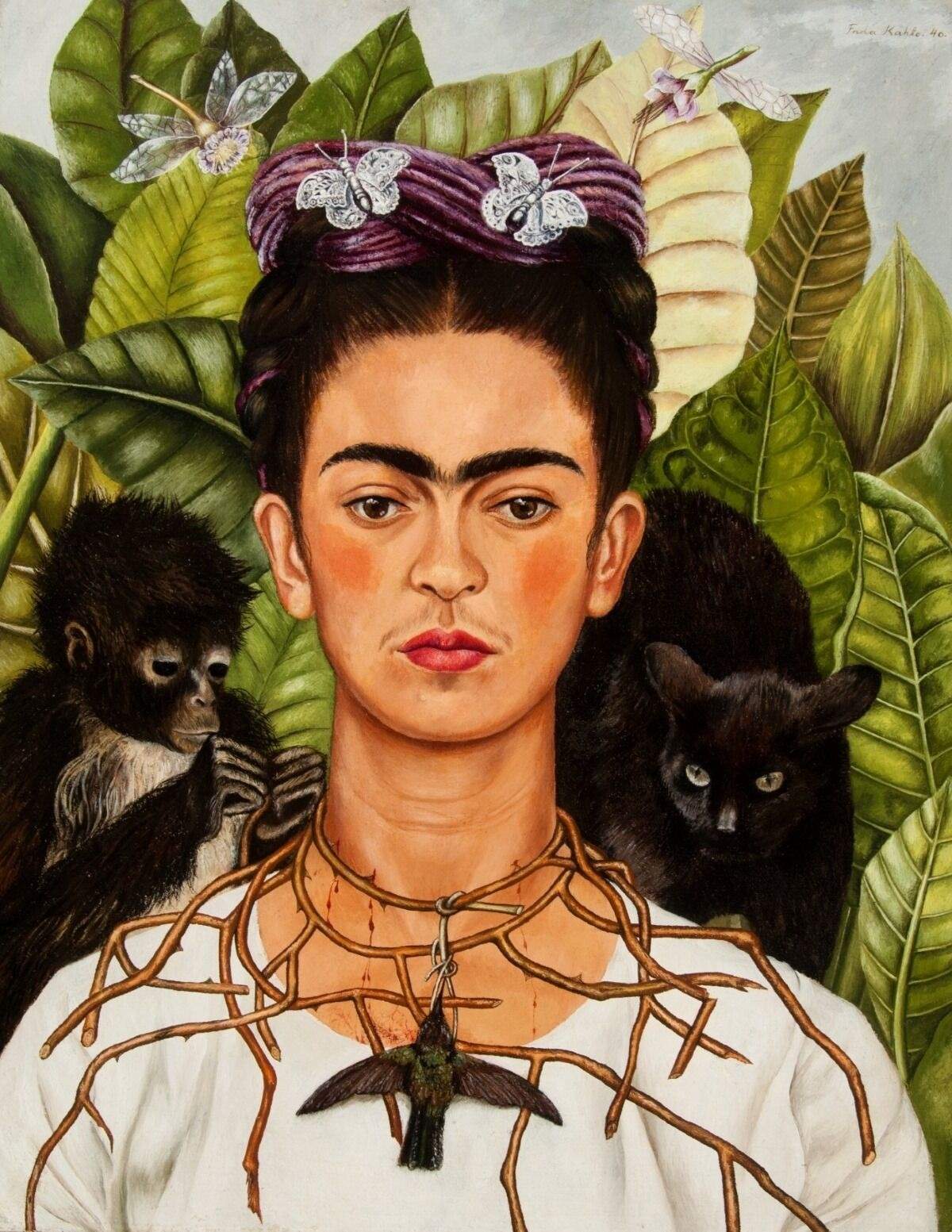
We visited the Female Artists of the Mougins Museum, in Mougins, a small village on a hill near Cannes. Full of exclusively female artists from Berthe Morisot in the 19th century and Frida Kahlo in the early 20th to contemporary figures such as Tracey Emin it houses an incredible collection of often overlooked art and artists. We visited on a rainy October day and it was remarkably quiet and calm. I particularly enjoyed the abstract works well worth a trip up the hill.
Travel

fromArtnet News
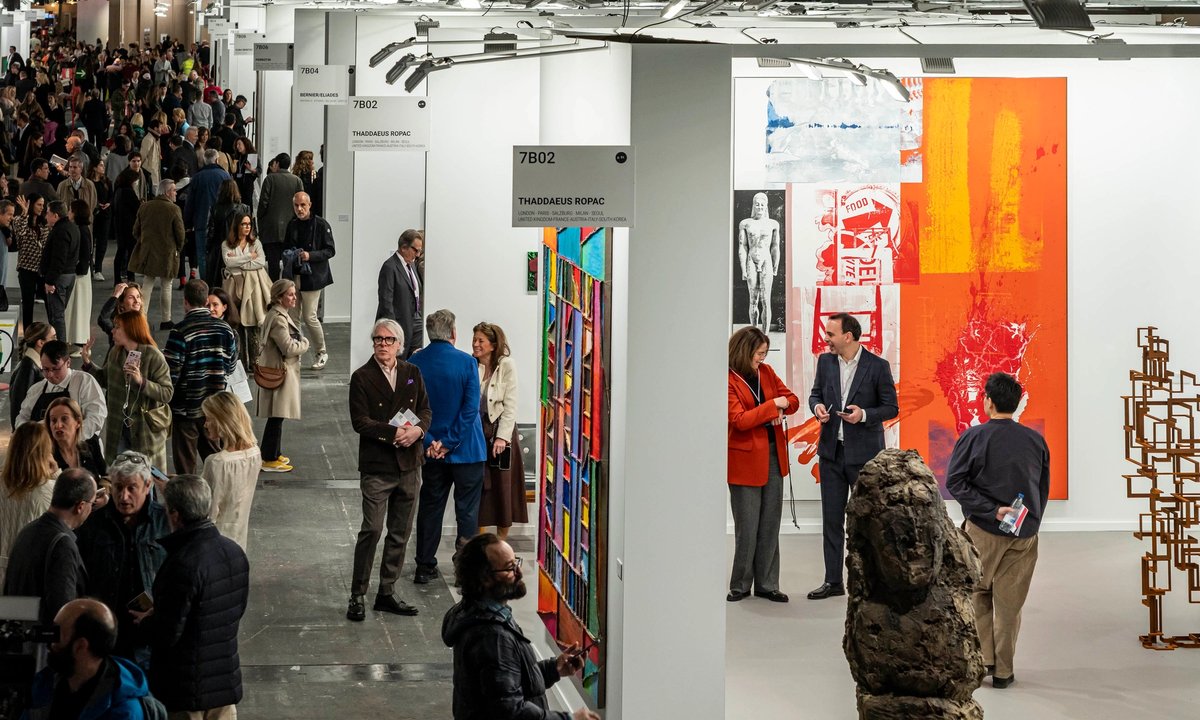
1 month agoPrado Conservators Get a Loewe Makeover
Designed in close dialogue with the Prado's conservators, the coats meet strict functional requirements essential to restoration work. They are constructed from high-quality, non-reflective materials that prevent any glare from interfering with the surface of a painting-an essential consideration when working millimeters away from a Velázquez or a Bosch.
Arts
fromHyperallergic
1 month agoSpain's Cosmic Mother of Modernism
MADRID - The most famous portrait of Maruja Mallo depicts the artist covered from head to toe in seaweed. She is crowned and draped with long, rope-like strands of kelp, her arms raised triumphantly like an all-powerful marine goddess. This unconventional photograph, snapped in 1945 by the poet Pablo Neruda on a Chilean beach, was no doubt carefully orchestrated by the Spanish artist, who viewed herself as an extension of her unique work, where female energy is a conduit for natural and even cosmic forces.
Arts
Arts
fromThe Art Newspaper - International art news and events
1 month agoLondon's Delfina Foundation launch residencies for Latin American and Caribbean artists
Jorge and Darlene Pérez are funding four fully funded Delfina Foundation residencies in London prioritizing Latin American, Caribbean and related US diaspora artists.
fromColossal
2 months agoAbsurd Scenarios Stretch Across Paco Pomet's Uncanny Canvases
From figures with multiple legs and noodles for arms to frolicking trees, Paco Pomet summons the absurd. Known for his uncanny oil paintings rendered mostly in monochrome and enlivened by colorful details of overly stretchy limbs or celestial objects, a sense of nostalgia greets surreal scenarios. The artist often derives his imagery from vintage black-and-white photographs, adding an absurd dimension to history.
Arts
fromThe Art Newspaper - International art news and events
2 months agoExhibitions to see during Mexico City Art Week
Taking over the colourful Casa Gilardi, Luis Barragán's last commissioned residence, built for the advertising executive Francisco Gilardi in the mid-1970s, the German artist Gregor Hildebrandt transforms the house's stylish rooms with an ever-expanding exhibition of his enigmatic works across various media. Known for transforming outmoded analogue recording media-including audio cassettes, VHS tapes and vinyl records-into paintings, sculptures and large-scale installations, the Berlin-based artist's conceptual works explore themes of memory, nostalgia and the physical representation of intangible sound and sight.
Arts
fromwww.theguardian.com
2 months agoMonkey Christ' is as good as a Picasso | Brief letters
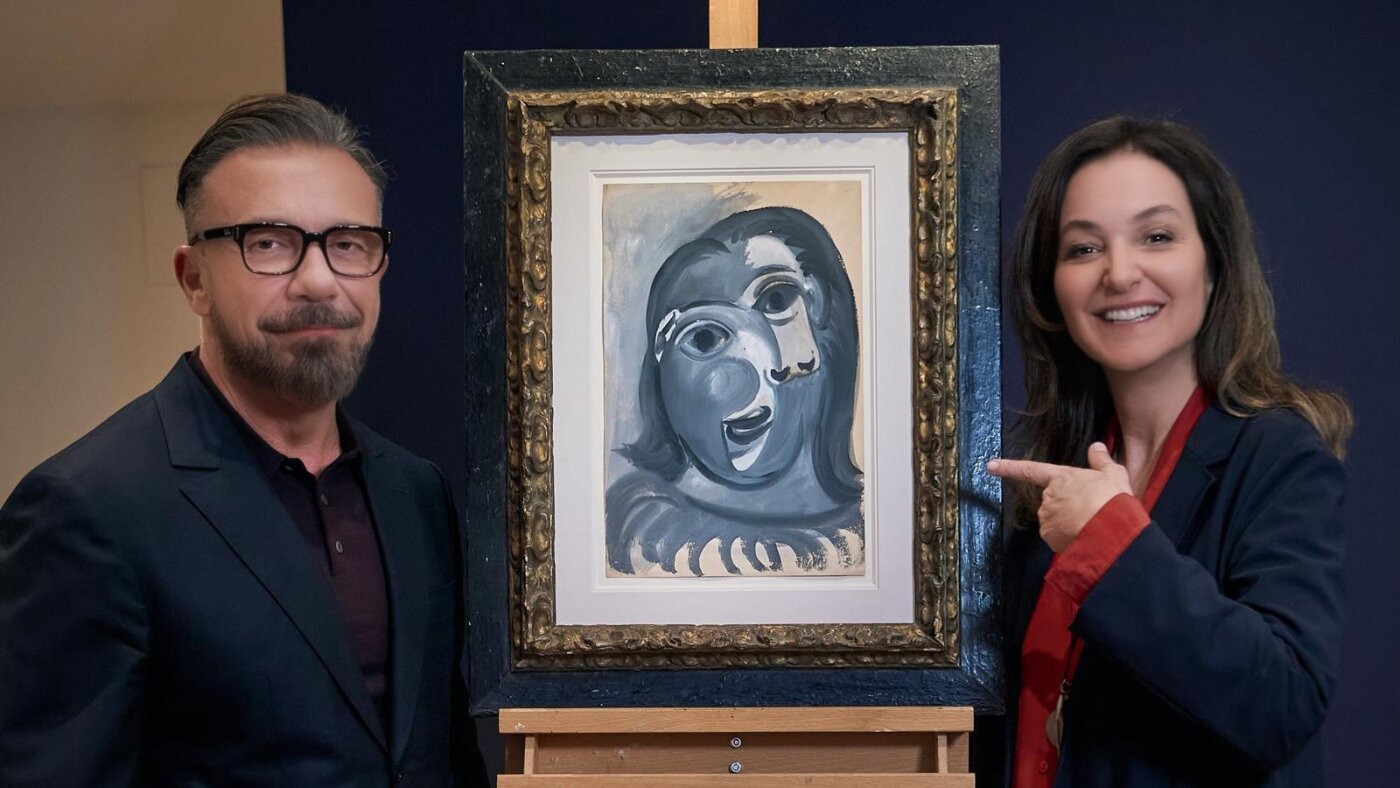
I was intrigued by the similarity between two paintings recently featured in the Guardian: the Ecce Homo as restored by Cecilia Gimenez (Cecilia Gimenez, famed for Monkey Christ' mural mishap, dies at 94, 30 December) and Tete de Femme by Pablo Picasso (1m Picasso portrait up for grabs for 100 in charity raffle, 31 December). Perhaps Cecilia's work is in need of a reappraisal. Steve Shearsmith Beverley, East Yorkshire
Arts
Arts
fromJuxtapoz
2 months agoJuxtapoz Magazine - Preview: Imon Boy's "Un poco distraido" @ Yusto / Giner Gallery, Madrid
Imon Boy's solo exhibition transforms diary-like, graffiti-rooted imagery into playful visual narratives blending street energy with gaming, internet culture, cinema, travel, humor and identity.
Arts
fromThe Art Newspaper - International art news and events
1 month agoMexico City's art scene gravitates to Santa Maria la Ribera neighbourhood
Santa María la Ribera has become a growing hub for contemporary Mexican artists, offering affordable studios, large Porfirian-era spaces, and new exhibition venues.
Arts
fromHi-Fructose Magazine - The New Contemporary Art Magazine
1 month agoIn Plain Site: Isaac Cordal Creates Tiny Worlds Which Mirror Our own - Hi-Fructose Magazine
Small sculpted businessmen embody social complacency and systemic contradictions, showing technological obsession, environmental neglect, and coerced conformity amid crisis.
fromTime Out London
2 months agoA major Renoir exhibition is coming to London this year - here's why it will be one of the city's best art shows in 2026
'trace] the evolution of the imagery of affection, seduction, conversation, male camaraderie and the sociability of the café and theatre, as well as merry-making, flirtation, courtship and child-rearing in Renoir's art'
Arts
[ Load more ]