#sparkling-wine-storage
#sparkling-wine-storage
[ follow ]
#sparkling-wine #wine-tasting #natural-wine #pinot-noir #storage #shelf-life #climate-change #wine-bars
Paris food
fromTravel + Leisure
3 weeks agoThis French City Is a Wine Lover's Dream Just 2 Hours From Paris
Bordeaux has transformed into a cultural and culinary destination attracting Parisians, accessible via two-hour TGV train rides and offering wine experiences, museums, luxury hotels, and fine dining.
Cocktails
fromElite Traveler
4 weeks agoWhat's the Best Sparkling Water for Cocktails? Experts Reveal Their Picks
Sparkling water style significantly impacts drink character through carbonation level, mineral content, bubble size, and aroma delivery, making water selection crucial for cocktail and beverage creation.
Cocktails
fromTasting Table
4 weeks agoThis Pantry Ingredient Gives Cocktails And Mocktails An Instant Boost - Tasting Table
Vinegar creates complex acidity in cocktails and mocktails, with shrubs—drinking vinegars made from fruit, sweetener, and vinegar—offering an easy way to balance sweetness with bright tartness.
Miscellaneous
fromCalifornia Post
1 month agoWhat crisis? Napa Valley finds unique way to fight back as wineries wither
Luxury wine experiences in California now focus on exclusive, immersive storytelling that transforms visitors into lifelong customers through private access and personal connections with winemaking families.


fromTravel + Leisure
1 month agoWe Asked 6 Wine Experts What They Drink on a Flight, and They All Agree on This Beverage
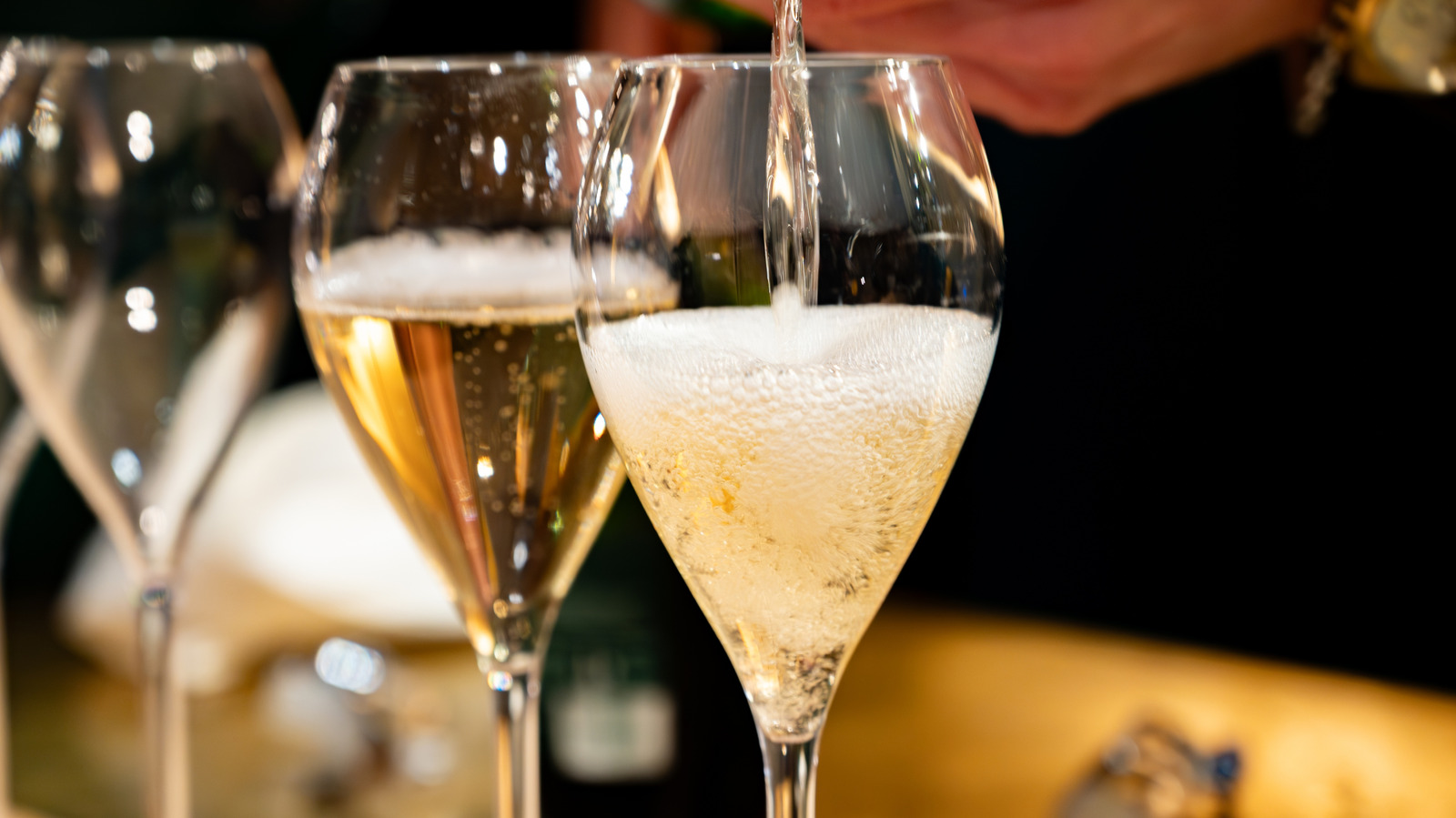
"airlines have really stepped up their game. I've spotted bottles on beverage carts that I'd have to hunt for on the ground, which tells me they're working with people who actually know wine. They have a captive audience at 35,000 feet, and they could easily rely on subpar offerings. So when an airline chooses to stock something genuinely good, it says a lot."
Food & drink
fromTasting Table
3 weeks agoThe Ideal Temperature To Serve Prosecco For The Best Tasting Experience - Tasting Table
In order for a glass of Prosecco to reach its full potential in terms of flavor and aroma, it should be served at a temperature between 40 degrees Fahrenheit and 45 degrees Fahrenheit. You don't want to overchill wine, especially not Prosecco as anything colder than about 38 degrees Fahrenheit will mute all of the gorgeously nuanced fruitiness in the bubbly.
Wine
fromwww.theguardian.com
2 months agoDoing dry January? Use languishing bottles of wine to make the ultimate comfort food
Hands up, who is dry Januarying? While it's not something I do explicitly, I do like to cut back a bit at the beginning of the year. The marathon that is Christmas socialising can be fun but relentless, and I imagine there are many others in the same boat. When it comes to wine, at least, the problem with cutting back is what to do with the rest of the bottle.
Cooking
Wine
fromInsideHook
3 weeks agoTrends Come and Go, but Gaja's Barbarescos Remain Legendary
Gaja built its legacy through risky innovation and alternative thinking, transforming Piedmont winemaking by introducing French techniques and softer, more elegant Nebbiolo styles that elevated Italian wine globally.
fromGastropoda
13 years agoWine steaks
Former consort braved the newly reincarnated Absolute Bagels & bailed when he found 45 people in line, in the cold. One of our oldest friends, who retreated to the Bay Area long ago, always used to say: "The more New Yorkers get fucked, the more they like it." Now with more Instagram...
New York City
fromPUNCH
2 months agoIt's Not Easy Being Green
the Strengthening Organic Enforcement (SOE) rules, set by the USDA, declared that importers-that's right, the firms that typically handle sales and logistics, not just the winemakers- also need to be certified organic in order for the wines to retain the label. According to a spokesperson from the USDA, the regulations are an effort to "better protect organic businesses and consumers" and "keep fraud out of the market."
Agriculture
Wine
fromTasting Table
4 weeks agoElizabeth Taylor's Favorite Vintage Champagne Label Is Worth A Small Fortune In 2026 - Tasting Table
Elizabeth Taylor championed three specific Dom Pérignon vintages—1959, 1961, and 1964—each priced between $1,100 and $3,000+ per bottle, reflecting their exceptional quality and rarity.
fromFood & Beverage Magazine
1 month agoProWein Dusseldorf 2026: The New I2A Framework is a Game-Changer for the Wine Trade - Food & Beverage Magazine
If you've ever walked a massive trade fair floor feeling overwhelmed by endless booths and brochures, you're not alone. But ProWein Düsseldorf is changing the game, and it's about time. The world's leading wine and spirits fair just announced a major evolution for 2026: the Insights to Action (I2A) Framework. And no, this isn't another buzzword-heavy initiative. It's a data-backed, visitor-focused system designed to make B2B wine buying smarter, faster, and far more efficient.
Food & drink
Wine
fromElite Traveler
1 month agoInside Chile's Golden Valley Estate Crowned the World's Best Vineyard
Vik winery in Chile's Millahue Valley ranks number one globally, producing premium wines through hand-harvested grapes, native yeast fermentation, and innovative aging methods including underground clay amphorae.
fromPsychology Today
1 month agoHow AI Is Rewiring Winemaking and Wine Collecting
The Brain Science Here's where neuropsychology enters the vineyard. The human brain's relationship with wine is deeply emotional and multisensory. When we taste wine, our orbitofrontal cortex integrates sensory information with memory and emotion; it's why a particular bottle might remind us of our grandmother's kitchen or that study-abroad summer in Tuscany. This neural complexity is what makes wine special, and it's also what makes AI's role in the industry controversial.
Wine
fromelitetraveler.com
2 months agoDo You Need an AI Wine Cellar?
For wine collectors, the art of cellar management has always been as much about precision as it is indulgence. Temperature, humidity, and provenance all dictate whether a vintage will flourish or falter, and even the most meticulous collectors know that storage mistakes can be costly. Now, a new wave of technology promises to take out the guesswork. AI wine cellars, as futuristic as they sounds, are systems that use artificial intelligence to track bottles, catalogue vintages, and anticipate optimal conditions.
Wine
fromTasting Table
2 months agoThe Absolute Best Nonalcoholic Sparkling Wine In Stores Is Worth The Splurge - Tasting Table
While nonalcoholic wines haven't always been a hit, many brands are challenging stereotypes with their wow-worthy wines, and such is the case with Bolle's Blanc de Blancs. Coming in at $40 for a standard 750-milliliter bottle or $90 for a magnum, this alcohol-free bubbly isn't the most budget-friendly option. It is, however, worth every penny. In a ranking of several non-alcoholic wines, Tasting Table's taste tester dubbed Bolle's Blanc de Blancs the best of the best.
Wine
fromTasting Table
2 months ago7 Whiskey Barrel Aged Wines, Ranked - Tasting Table
Starbucks' Reserve Roasteries sell whiskey barrel-aged cold brew, some beer is aged in bourbon barrels, and wine is an obvious beneficiary of this method too. Though the practice of aging wine in bourbon barrels is contested by some consumers - naysayers say the process diminishes the flavors that come from thoughtfully growing and sourcing the grapes, thus undermining the farmers - others are staunch fans of the finished product.
Wine

fromSlate Magazine
2 months agoThere's One Category of Alcohol Taking the Biggest Hit of All. It Should Be the Last.
In 2025, legacy Oregon craft brewery Rogue Ales & Spirits filed for bankruptcy and shuttered operations, California uprooted 38,134 acres of wine grapes (in order to cope with overproduction and stymie future excess crops), and Jim Beam announced it would cease production of bourbon at its main distillery for the duration of 2026. An increasing push toward sobriety has flooded the market with nonalcoholic alternatives to traditional tipples.
Wine
fromElite Traveler
1 month agoEurope's Most Famous Wine Dynasties Just Released an Ultra-Limited Case
Founded in 1992 by Miguel Torres and Robert Drouhin to promote the exchange of ideas, its members include Domaine Clarence Dillon (Château Haut-Brion), Famille Perrin (Chateau de Beaucastel) and Alsace's Famille Hugel, as well as Sassicaia makers Tenuta San Guido, the Douro's Symington family, Riesling specialists Egon Müller and Tuscany's 26 th-generation winemakers Marchesi Antinori. Earlier this week, all 12 descended on the Paris's Grand Palais for the launch of the PFV Generations Case, an ultra-limited-edition case of 12 wines - one from each family. Treats in the coffret include a 2016 Chateau Mouton Rothschild, a 2004 Vega Sicilia Unico, and a Champagne Pol Roger Sir Winston Churchill 2002 (which the house's 6 th-generation ambassador Bastien Collard de Billy was pouring on the night, and I can report tasted absolutely stellar). To sweeten the deal, each case also includes a VIP visit to every estate, some of which aren't open to the public. The case is priced at €32,000 and only a dozen have been created.
Wine
Wine
fromFortune
1 month ago'You can't have fun if you don't drink alcohol in France': Paris wine show tackles a teetotal era | Fortune
Zero- and low-alcohol beverages are gaining market share as social alternatives, driven by changing consumer habits and industry adaptation amid declining traditional alcohol consumption.


fromSan Francisco Bay Times
2 months agoSavor Sipping a Trio of Romantic Reds - San Francisco Bay Times
Romance and renewal are on the menu now and through February. It's a time to recharge and get moving on shaping a successful 2026. But that doesn't mean you can't slow down and enjoy an evening sip after a long day, or crack open a bottle with a loved one and celebrate the moment. These unique California reds offer an opportunity to relax and toast to finding joy in the new year.
Wine
[ Load more ]