#specialized-high-school-admissions-test
#specialized-high-school-admissions-test
[ follow ]
fromDaily Mom magazine
4 days agoSpecial Needs Summer Camp For Children, Special Needs Camp
Special needs summer camps are specialized programs designed for children and young adults with a range of disabilities, including autism spectrum disorder (ASD), ADHD, Down syndrome, and other developmental or physical challenges.
Parenting
fromBrooklyn Paper
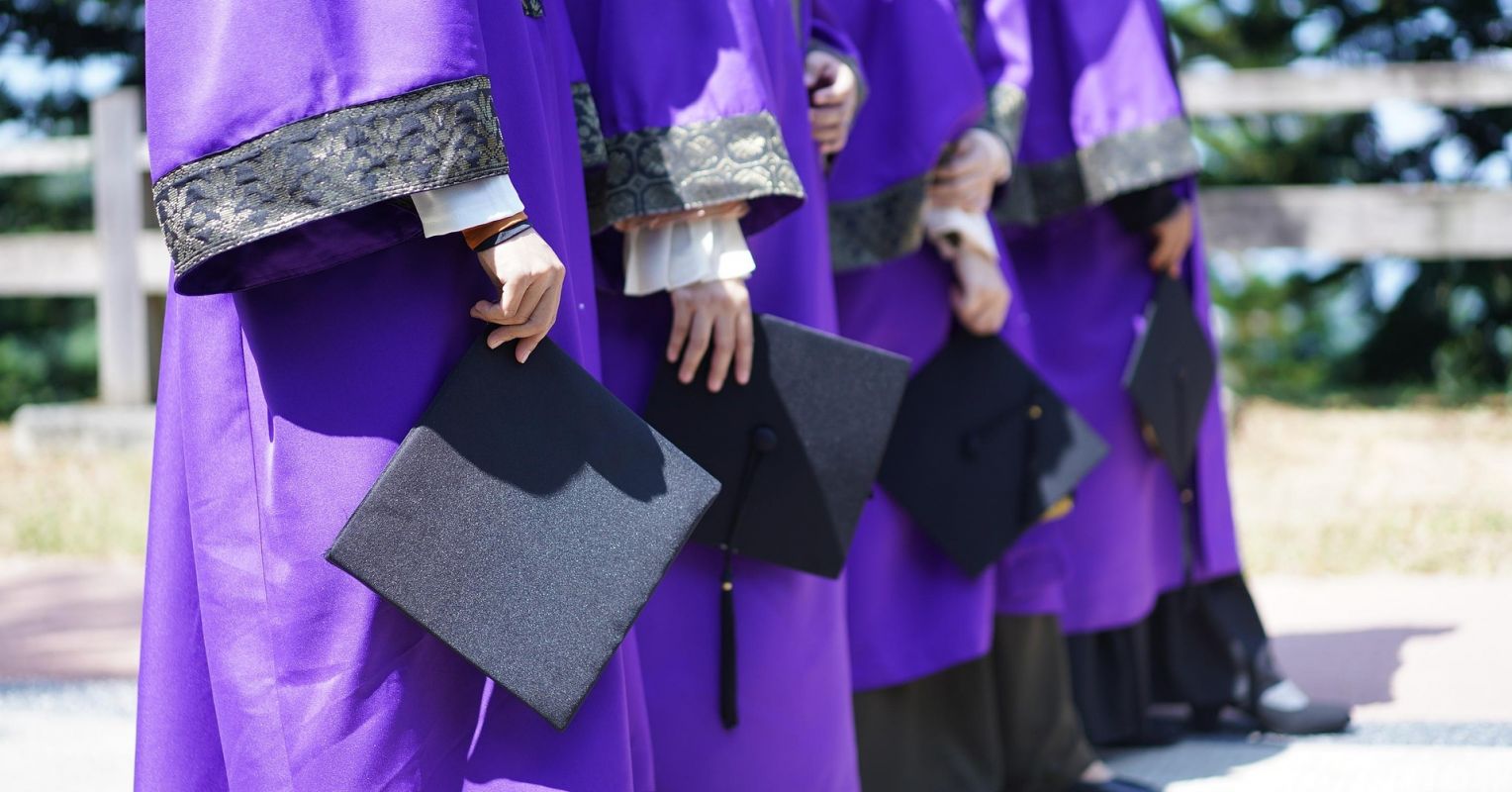
2 weeks agoAt Uncommon Collegiate Charter High School, student talent program helps Brooklyn teens find passion and purpose * Brooklyn Paper
Growing up, I struggled to figure out what made sense for me, what made me me. When I joined the drum line and felt that community, everything clicked. It made me a better person. It gave me something to fight for.
Brooklyn
#community-colleges
Higher education
fromInside Higher Ed | Higher Education News, Events and Jobs
2 days agoCommunity College 4-Year Degrees Let Prior Learning Count
Community colleges provide adult learners with affordable pathways to education, but transferability of credits for prior learning remains a significant challenge.
Higher education
fromInside Higher Ed | Higher Education News, Events and Jobs
2 weeks agoCalif. Community Colleges Scale Credit for Prior Learning
California is investing $15 billion in community colleges to implement AI-powered credit for prior learning at scale across 116 colleges serving 2.2 million students.
Chicago
fromWBEZ
3 weeks agoCPS Board names 3 finalists to lead district: Interim CEO King, former NYC, East Baton Rouge schools chiefs
Chicago Public Schools announced three finalists for superintendent: interim leader Macquline King, New York City schools leader Meisha Porter, and former Louisiana superintendent Sito Narcisse.
US politics
fromLos Angeles Times
3 weeks agoCalifornia sues over Trump demand for college race, test score and GPA admissions data
California and 16 Democratic states sue the Trump administration over a Department of Education rule requiring colleges to submit detailed admissions data including race, gender, and GPA by March 18.
#higher-education


Higher education
fromInside Higher Ed | Higher Education News, Events and Jobs
3 days agoHigher Ed Denounces GSA's Proposed Federal Funding Strings
The Trump administration's proposed pledge for colleges on diversity and inclusion is seen as vague and burdensome, risking federal funding for non-compliance.
fromPsychology Today
3 weeks agoWhen School Traditions Hurt
While events such as "Mother's Day Crafts," "Daddy and Daughter Dances," and "Grandparents' Breakfasts" are often planned with good intentions, they can unintentionally leave some children feeling invisible and serve as another painful reminder that their lives have changed forever.
Parenting
fromGothamist
5 days agoMayor Mamdani expands NYC scholarship program to include undergraduate degrees
"Our city advances when our workers can too. By connecting city workers to undergraduate and graduate educations, we're empowering the next generation of civil servants who act ambitiously, think creatively and believe firmly in government's ability to improve the lives of working people."
Higher education




fromChalkbeat
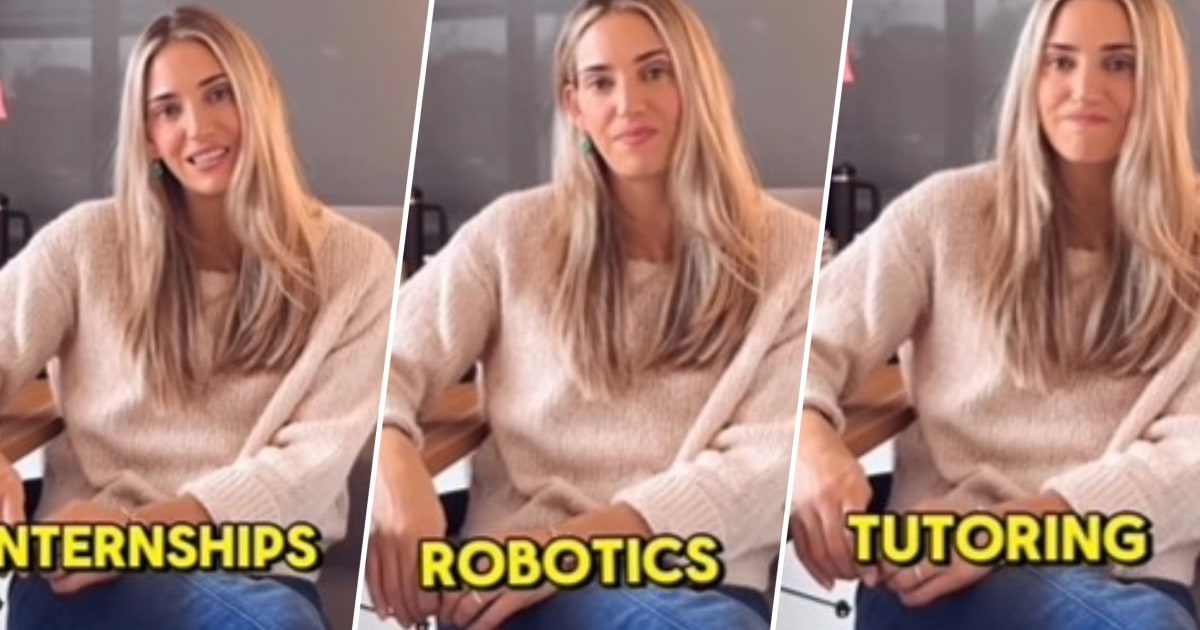
1 month agoNYC students to spend about 20 fewer days in school than national peers. Learning likely suffers.
New York City K-12 students with perfect attendance are on track this year to be in school for 1,102 hours. That's about 20 fewer days than the national average, per the study, of about 1,231 hours in school each year.
Miscellaneous
fromChalkbeat
3 weeks agoClass of 2025: graduation rates drop, as pandemic-era graduation standards fade away
They entered high school in a weird place. It is possible that some students started ninth grade not as prepared as they otherwise would have been. - Sarah Part, senior policy analyst at Advocates for Children, regarding the Class of 2025 students who began high school in September 2021 as the first full in-person cohort after pandemic disruptions.
NYC parents
California
fromwww.mercurynews.com
1 month agoWalters: California's reading reforms drive push for better math skills in early grades
California passed legislation requiring phonics-based reading instruction and teacher training to address critically low student reading proficiency rates, with proposed similar measures for mathematics achievement.
#gifted-programs
NYC parents
fromAol
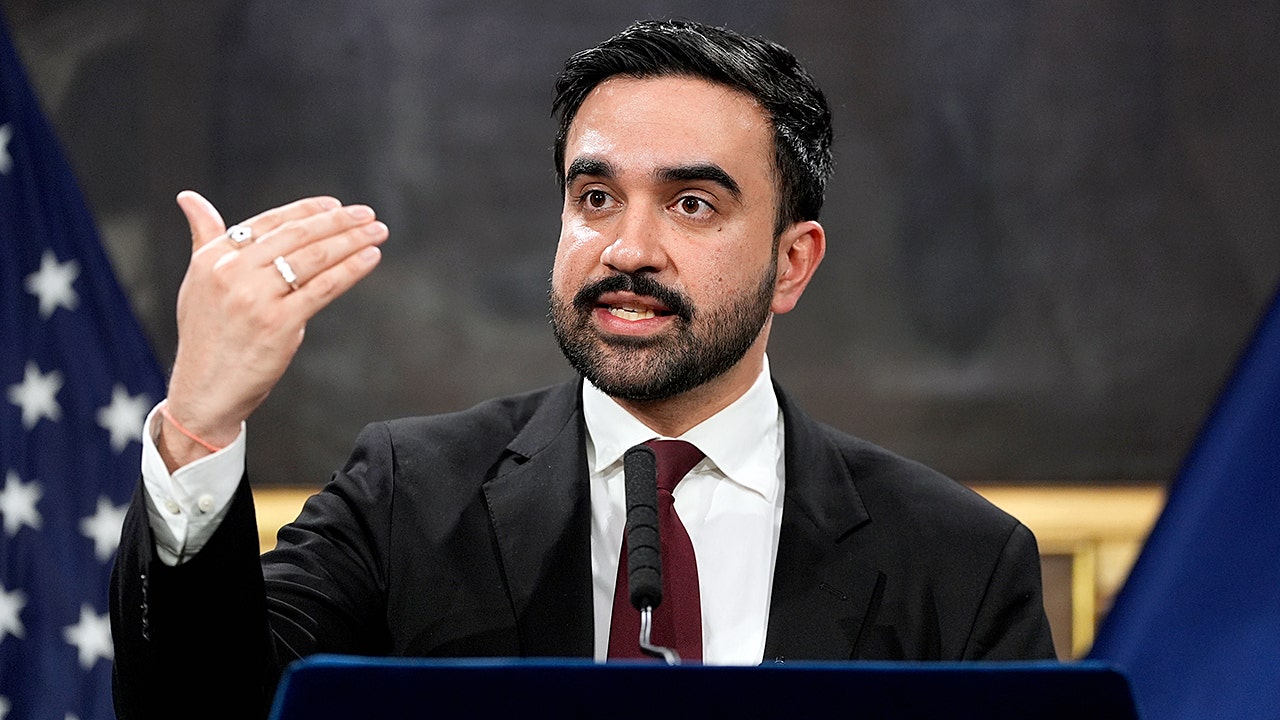
4 weeks agoMamdani's plan to cut gifted programs in NYC schools driving parents to competitive private education: report
Mayor Mamdani's plan to cut gifted programs in NYC public schools is driving parents toward private schools, which require intensive tutoring and networking to access.
NYC parents
fromAol
4 weeks agoMamdani's plan to cut gifted programs in NYC schools driving parents to competitive private education: report
Mayor Mamdani's plan to cut gifted programs in NYC public schools is driving parents toward private schools, which require intensive tutoring and networking to access.
Higher education
fromPadailypost
3 months ago38% of Stanford undergrads claim a disability; many get extra time on tests
38% of Stanford undergraduates are registered as disabled, with 24% receiving accommodations, reflecting a national trend of expanded disability definitions and relaxed verification requirements since 2008.
Education
fromChalkbeat
2 weeks agoHow are NYC schools using AI? Share your experience with us as the city prepares new guidance.
NYC schools Chancellor Kamar Samuels is developing an AI policy for schools while educators already use AI tools widely, with 67% of students reporting the technology harms critical thinking skills.
Higher education
fromEdSurge
3 weeks agoWhy NYC Schools Invested in Coaching for Staff Outside the Classroom - EdSurge News
NYC Public Schools implemented executive coaching for central office staff to build resilience and clarity amid post-pandemic uncertainty, recognizing that central office effectiveness directly impacts classroom success.
fromMail Online
1 month agoOnly 20% of people can solve this three-question IQ test backed by MIT
Called the Cognitive Reflection Test ( CRT), it has been around since 2005 but recently gained popularity on social media, with one TikTok user's breakdown of the three questions getting 14million views. The test was created by psychologist Shane Frederick, now at the Yale School of Management, to help predict whether people are likely to make common mistakes in thinking and decision-making.
Psychology
fromThe Oaklandside
2 months agoHow one Oakland high school made gains in reading and math
As a "Big Picture School, MetWest follows a nontraditional model, where students spend three days a week doing core learning and instruction, and spend Tuesdays and Thursdays participating in internships and career learning with a mentor. Their internships are in fields ranging from automotive to education, healthcare, and videography. "At Big Picture Schools, we believe not all the learning happens inside the schools but outside as well,"
East Bay (California)
fromwww.cbc.ca
1 month agoAs Ontario high school grades keep rising, graduating students worry about their university future | CBC News
Maya Duckworth-Pilkington spent the first two weeks of January buried in her textbooks, studying. Until she submitted her final advanced functions exam, the Rosedale Heights School of the Arts senior didn't realize how much time and effort she was putting into her studies. The pressure is higher than ever to do well, she explained over text message. People aren't sleeping well, eating well or getting leisure time.
Canada news

Education
fromChalkbeat
3 weeks agoNYC is proposing a public high school with an AI focus. Parents are pushing back.
New York City proposes Next Generation Technology High School, a screened admissions high school focused on AI and computer science, replacing Urban Assembly School of Business for Young Women, but families oppose the plan citing concerns about curriculum control by tech companies.
California
fromwww.mercurynews.com
2 months agoWalters: State's politicians wrongly fixate on education spending instead of results
California's K-12 system has rising per-student spending and reported local gains but continues to underperform nationally, especially in fourth-grade reading for Black and Latino students.
Higher education
fromLos Angeles Times
1 month agoLAUSD shows big improvement in Advancement Placement class enrollment, passing scores
LAUSD high school AP enrollment grew 50% over five years, with 51% of students achieving passing scores, though the district still lags behind California's 71% state passing rate.
fromInside Higher Ed | Higher Education News, Events and Jobs
1 month agoHow Dual Enrollment/Early College Has Changed (opinion)
This idea was based on the parallel between the pluck and elan that are characteristic of both the early-college students I worked with and that of America's hardest-working founding father. Five years after I wrote the book, I had the opportunity to revisit the field for a revised edition, making it appropriate to ask, after Thomas Jefferson's song in the second act of Hamilton, "What'd I Miss": How has early college/dual enrollment changed over the past half decade?
Higher education
fromInside Higher Ed | Higher Education News, Events and Jobs
2 months agoSAT Requirements Should Be Aligned With Mission (opinion)
Given the importance of local considerations, there are few universal policy prescriptions that can be recommended with confidence. Sadly, this complexity was overlooked in Saul Geiser's recent Inside Higher Ed essay entitled " Why the SAT Is a Poor Fit for Public Universities." My position is not that all, or even any, public universities should require standardized test scores. In fact, I share Geiser's view that a university's "mission shapes admission policy."
Higher education
Education
fromwww.standard.co.uk
1 month agoInside the scramble for London grammar school places as children as young five get private tutoring
London parents increasingly hire private tutors for children as young as three to compete for scarce grammar and independent school places, fueling an education arms race.
Education
fromBusiness Insider
2 months agoHigh schoolers are questioning capitalism. Here's how teachers are handling it.
High-school economics classes teach capitalism per state standards while striving for neutrality as social media politicizes economic topics and teachers adopt interactive methods to correct misconceptions.
Higher education
fromInside Higher Ed | Higher Education News, Events and Jobs
2 months agoUC's Test-Free Experiment Isn't Going Well (opinion)
Eliminating standardized tests coincided with dramatic declines in incoming UCSD students' math readiness, revealing GPA alone is insufficient to assess college preparedness.
fromPsychology Today
2 months agoWhy Theatre Training Could Be the Future of K-12 Education
The concept of the BANI World was proposed by Jamais Cascio in 2018 and further refined in 2020 to describe four major characteristics of future society: Brittle, Anxious, Nonlinear, and Incomprehensible. Compared to the previous VUCA ( Volatility, Uncertainty, Complexity, and A mbiguity) World, the BANI World more accurately depicts the increasingly complex and volatile global situation and trends. "Brittle" refers to social systems being more susceptible to shocks and damage, often accompanied by the risk of sudden collapse.
Education


fromwww.mercurynews.com
1 month agoOpinion: Why California teachers and schools can't fix low test scores on their own
These numbers look stark, but in context they reveal far more about the conditions California children are growing up in than the quality of classroom instruction. California educates a disproportionate share of children experiencing housing insecurity. A 2024 analysis found that 4% of California students were homeless, with some counties reaching 16%. The California Department of Education reports 230,443 homeless students statewide, a 26% increase over five years that mirrors broader trends in affordability, overcrowding and displacement.
Education
fromLos Angeles Times
1 month agoWhat it means to be 'ready' for kindergarten in California
The effort to get a snapshot of kindergarten readiness is part of the National Survey of Children's Health, which collected information from thousands of parents and guardians about their child in five areas - early learning, motor skills, social-emotional development, self-regulation and health. The goal was to answer an overall question: Is your child ready for school? Readiness in California is on par with the nation's average, which also puts kindergarten readiness at two-thirds of 3- to 5-year-olds.
Education
Higher education
fromwww.mercurynews.com
2 months agoOpinion: California colleges must stop blaming K-12 schools for student preparedness
Many UC first-year students, especially from high-need LCFF schools, arrived academically unprepared due to pandemic-related learning loss and structural inequities; blame hampers solutions.
[ Load more ]