#spermidine-rich-foods
#spermidine-rich-foods
[ follow ]
Health
fromSilicon Canals
1 week agoPeople who still look young in their 60s and 70s aren't fighting aging - they stopped doing the things that accelerate it, and the difference between those two approaches is the difference between swimming against a current and simply getting out of the water - Silicon Canals
The biggest factor in aging is what we stop doing to ourselves, rather than what we add to our lives.
fromThe Atlantic
3 weeks agoIt's Bean Time
These tiny packages pack a nutritional punch-so much so that the advisory committee for the 2025 U.S. Dietary Guidelines recommended upping the daily serving size of legumes and promoting them as a protein source over meat and seafood. Navy beans, for example, are especially fiber-dense, and lentils are protein powerhouses.
Food & drink

#multivitamins
Alternative medicine
fromwww.scientificamerican.com
3 weeks agoTaking a multivitamin could slow some signs of aging, new study suggests
A two-year multivitamin-multimineral study found modest slowing of biological aging markers by 1.5 to two months per year, though effects varied across different epigenetic clocks measured.
Yoga
fromhttps://www.arogyayogaschool.com/blog
1 month agoPalentu - The Ancient Power Food of the Mediterranean
Palentu is an ancient chickpea-based porridge from Calabria, Italy, made with chickpea flour, garlic, olive oil, and herbs, providing sustained protein, fiber, and energy for rural communities throughout centuries.
fromwww.theguardian.com
1 month agoVegetarians have substantially lower risk' of five types of cancer
This study is really good news for those who follow a vegetarian diet because they have a lower risk of five cancer types, some of which are very prevalent in the population. While being vegetarian appeared to be protective overall, the scientists also found that those who follow a vegetarian diet had nearly double the risk of the most common type of cancer of the oesophagus, known as squamous cell carcinoma, compared with meat eaters.
Cancer

fromCN Traveller
1 month agoSpermidine and baby teeth stem cells: the truth behind biohacking from the world's experts
I am running. Ahead lie endless mangrove swamps, behind the green-blue waters of the Caribbean. My mind is rising away from my lurching body, which is on a treadmill and attached to a beeping machine by wires and tubes. Nurses circle. The gradient increases, as does the speed. Dignity slips away as my body fights for breath. They're after my "VO2 max", the amount of oxygen my body can absorb during my maximum capacity for exercise.
Wellness
fromArs Technica
2 months agoAvoiding ultraprocessed foods supports healthier aging
We compared how participants fared while eating their habitual diets with how they responded to the two diets that were low in ultraprocessed foods. During the periods when participants ate fewer ultraprocessed foods, they naturally consumed fewer calories and lost weight, including total and abdominal body fat. Beyond weight loss, they also showed meaningful improvements in insulin sensitivity, healthier cholesterol levels, fewer signs of inflammation, and favorable changes in hormones that help regulate appetite and metabolism.
Food & drink





fromwww.npr.org
2 months agoCan exercise and anti-inflammatories fend off aging? A study aims to find out
"As we get older, the immune system is shifting away from good inflammation," which is the body's short-term, acute response to fend off injury or infection and promote healing, explains Dr. Thomas Marron, one of the researchers leading the new study. Marron directs early phase clinical trials at The Tisch Cancer Institute at the Icahn School of Medicine at Mount Sinai.
Medicine
Food & drink
fromSilicon Canals
1 month agoWhy scientists keep returning to this centuries-old diet for brain health - Silicon Canals
Following a Mediterranean diet significantly reduces risk of cognitive decline and Alzheimer's, preserves brain volume, and supports brain health via multiple nutrient pathways.
fromWIRED
2 months agoAre NAD+ Supplements a Longevity Hack or an Expensive Placebo?
It's more than likely that the NAD+ supplement craze has already crossed your path. The Biebers have infused it. Joe Rogan has podcasted about it. Gwyneth Paltrow swears by it and, of course, sells her own Youth-Boost NAD+ Peptide Rich Cream. NAD+ is the latest biohacker's darling. It's in longevity clinics and the wellness aisle, in your dietary supplements and your topical skin care.
Wellness

fromwww.scientificamerican.com
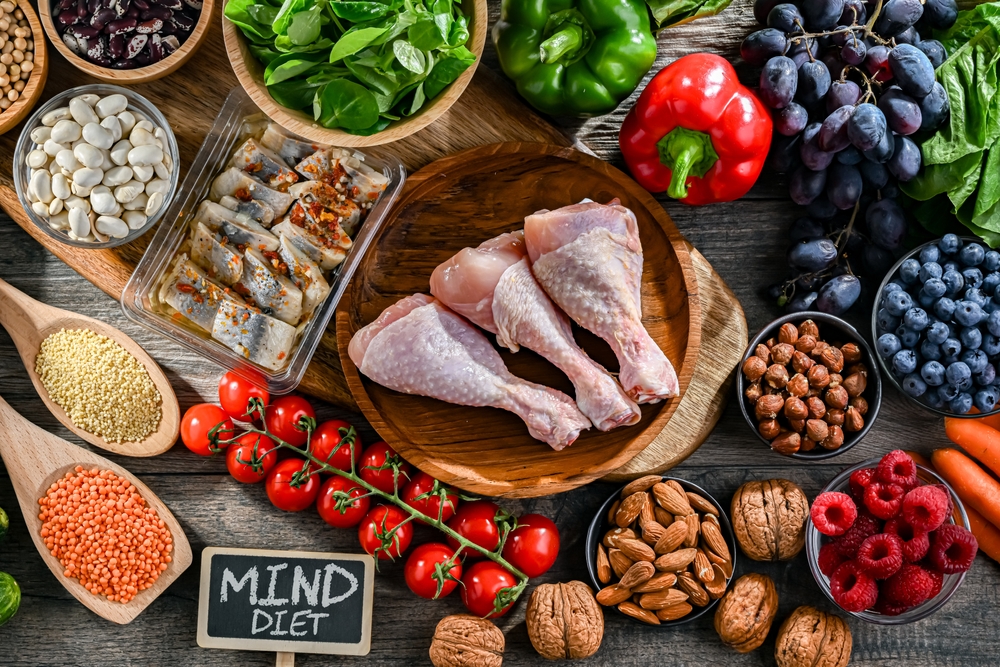
1 month agoFollowing one of these five diets may be the key to living longer
By following more than 100,000 people in the U.K. for years, researchers found that people whose food choices scored high in any one of five diet categories tended to live longer than people who scored the lowest. Specifically, the team found that even after adjusting for confounding factorssuch as whether people smoked, how much exercise they took and what their education and ethnicity wasstudy participants who tended to eat according to any one of the five diets were 18 to 24 percent less likely to die of any cause. For women, that roughly translated into an extra 1.5 to 2.3 years of life. And for men, it added about 1.9 to three years.
Food & drink
Alternative medicine
fromAlternative Medicine Magazine
2 months agoNew Bio-Luteolin Supplement for Healthy Aging Benefits
Bio-Luteolin™ provides dramatically increased luteolin bioavailability—up to 14× overall and up to 10× free luteolin—using a fenugreek galactomannan coating to enhance healthy aging benefits.
fromBusiness Insider
2 months ago3 healthy food swaps to protect your heart, according to a dietitian who studies how simple habits can prevent disease
Cardiovascular disease is the No. 1 cause of death in the US, but research has found that eating a Mediterranean-style diet and being physically active can help lower the risk. The American Heart Association's dietary guidelines recommend prioritizing fresh produce, whole grains, lean proteins such as fish, and limiting ultra-processed foods and refined sugar. That may sound like a lot, but Matthew Landry told Business Insider that you don't necessarily need to overhaul your diet to improve your heart health.
Health
[ Load more ]