#stage-four-pancreatic-cancer
#stage-four-pancreatic-cancer
[ follow ]
#breast-cancer #pancreatic-cancer #early-detection #immunotherapy #colorectal-cancer #misdiagnosis #young-adults
from24/7 Wall St.
3 days ago5 Biotechs That Big Pharma Could Snap Up as Oncology M&A Heats Up
Incyte tops this list due to its rare combination of commercial scale, cash generation, and pipeline depth. The company posted FY2025 revenue of $5.14 billion, up 21.2% YoY, anchored by Jakafi generating $828.2 million in Q4 2025 alone (+7% YoY) and Opzelura delivering $207.3 million (+28% YoY). With $3.58 billion in cash and 14 pivotal clinical trials underway, Incyte offers an acquirer immediate revenue, margin expansion potential, and a deep oncology pipeline spanning KRASG12D, CDK2 inhibition, and mutCALR.
Venture
fromWashingtonian - The website that Washington lives by.
1 week agoMeet the Leaders Helping to Create a World Without Blood Cancer - Washingtonian
The funds raised through Visionaries of the Year are used for research to advance lifesaving therapies like immunotherapy, genomics and personalized medicine, which are saving lives today.
Fundraising
#prostate-cancer
London politics
fromwww.theguardian.com
2 weeks agoI've been living under a shadow for 13 years': life with prostate cancer
A man diagnosed with hereditary prostate cancer at 52 has endured 13 years of intensive treatments and severe physical and psychological side effects that profoundly impact his quality of life and family.

London politics
fromwww.theguardian.com
2 weeks agoI've been living under a shadow for 13 years': life with prostate cancer
A man diagnosed with hereditary prostate cancer at 52 has endured 13 years of intensive treatments and severe physical and psychological side effects that profoundly impact his quality of life and family.


Medicine
fromSlate Magazine
3 weeks agoAt 42, With Three Young Kids, I Got a Diagnosis That Would Have Me Dead in a Year. That Was Somehow Just the Beginning.
A 42-year-old man was diagnosed with cholangiocarcinoma, a rare and aggressive bile duct cancer with a 10% five-year survival rate, after initially presenting with jaundice symptoms.
Medicine
fromBusiness Matters
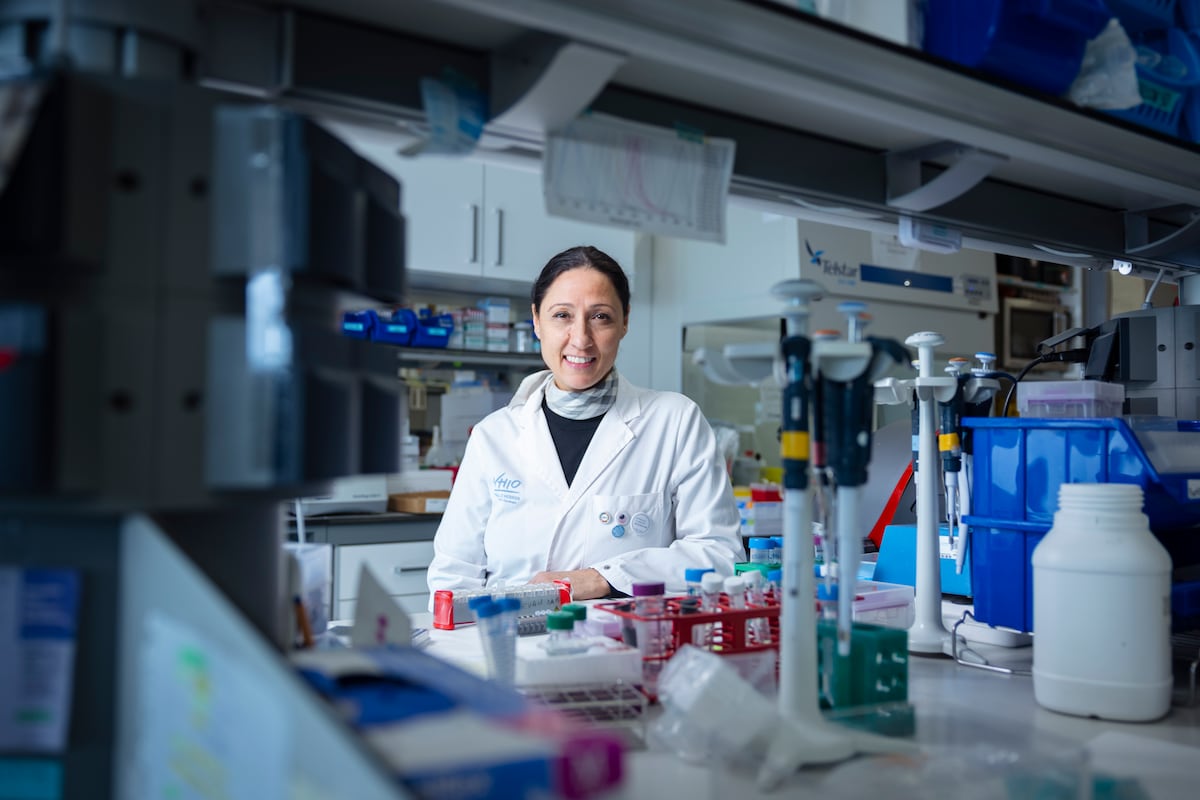
3 weeks agoFlavia Pichiorri: Turning Cancer Research Into Real Therapies
Dr. Flavia Pichiorri bridges laboratory discoveries and clinical applications in blood cancer research, focusing on therapeutic targets and radiation strategies to accelerate patient treatment outcomes.
Cancer
fromwww.theguardian.com
1 week agoI have stage four cancer there will be no cure, but death isn't necessarily imminent: this is how it feels to live in the long middle
Stage four lung cancer transforms breath into a finite currency, dictating daily life and relationships amidst medical advancements that extend survival.
Cancer
fromBusiness Insider
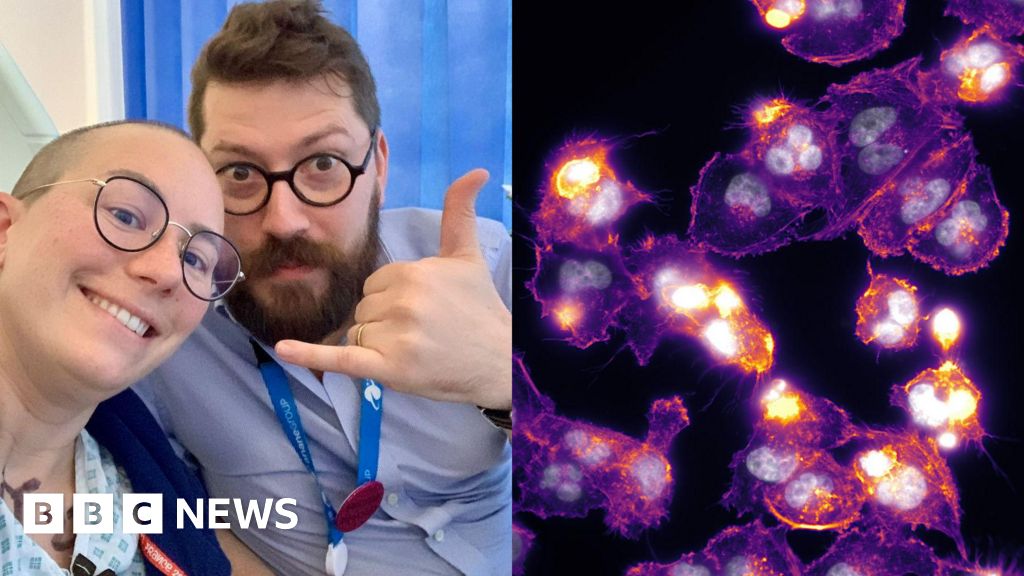
2 weeks agoStop ignoring subtle signs of cancer. A doctor explains when to get medical help.
Early cancer symptoms are often subtle and easily missed, including unexplained fatigue, persistent pain, and digestive changes; persistent symptoms lasting over a week warrant medical evaluation.

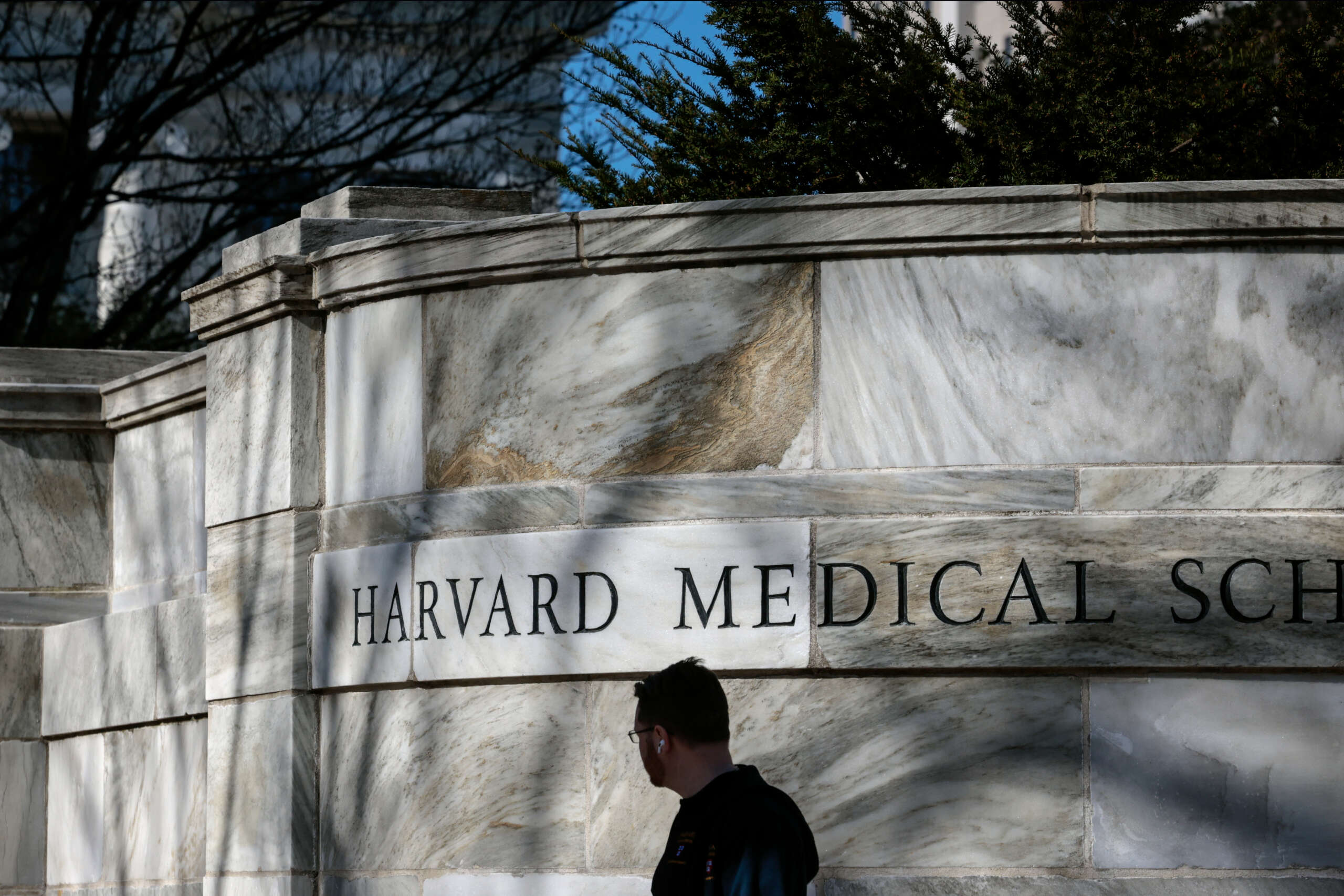

fromHarvard Gazette
1 month agoSix cancers rising faster in younger adults than older ones - Harvard Gazette
The work, published in November, painted a disturbing yet complex picture that varies globally according to cancer type, sex, and national context. The study examined cases that occurred between 2000 and 2017 and found 13 cancers on the rise in those under 50 in at least 10 countries, and six cancers - colorectal, cervical, pancreatic, prostate, kidney and multiple myeloma - rising faster in younger adults than in older adults in at least five.
Health
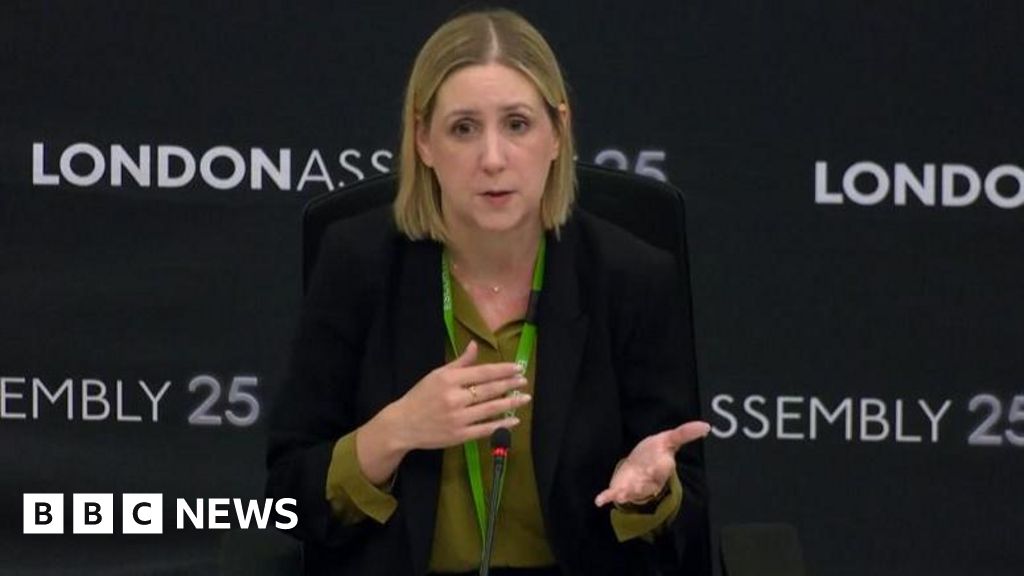
fromwww.bbc.com
3 weeks agoPolice probe breast cancer treatment allegations
A report last year found unnecessary surgeries were carried out, cancers were missed and poor standards of care were delivered at the University Hospital of North Durham and Darlington Memorial Hospital. CDDTF said it wanted to support the patients it had let down, including by offering access to psychological support, and to ensure they knew how to make a claim or raise concerns with police.
Cancer


OMG science
fromHarvard Gazette
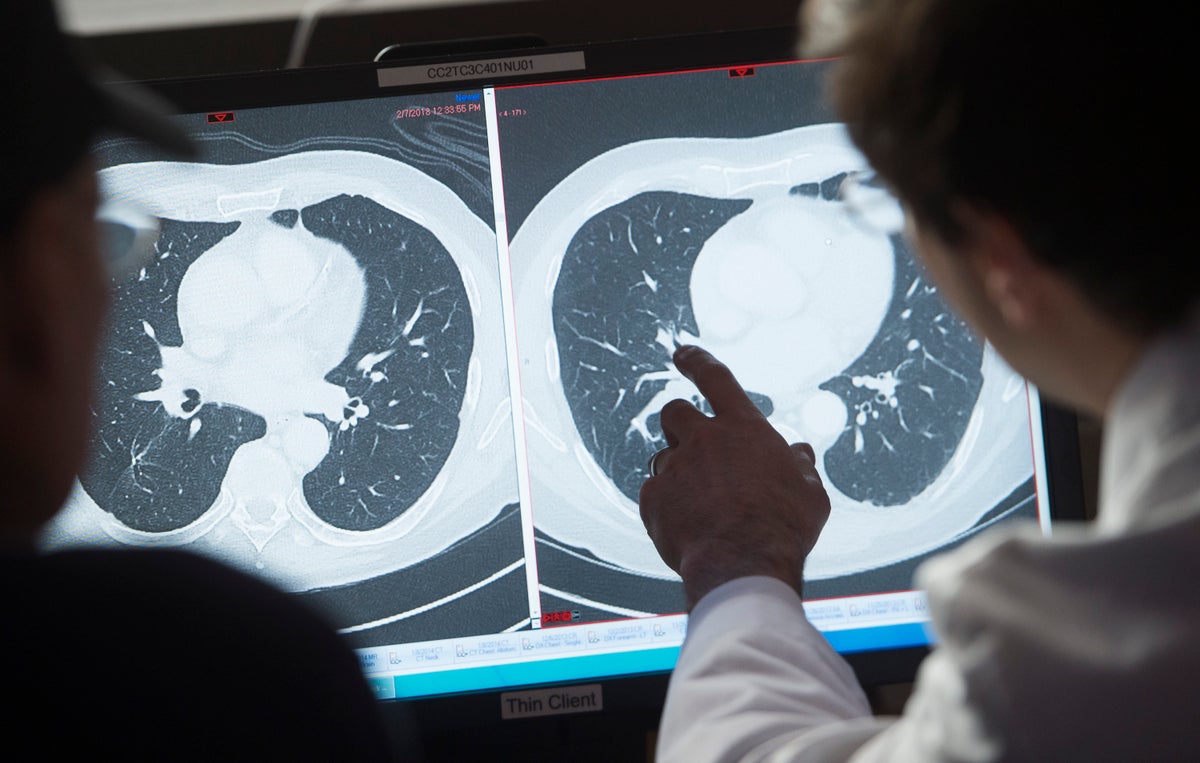
2 months agoWhy did that cancer cell become drug-resistant? - Harvard Gazette
TimeVault records and stores cellular gene-expression history inside living cells, enabling retrieval of past gene-activity information to study differentiation, stress responses, adaptation, and drug resistance.
Cancer
fromwww.theguardian.com
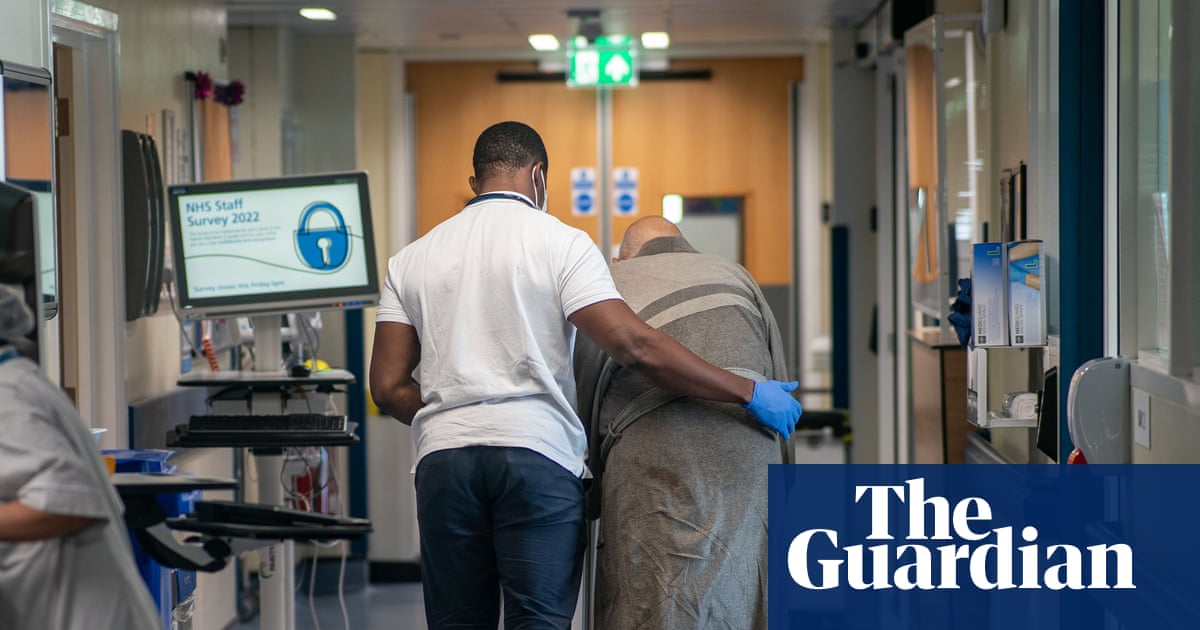
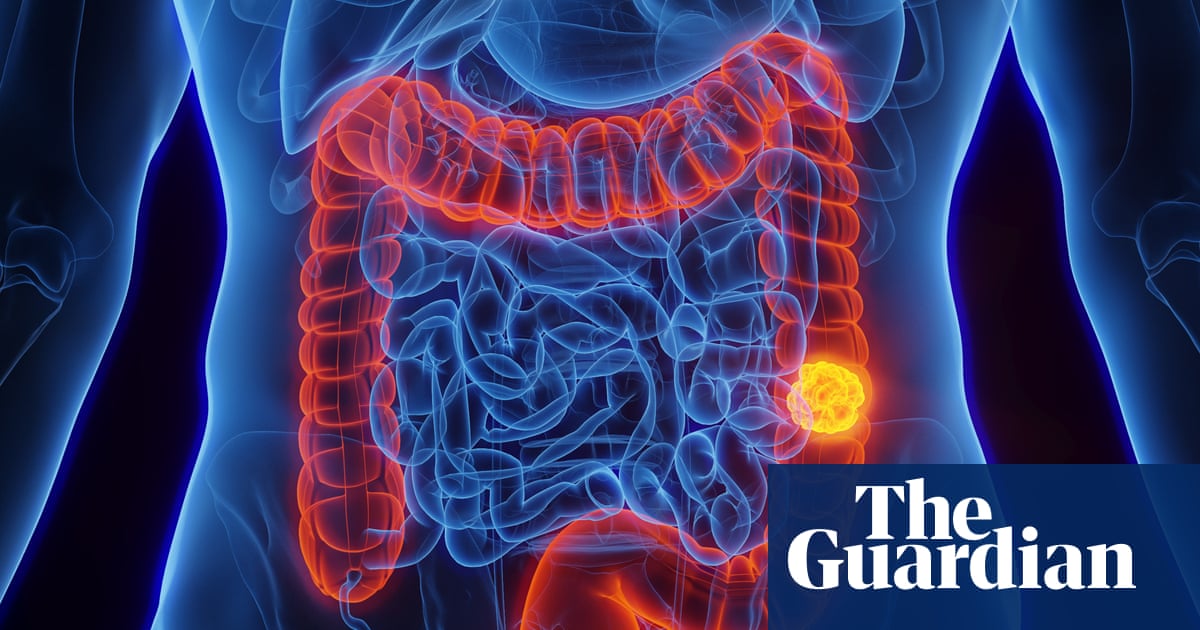
3 weeks agoThe Guardian view on cancer survival rates: there is good news about healthcare amid the gloom | Editorial
Cancer mortality in the UK has dropped 29% over 40 years, though recent progress has slowed with rising deaths from certain cancers and persistent treatment delays.

Cancer
fromwww.independent.co.uk
3 weeks agoI'm 34 and thought I just had stomach cramps but it was stage 4 cancer'
A 34-year-old woman diagnosed with stage four bowel cancer initially dismissed stomach cramps as menstrual pain, highlighting how early symptoms can be overlooked and the importance of recognizing unusual bodily changes.
fromwww.scientificamerican.com
1 month agoLung cancer hijacks the brain to trick the immune system
For years, scientists have viewed cancer as a localized glitch in which cells refuse to stop dividing. But a new study suggests that, in certain organs, tumors actively communicate with the brain to trick it into protecting them. Scientists have long known that nerves grow into some tumors and that tumors containing lots of nerves usually lead to a worse prognosis.
Science
Cancer
fromenglish.elpais.com
1 month agoThree sisters and a dilemma: what to do when you inherit a genetic mutation that can cause cancer
Three sisters discovered they carry the BRCA1 gene mutation, which significantly increases breast and ovarian cancer risk, after their cousin's rapid cancer diagnosis prompted family genetic testing.
Cancer
fromBusiness Insider
1 month agoA 20-year-old woman had waves of stomach pain for months. She was eventually diagnosed with stage 2 colon cancer.
Katie Davis was diagnosed with stage 2 colon cancer at age 20 after initial misdiagnosis of an ovarian cyst, discovered through colonoscopy when symptoms worsened.
Cancer
fromBusiness Insider
1 month agoI almost brushed off sharp stomach pain - it turned out to be stage 3 colon cancer
Mark Seguin was diagnosed with colon cancer at age 35 after experiencing recurring severe stomach pain caused by a tumor blocking his colon, though no obvious warning signs preceded the diagnosis.
fromJezebel
2 months agoYou've Never Been More Likely to Get Cancer, Survive Cancer, or Be Bankrupted by Cancer
We're living in a curious moment for the status of cancer diagnosis and treatment, within the United States. The overall rate of prevalence for diseases that fall under the wide, wide title of "cancers" is increasing. At the same time, steady improvement to the standard of care and treatment, and newer breakthroughs in therapeutics, have raised survival rates higher than they've ever been before. But for all too many patients, the question is whether they'll be able to afford those
Public health
fromNature
2 months agoWhy cancer can come back years later - and how to stop it
When Lisa Dutton was declared free of breast cancer in 2017, she took a moment to celebrate with family and friends, even though she knew her cancer journey might not be over. As many as one-third of people whose breast tumours are cleared see the disease come back, sometimes decades later. Many other cancers are known to recur in the years following an initial treatment, some at much higher rates.
Medicine
fromBuzzFeed
1 month agoI Was 21 When My Doctors Told Me I Had A Year To Live. What Happened Next Left Them Stunned.
The surgery was long and grueling - almost 12 hours - and my recovery was tough. I couldn't lift my baby for weeks. My husband served as a caregiver for both me and our son, while my mom and sisters rotated shifts to help. I hated feeling like a visitor in my own life, but slowly my strength began to return. It took me about a year to fully recover and start to feel like myself again.
Cancer
Medicine
fromwww.theguardian.com
2 months agoSimple blood test can predict which breast cancer treatment will work best, study finds
A blood test measuring circulating tumour DNA predicts breast cancer treatment response before or within four weeks, enabling alternative therapies and avoiding ineffective drugs.
fromenglish.elpais.com
2 months agoA vaccine to prevent colon cancer shows promising results
Eduardo Vilar-Sanchez has spent more than 10 years pursuing a goal that seemed very distant, but which he now sees as a little closer: to develop a preventive vaccine against cancer. The physician and researcher is leading a study that presented the first promising results of a colon cancer vaccine in a small group of patients suffering from a rare disease that makes them 17 times more likely to develop colon cancer than the general population.
Medicine
fromBrooklyn Eagle
2 months agoDr. Anirban Maitra brings extensive GI oncology leadership as new director of Perlmutter Cancer Center
CITYWIDE - NYU LANGONE HEALTH HAS APPOINTED DR. ANIRBAN MAITRA, a leader in gastrointestinal oncology, as the new director of its Laura and Isaac Perlmutter Cancer Center, an NCI-designated Comprehensive Cancer Center. Dr. Maitra is a preeminent physician-scientist whose work has widely influenced the field of pancreatic cancer research. As the inaugural scientific director of the Pancreatic Cancer Research Center at the University of Texas MD Anderson Cancer Center in Houston, Dr. Maitra focused his work on early detection and biomarker development, considered two key avenues for effective cancer treatments.
Medicine
fromBusiness Insider
2 months agoI developed stabbing stomach pain as a college football player. It turned out to be stage 4 colon cancer.
For more than six months, I was living with a strange kind of persistent, stabbing pain that would return again and again through the course of the day. It didn't seem to matter if I popped a Tums or changed what I ate. It's hard to put food down when it feels like you're being consistently pummeled from the inside. The pain got so bad that I was subsisting on a diet of little more than chocolate milk and mixed fruit from the dining hall.
Cancer
fromHarvard Gazette
2 months agoReal-world answers for patients running out of time - Harvard Gazette
But these studies typically require large numbers of patients, huge amounts of data, and thorough follow-ups, none of which comes easy or free. The upshot is fewer investigations into scenarios that are clinically important but unlikely to yield a profit for the firms funding them. Accordingly, researchers have been developing an option that uses real-world data from insurers to save patients from falling through the cracks.
Medicine
[ Load more ]