Fashion & style
fromElite Traveler
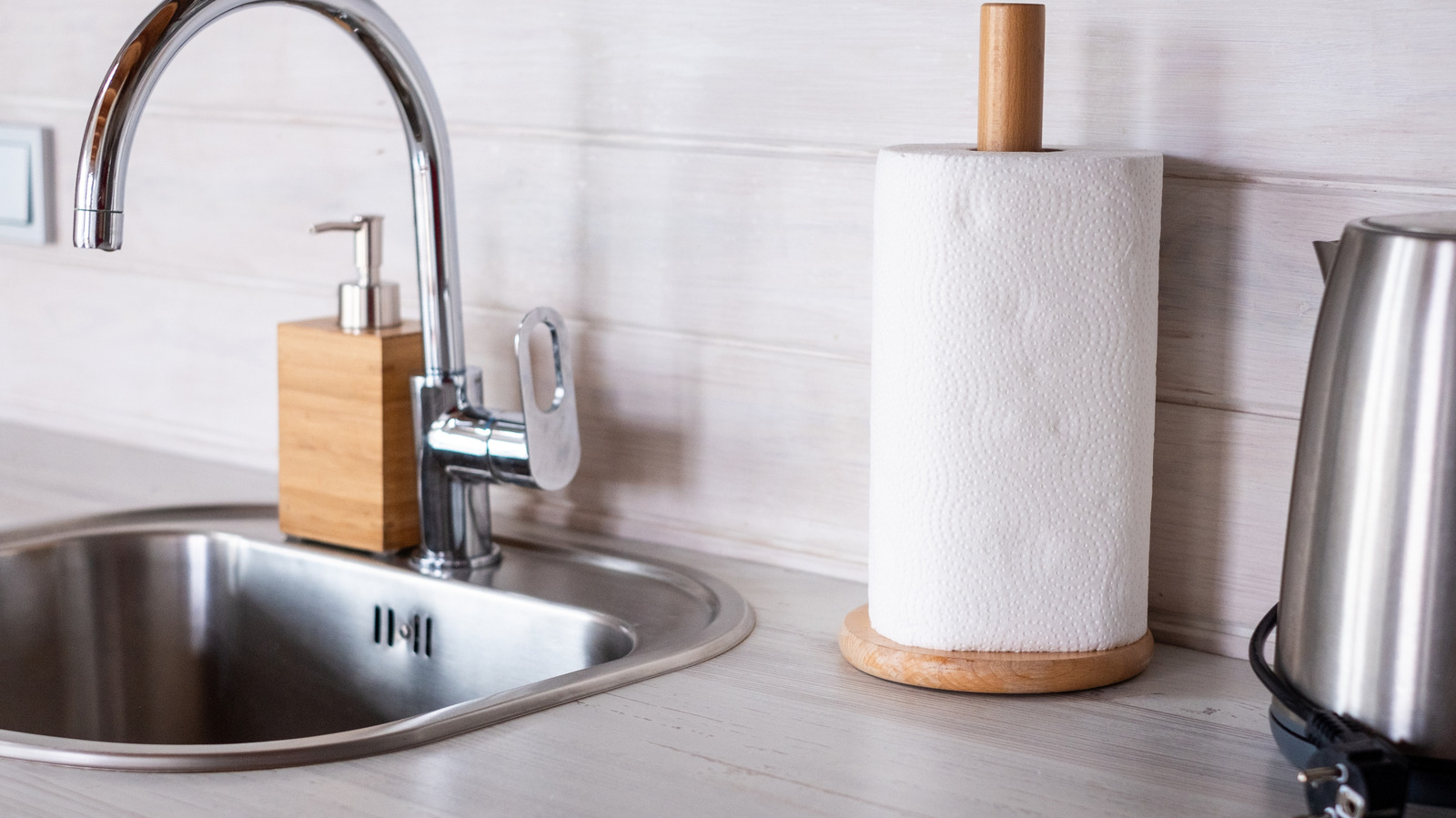
5 hours agoThe Underrated Status Clue? It's Sitting by Your Sink
Aesop's hand wash has become a symbol of aesthetic literacy, influencing home decor and luxury branding beyond traditional markers of wealth.
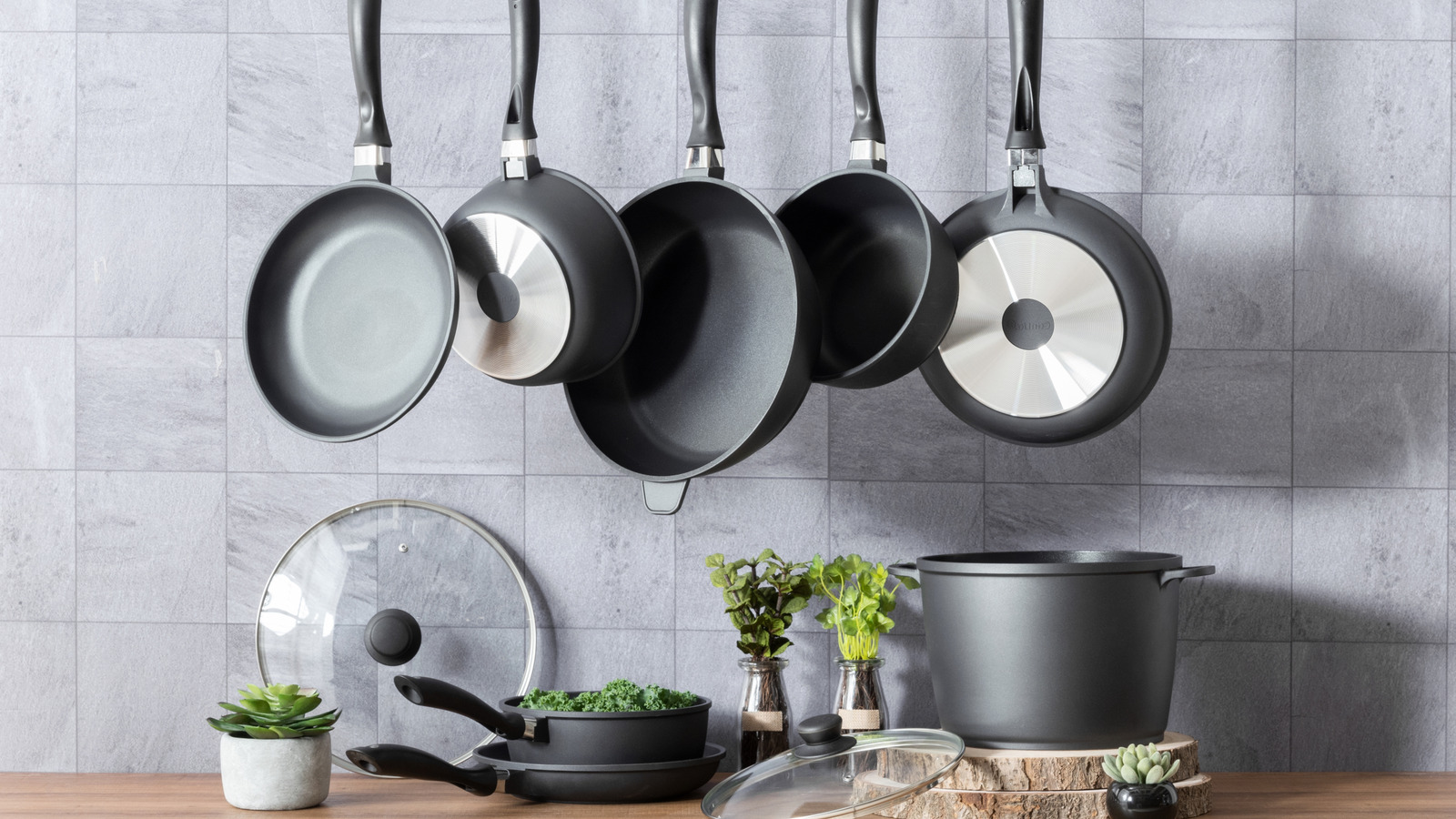
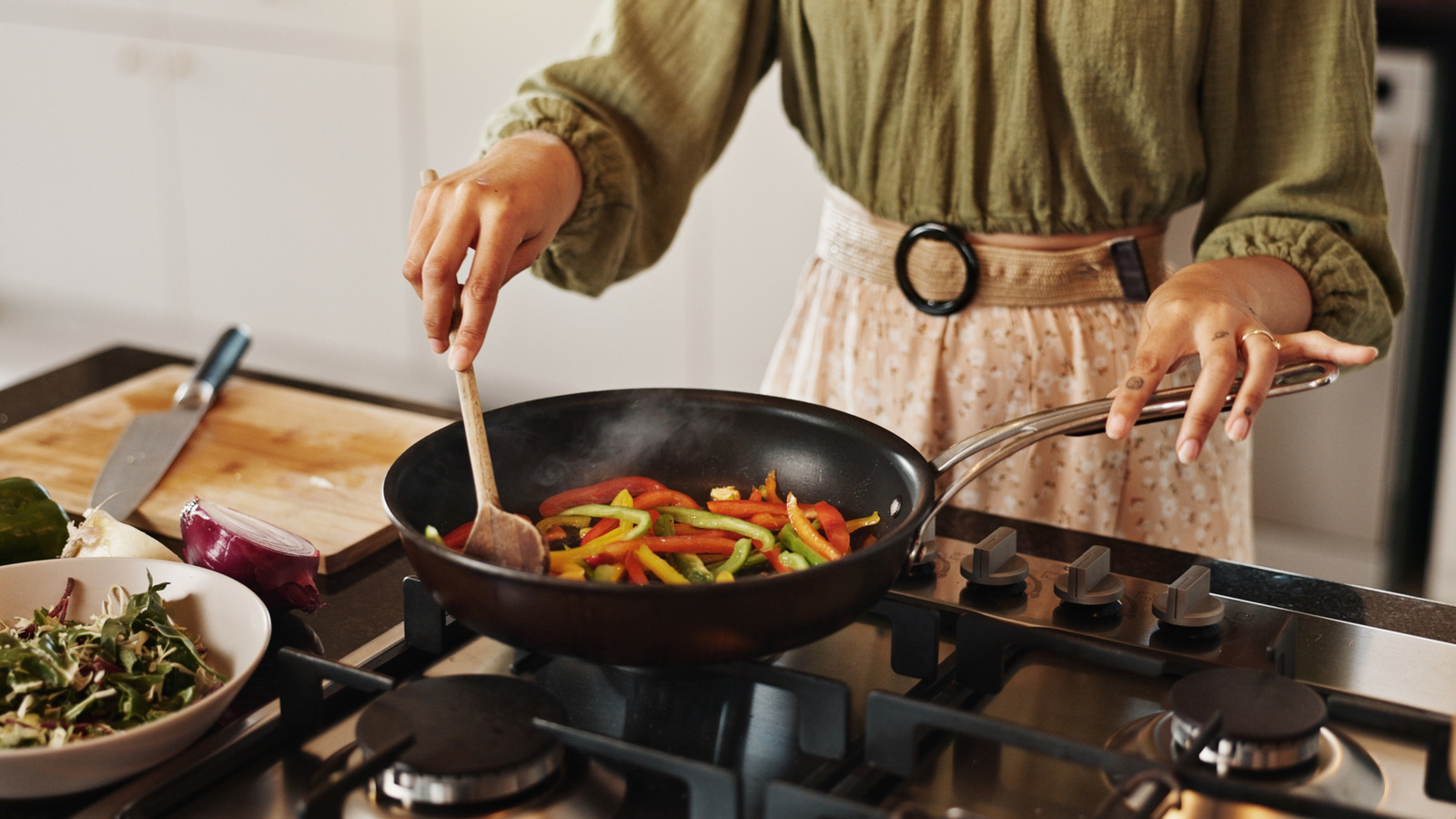
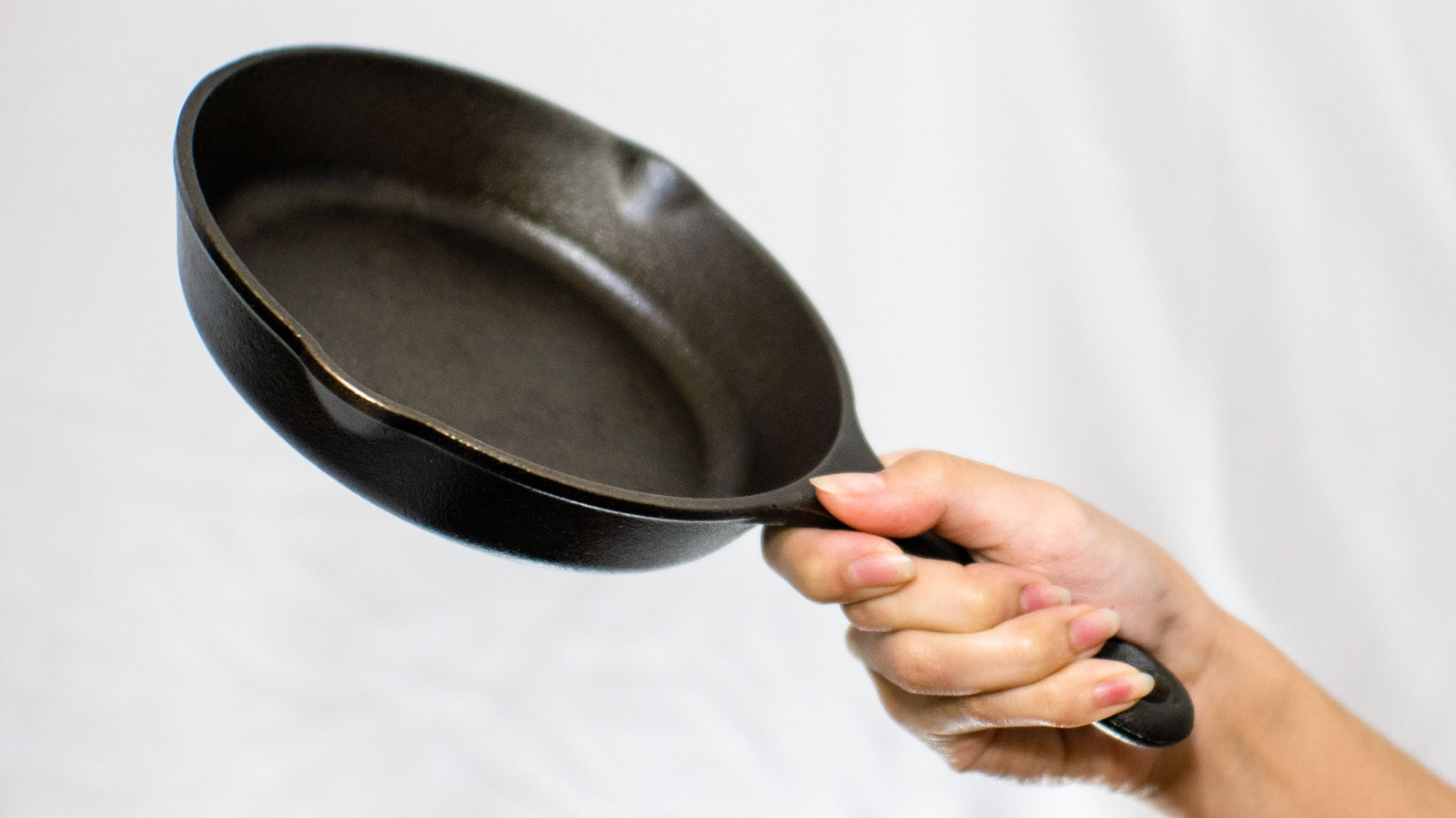
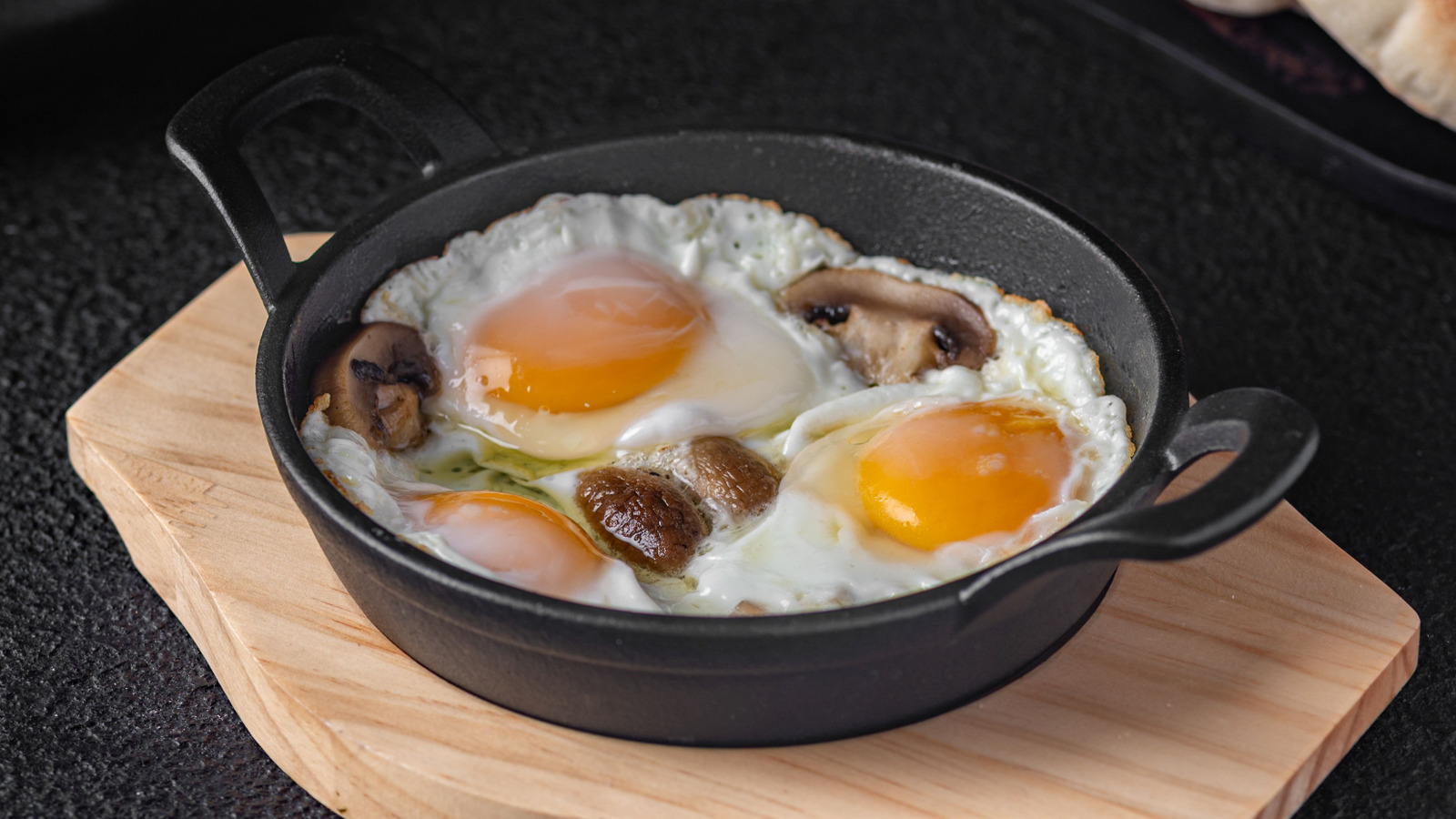
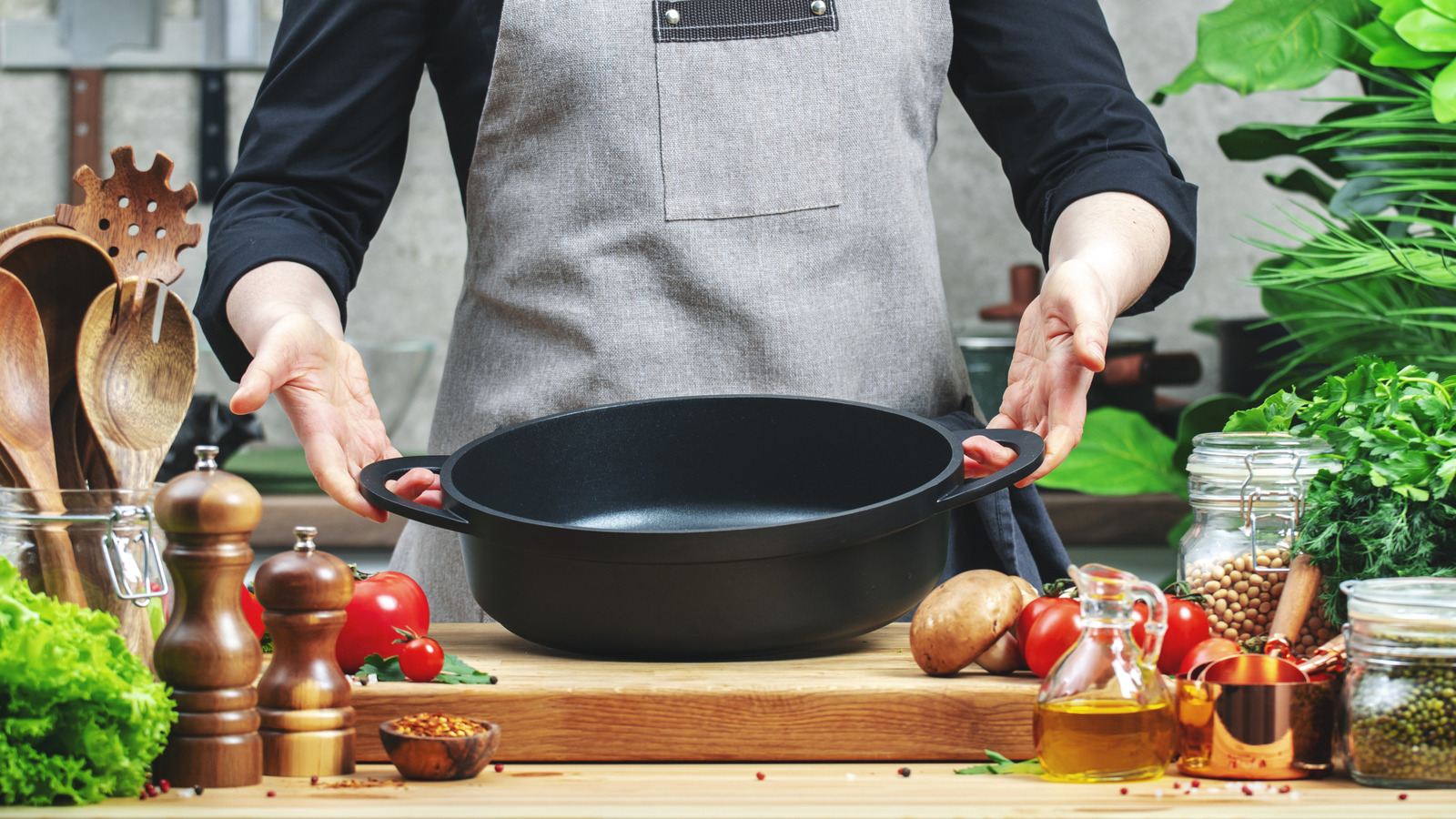
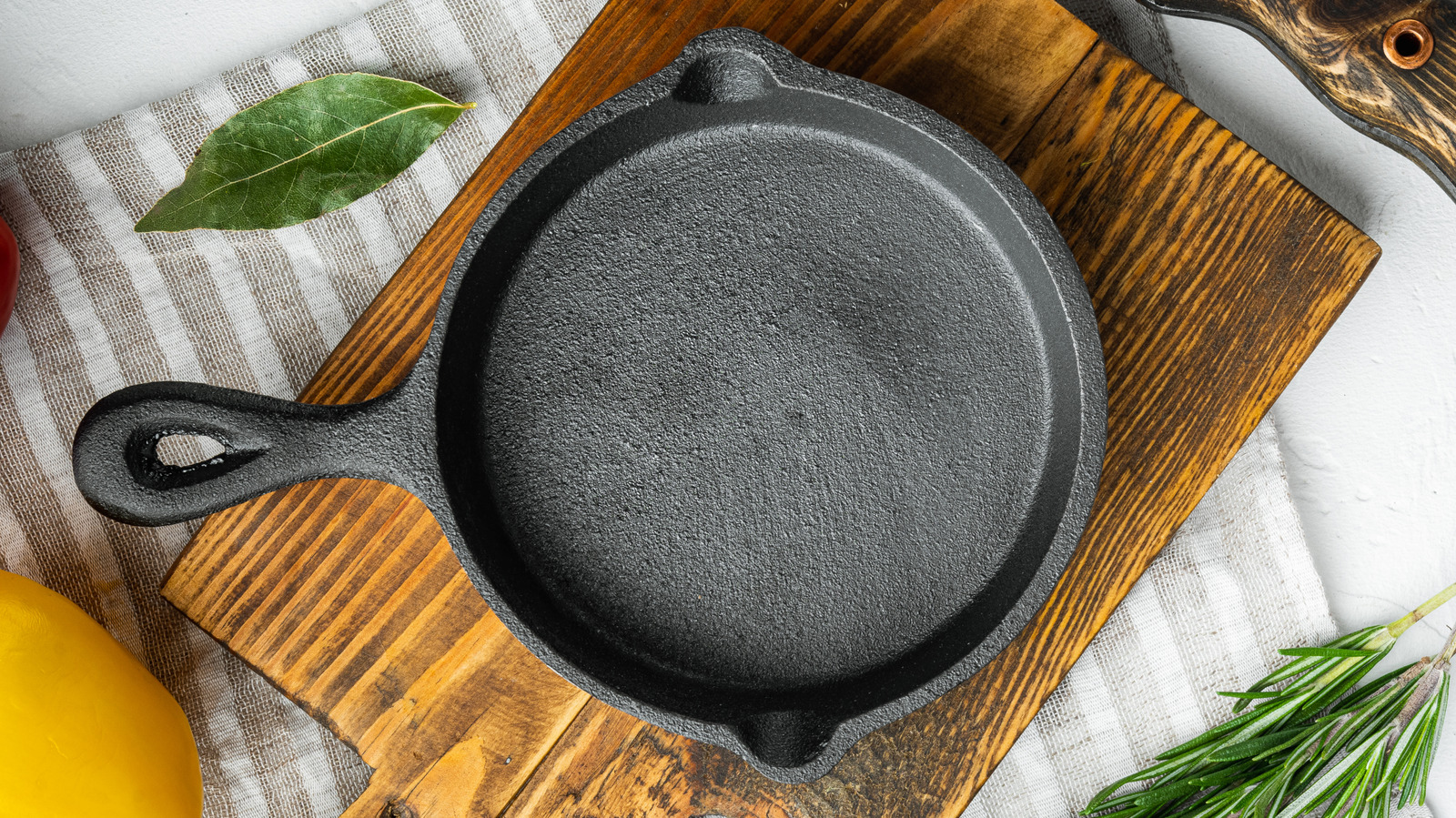
When churning out cover after cover at the saute station you can't exactly be picky about what's on the shelf above the stove. But that doesn't mean professional chefs don't have opinions about the pans they use every day during service.
The average oven broiler generally reaches 500 to 550 degrees Fahrenheit. As well as being an incredibly tough material and, despite its malleability, aluminum foil is well within its range to handle the high heat of a broiler. At 1,220 degrees Fahrenheit, it has a melting point over double the average temperature your broiler can reach.
If you throw away a plastic item today, it'll very likely still be around for decades to come. In fact, some research suggests that certain plastic items could take up to 500 years to decompose. To put that in context, that means that if, say, Henry VIII threw away a plastic coffee pod in Tudor England, it would only just be finished degrading now. He didn't, of course; plastic wasn't used regularly until the 20th century. But you get the point.
Most knife recommendations come with a quiet asterisk. A brand deal, a commission link, a product sent to a chef's PO box before the review goes live. What gets left out of that conversation is what the same chef keeps in the drawer at home - the blade they reach for on a Sunday morning when nobody is filming.
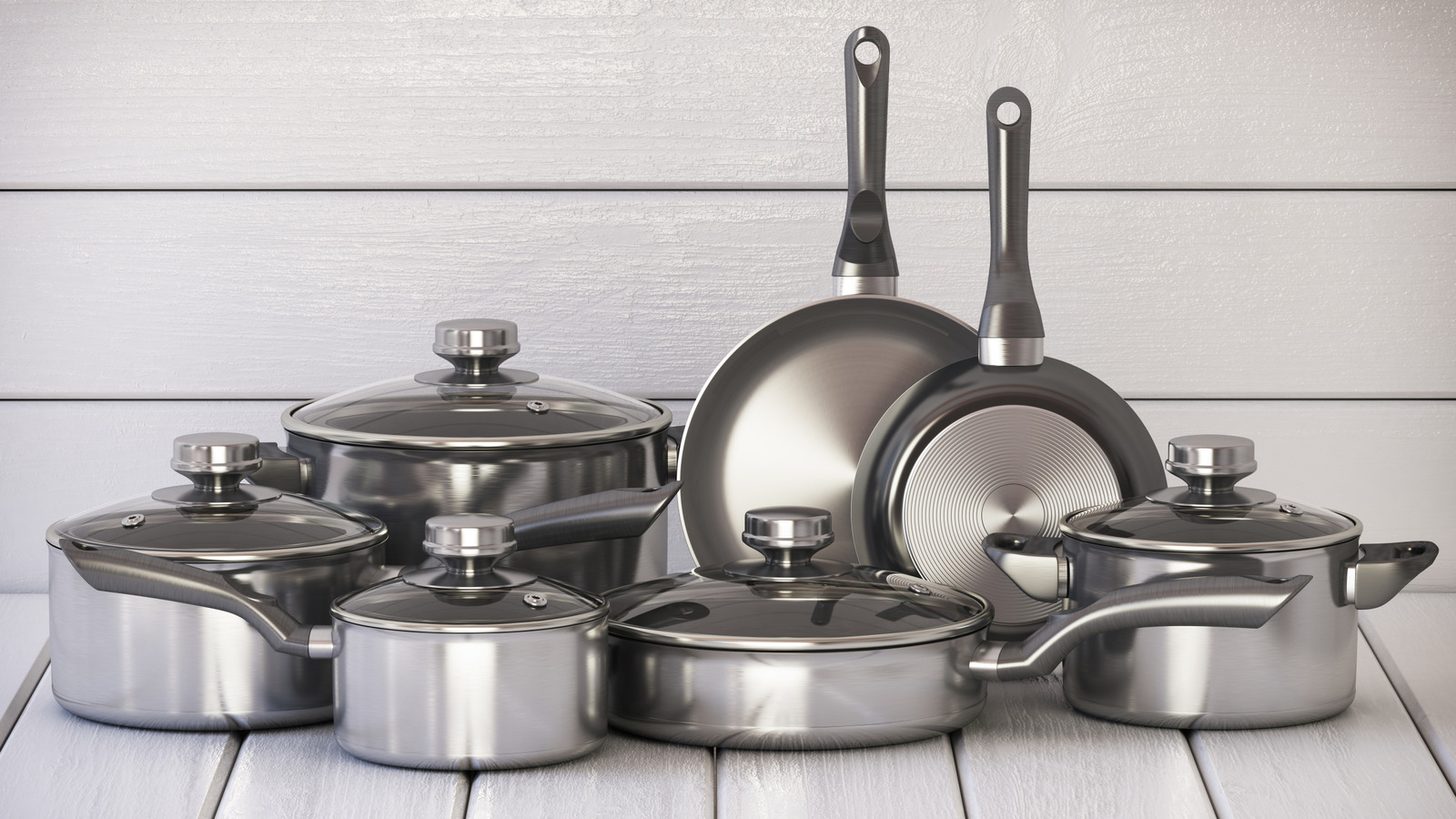
others are more likely to damage your pan and may even shorten its lifespan. It turns out that some of the main complaints you have about cooking with stainless steel might be because of user error, even if you're a seasoned cook. In fact, once you correct what you've been doing wrong with your stainless steel cookware, you might use them just as often or more than your non-stick pans, especially if you're worried about non-stick forever chemicals.
Cheesy comparisons aside, the reason chefs are responsible for their own knives boils down to subjective preferences and comfort. "I want the knife to be an extension of my arm and my hand," says Fredrik Berselius, executive chef at Aska. Since there are far too many variables that go into a knife's design-handle shape, blade shape, weight, balance, material, and so on- determining which knife is the best knife is fundamentally impossible.
If you've ever mixed something vigorously in a large bowl during a cooking project, you have probably experienced the universal frustration of a tilting, wobbly bowl. Maybe you're whipping cream by hand, whisking a vinaigrette, or even just beating eggs for a casual, but perfect, omelette, and notice the bowl starts migrating across the counter. There are some low-tech workarounds, like a damp towel or a silicone mat slipped underneath the bowl. Neither works terribly well, especially with super-slippery granite countertops.
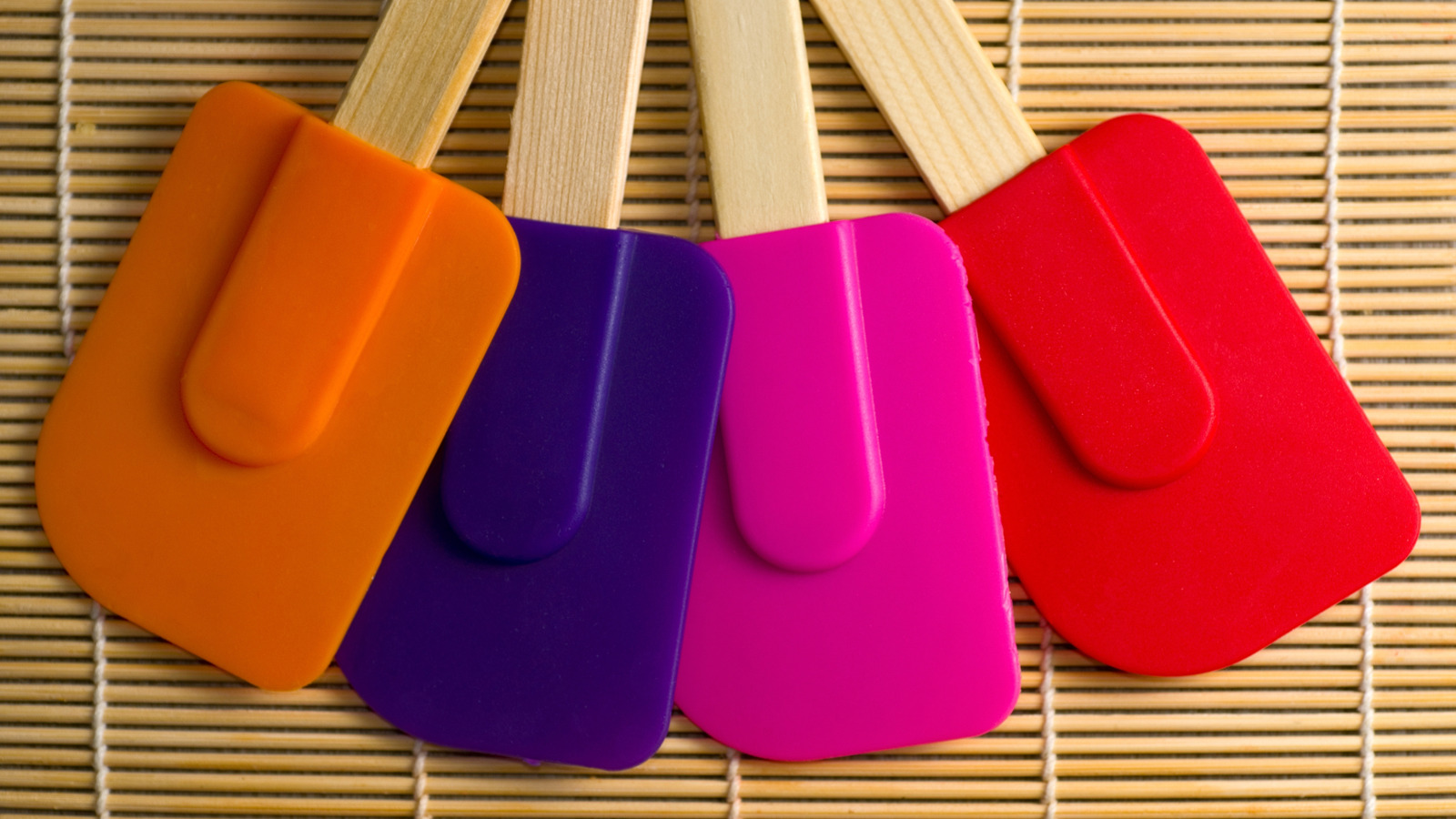
Instead of using parchment paper (which comes with its own set of potential mistakes to make), which you can use a maximum of a few times before you have to throw it out, you can keep using the same silicone baking mat over and over again. They're also great when you want to keep a really even, consistent temperature while baking your pastries, since they're known for distributing heat well.
Whether you've lost the lid to your favorite pan or you're trying to use less plastic wrap in your kitchen, silicone lids can play an important role in your kitchen routine. Some of these lids are large enough to cover a pan on the stove, preventing excess moisture from escaping. Others are smaller and are ideal for covering cups, bowls, and food storage containers that don't have tops.