#star-trek-continuity
#star-trek-continuity
[ follow ]
#starfleet-academy #star-trek #deep-space-nine #the-burn #star-trek-starfleet-academy #william-shatner



Intellectual property law
fromIPWatchdog.com | Patents & Intellectual Property Law
9 years agoReal-Life Star Trek Battle of Axanar Is Heating Up
CBS and Paramount Pictures sued Axanar Productions and Alec Peters for copyright infringement over a crowdfunded Star Trek fan film, alleging over 50 instances of infringement across multiple works including a short film, script, and feature production.
fromInverse
4 weeks agoJonathan Frakes Reveals The "Secret Weapon" Of His New Star Trek Episode
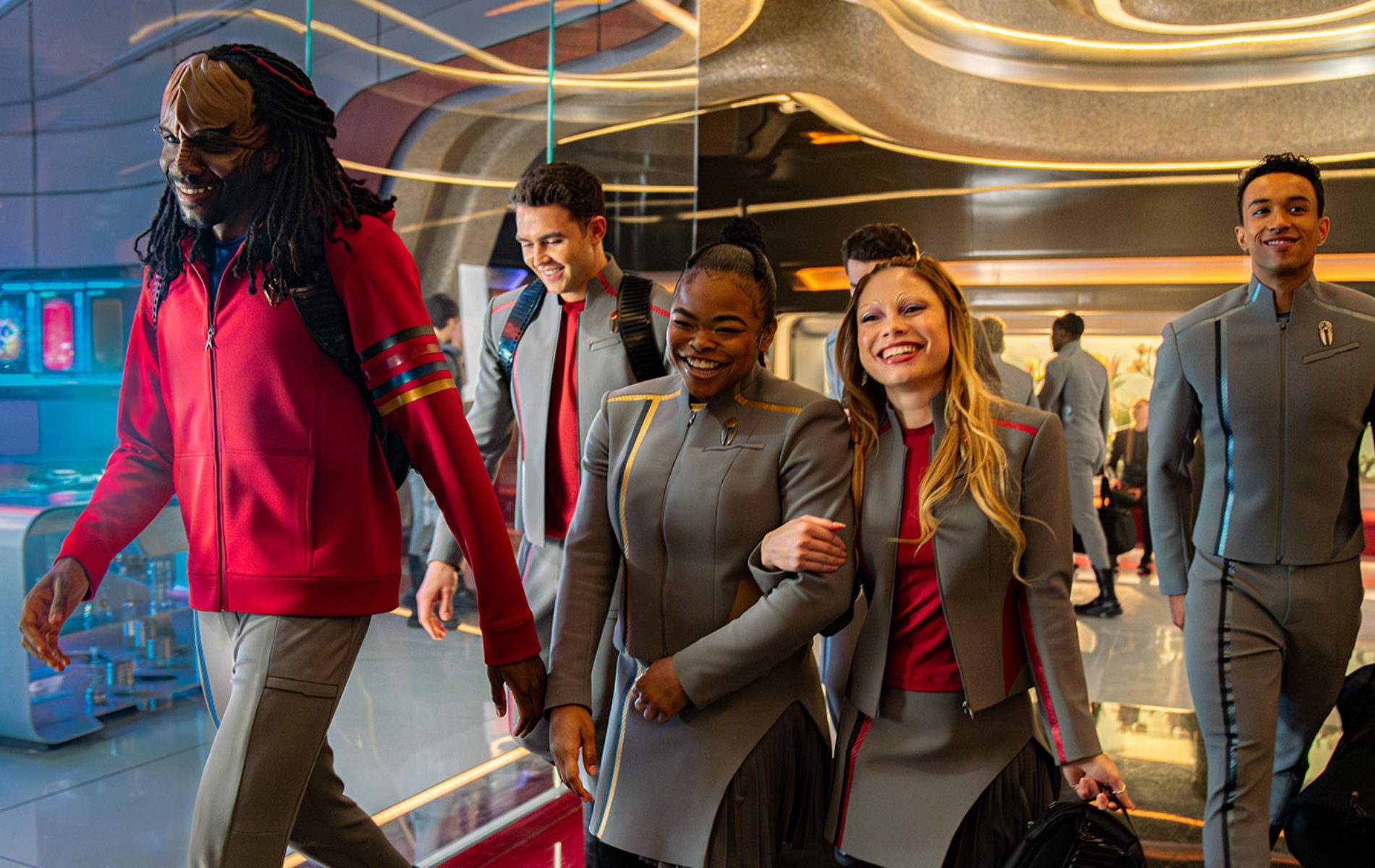
I do feel that [Alex] Kurtzman and Noga [Landau] have both maintained the vision, if you will, of Roddenberry, and enhanced it. And I was blessed with this group, the Starfleet Academy cast, because they had done months and months and thousands of hours together by the time I directed them. They had found each other's rhythm.
Film
fromwww.theguardian.com
1 month agoGeorge Takei: I've spent two minutes longer in zero gravity than Shatner'
I believe in discipline. I do want to—as we say—live long and prosper. There were so many Sunday mornings I woke up groaning: I'll never do that again, after debauched nights at college spent on the beer bus. I've learned that, if you take care of yourself, mother nature will be good to you.
Health
Television
fromInverse
2 weeks agoAlex Kurtzman Explains Why Star Trek Just Put Itself On Trial Again, 39 Years Later
Star Trek's most compelling narratives emerge when examining whether Starfleet's ideals withstand scrutiny, with the Starfleet Academy finale putting the entire organization on trial for warfare crimes and negligence.
fromPsychology Today
1 month agoStar Trek and the Psyche
Plato's Politeia (the work we call The Republic thanks to Cicero's Latin mistranslation) describes the soul as having three parts: reason ( logistikon), spirit ( thumos), and appetite ( epithumia). But throughout the dialogue, Plato also describes a fourth element... repeatedly, and by name. He calls it the auto politeia (self-constitution): the governing principle that determines how the three parts relate. Plato has it in the text. His readers have looked right at it and counted three for 2,400 years.
Philosophy
Television
fromPinkNews | Latest lesbian, gay, bi and trans news | LGBTQ+ news
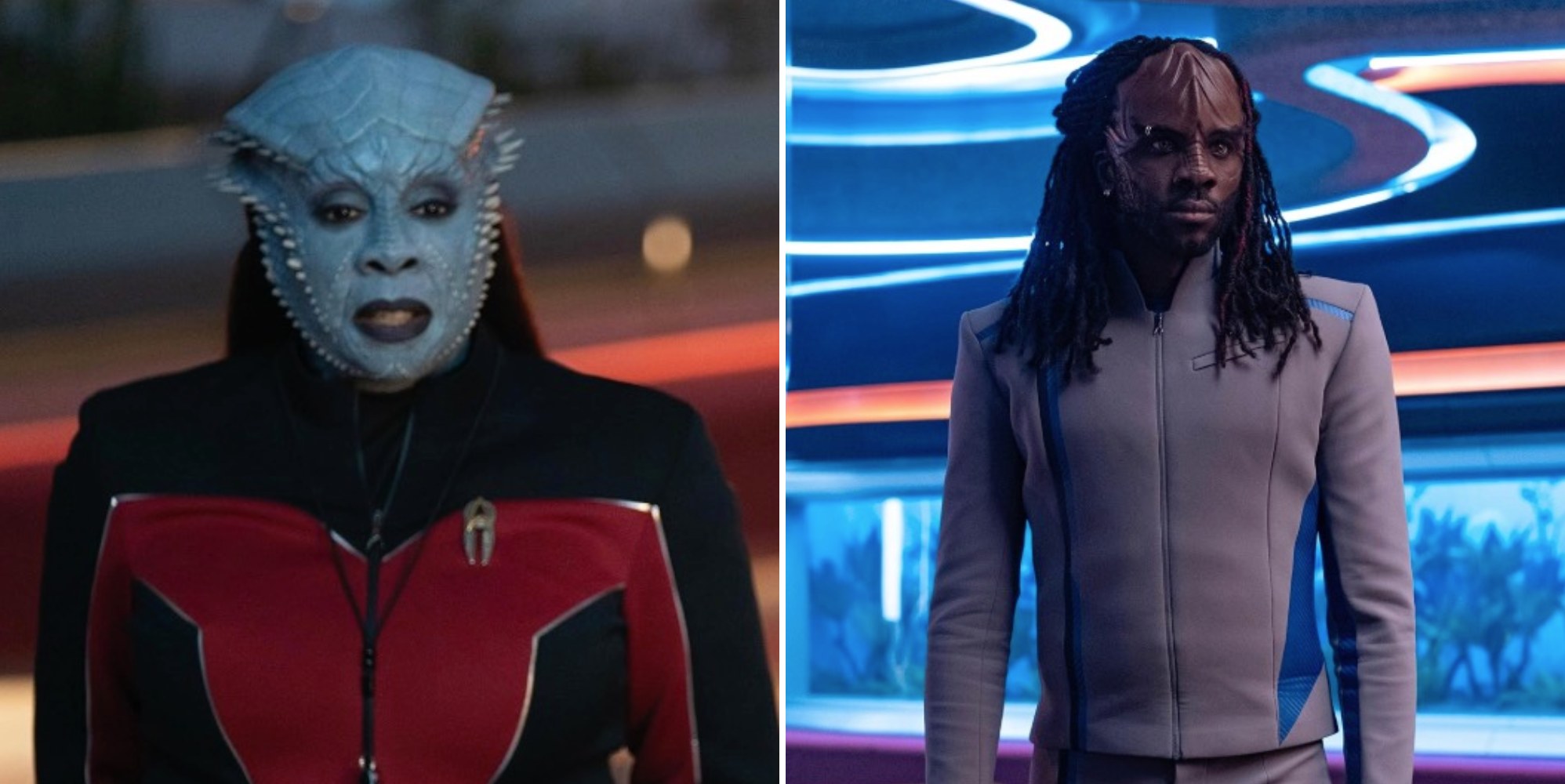
3 weeks agoStar Trek's first gay Klingon opens up about the toxic online hate he's faced
Actor Karim Dianéé plays Star Trek's first gay Klingon character and addresses hate rooted in racism, homophobia, and sexism rather than legitimate creative criticism.
Television
fromInverse
3 weeks agoStar Wars Is About To Bring Back A Forgotten And Confounding 'Andor' Character
Anto Kreegyr, a minor Andor character sacrificed by Luthen Rael, receives expanded focus in the upcoming Star Wars novel Edge of the Abyss, potentially revealing his background and rebellion approach.
Video games
fromInverse
1 month ago9 Years Later, A Cult Classic Sci-Fi Franchise Could Finally Get Another Great Game
Battlestar Galactica: Scattered Hopes marks the franchise's return to gaming after nine years, positioning itself as a thoughtful continuation of the celebrated science fiction universe.
fromianVisits
1 month agoStar Trek beams into the Science Museum with films, props and late-night events
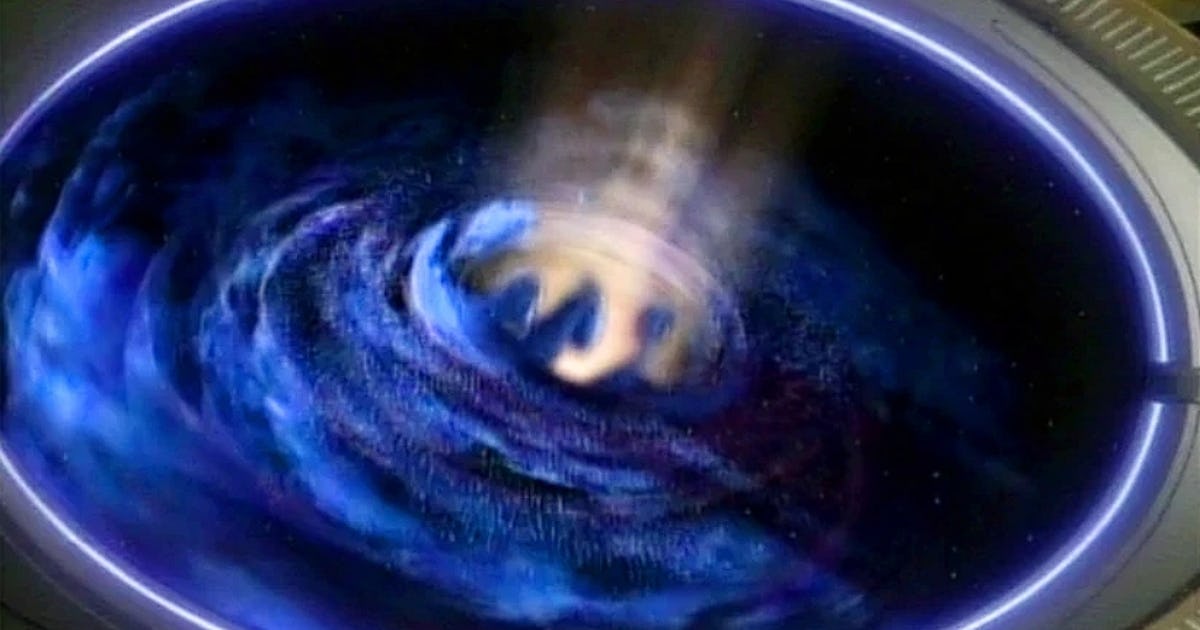
The Science Museum is boldly going where no science museum has (probably) gone before, opening a season of Star Trek events that beam sci-fi imagination straight into the realm of real science. To mark Star Trek's 60th anniversary, the Science Museum will launch several months of events with a late-evening opening of the museum for adults next month. The museum late takes place on Thursday 26th March, and will feature a range of Star Trek themed events throughout the evening.
Science
Television
fromInverse
4 weeks ago10 Years Later, One Star Trek Era Might Come To An Abrupt End
Paramount's Star Trek franchise enters an unprecedented production hiatus with no new series immediately in development following Starfleet Academy Season 2's completion, marking the first gap since Discovery began production in 2016.
Artificial intelligence
fromArs Technica
2 months agoPentagon's "Arsenal of Freedom" tour borrows name from Star Trek episode-about killer AI
Elon Musk and Defense Secretary Pete Hegseth promoted making Star Trek-like technologies real and prioritized rapid expansion of artificial intelligence across the U.S. military.
Television
fromInverse
1 month ago9 Years Later, One Newish Star Trek Character Is Suddenly Part Of The Old Guard
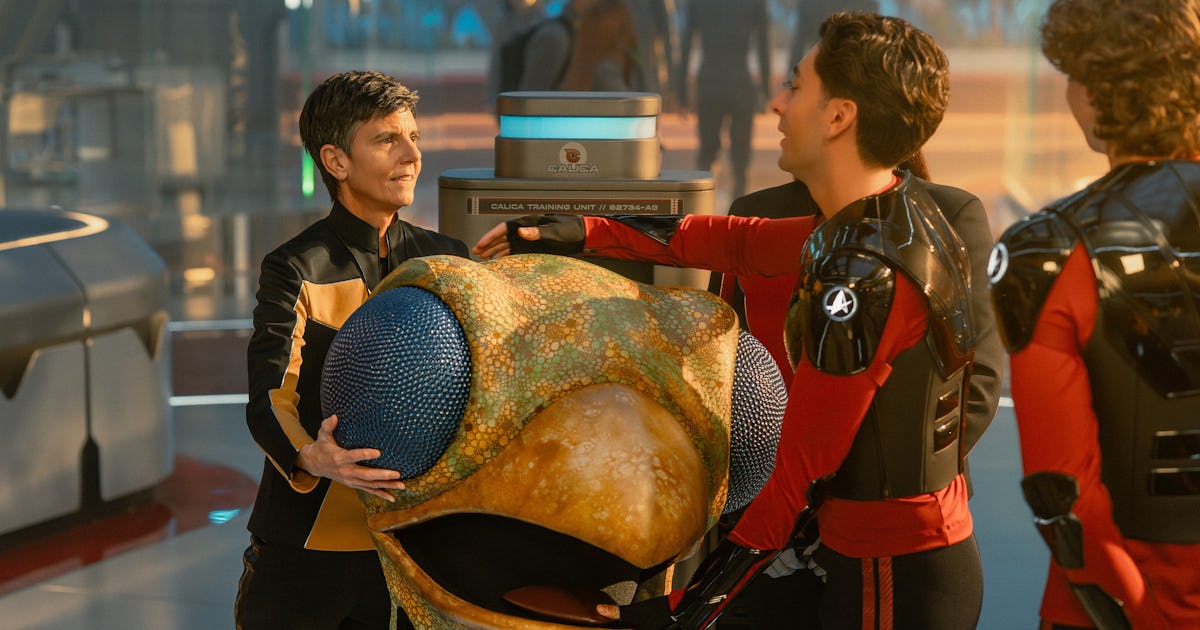
Cadet Sylvia Tilly transitions from Discovery protagonist to legacy character and visiting instructor at Starfleet Academy, bridging the 23rd and 32nd centuries as a time-displaced educator.

fromInverse
1 month ago27 Years Later, One Star Trek Underdog Finally Got Some Closure
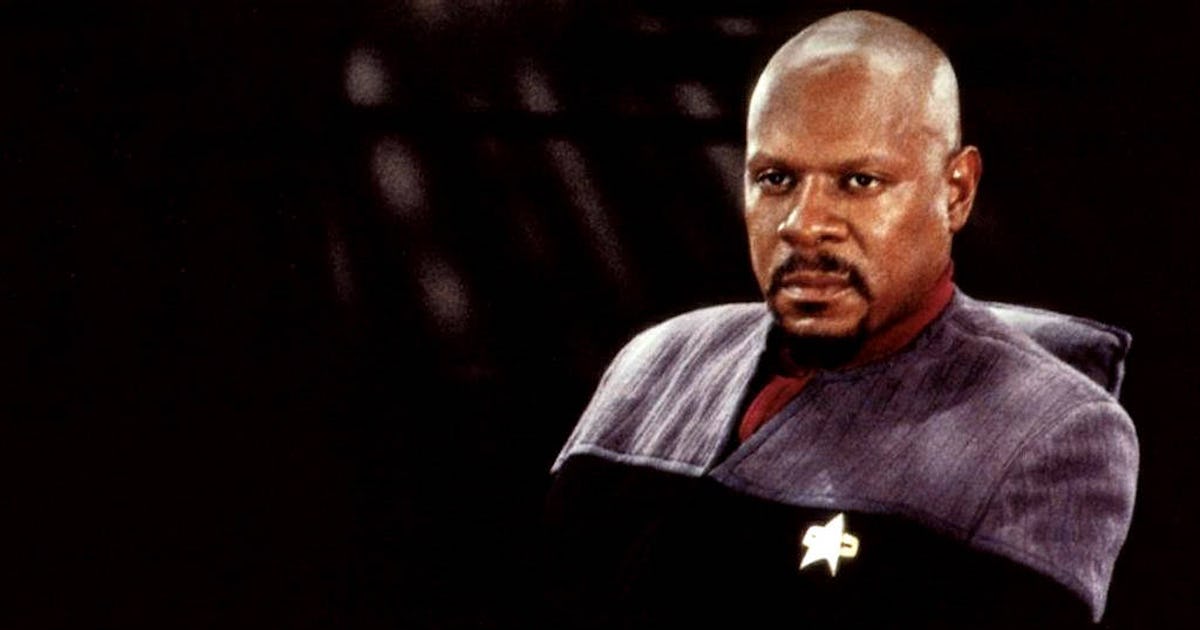
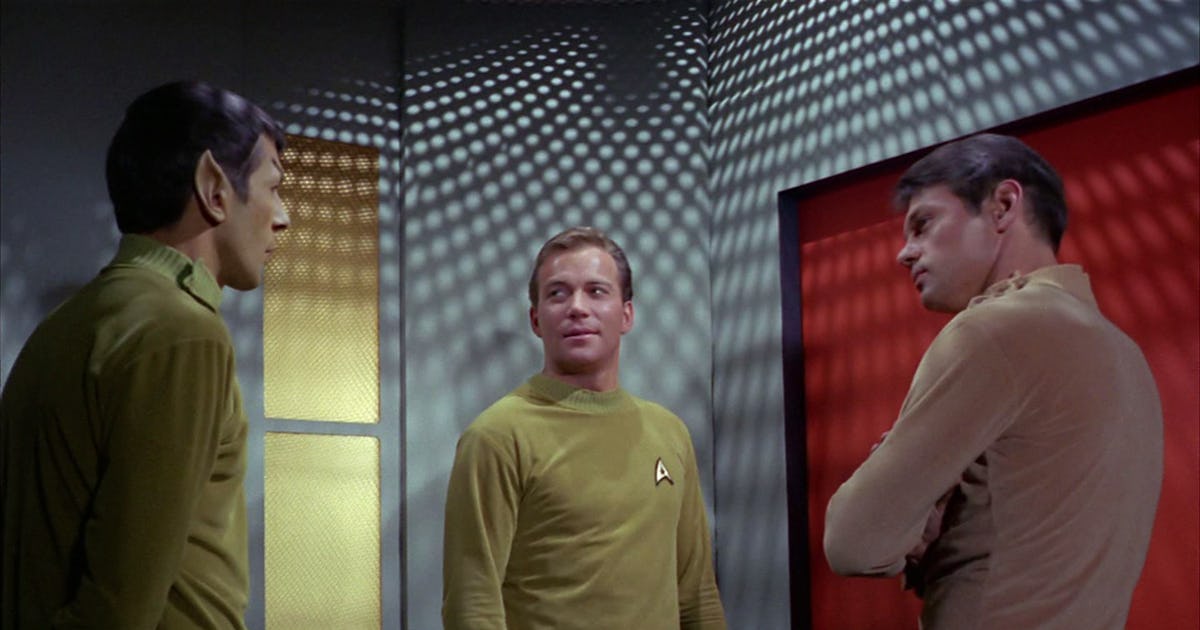
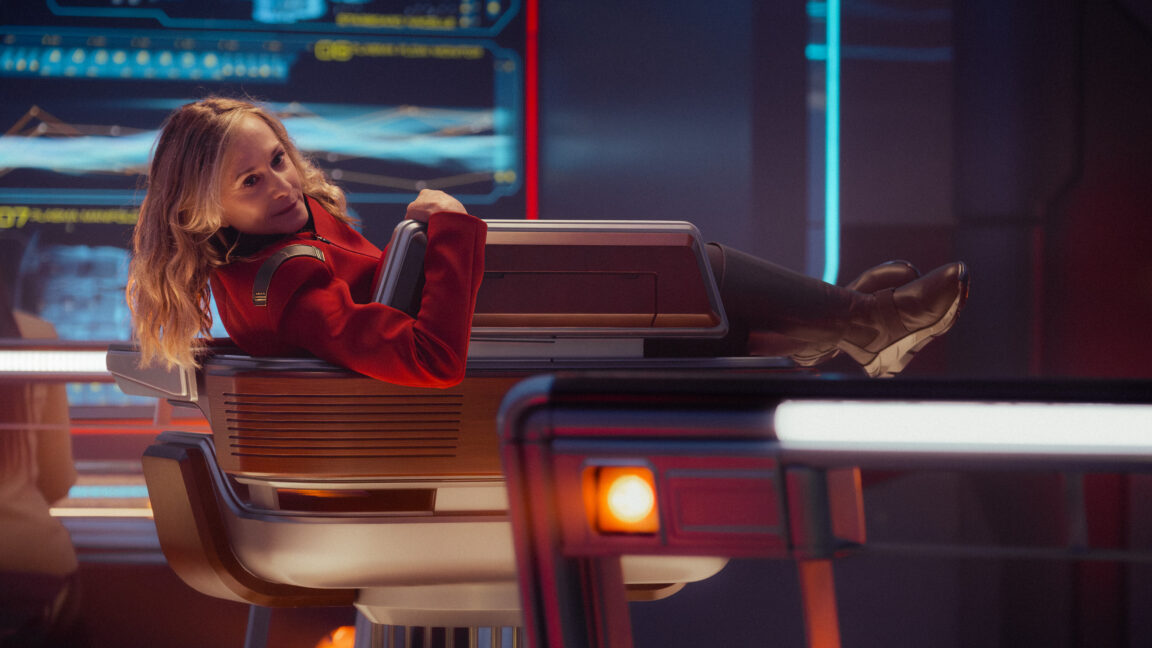
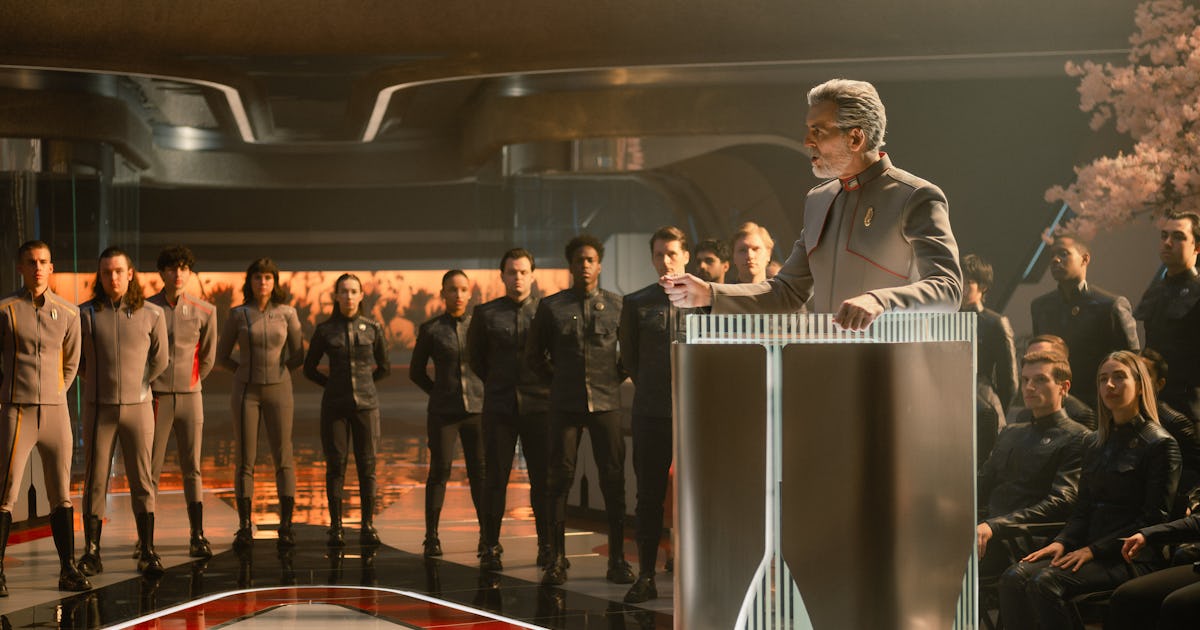
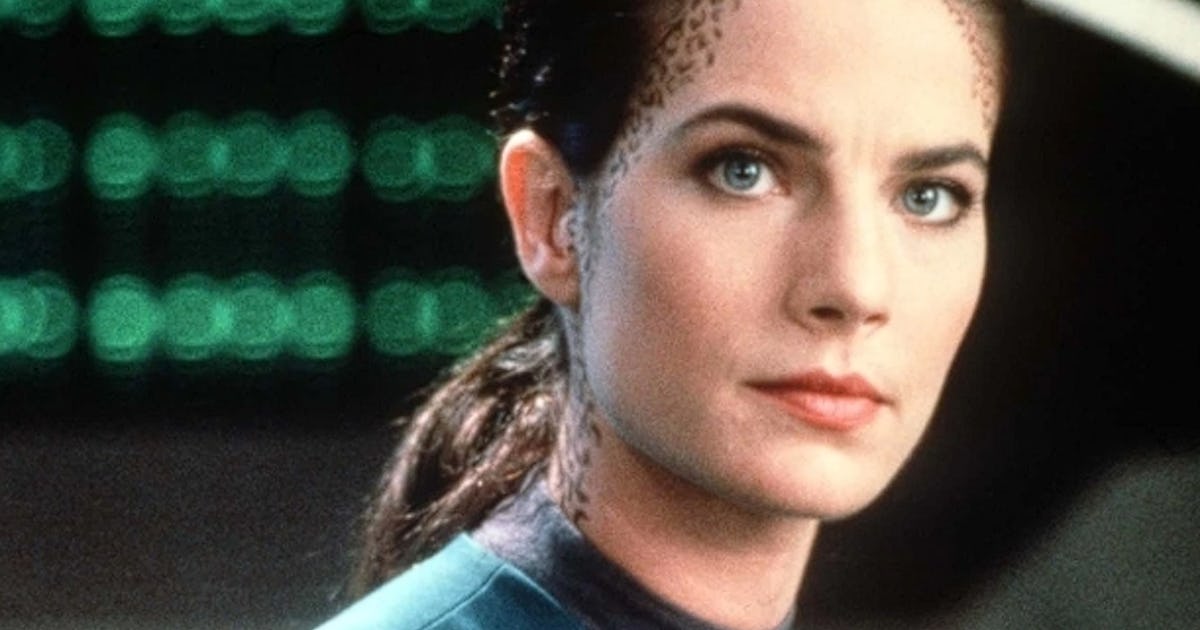
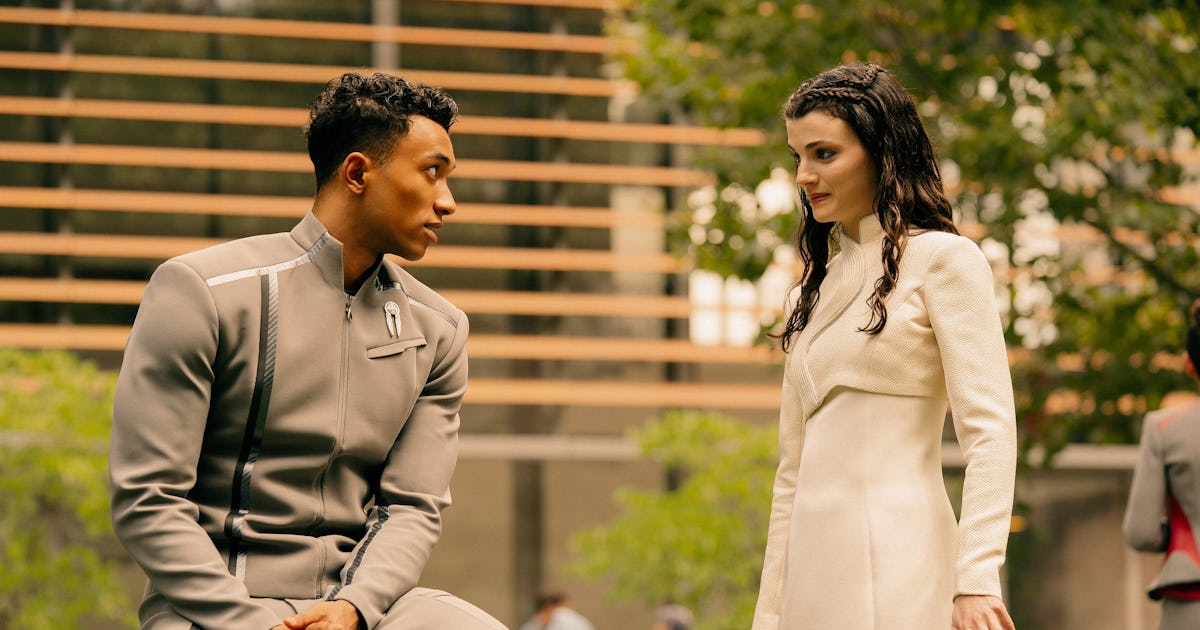
I wouldn't have been involved if I didn't have the blessing of Avery Brooks," Lofton tells Inverse. " I also look at this episode as a bridging of two different generations of Star Trek; we are part of the legacy Star Trek now, one of the first five shows, and now this is the future of Star Trek.
Television
fromInverse
1 month ago35 Years Ago, Star Trek Rebooted A Lost Episode From A Canceled Series With Wild Results
In 1977, Star Trek was gearing up for a comeback. After being canceled in 1969 and enjoying a brief return as an animated series in 1973, the beloved sci-fi series was finally coming back to live action. History will tell you this resulted in the 1979 film Star Trek: The Motion Picture, but before that, there were very serious plans for a sequel TV series, generally referred to as Star Trek: Phase II.
Television
fromInverse
2 months ago47 Years Later, The Most Hardcore Sci-Fi Show You've Never Heard Of Is Getting Rebooted
When someone mentions 1970s science fiction about a band of rebels fighting an evil, totalitarian space regime, your mind almost certainly goes to the original 1977 Star Wars.Failing that, you might think about the 1978 Battlestar Galactica, or even the TV and film versions of Logan's Run. But the oddest and most under-the-radar 1970s sci-fi rebellion show was Created by Terry Nation (the man who gave us the Daleks), Blake's 7 was ahead of its time when it debuted in 1978.
Television
[ Load more ]