#state-id-restrictions
#state-id-restrictions
[ follow ]
#data-breach
Privacy professionals
fromSilicon Canals
2 days agoA fintech app asked users for their passports - then left 360,000 files unprotected for five years - Silicon Canals
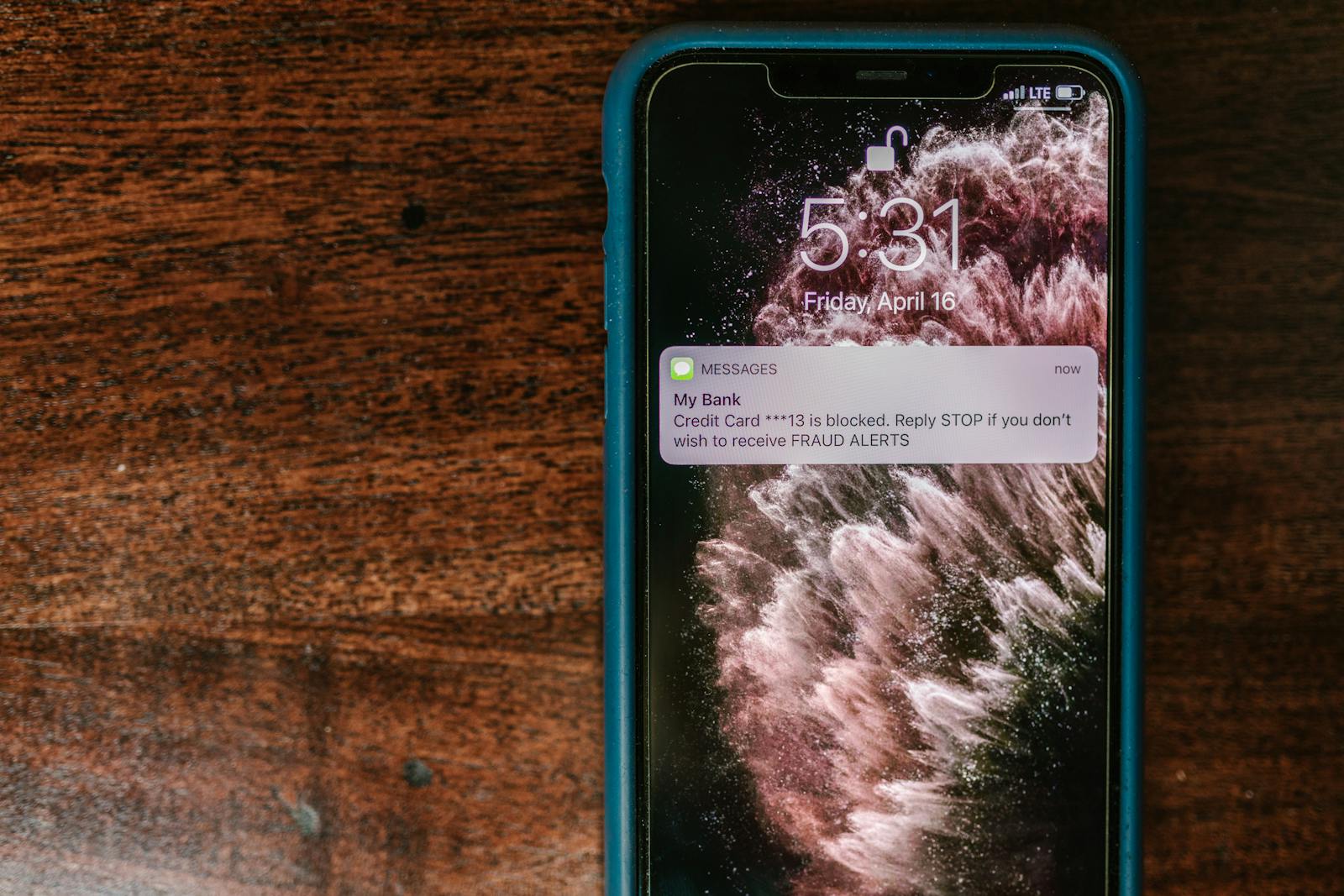
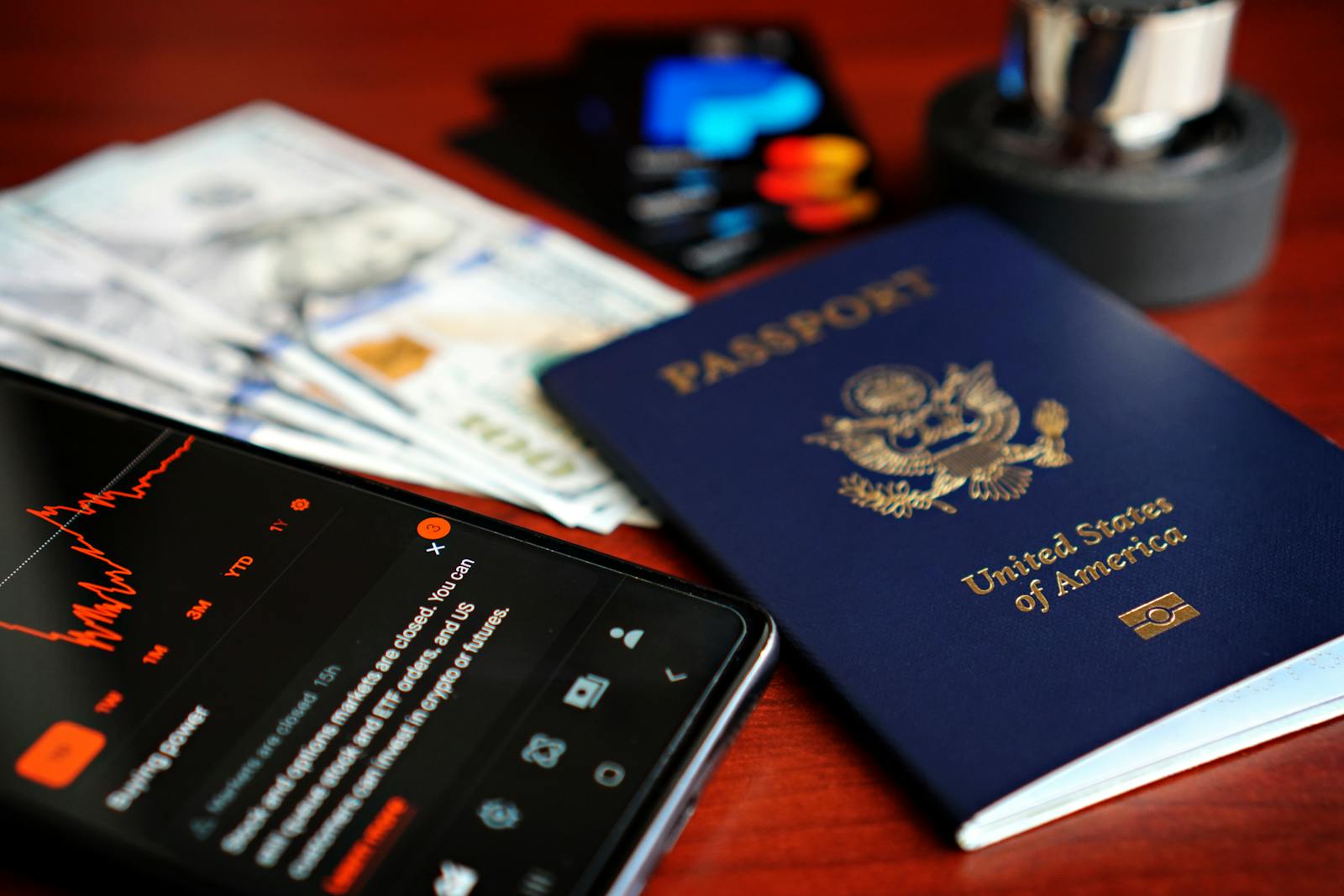
A money transfer app exposed over 360,000 sensitive files on a public server for nearly five years, including unencrypted personal documents.
fromWIRED
2 days agoCBP Facility Codes Sure Seem to Have Leaked Via Online Flashcards
The public Quizlet set contained information about alleged codes for specific facility entrances. 'Checkpoint doors code?' asked one card, with a specific four-digit combination listed in response.
Privacy professionals



Healthcare
fromNextgov.com
3 weeks agoCMS touts early uses of new biometric verification tools for Medicare.gov
CMS launched modern identity verification options (Login.gov, ID.me, CLEAR) on Medicare.gov, with 25% of users adopting them within five to six days and 60% of new accounts using these credentials.
#digital-id
UK politics
fromPinkNews | Latest lesbian, gay, bi and trans news | LGBTQ+ news
3 weeks agoDigital IDs won't require sex and gender data, government confirms
The UK government's relaunched voluntary digital ID scheme will not collect sex or gender information, addressing concerns that it could out trans people.
UK politics
fromwww.theguardian.com
3 weeks agoUK digital ID scheme to have limited use before next general election, minister says
Britain's £1.8bn digital ID scheme will initially offer limited functionality including vehicle tax payments and right-to-work checks by the next election, with broader services like benefits and pensions planned for the following parliament.


UK politics
fromPinkNews | Latest lesbian, gay, bi and trans news | LGBTQ+ news
3 weeks agoDigital IDs won't require sex and gender data, government confirms
The UK government's relaunched voluntary digital ID scheme will not collect sex or gender information, addressing concerns that it could out trans people.
UK politics
fromwww.theguardian.com
3 weeks agoUK digital ID scheme to have limited use before next general election, minister says
Britain's £1.8bn digital ID scheme will initially offer limited functionality including vehicle tax payments and right-to-work checks by the next election, with broader services like benefits and pensions planned for the following parliament.
#facial-recognition-technology
EU data protection
fromPrivacy International
3 weeks agoPrivacy International's response to the UK Home Office consultation on facial recognition technology
Privacy International advocates for strict safeguards on law enforcement biometric and facial recognition technology use, including prohibitions on live facial recognition, operator-initiated systems, and protest surveillance.
Privacy technologies
fromArs Technica
2 weeks agoAfter Discord fiasco, age-check tech promises privacy by running locally. Does it work?
Age-verification systems using on-device face scans and cross-platform age keys reduce privacy risks, but widespread distrust of vendors and past data breaches undermine user confidence in these technologies.
#voter-id-requirements
US politics
fromwww.mediaite.com
2 weeks agoRepublican Senator Claims ID Is Required To Have a Child'
Sen. McCormick falsely claimed ID is required to have a child in the U.S. while supporting the SAVE Act, which would require citizenship proof to vote, a requirement opponents say could disenfranchise millions of Americans lacking such documents.
US politics
fromwww.theguardian.com
2 weeks agoSenate expected to take up voter ID bill opposed by Democrats US politics live
The Save America Act requires proof of US citizenship for voter registration and approved identification at polls, facing Senate opposition due to filibuster rules and Democratic unanimity against it.
NYC parents
fromwww.npr.org
1 month agoColorado is making it a little easier to prove you (officially) exist
A woman born in the United States without a birth certificate due to her parents' religious beliefs against government identification faced decades of barriers to healthcare, employment, and legal recognition until Colorado changed its delayed birth certificate rules.
Privacy professionals
fromMedCity News
2 weeks agoThe Evolving Landscape of Privacy and Cybersecurity: Essential Strategies for Legal and Compliance Professionals - MedCity News
Organizations must combine strong controls with comprehensive employee training and accountability culture to effectively protect sensitive data and comply with evolving privacy laws.
#age-verification-legislation
Privacy professionals
fromTheregister
2 weeks agoAge verification isn't sage verification inside OSes
California's Digital Age Assurance Act attempts age verification for minors but is vague, incoherent, and creates liability risks without clearly defining compliance requirements or addressing practical implementation across diverse computing devices.

Privacy professionals
fromTheregister
2 weeks agoAge verification isn't sage verification inside OSes
California's Digital Age Assurance Act attempts age verification for minors but is vague, incoherent, and creates liability risks without clearly defining compliance requirements or addressing practical implementation across diverse computing devices.
US politics
fromLGBTQ Nation
3 weeks agoRepublican governor signs bill urging citizens to rat on "suspect" voters - LGBTQ Nation
South Dakota's new law allows voters to challenge other residents' voting rights based on suspected non-citizenship, requiring signed sworn statements with documented evidence filed 90 days before elections.
US politics
fromLGBTQ Nation
3 weeks agoTrump adds anti-trans provisions to voter ID bill that could disenfranchise millions of Americans - LGBTQ Nation
President Trump is leveraging voter ID legislation by adding amendments banning transgender athletes in sports and gender-affirming care for minors to force Democratic concessions.
Privacy professionals
fromFuturism
4 weeks agoLawmakers Consider Ban on Implanting Microchips Into Workers
Washington state proposes legislation prohibiting employers from requiring microchip implants in employees, with exceptions for medical devices, addressing privacy concerns over workplace monitoring technology.




fromSecuritymagazine
2 months agoWhat Background Checks Miss: The Human Layer Behind Modern Screening
Over the past few years, while applying for security and risk-related roles, I noticed a pattern that surprised me: many background screening vendors only asked for a few years of employment history, minimal address information, minimal educational verification, and returned results within one or two days. In contrast, I also noticed that industries with higher regulatory standards, such as finance and transportation, conduct far deeper checks that can span from weeks to months.
Information security
fromWIRED
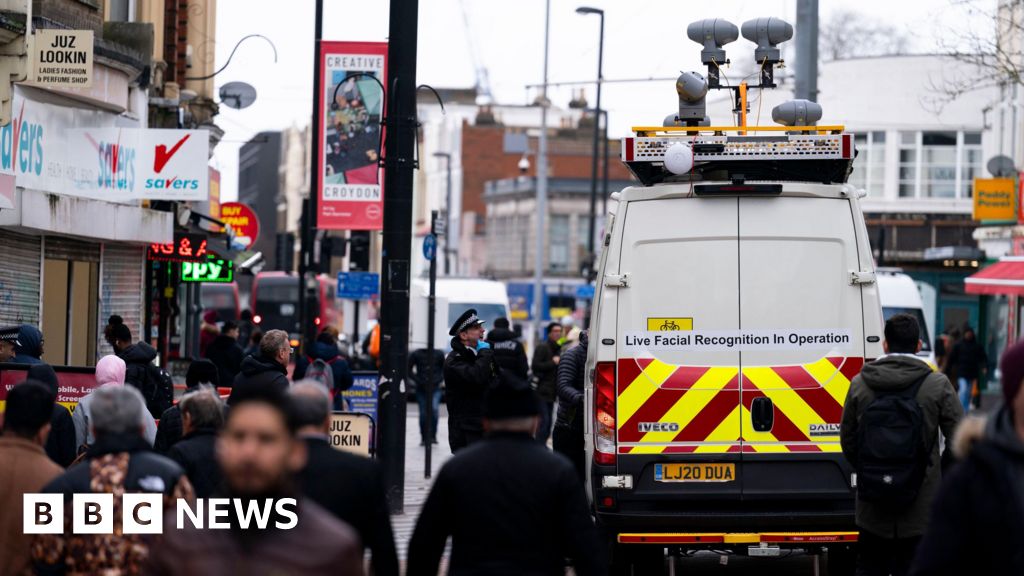
1 month agoICE and CBP's Face-Recognition App Can't Actually Verify Who People Are
Mobile Fortify, now used by United States immigration agents in towns and cities across the US, is not designed to reliably identify people in the streets and was deployed without the scrutiny that has historically governed the rollout of technologies that impact people's privacy, according to records reviewed by WIRED. The Department of Homeland Security launched Mobile Fortify in the spring of 2025 to "determine or verify" the identities of individuals stopped or detained by DHS officers during federal operations, records show.
Privacy technologies

fromLong Beach Post News
2 months agoHow Californians can use a new state website to block hundreds of data brokers
Until now, those instructions had to be delivered to each data broker individually - not an easy feat, given that more than 500 brokers were registered in the state as of the end of last year. Making things even more difficult, some brokers obscured their opt-out forms from search results, as The Markup and CalMatters revealed in August. The new system delivers privacy instructions to every registered broker at once.
Privacy professionals
Privacy technologies
fromTechCrunch
1 month agoIndia makes Aadhaar more ubiquitous, but critics say security and privacy concerns remain | TechCrunch
India is expanding Aadhaar's everyday use via a new app, offline verification, and mobile-wallet integration, raising security, consent, and database-use concerns.
Privacy professionals
fromPinkNews | Latest lesbian, gay, bi and trans news | LGBTQ+ news
1 month agoDiscord users must complete face or ID scans by next month
Discord will require face or government ID age verification by the end of the month, restricting access to graphic or sensitive content for unverified users.
US politics
fromwww.npr.org
1 month agoSome cities are ditching license plate readers over immigration surveillance concerns
Automatic license plate readers, widely deployed and used for solving crimes, face growing local opposition over surveillance and potential data sharing with federal immigration enforcement.
fromWIRED
2 months agoDHS's Data Grab Is Getting Citizens Kicked Off Voter Rolls, New Complaint Says
The Trump administration has since poured billions of dollars into immigration enforcement, and in March, Trump issued an executive order requiring the Department of Homeland Security to ensure that states have "access to appropriate systems for verifying the citizenship or immigration status of individuals registering to vote or who are already registered." In May, DHS began encouraging states to check their voter rolls against immigration data with the Systematic Alien Verification for Entitlements (SAVE) program, run by US Citizenship and Immigration Services (USCIS). SAVE now has access to data from across the federal government, not just on immigrants but on citizens as well.
US politics
US politics
fromNextgov.com
2 months agoTech Bills of the Week: Civil rights offices for AI; Expanding veterans' education; and Curtailing ICE's biometric use
Lawmakers propose federal civil-rights offices for AI oversight, restrict ICE biometric scanning, and expand veterans' access to training amid rising tech-focused legislation.
US politics
fromenglish.elpais.com
1 month agoUS House of Representatives passes election law requiring proof of citizenship to vote
A new SAVE America Act requiring passports or birth certificates to register passed the House, raising concerns it will disproportionately harm women, rural residents, and low-income voters.
[ Load more ]