#state-sponsored-influence
#state-sponsored-influence
[ follow ]
#iran #cybersecurity #malware #china #espionage #middle-east #middle-east-conflict #iran-conflict #ukraine
#cybersecurity


Information security
fromThe Hacker News
3 days ago3 Reasons Attackers Are Using Your Trusted Tools Against You (And Why You Don't See It Coming)
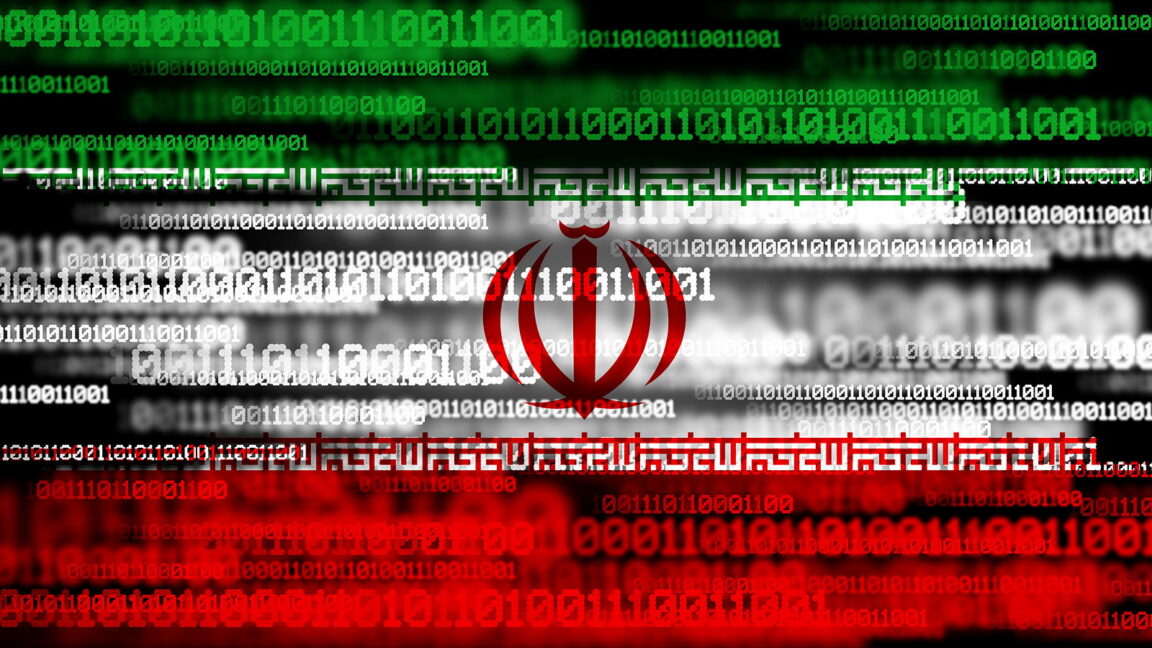
Cyber attackers increasingly exploit legitimate tools within environments, making detection difficult and expanding the attack surface organizations must manage.
Information security
fromThe Hacker News
3 days ago3 Reasons Attackers Are Using Your Trusted Tools Against You (And Why You Don't See It Coming)
Cyber attackers increasingly exploit legitimate tools within environments, making detection difficult and expanding the attack surface organizations must manage.
#iran



World news
fromLondon Business News | Londonlovesbusiness.com
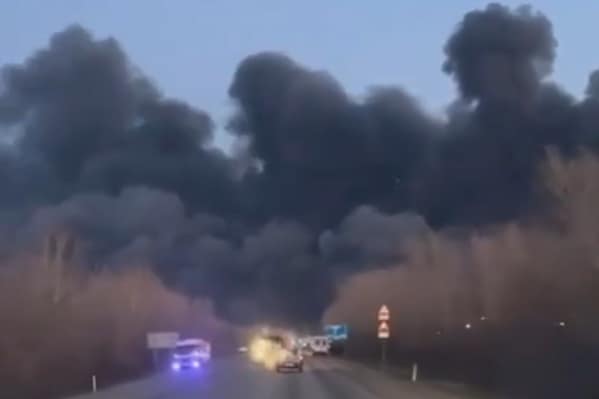
1 day agoIran claims strike on Amazon cloud site in Bahrain as conflict escalates - London Business News | Londonlovesbusiness.com
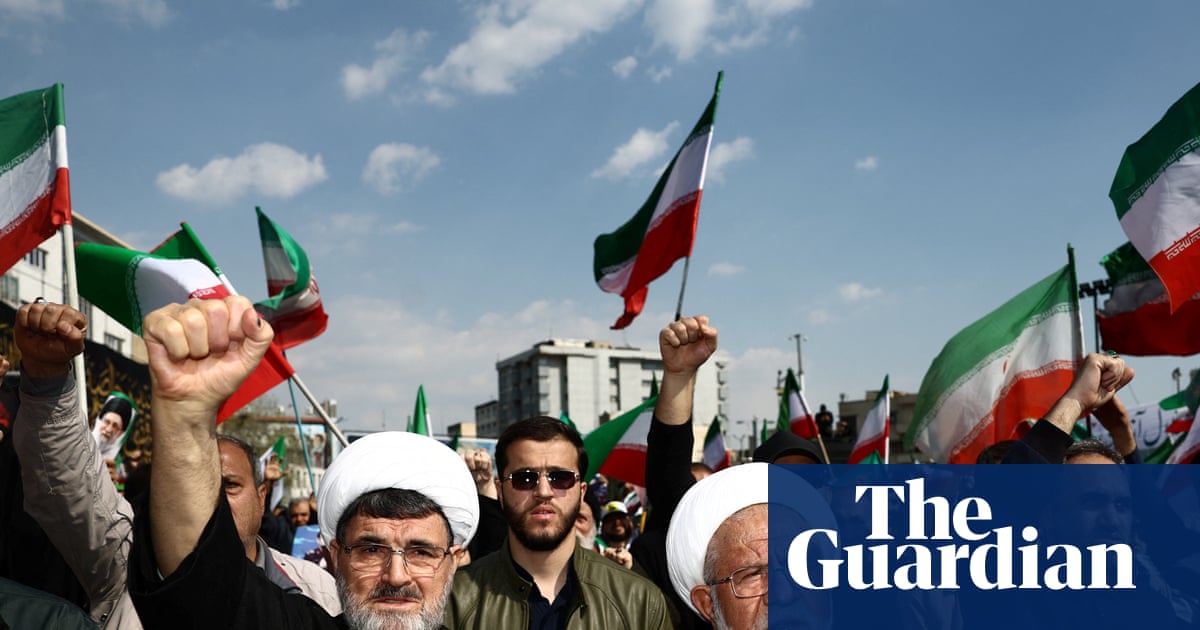
Iran's Revolutionary Guard claims responsibility for attacking an Amazon cloud facility in Bahrain as retaliation for recent strikes on Iranian territory.
fromThe New Yorker
1 day agoHow Donald Trump's War on Iran Helps Vladimir Putin's War on Ukraine
In 2021, when Olga Rudenko and other journalists launched the Kyiv Independent, they were committed to making a publication that wouldn't face political pressure from an owner. A few months later, Russia launched a full-scale invasion of Ukraine, and the Independent began reporting breaking news from the front lines.
Russo-Ukrainian War
fromThe Cipher Brief
2 days agoTaking a Stand on Adversaries' Influence in the Western Hemisphere
The January 3rd Operation Absolute Resolve ousted Venezuelan Dictator Nicholas Maduro, marking a significant shift in US policy towards countering adversarial influence in the western hemisphere.
World politics

fromThe New Yorker
5 days agoThe Spy Who Helped Stop Iran from Getting the Bomb
Chalker claims that during his time at the C.I.A., he was instrumental in persuading Iranian scientists to defect, which provided crucial information that 'prevented Iran from getting a nuke.' His operations involved complex strategies and a deep understanding of the scientists' motivations.
Washington DC

#trump
Russo-Ukrainian War
fromLondon Business News | Londonlovesbusiness.com
1 day agoTrump's Ukraine threat is not what it seems, but it reveals a deeper strategic shift - London Business News | Londonlovesbusiness.com
Trump's threat to halt weapons supplies to Ukraine reflects leverage over European allies rather than a complete withdrawal of support.

Russo-Ukrainian War
fromLondon Business News | Londonlovesbusiness.com
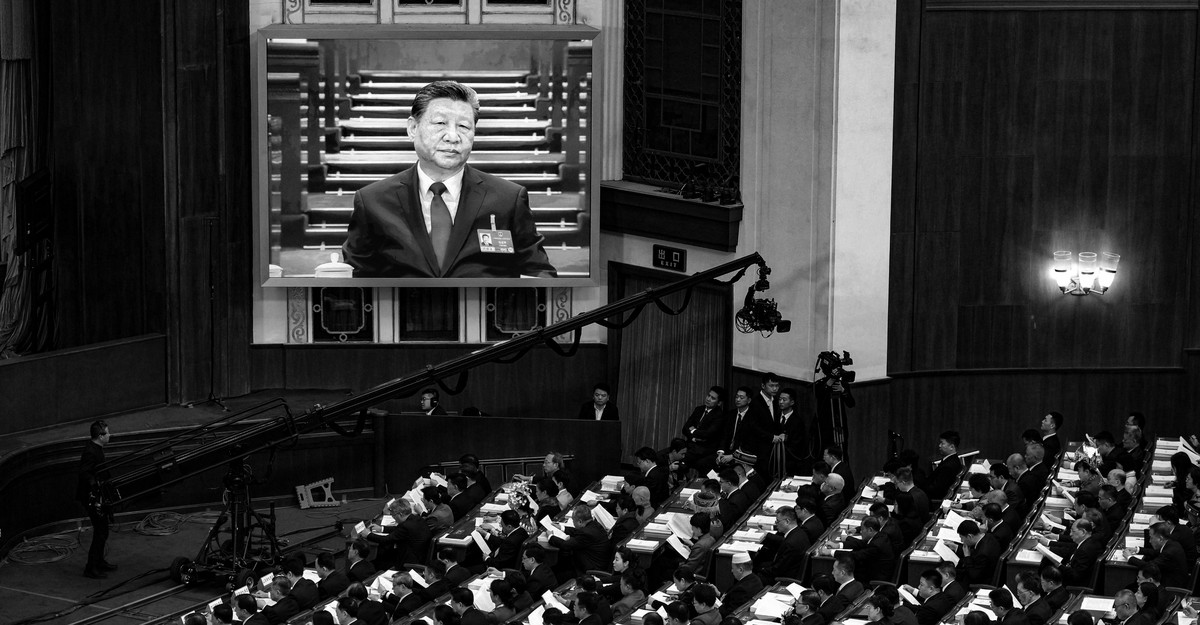
1 day agoTrump's Ukraine threat is not what it seems, but it reveals a deeper strategic shift - London Business News | Londonlovesbusiness.com
Trump's threat to halt weapons supplies to Ukraine reflects leverage over European allies rather than a complete withdrawal of support.
fromThe Atlantic
15 hours agoThe Iranian Opposition's Urgent Task
Pahlavi pledged to lead a transition to a 'free and democratic Iran.' He called on President Trump to continue the American-Israeli military operation against Iran, in the hope of displacing a regime he decried for placing a 'sea of blood' between itself and its people.
World news



Russo-Ukrainian War
fromLondon Business News | Londonlovesbusiness.com
4 days agoInvestigations of Russian spy rings and assassination groups grow from UK to Europe - London Business News | Londonlovesbusiness.com
Ukraine uncovered a Russian intelligence network planning contract killings of military commanders and public figures in Kyiv.
#internet-censorship
Russo-Ukrainian War
fromLondon Business News | Londonlovesbusiness.com
2 weeks agoIs Russia's internet blackout also intended to help enforce conscription more strictly? - London Business News | Londonlovesbusiness.com
Russia has intensified internet censorship and communications control from 2025-2026, blocking major platforms and implementing mobile blackouts while enforcing stricter conscription laws.
Russo-Ukrainian War
fromwww.mediaite.com
2 weeks agoWSJ Doubles Down on Report Russia Is Sharing Intel With Iran, as Kremlin Cries Fake News'
Russia provides Iran with satellite intelligence, advanced drone technology, and battlefield tactics to enhance targeting capabilities against U.S. and allied military assets in the Middle East.

fromwww.nytimes.com
3 weeks agoCascade of A.I. Fakes About War With Iran Causes Chaos Online
A torrent of fake videos and images generated by artificial intelligence have overrun social networks during the first weeks of the war in Iran. The videos showing huge explosions that never happened, decimated city streets that were never attacked or troops protesting the war who do not exist have added a chaotic and confusing layer to the conflict online.
Russo-Ukrainian War
World news
fromwww.aljazeera.com
3 weeks agoThe war of signals: How Russia and China help Iran see the battlefield
Russia is providing Iran with precise US military location intelligence, fundamentally shifting the electromagnetic warfare balance in the Gulf and eroding decades of American-Israeli dominance.
Information security
fromSecurityWeek
2 weeks agoChina-Linked Hackers Hit Asian Militaries in Patient Espionage Operation
China-linked cyberespionage campaign CL-STA-1087 has targeted Southeast Asian military organizations since at least 2020, using custom backdoors and credential stealers to extract military intelligence and Western collaboration details.
Information security
fromSecurityWeek
3 weeks agoIran-Linked Hackers Take Aim at US and Other Targets, Raising Risk of Cyberattacks During War
Pro-Iranian hackers are expanding cyberattacks from the Middle East into the United States, targeting defense contractors, medical device companies, and critical infrastructure like power stations and water plants.
Information security
fromMail Online
3 weeks agoIran-linked attack on US 'first drop of blood' as new threat grows
Iran-linked hackers attacked Stryker, signaling potential broader cyberattacks on Western organizations and US infrastructure including data centers, banking systems, and energy facilities.
Information security
fromComputerWeekly.com
3 weeks agoIran war a melting pot for other cyber threats | Computer Weekly
State-backed cyber actors from Belarus, China, and Pakistan increased malicious activity following the Israeli-US attack on Iran, exploiting the conflict as lures for phishing campaigns and intelligence collection.
Information security
fromTheregister
3 weeks agoCybercrime isn't just a cover for Iran's government goons
Iranian government-backed cyber operatives increasingly use commercial cybercrime malware and ransomware infrastructure for espionage and destructive operations rather than merely posing as criminals.
Information security
fromThe Hacker News
1 month agoGoogle Links China, Iran, Russia, North Korea to Coordinated Defense Sector Cyber Operations
State-sponsored and criminal actors from China, Iran, North Korea, and Russia target the defense industrial base, prioritizing drones, hiring exploitation, edge-device access, and supply-chain risk.
fromSecurityWeek
1 month agoCyber Insights 2026: Cyberwar and Rising Nation State Threats
Entering the cyber world is stepping into a warzone. Cyber is considered a war zone, and what happens there is described as cyberwar. But it's not that simple. War is conducted by nations (political), not undertaken by criminals (financial). Both are increasing in this war zone we call cyber, but the political threat is growing fast. Cyberwar is a complex subject, and a formal definition is difficult.
Information security
[ Load more ]