Alternative medicine
fromThe Verge
1 week agoThese 'clinically tested' gummies may or may not help you poop
Grüns gummy vitamins are popular for their taste and organic ingredients, appealing to consumers seeking enjoyable supplement options.
The 'Chinese baddie' diet trend on TikTok humorously highlights various traditional Chinese wellness practices, sparking interest in alternative health approaches among users.
In children below the age of five, whose immune systems are still developing, the infections can lead to malnourishment; they cause up to 42,000 deaths annually. Soon there may be a vaccine to protect against these infections. In the Lancet Infectious Diseases last month, scientists shared the results of the first study to evaluate the safety and efficacy of an ETEC-controlling vaccine in a large pediatric population in Gambia.
The article from the journal argues that the gut-autism axis is a house of cards built on lousy studies with inconsistent data. They assert that the studies are contradictory and that too much emphasis is placed on dubious mouse models. It is notoriously challenging to nail down microbial causes of disease—it is hard enough to simply identify a normal microbiome.
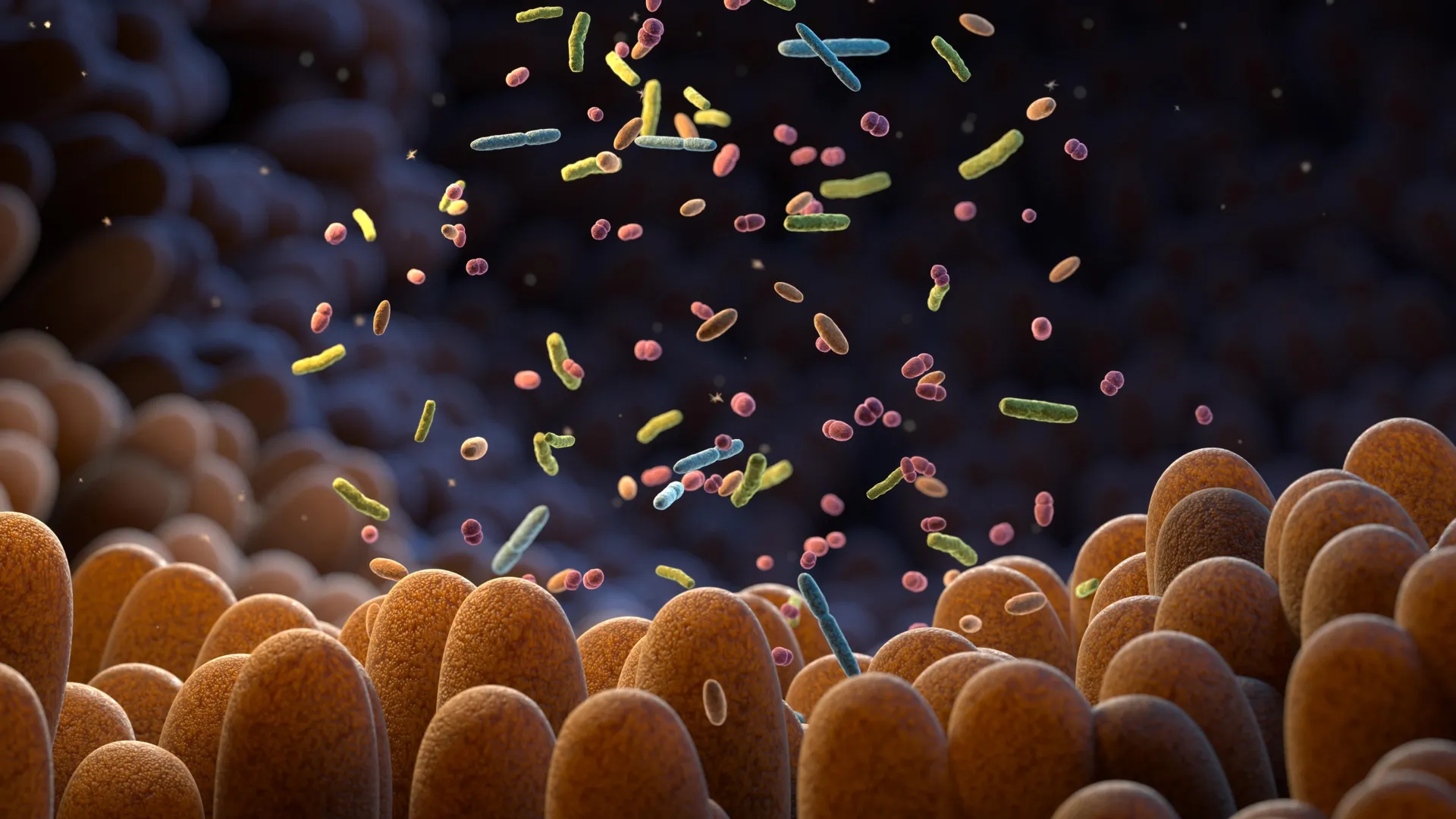
Gut bacteria are crucial to ensuring healthy digestion and defecation. But two species of bacteria may also be the cause of constipation: according to a new study, Bacteroides thetaiotaomicron and Akkermansia muciniphila appear to work in concert to break down colonic mucin, the slimy coating in our colons that keeps our poo moving along. Too little mucin means a drier and more constipation-prone colon.
The reason cabbage (and beans, for that matter) is a "musical fruit" is a complex sugar known as raffinose. Raffinose is especially hard for the human gut to digest because the small intestine cannot process it. So, by the time it reaches the colon, the bacteria used to break it down release gas that leads to bloating and flatulence. Furthermore, as a cruciferous veggie, cabbage also contains high amounts of sulfuric compounds,
Whether it's investigating the financials of Elon Musk's pro-Trump PAC or producing our latest documentary, 'The A Word', which shines a light on the American women fighting for reproductive rights, we know how important it is to parse out the facts from the messaging. At such a critical moment in US history, we need reporters on the ground. Your donation allows us to keep sending journalists to speak to both sides of the story.
Rachel Swanson, a registered dietitian at LifeSpan Medicine and author of "Trying!: A Science-Backed Plan to Optimize Your Fertility," splits her time between New York City and Miami, spending about half the year in each. She also takes small-group workout classes three times a week, focusing on strength training. She says eating enough nutrients, especially protein for muscle-building, is crucial for her. She generally aims for around 0.7 grams of protein per pound of body weight, the protein intake usually recommended for physically active people.
Everything on my Instagram feed at the moment is about worms and parasites, she told the Wall Street Journal, ominously adding: I don't know what the heck is going to come out. Maybe your social media feeds aren't full of posts about worms and parasites, in which case, congratulations. But type parasite cleanse into TikTok or Instagram and you'll be inundated with so-called experts peddling expensive herbal supplements that promise to detox the body and rid it of harmful worms and parasites.
From ultra-processed foods to hidden chemicals, we ask whether what's on our plates is making us ill. From ultra-processed foods to chemicals linked to cancer and chronic disease, this episode unpacks what's really inside everyday supermarket products. We examine how mass production and convenience culture reshaped our diets, why some ingredients are banned in parts of the world but legal elsewhere, and what FDA-approved actually means.
We've all been there, right? You reach for that bag of flour that's been sitting there for who knows how long, or grab the cooking oil that's been pushed to the back of the shelf since your last attempt at homemade donuts. Most of us assume if something looks fine and doesn't smell off, it's probably safe to use. But here's the thing: some pantry staples can actually become health hazards long before they show obvious signs of spoilage.
Intermittent fasting within an eight-hour window can significantly reduce symptoms of Crohn's disease, a new study has found. Crohn's disease, according to the NHS, is a long-term condition where part of the gut becomes inflamed. It cannot currently be cured and the common symptoms include: diarrhoea, blood or mucus in your poo and stomach pain. Researchers at the University of Calgary found that time-restricted feeding can reduce disease activity by 40 per cent and halve abdominal discomfort in over 12 weeks in people living with Crohn's disease.
DNA variants near a gene called MSRB3 - which is important for hearing in humans - could determine whether a dog's ears are pendulous like a basset hound's or stubby like a rottweiler's. Researchers analysed the genomes of thousands of canines and found that small, single-letter changes to DNA in a region of the genome near MSRB3 could boost the gene's activity. The boost can increase the rate at which ear cells proliferate, resulting in longer ears.