#strain-profiles

[ follow ]
Medicine
fromFast Company
20 hours ago

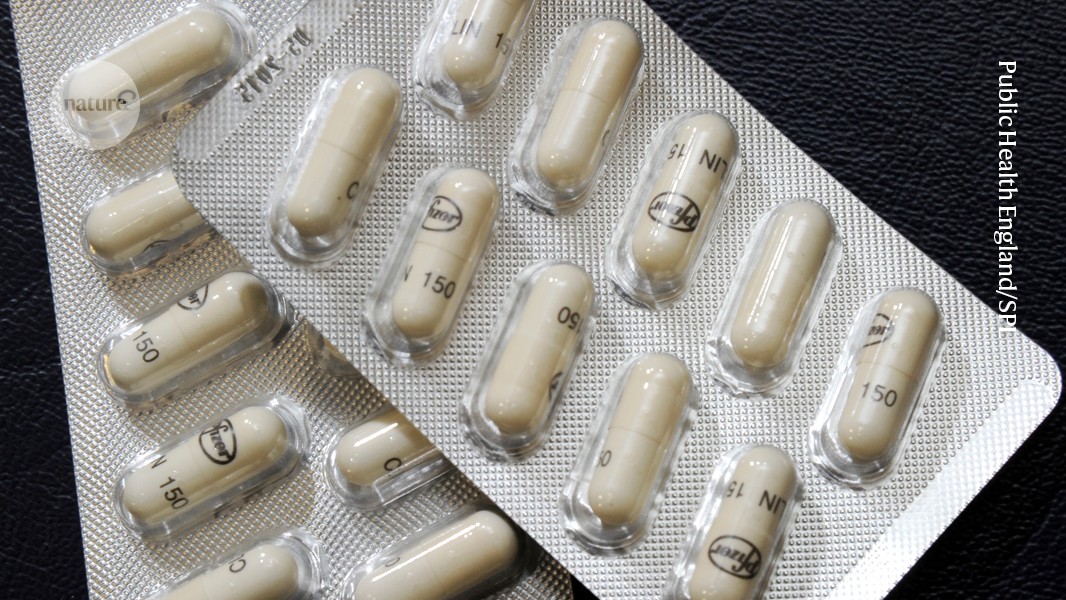
AI is coming for superbugs

AI can significantly enhance antibiotic discovery, addressing the urgent global health crisis of antibiotic resistance.
#antibiotic-resistance
OMG science
fromwww.npr.org
1 week ago

Here's some new dirt on a source of antibiotic resistance

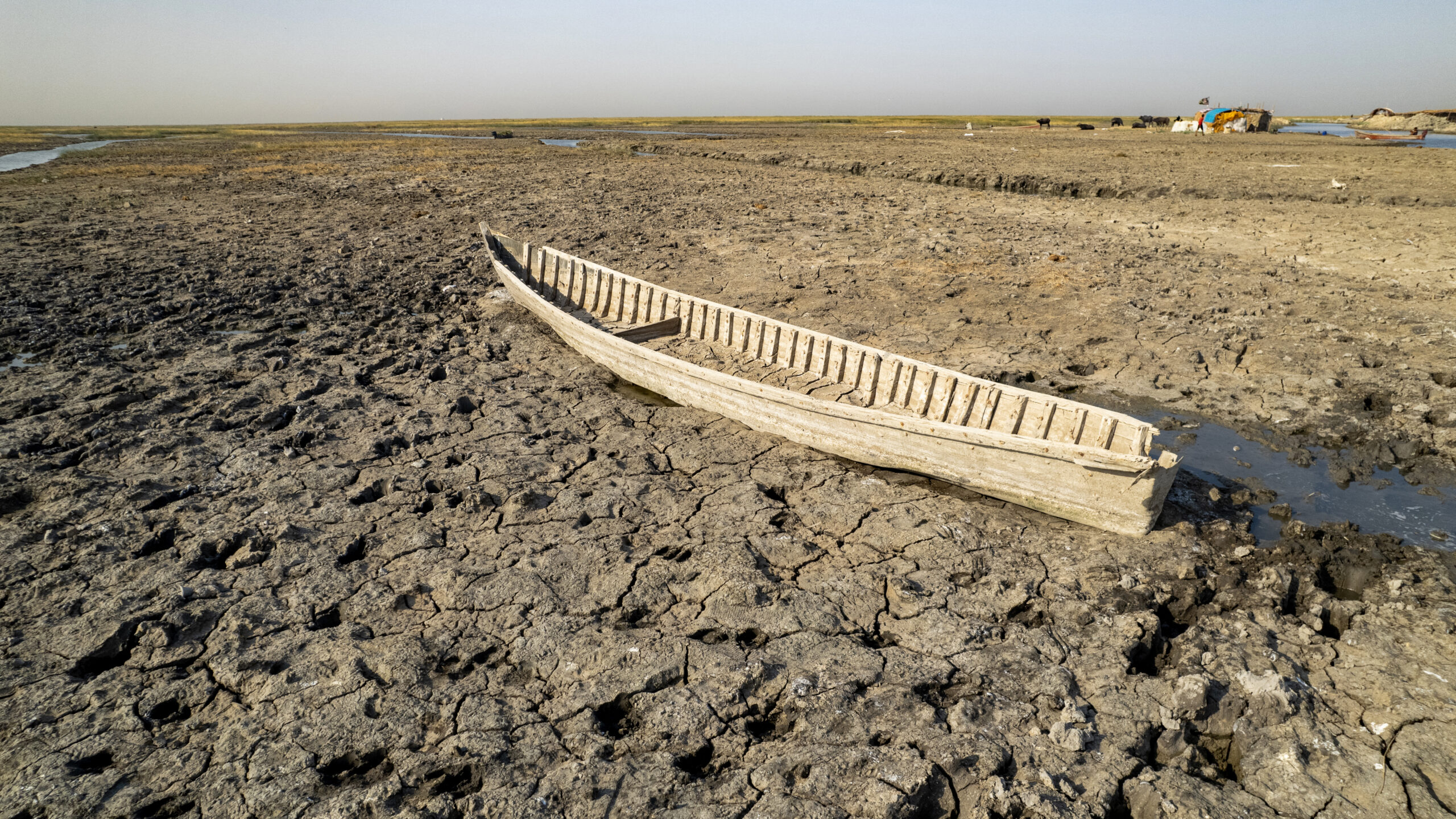
Bacteria are increasingly resistant to antibiotics, with drought contributing to this rise in resistance and impacting human health.
Public health
fromNature
3 weeks ago

Capturing dynamic phage-pathogen coevolution by clinical surveillance - Nature

Phage-inducible chromosomal island-like elements (PLEs) in Vibrio cholerae provide defense against ICP1 phage predation, influencing pandemic strain evolution and disease severity through dynamic phage-bacteria interactions.
Science
fromwww.scientificamerican.com
2 months ago

The bacterium behind syphilis has a far more ancient history than we thought

Treponemal diseases, including syphilis, originated much earlier than thought; a 5,500-year-old Treponema pallidum genome from Colombia pushes back their evolutionary timeline.
fromNature
2 months ago

Daily briefing: Why 'harmless' germs can be deadly for some people

DNA variants near a gene called MSRB3 - which is important for hearing in humans - could determine whether a dog's ears are pendulous like a basset hound's or stubby like a rottweiler's. Researchers analysed the genomes of thousands of canines and found that small, single-letter changes to DNA in a region of the genome near MSRB3 could boost the gene's activity. The boost can increase the rate at which ear cells proliferate, resulting in longer ears.
Science
Medicine
fromNature
2 months ago

The infection enigma: why some people die from typically harmless germs

Genetic mutations in immune-related genes cause inborn errors of immunity that make some people uniquely vulnerable to severe infections and immune disorders.
Science
fromAxios
1 month ago

The narrow slice of data that worries biosecurity experts

Certain biological datasets that materially increase misuse risk should be governed like sensitive health records while most biological data remains openly accessible.
Science
fromMail Online
1 month ago

Prehistoric killer superbug discovered in 5,000-year-old ice

An ancient Psychrobacter strain from Scarisoara Ice Cave, frozen about 5,000 years, is resistant to ten modern antibiotics and harbors over 100 resistance genes.
Science
fromMail Online
2 months ago

Scientists use AI to create a virus never seen before

Scientists used AI and gene-assembly tools to create Evo-Φ2147, a novel 11-gene virus designed to kill pathogenic E. coli.
Science
fromenglish.elpais.com
1 month ago

A bacterium frozen 5,000 years ago has been found capable of standing up to super-pathogens

A 5,000-year-old Psychrobacter strain recovered from Romanian cave ice displays resistance to multiple modern antibiotics and produces compounds that inhibit other, hard-to-treat pathogens.
fromwww.scientificamerican.com
2 months ago

Meet the extremophile molds wreaking havoc in museums

Mold is a perennial scourge in museums that can disfigure and destroy art and artifacts. To keep this microbial foe in check, institutions follow protocols designed to deter the familiar fungi that thrive in humid settings. But it seems a new front has opened in this long-standing battle. I'd recently heard rumblings that curators in my then home base of Denmark have been wrestling with perplexing infestations that seem to defy the normal rules of engagement.
Science
Science
fromThe Walrus
2 months ago

What Do Microbes Have to Do with How We Age? Everything, Actually | The Walrus

Microbes profoundly influence human aging and health and represent a promising frontier for interventions to delay age-related decline.
[ Load more ]