#superfund-act
#superfund-act
[ follow ]
#public-health #epa #new-york-city #environmental-policy #air-pollution #waste-management #lawsuit #air-quality

fromHigh Country News
4 days agoForest Service overhaul sows confusion, concern - High Country News
"Nobody is asking for this. None of the farm groups want this. No one in conservation wants this. Nobody." Robert Bonnie, former Forest Service undersecretary, highlights widespread opposition to the reorganization.
Washington DC
#911



NYC politics
fromwww.amny.com
5 days agoA moral injury': City sued over not releasing information on Lower Manhattan air quality danger after 9/11 attack | amNewYork
Advocates are suing New York City for transparency regarding air quality information post-9/11 to seek accountability and answers, not compensation.
Agriculture
fromEarth911
2 weeks agoConvenience Comes at the Environment's Expense
Fast delivery convenience carries significant environmental costs through packaging waste, carbon emissions, and resource consumption, but individual yard management choices can meaningfully reduce environmental impact at a local scale.
fromLos Angeles Times
2 weeks agoIndustry groups sue California over Truth in Recycling law
SB 343 forces dairy product manufacturers to remove vital recycling guidance from the very cartons Californians rely on every day. This law ignores the reality of our recycling infrastructure and unconstitutionally restricts our right to provide transparent recycling instructions to consumers. We are seeking to stop this policy before it leads to more waste and disrupts our ability to deliver milk to California families and schools.
Intellectual property law
NYC real estate
fromNew York Post
2 weeks agoExclusive | Most landlords in trendy NYC nabe-turned-Superfund site refuse free testing - because of property values: pol
Only 26% of 1,000 properties in Brooklyn's Meeker Avenue Plume Superfund site have undergone free EPA air testing for toxic contamination since 2022, with landlords avoiding testing due to property value concerns.
Washington DC
fromThe Atlantic
2 weeks agoWhat Caused the D.C. Sewer Disaster
A major sewer pipe collapse in Washington, D.C. caused one of the worst raw-sewage spills in U.S. history, potentially linked to a design flaw from the 1960s involving boulder fill that may affect other sections of the pipeline.
fromWashingtonian - The website that Washington lives by.
2 weeks agoThe Broken Sewer Line That Filled The Potomac River With Poop Has Been Repaired. What Happens Next? - Washingtonian
After 55 days of construction, which involved enough gravel to cover four football fields and enough fuel to power a dozen homes for a whole year, the pipe is once again funneling sewage from Fairfax and Loudoun Counties to the Blue Plains Advanced Water Treatment Plant in Southwest DC.
Washington DC
London politics
fromMail Online
3 weeks agoEnvironment officers given police-style powers to fight waste crime
The government is implementing a zero-tolerance approach to waste crime, granting environment officers police-like powers including warrant-less searches, asset seizure, and arrest authority to combat illegal dumping gangs.
fromwww.theguardian.com
1 month agoTrump officials move to kill system that protects US from chemical disasters
The Trump administration is slowly dismantling the federal disaster management system that protects the nation from chemical catastrophes, such as fires and explosions at high-risk facilities. The US Environmental Protection Agency's Response Management Program (RMP) requires more than 12,500 high-risk facilities to develop protocols to prevent catastrophes, or limit fallout, and was largely designed to protect workers, first responders, and fence-line communities.
US politics
fromEngadget
2 weeks agoStates are suing the EPA for relinquishing its role as a greenhouse gas emissions regulator
The lawsuit specifically argues that the EPA's decision to rescind a 2009 study that determined greenhouse gases are dangerous to public health was illegal. The study, which is the source of what's called the "Endangerment Finding," was one of several justifications - along with things like the Clean Air Act - for the agency's ability to regulate emissions.
Environment
Environment
fromEarth911
2 weeks agoHow You Can Help Keep Recycling Workers Safe
Recycling reduces waste and resource extraction, but material recovery facility workers face significant safety hazards, with nine deaths in 2023 and waste collection ranking as the fourth most dangerous job in the United States.
fromArs Technica
2 weeks agoEmerging legislation would shield polluters from liability for climate change
Dozens of local communities, states, and individuals are suing major oil and gas companies and their trade associations over rising climate costs and for allegedly lying to consumers about climate change risks and solutions. At the same time, some states are enacting or considering laws modeled after the federal Superfund program that would impose retroactive liability on large fossil fuel producers and levy a one-time charge on them to help fund climate adaptation and resiliency measures.
Environment
Environment
fromJezebel
3 weeks agoImagine If the Trump EPA Cared Enough to REDUCE Our Daily Exposure to Carcinogens
The EPA has shifted from environmental protection to facilitating increased carcinogen emissions, including weakening ethylene oxide regulations despite evidence of severe health risks to children.
Environment
fromwww.theguardian.com
3 weeks agoMining's toxic timebomb: dams full of poisonous waste are dotted around the world. What happens when they burst?
A tailings dam collapse at a Chinese copper mine in Zambia released over 50 million cubic liters of acid and heavy metals into the Kafue River, causing widespread environmental devastation, water supply shutdowns, and agricultural destruction affecting millions of people.
California
fromThe Mercury News
2 months agoLetters: If polluters paid for damage, state's deficit would be less
Fossil fuel companies should be held financially responsible for climate-driven damages to reduce taxpayer burdens and accelerate the transition to renewable electricity and all-electric buildings and vehicles.
#epa-enforcement-decline
Environment
fromArs Technica
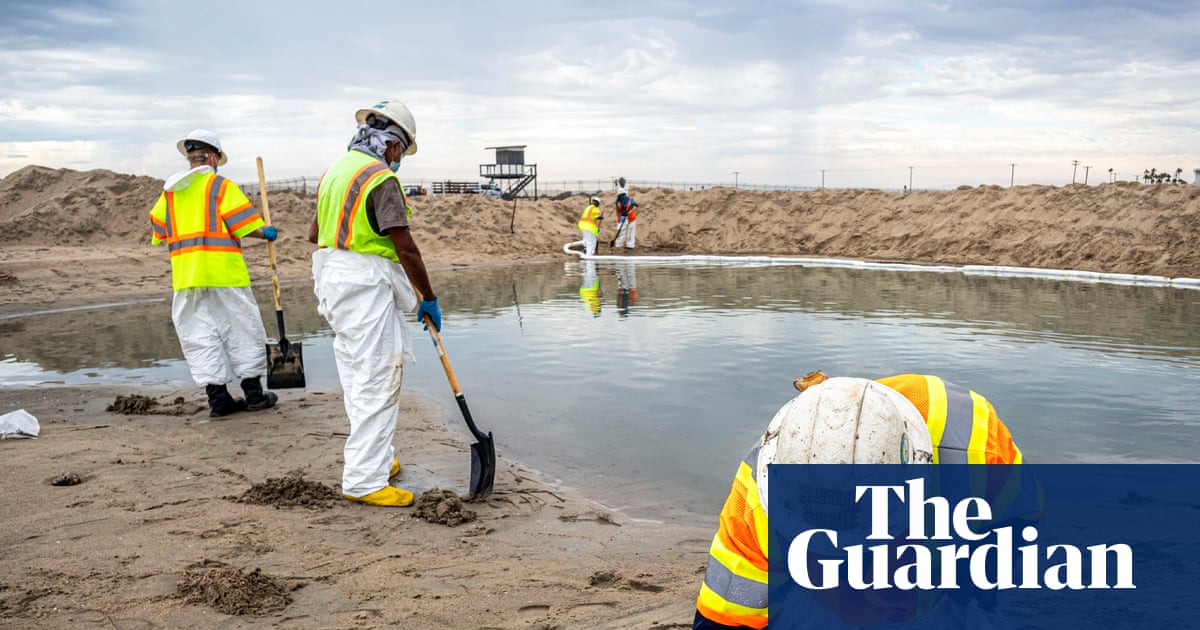
3 weeks agoWhat crackdown? Trump's EPA enforcement claims don't pass sniff test.
EPA criminal enforcement cases dropped 76 percent in Trump's first year compared to Biden's first year, with only 16 cases filed despite recent high-profile prosecutions and $17 million in criminal fines.
Environment
fromTruthout
4 weeks agoHouse Bill Could Weaken EPA Oversight of Hazardous Chemicals
House conservatives propose rolling back 2016 reforms to the Toxic Substances Control Act, weakening EPA authority to regulate hazardous chemicals despite ongoing groundwater contamination cases like Jones Road.
Public health
fromNonprofit Quarterly | Civic News. Empowering Nonprofits. Advancing Justice.
2 months agoThe Polluters Down the Street-EPA Changes Put Lives at Risk | Nonprofit Quarterly | Civic News. Empowering Nonprofits. Advancing Justice.
Air quality monitoring and Clean Air Act regulations have reduced PM2.5, prevented hundreds of thousands of early deaths, and improved average life expectancy.
fromLos Angeles Times
2 months agoA push to end a fractured approach to post-fire contamination removal
The patchwork efforts to identify and safely remove contamination left by the 2025 Eaton and Palisades fires has been akin to the Wild West. Experts have given conflicting guidance on best practices. Shortly after the fires, the federal government suddenly refused to adhere to California's decades-old post-fire soil-testing policy; California later considered following suit. Meanwhile, insurance companies have resisted remediation practices widely recommended by scientists for still-standing homes.
Public health
fromEarth911
1 month agoThe State of Plastic Bans in the United States
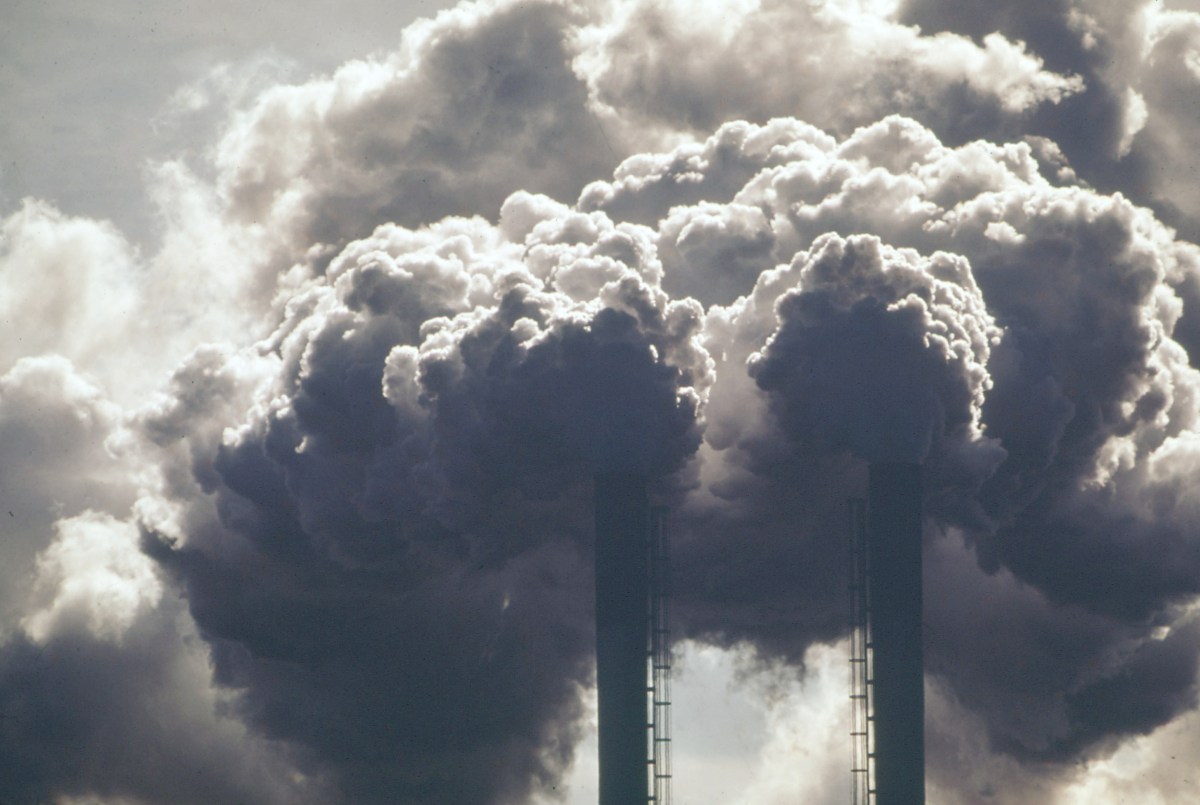
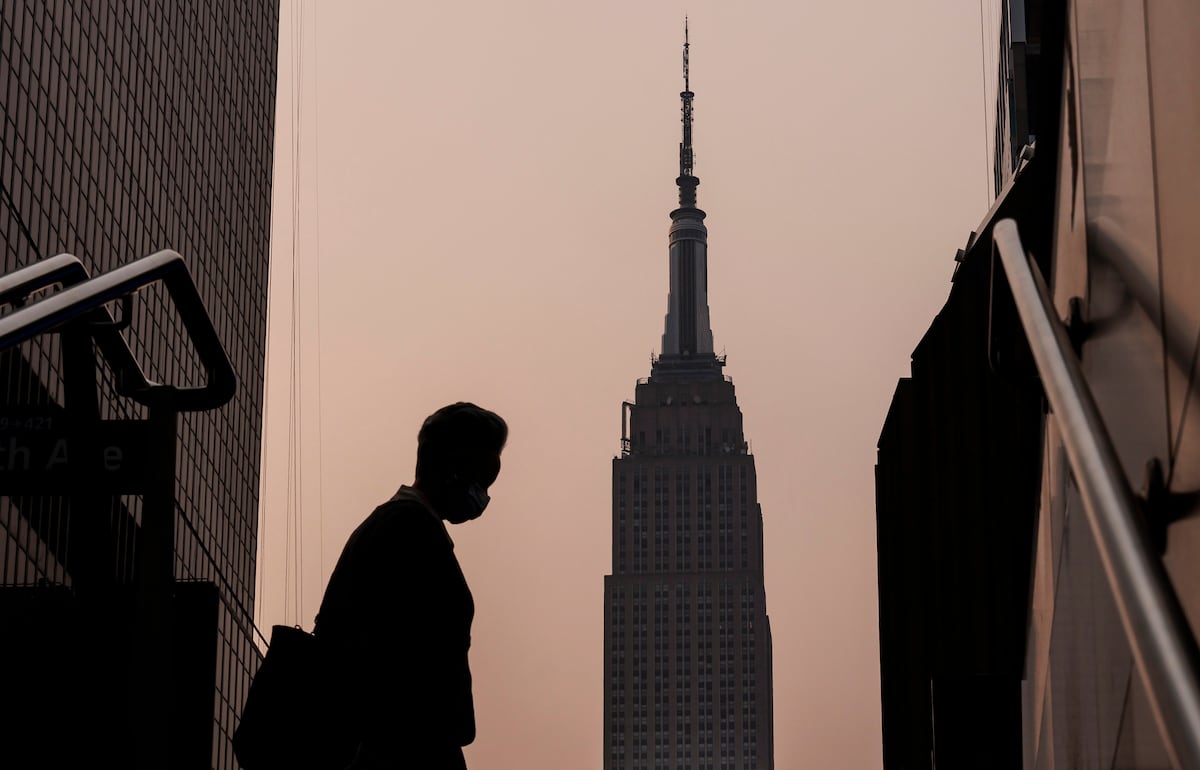
Many cities have also banned polystyrene foam containers. While this movement is gaining ground, it still faces strong opposition. Each American uses about 365 single-use plastic bags every year. With a population of 330 million, this adds up quickly. Only about 9% of all plastic ever made has been recycled. The rest ends up in landfills, waterways, or breaks down into microplastics found in human blood, tap water, and table salt.
Environment
fromwww.theguardian.com
1 month agoTrump's EPA to roll back rule limiting hazardous mercury from coal plants
Donald Trump's EPA has said that easing the pollution standards for coal plants would alleviate costs for utilities that run older coal plants at a time when demand for power is soaring amid the expansion of datacenters used for artificial intelligence. But environmental groups have said that weakening standards for mercury, a neurotoxin that can impair babies' brain development, and other air toxics will lead to higher health-related costs.
Environment


from24/7 Wall St.
2 months agoClean Harbors (CLH): The Environmental Services Moat is Expanding
Clean Harbors just locked in a $110 million contract for PFAS water filtration at Joint Base Pearl Harbor-Hickam. This isn't just another project win. It's validation of the company's end-to-end PFAS solution: lab analytics, water filtration, site remediation, and most critically, high-temperature incineration disposal.
Environment
fromTruthout
2 months agoNew Lawsuit Challenges Trump's Exemptions for Polluters
Last spring, the Environmental Protection Agency made a surprise announcement: President Donald Trump would consider giving some polluters exemptions from a handful of Clean Air Act rules. To get the ball rolling, all it would take was an email from a company making its case. The EPA set up a special inbox to receive these applications, and it gave companies about three weeks at the end of March to submit their requests for presidential exemption.
Environment

fromTruthout
2 months agoTrump's EPA Is Questioning Its Own Legal Authority to Regulate Pollutants
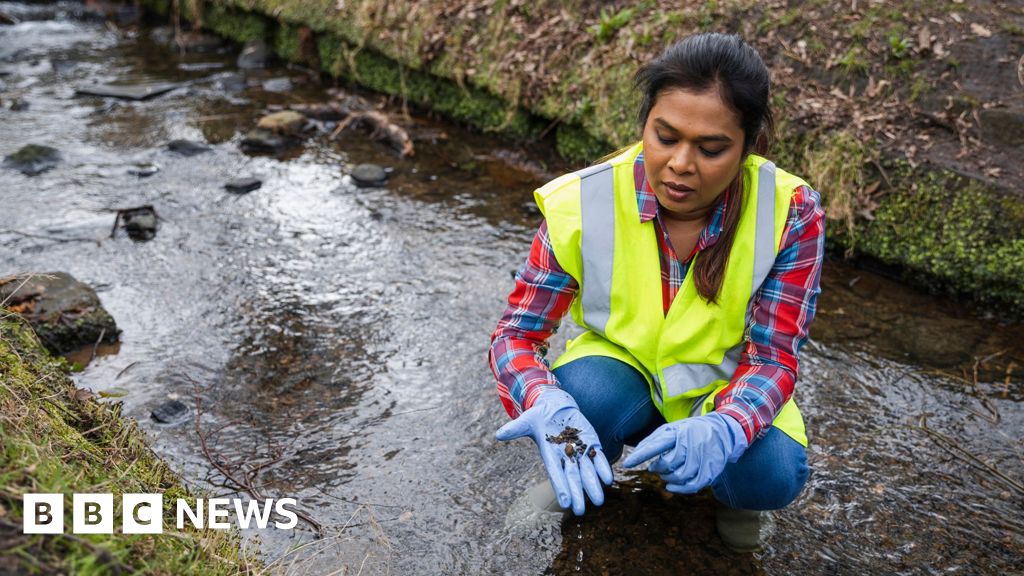
Ethylene oxide was once considered an unremarkable pollutant. The colorless gas seeped from relatively few industrial facilities and commanded little public attention. All that changed in 2016, when the Environmental Protection Agency completed a study that found the chemical is 30 times more carcinogenic than previously thought. The agency then spent years updating regulations that protect millions of people who are most exposed to the compound.
Environment
[ Load more ]