#superwood
#superwood
[ follow ]
#architecture #sustainability #sustainable-architecture #sustainable-design #design #sustainable-construction




#architecture

Renovation
fromdesignboom | architecture & design magazine
4 days agoarthur casas adapts speculative structure into wood-lined coastal house in brazil
Arthur Casas transforms an unfinished structure into Bravíssima House, integrating it with the landscape and enhancing family living through design and materials.
Renovation
fromdesignboom | architecture & design magazine
4 days agoarthur casas adapts speculative structure into wood-lined coastal house in brazil
Arthur Casas transforms an unfinished structure into Bravíssima House, integrating it with the landscape and enhancing family living through design and materials.
fromwww.theguardian.com
5 days agoEvery child wants to find joy': the scheme designing playground equipment for disaster zones
Meininger, who grew up in Germany but now lives in London, likes making things. So when he saw how much his young sons enjoyed the jungle gym and play forts at the local park, he made an indoor treehouse for them.
Parenting
OMG science
fromYanko Design - Modern Industrial Design News
1 week agoResearchers turned Sawdust Waste and Watermelon Seeds into Recyclable Fire-resistant Panels - Yanko Design
Sawdust can be transformed into a strong, fire-retardant composite material using struvite and an enzyme from watermelon seeds.
fromArchitectural Digest
2 weeks agoHome Design for a Longer Life: Can a House Really Promote Longevity?
When you design your home with intentionality, you are essentially 'hard-coding' healthy behaviors into your daily rhythm. Health outcomes are the result of thousands of micro-decisions—so in his own home, he prioritized spaces like the kitchen, whose open layout makes cooking a pleasure, and the gym, centrally located.
Wellness
Arts
fromArchDaily
1 month agoBuildFest Introduces "Acts of Construction," a Three-Year Exploration of Timber Installations
Bethel Woods launches BuildFest, a three-year initiative featuring large-scale timber installations and multimedia experiences on the historic 1969 Woodstock festival grounds, organized sequentially around construction, choreography, and performance themes.
#tiny-house
Renovation
fromYanko Design - Modern Industrial Design News
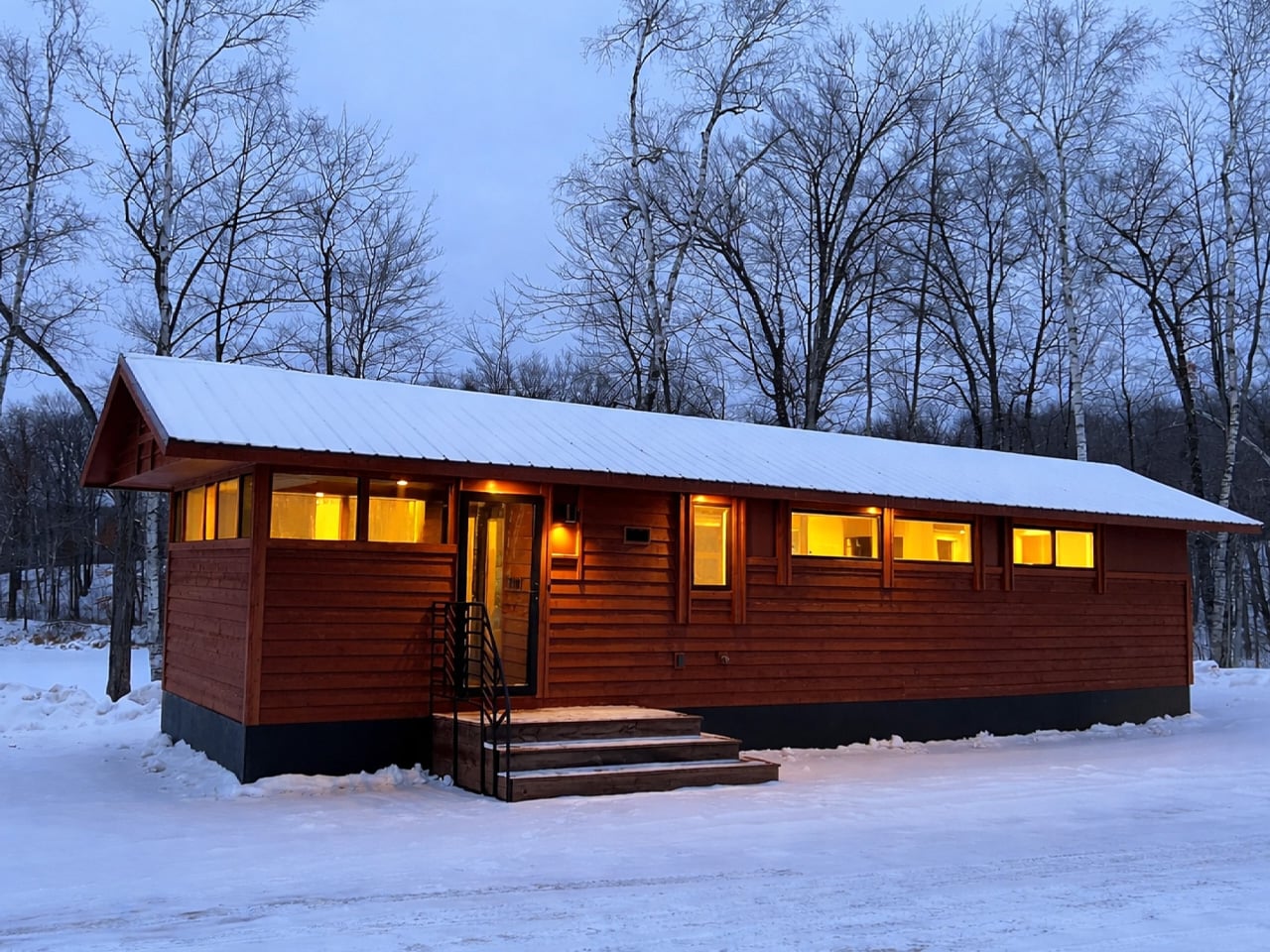
4 days agoThis Tiny House Has 30 Feet of Glass and Feels Nothing Like a Tiny House - Yanko Design
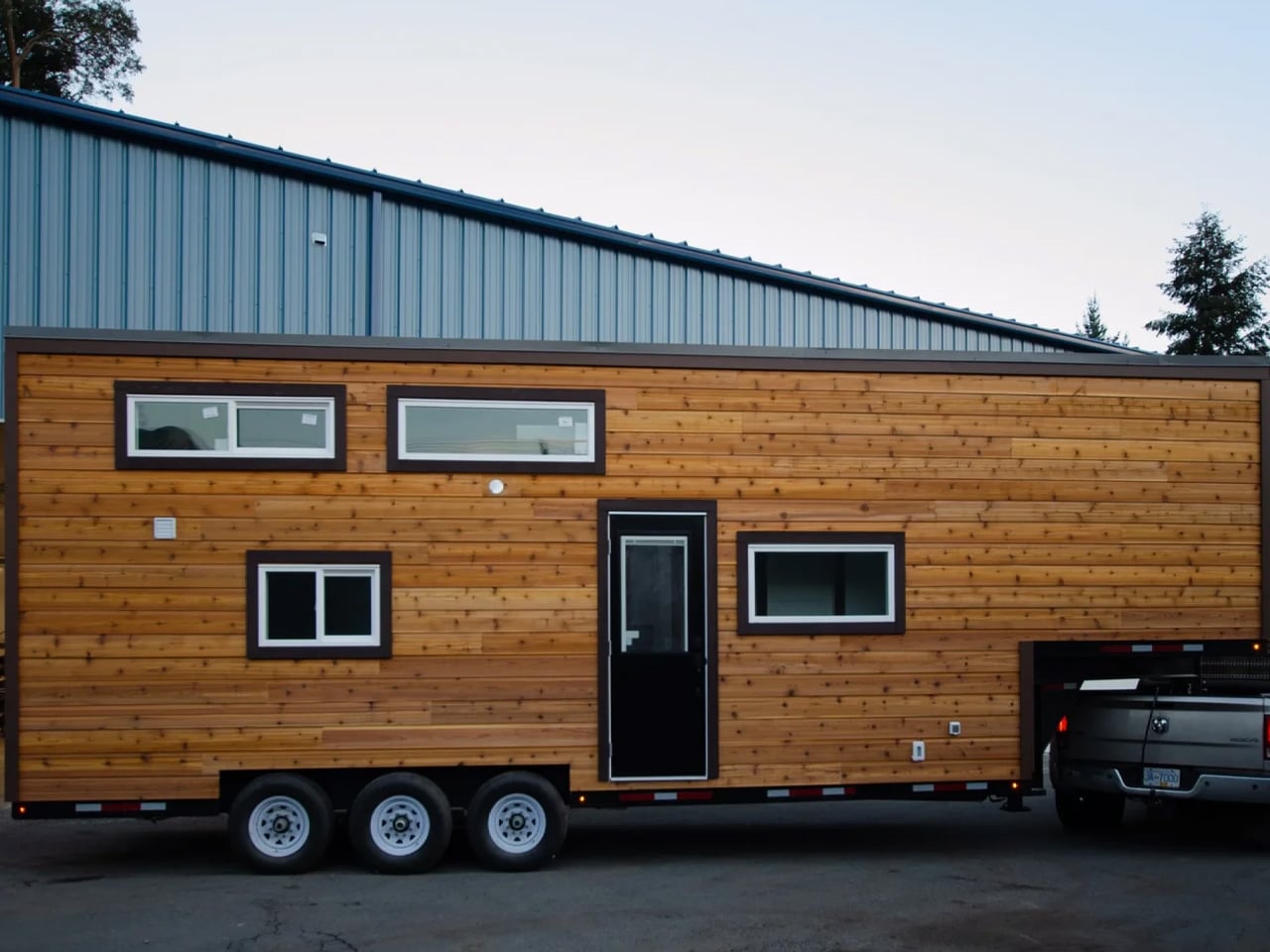
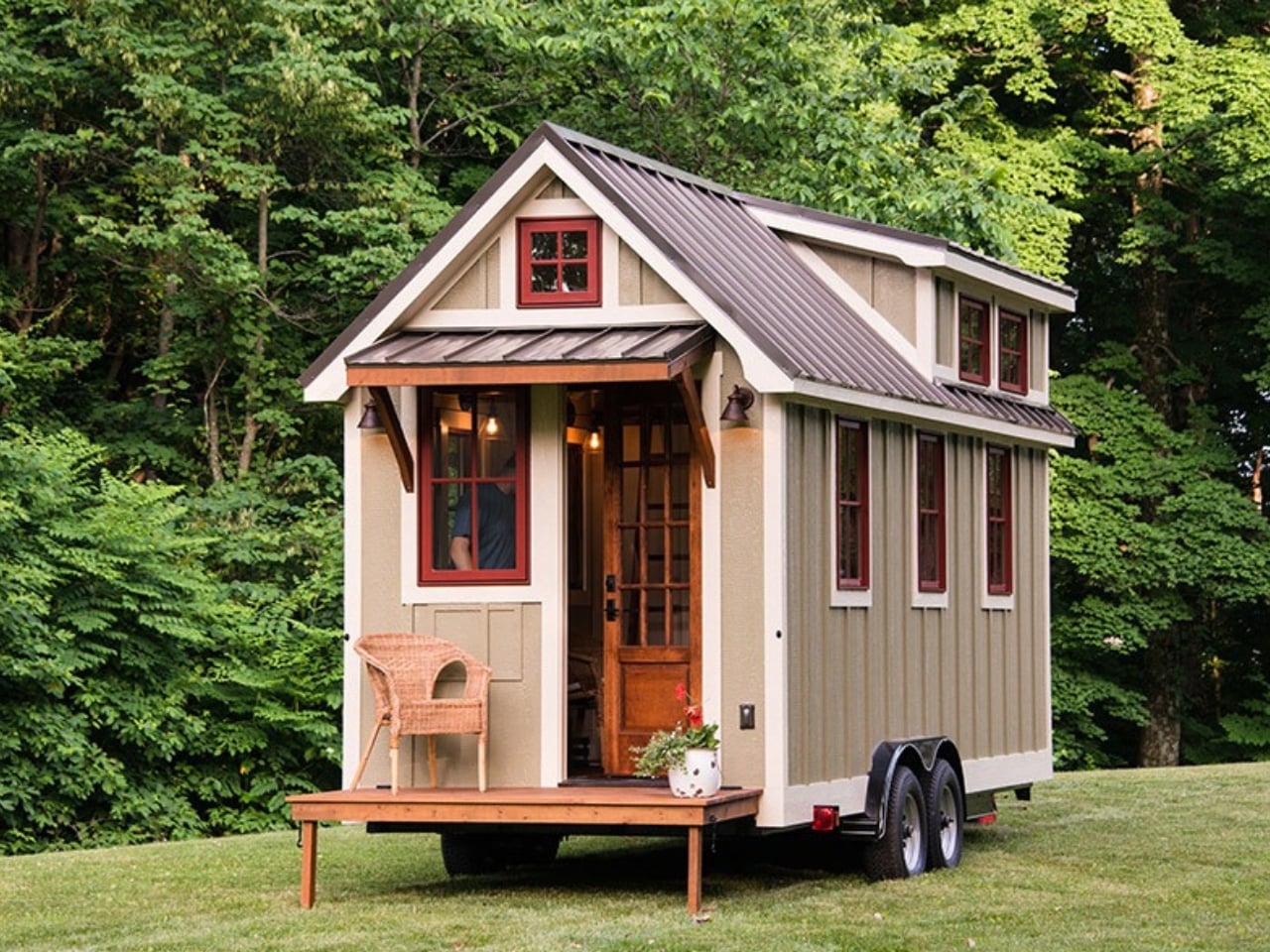
The Shoreline Glass House redefines tiny living with spacious, light-filled design and single-floor layout, offering a unique blend of comfort and openness.
fromdesignboom | architecture & design magazine
2 weeks agocircular timber pavilion anchors wildlife and wetland restoration park in mexico
The pavilion is recognized as the first building in Mexico constructed using cross-laminated timber (CLT). This system replaces conventional concrete and steel structures with mass timber, reducing the carbon footprint of the construction process. CLT panels are composed of layered wood elements arranged in alternating directions, creating structural stability while enabling prefabrication and efficient assembly.
Environment
Design
fromYanko Design - Modern Industrial Design News
4 days agoBiomimetic Architecture Reaches New Heights With This Bird-of-Paradise Yoga Space - Yanko Design
Thilina Liyanage's architecture translates animal gestures into functional designs, exemplified by the Rifle Bird Yogashala inspired by the Victoria's riflebird's courtship display.
fromwww.architecturaldigest.com
2 weeks agoNon-Toxic Paint 101: A Designer-Approved Guide
Even long after the tell-tale odor of new paint has vanished, traditional paint can off-gas for months, releasing volatile organic compounds (VOCs) that have been linked to organ and nervous system damage, cancer, and infertility.
Remodel
Design
fromdesignboom | architecture & design magazine
5 days ago317studio transforms taiwan classroom into forest-like learning space for scouting education
317studio transforms a conventional classroom into a flexible, forest-like learning environment that promotes active participation and adaptability.
fromArchDaily
3 weeks agoHow Architecture Is Learning to Generate Its Own Energy
Photovoltaic (PV) solar energy represents a modular technology that can be manufactured in large-scale facilities, generating economies of scale, while also being adaptable to small-scale applications. From residential rooftop systems to large-scale power generation installations, photovoltaic solar energy has established itself as a cost-effective option for electricity production in many countries around the world.
Environment
fromFast Company
1 month agoThese designers made a sustainable new building material from corn
This corn-based construction material was made by Manufactura, a Mexican sustainable materials company, and it imagines a second life for waste from the most widely produced grain in the world. The project started as an invitation by chef Jorge Armando, the founder of catering brand Taco Kween Berlin, to find ways he could reintegrate waste generated by his taqueria into architecture. A team led by designer Dinorah Schulte created corncretl during a residency last year in Massa Lombarda, Italy.
Science
Environment
fromEarth911
1 month agoSustainability In Your Ear: The Forest Stewardship Councils' Path to a Circular Bio-based Future with Loa Dalgaard Worm
Forests face unsustainable depletion from rising demand for wood fiber, requiring circular economy models and new incentive systems to protect remaining forests while meeting material needs.
#sustainable-architecture

Renovation
fromdesignboom | architecture & design magazine
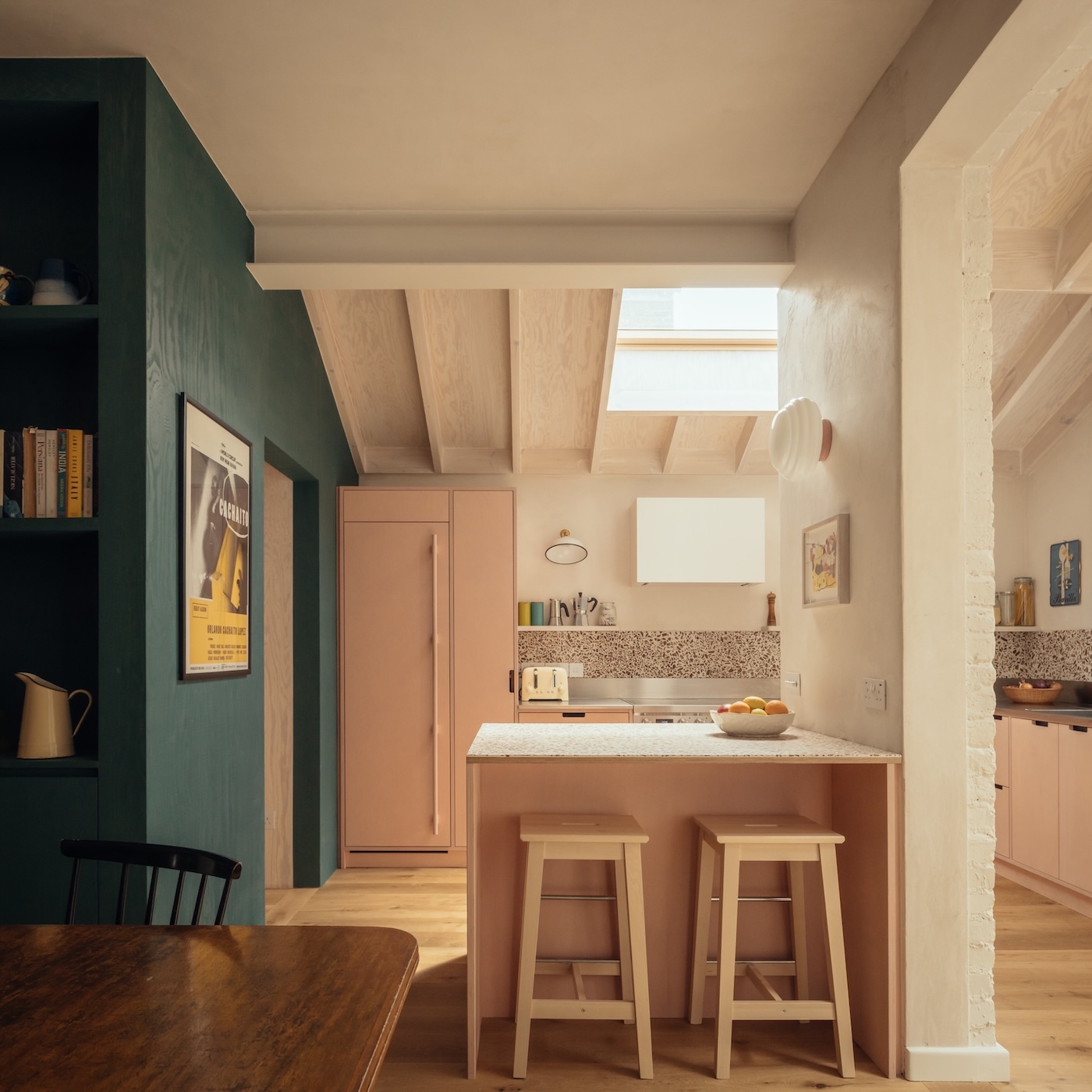
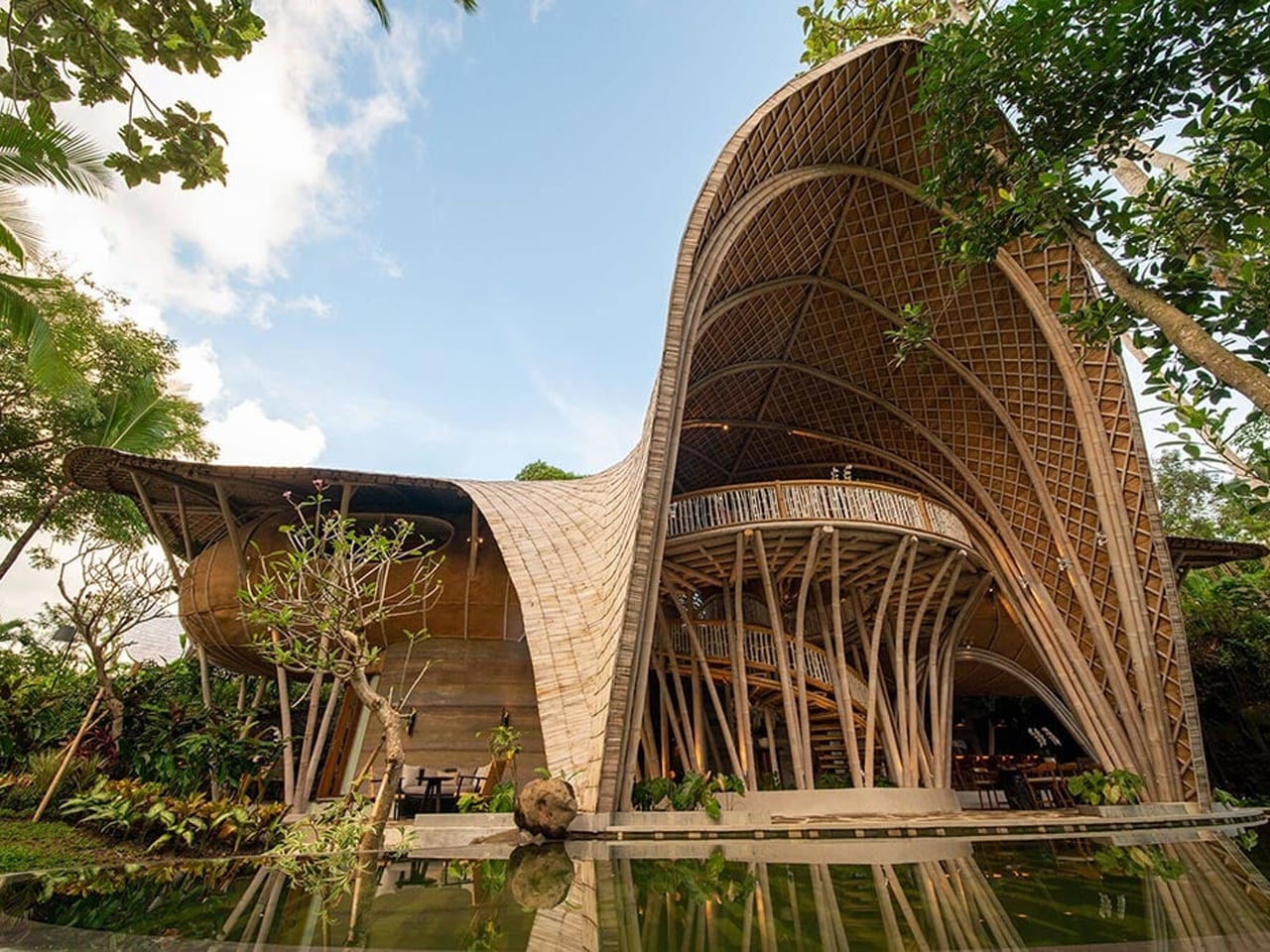
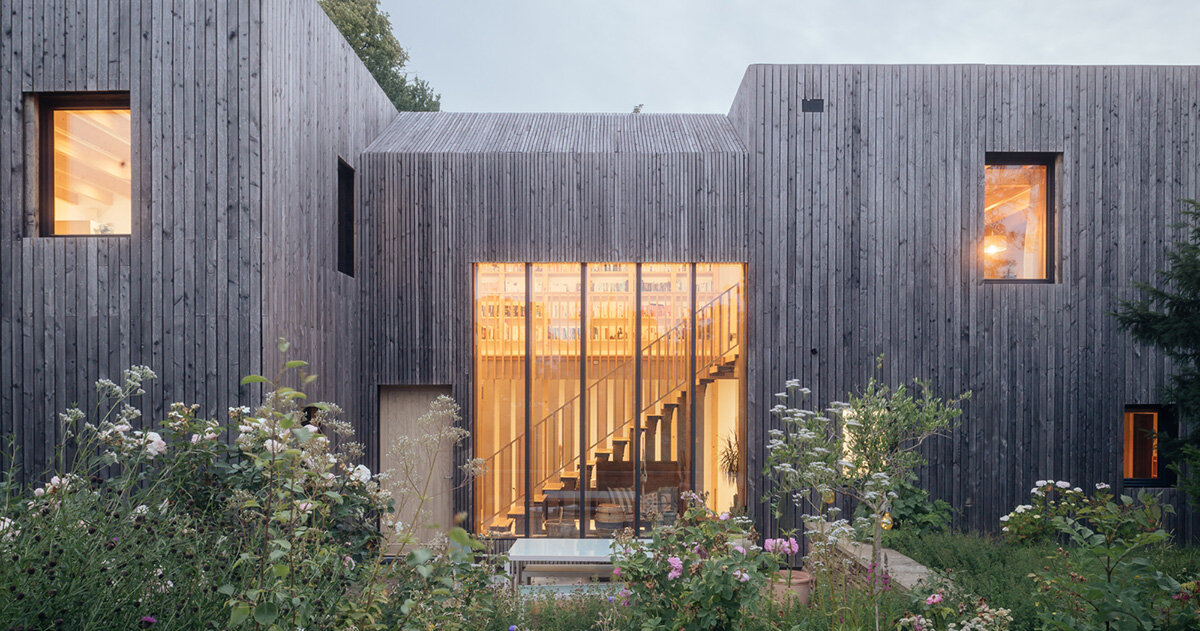
1 month agostudio bark shapes low carbon 'orchard house' as two silvery larch-clad cubes
Orchard House demonstrates sustainable architecture within England's Green Belt by combining two cubic volumes connected by a timber bridge, restoring a family orchard while meeting strict environmental planning requirements.
Environment
fromArchitectural Digest
2 months agoSustainable Architecture Is More Needed Than Ever-Here's What It Actually Means
Sustainable architecture prioritizes life-cycle performance, embodied carbon reduction, material provenance, adaptability, and long-term usefulness over superficial greenwashing.
Renovation
fromdesignboom | architecture & design magazine
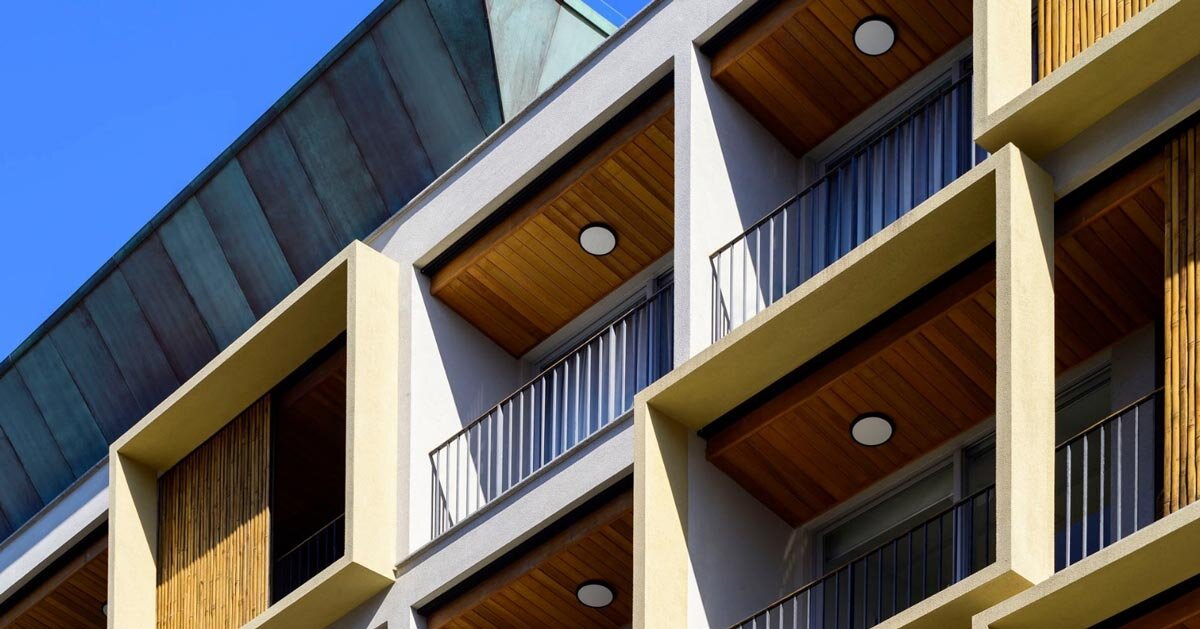
3 weeks agoperkins&will pairs bamboo with green-toned corten steel for living block's facade in brazil
Bambu Atmosfera integrates passive environmental design, native landscaping, and community spaces within a U-shaped configuration responding to tropical climate conditions in Brazil's Atlantic Forest.

fromYanko Design - Modern Industrial Design News
1 month agoThis Charity Hanger Was Made From Paper-Thin Wood Sheets - Yanko Design
Most coat hangers exist somewhere between purely functional and aggressively boring. They're the things we grab without thinking, the wire creatures that multiply mysteriously in closets, or the bulky wooden ones that restaurants seem to breed. But every so often, a design comes along that makes you stop and reconsider something as mundane as a place to hang your jacket.
Graphic design
fromArchDaily
3 weeks agoBuilding with Earth: Traditional Knowledge in Contemporary Architecture
Rather than representing a simple return to the past, this renewed interest reflects a broader reconsideration of how architecture engages with materials, local resources, and environmental conditions.
Renovation
fromdesignboom | architecture & design magazine
1 month agocan desert sand with plant-based materials be used to build houses and roads?
Researchers at the Norwegian University of Science and Technology and the University of Tokyo have made a prototype of botanical cement made of desert sand and plant-based additives in hopes that it can be used to build houses and roads. Once mixed, the team adds tiny pieces of wood together and presses them all with heat to produce the cement.
Science
fromwww.archdaily.com
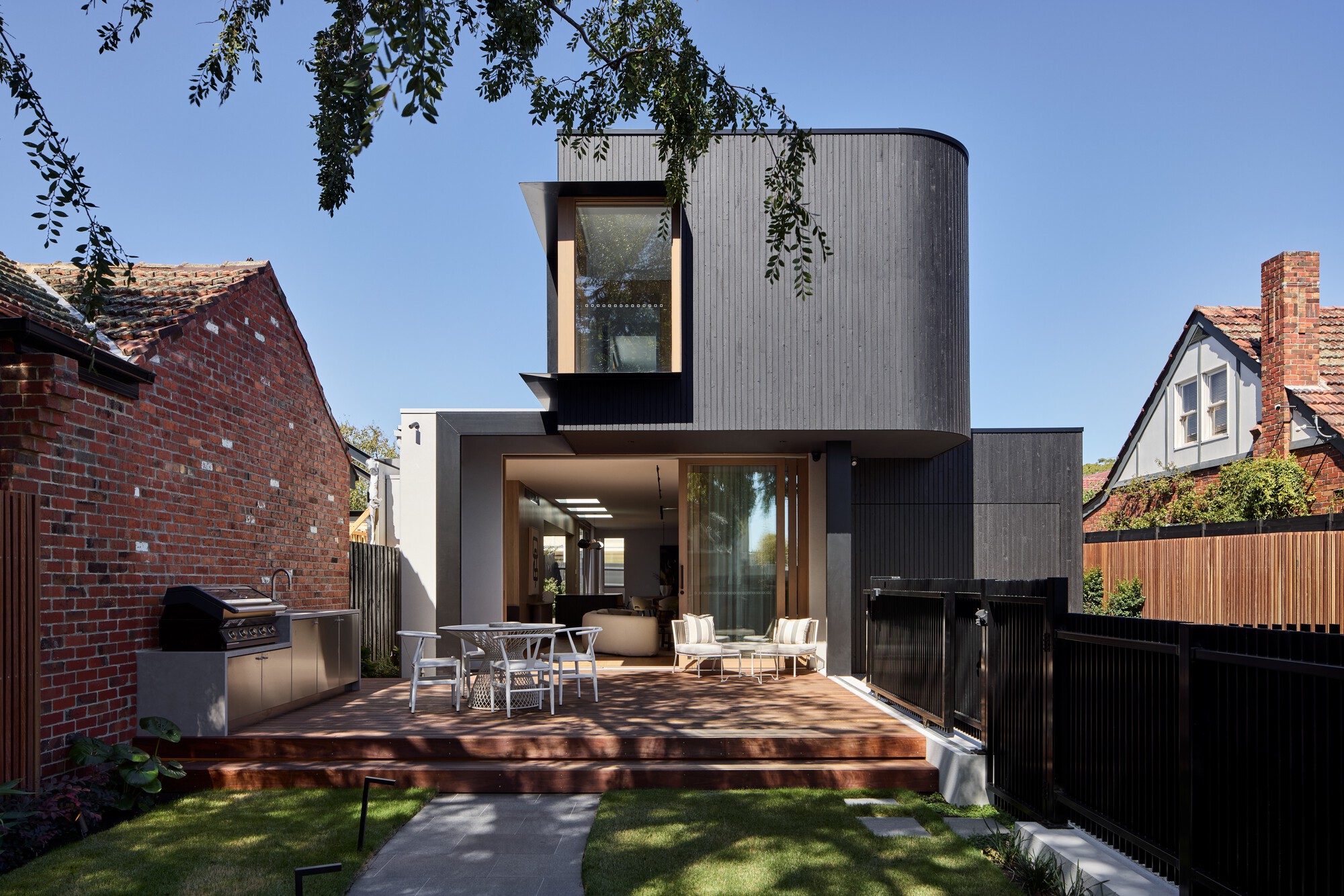
3 weeks agoWood House / JAK Architecture
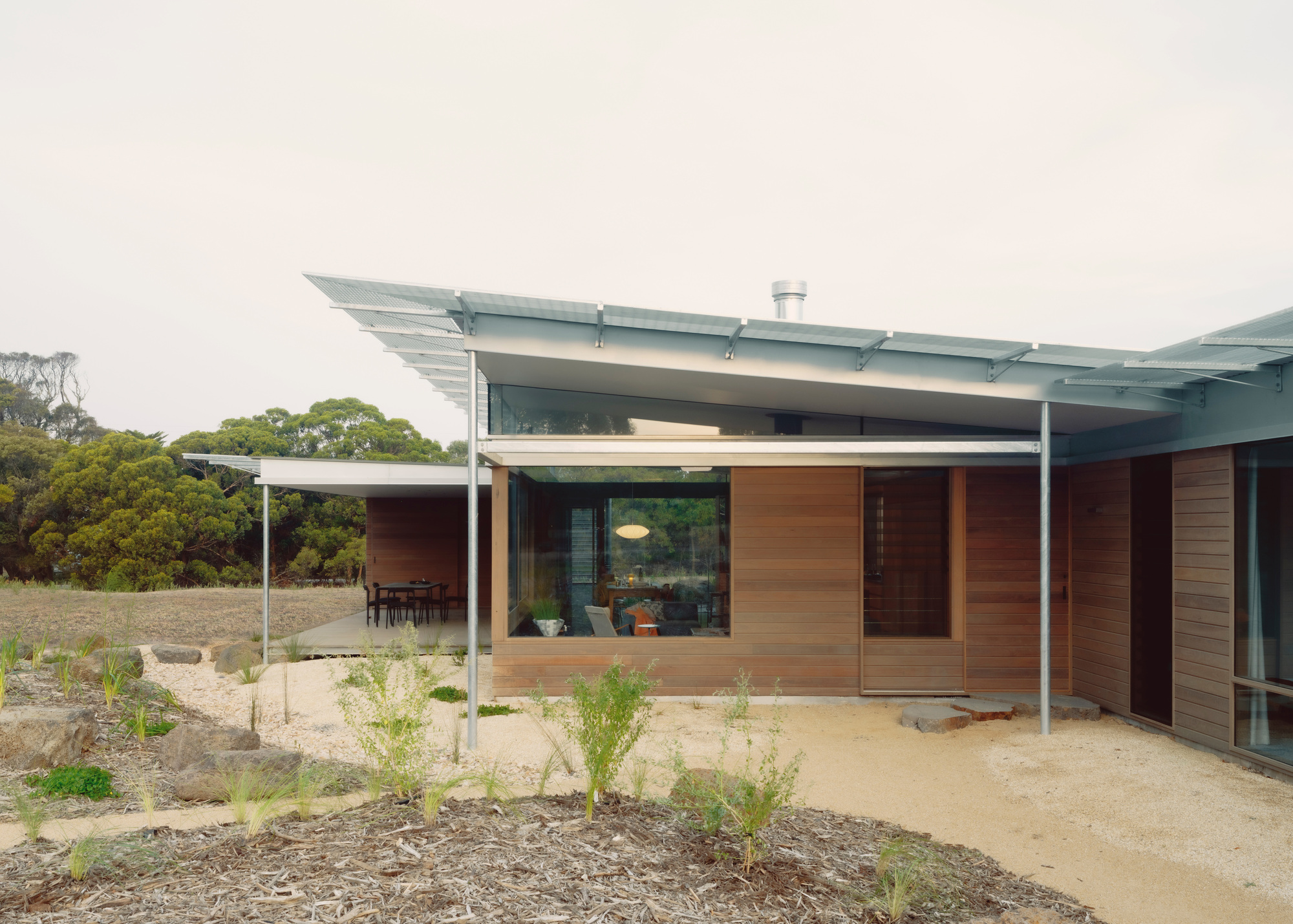
What began as a modest brief for a young and growing family soon evolved into a considered renovation that reimagines an existing Barwon Heads home. The original house had endured several unsympathetic alterations over the years, leaving it disjointed and built to a poor standard.
Renovation
Design
fromApartment Therapy
3 weeks agoDesigners Are Done Perfectly "Matching" Their Marble - Here's the New Way to Use Stone
Modern stone design in 2026 prioritizes mixing different stones intentionally with varied finishes and embracing natural patina, replacing the outdated approach of matching all stone surfaces uniformly throughout spaces.
fromBusiness Matters
2 months agoWhy Thermally Modified Timber Has Moved Into the Construction Mainstream
Thermal modification is not a new invention, but its relevance has increased as expectations around performance, sustainability, and predictability have tightened. Developers, architects, and contractors are no longer just asking whether timber looks good or performs well initially. They want to know how it behaves after ten, twenty, or thirty years, and how much risk it introduces into a project once the scaffolding is gone.
Remodel
Design
fromYanko Design - Modern Industrial Design News
3 weeks agoThis Bio-mimicking Safari Deck Is Designed to Look Exactly Like a Rhino - Yanko Design
Thilina Liyanage designs a rhino-shaped wildlife observation deck that merges biomimetic architecture with functional safari infrastructure, creating a viewing platform whose form reflects the landscape and animals it observes.
Renovation
fromLos Angeles Times
1 month agoCan fire-resistant homes be sexy? 'You be the judge,' says this Palisades architect
A Pacific Palisades architect designed a fire-resistant home with steel framing, foot-thick exterior walls, automated shutters, and advanced water and foam suppression systems after losing his previous home to wildfire.
fromInsideHook
1 month agoCould Recycled Plastic Lead to More Housing?
When you think about building a house, what materials come to mind? Brick, wood and metal all come to mind; there are also some very distinctive glass houses out there. (Even if their occupants should refrain from throwing stones - though honestly, that's a good tip for indoor living in general.) A group of MIT researchers have come up with a very different way of making buildings, and it's one that also addresses an ongoing waste issue."We've estimated that the world needs about 1 billion new homes by 2050. If we try to make that many homes using wood, we would need to clear-cut the equivalent of the Amazon rainforest three times over," explained AJ Perez, who conducts his research in the MIT Office of Innovation. The title of a paper written by Perez and his colleagues - "Design, Manufacture and Testing of Structural Trusses Using Additively Manufactured Polymer Composites" - gives a sense of the solution that they have in mind.
Environment
Design
fromdesignboom | architecture & design magazine
1 month agocompostable bicycle seat takes shape as mycelium grows around the wooden saddle
Myco Seat uses mycelium networks grown through agricultural waste to create a compostable, functional bicycle seat with a wooden saddle designed using computational mapping.
fromArchDaily
2 months agoCircular Composites: Designing for a Sustainable Future
One of the earliest large-scale examples of composite materials can be found in the Great Wall of China, where stone, clay bricks, and organic fibers such as reeds and willow branches were blended to create a resilient and lasting structure. These early techniques reveal a timeless intuition: distinct materials, when combined thoughtfully, produce properties unattainable by any single element.
Environment
Environment
fromwww.theguardian.com
1 month agoWe can learn from the old': how architects are returning to the earth to build homes for the future
Unstabilised rammed earth provides a low-carbon, locally sourced building method with thermal mass, moisture control and potential for circular construction.
fromTasting Table
2 months agoThe Eco-Friendly Countertop Material That's Surprisingly Durable - Tasting Table
It's likely that you've encountered recycled glass countertops without realizing it. They're far from the hippie-style broken-glass mosaic art of yesteryear, instead presenting as sleek, highly polished, professional slabs with intriguing bits of confetti-style color trapped inside. That's the recovered glass bits set into a binding material such as resin, cement, or concrete, and then smoothly polished so that the composite surface feels like stone.
Remodel
fromLondon Business News | Londonlovesbusiness.com
2 months agoTimber cladding in the UK: Materials, performance, and regulatory reality - London Business News | Londonlovesbusiness.com
Timber cladding has become a defining feature of contemporary construction across the UK. Once associated mainly with rural housing and architectural one-offs, it is now widely used across residential developments, commercial buildings, education projects, and urban regeneration schemes. Its appeal is often described in visual terms, but appearance alone does not explain its continued growth. Timber offers flexibility in design, a lower embodied carbon profile than many alternatives, and the ability to integrate effectively within modern wall systems when specified correctly.
Renovation
fromRemodelista
2 months agoInside a Sustainable Edinburgh Kitchen with a Rainbow of Surplus Wood Cabinets
Architecture Office founder Alexander Mackison and glass artist Juli Bolaños-Durman had something of a creative meet-cute. The two became acquainted while running a lecture series at Custom Lane, a collaborative center for designers and makers in Edinburgh, where they both have studios. They remained friendly, so Alexander eventually learned of Juli's plans to renovate an apartment nearby. "Just through casual conversations, I became integrated into the project," he remembers.
Renovation
fromArchDaily
1 month agoWhen Light Meets Energy in Glass Ceilings
From the large industrial roofs and galleries of the 19th century to the contemporary atriums of museums and public buildings, glass has been a recurring material in shaping large and monumental interior spaces. More than a technological or engineering solution, these horizontal glazed planes introduce a distinct luminous quality: light that comes from above. Unlike lateral daylight entering through façades, zenithal light is more evenly distributed, reduces harsh shadows, and lends spaces a sense of continuity and openness that is difficult to achieve otherwise.
Design
Design
fromwww.archdaily.com
2 months agoFrom Material Intelligence to Circularity: Lessons from Architecture in 2025
Architects prioritize material innovation in 2025—agricultural waste, recycled plastics, and living materials—balancing tradition, circularity, and material intelligence for resilient, low-carbon construction.
Design
fromdesignboom | architecture & design magazine
1 month agolightweight timber house in spain interlaces three raised volumes within tree canopy
A lightweight timber house steps down a steep, rocky pine-forested site using ten columns and minimal foundations to preserve trees and capture filtered sea views.
fromArchDaily
2 months agoA Responsible Addition: HIMACS Shapes Achieve SCS Certification for Recycled Content
In a balance of aesthetics, performance, and versatility, HIMACS shows a solid surface material of choice for many architects and designers. Taking a further step forward, the entire range of standard HIMACS sinks and basins is now officially SCS certified, containing a minimum of 8% pre-consumer recycled content. This certification enhances the material's technical and visual appeal by providing a more sustainable option without compromising quality or functionality.
Design
fromdesignboom | architecture & design magazine
1 month agoIAAC ecological architecture students build a shelter that helps fight wildfires in the pyrenees
Forestone Cabin is a experimental dwelling designed and built by the 2025 cohort of IAAC - Institute of Advanced Architecture of Catalonia's Master in Ecological Architecture and Advanced Construction, as part of the Bio for Piri initiative. Led by the Fundació Catalunya La Pedrera and funded by the Biodiversity Foundation with European Next Generation funds, this initiative promotes regenerative forestry and the sustainable use of local timber from Pyrenean forests, specifically in Alinyà (Lleida).
Design
[ Load more ]