#surveillance-tip
#surveillance-tip
[ follow ]
#privacy #surveillance #ai #data-privacy #cybersecurity #facial-recognition #immigration-enforcement #ice #fbi




fromTheregister
1 day agoNHS staff resist using Palantir software
One official reportedly described Palantir as 'ethically bankrupt' in justifying his refusal to use the software, and noted that he knows of coworkers who deliberately slow their work pace when forced to use the system.
EU data protection
fromWIRED
1 day agoCBP Facility Codes Sure Seem to Have Leaked Via Online Flashcards
The public Quizlet set contained information about alleged codes for specific facility entrances. 'Checkpoint doors code?' asked one card, with a specific four-digit combination listed in response.
Privacy professionals
fromComputerworld
1 day agoA core infrastructure engineer pleads guilty to federal charges in insider attack
Rhyne's attack involved unauthorized remote desktop sessions, deletion of network administrator accounts, and changing of passwords, showcasing significant security vulnerabilities.
Information security
#fbi
Privacy professionals
fromNextgov.com
1 day agoSuspected Chinese breach of FBI system exposed surveillance targets' phone numbers
A breach linked to China exposed phone numbers of FBI surveillance targets, raising concerns about counterintelligence risks.
Privacy professionals
fromSilicon Canals
1 week agoAI isn't the surveillance threat. Spreadsheets and subpoenas are - Silicon Canals
The FBI utilizes existing data aggregation methods for mass surveillance, rendering the AI debate less relevant.



fromTechCrunch
1 day agoAnthropic ramps up its political activities with a new PAC | TechCrunch
Anthropic's political activities have ramped up as the company continues to be enmeshed in a nasty legal battle with the Defense Department. The dispute erupted earlier this year over the government's use of Anthropic's AI models and what guidelines (if any) should exist for that usage.
Artificial intelligence
#data-breach
Privacy professionals
fromSilicon Canals
1 day agoA fintech app asked users for their passports - then left 360,000 files unprotected for five years - Silicon Canals
A money transfer app exposed over 360,000 sensitive files on a public server for nearly five years, including unencrypted personal documents.
fromwww.theguardian.com
4 days agoSilicon Valley city to give residents doorbells equipped with cameras
Public safety is my top priority, and this door camera initiative is about strengthening crime prevention right where it matters most at home. By equipping residents with tools and partnering closely with our Milpitas police department, we're building a stronger connection between our community and law enforcement to help deter crime and protect our neighborhoods.
Privacy technologies
Information security
fromSecuritymagazine
4 days agoThe Rising Tide of Executive Protection: Corporations Ramp Up Security in an Era of Heightened Threats
Companies are increasingly investing in executive protection due to rising threats, making it a strategic necessity for business continuity and resilience.
New York City
fromwww.amny.com
3 weeks agoOp-Ed | Mamdani must rein in mass surveillance before it's too late | amNewYork
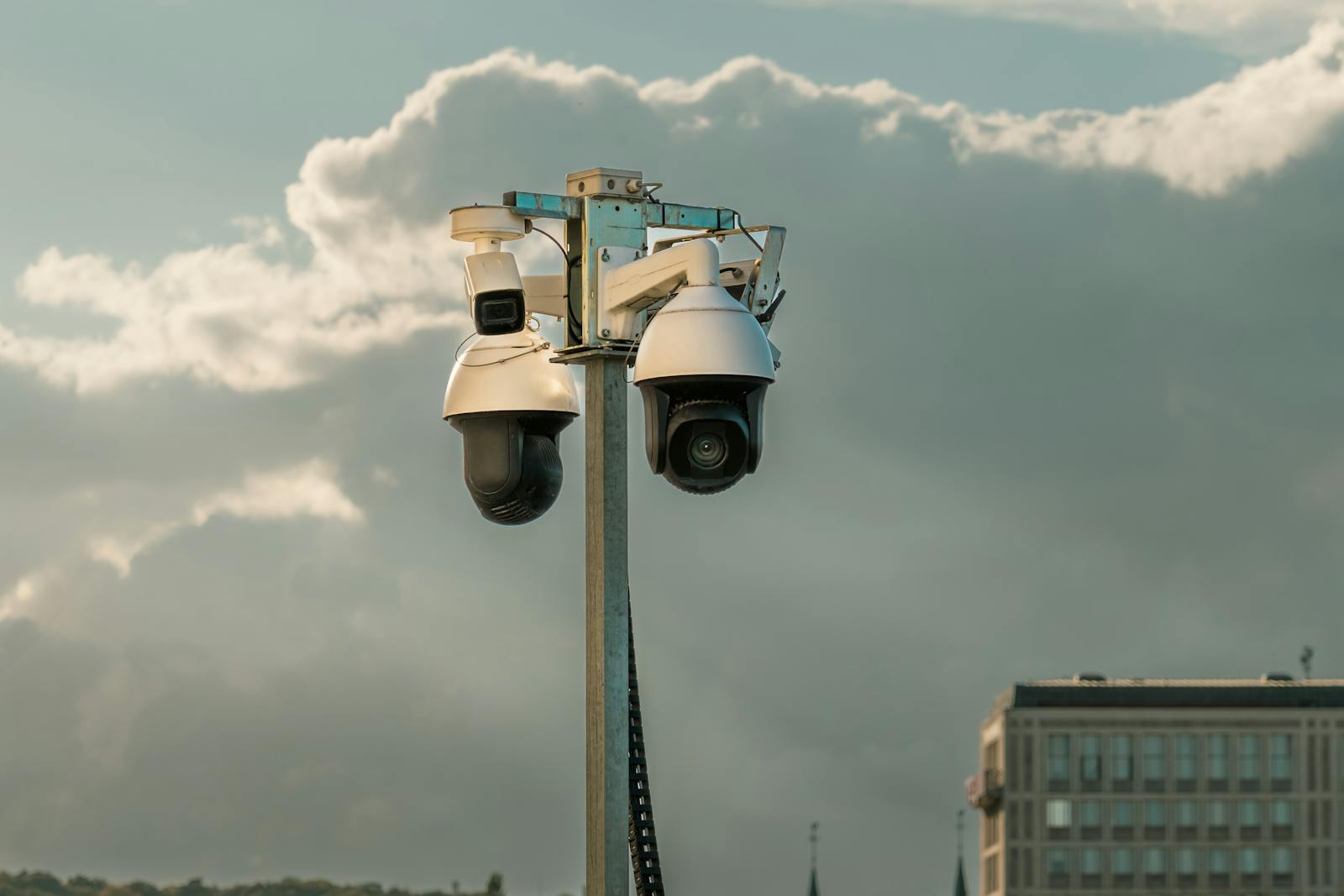
NYC's surveillance infrastructure enables systematic data sharing between agencies, facilitating ICE deportations despite judicial orders for release and creating predictable abuse patterns.


Privacy professionals
fromwww.theguardian.com
1 month agoWho is responsible for our creeping surveillance age? Chances are, it's you | Tatum Hunter
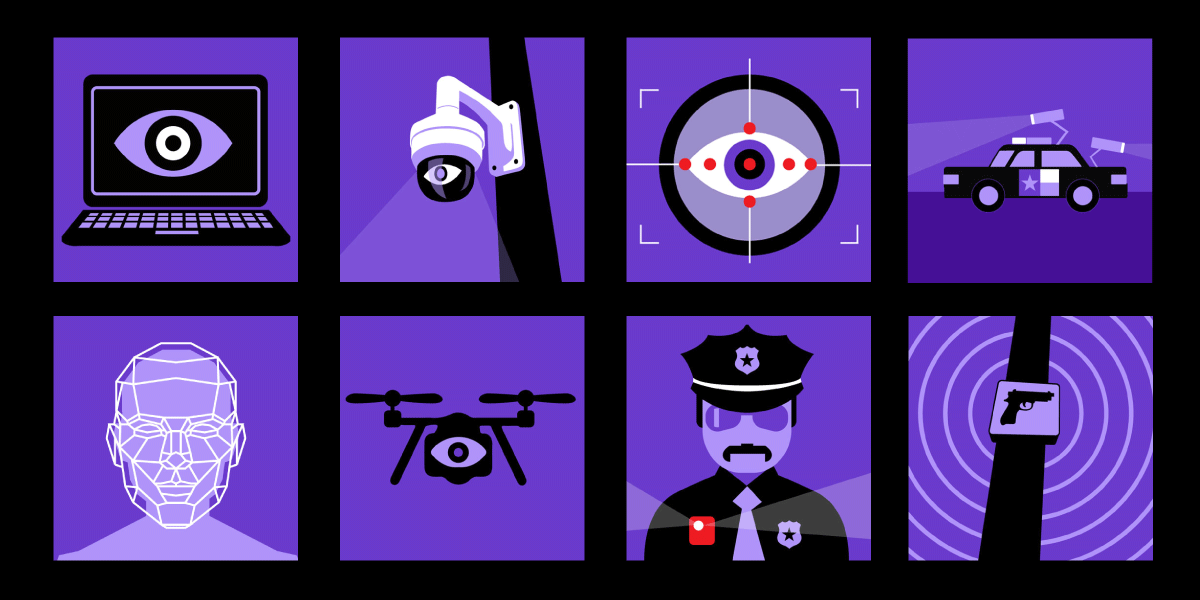
Surveillance culture, once driven by governments and corporations, now involves civilians monitoring friends, family, and strangers, reflecting widespread desensitization to invasive data collection practices.
fromElectronic Frontier Foundation
1 month agoNew Report Helps Journalists Dig Deeper Into Police Surveillance Technology
Surveillance technology vendors, federal agencies, and wealthy private donors have long helped provide local law enforcement "free" access to surveillance equipment that bypasses local oversight. The result is predictable: serious accountability gaps and data pipelines to other entities, including Immigration and Customs Enforcement (ICE), that expose millions of... SAN FRANCISCO - California must revoke permits allowing federal agencies such as Customs and Border Patrol (CBP) and the Drug Enforcement Administration (DEA) to put automated license plate readers along border highways,
Privacy technologies
fromFuturism
1 month agoCities Are Shredding Their AI Surveillance Contracts en Masse
Since the start of 2025, at least 30 cities have canceled their contracts with Flock Safety, the AI surveillance company whose CEO wants to end all crime within the decade by blanketing the country in ever-watchful security cameras. That startling figure comes courtesy of NPR, which reports that concerned activists are putting mounting pressure on cities to cut ties with the company. "We are seeing a lot more momentum," Will Freeman, a Colorado-based organizer who runs the website DeFlock.org, told the broadcaster.
Privacy professionals



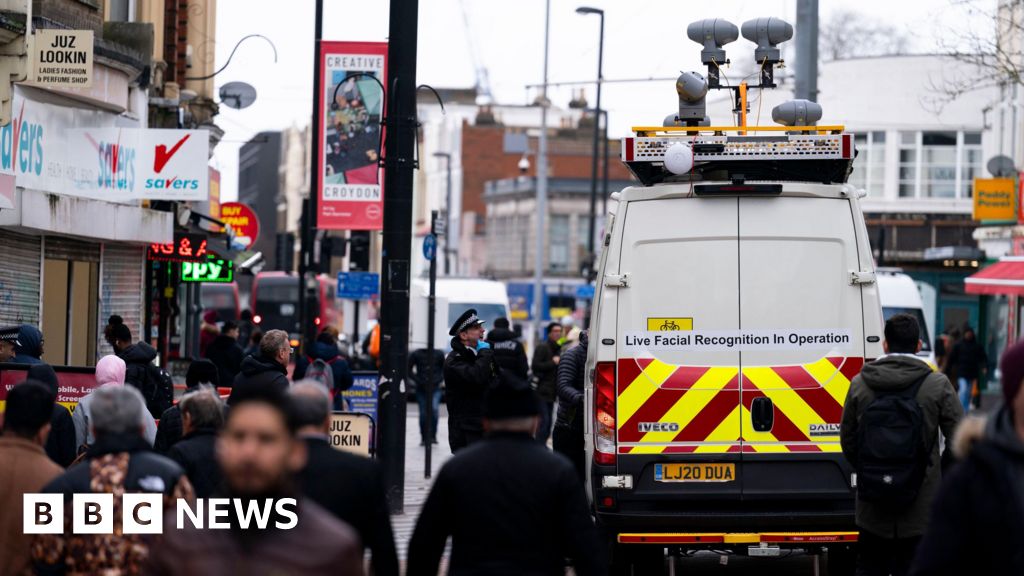
fromWIRED
1 month agoICE and CBP's Face-Recognition App Can't Actually Verify Who People Are
Mobile Fortify, now used by United States immigration agents in towns and cities across the US, is not designed to reliably identify people in the streets and was deployed without the scrutiny that has historically governed the rollout of technologies that impact people's privacy, according to records reviewed by WIRED. The Department of Homeland Security launched Mobile Fortify in the spring of 2025 to "determine or verify" the identities of individuals stopped or detained by DHS officers during federal operations, records show.
Privacy technologies
[ Load more ]