#sustainable-winemaking
#sustainable-winemaking
[ follow ]
#napa-valley #wine-industry #wine-tasting #agriculture #travel #sauvignon-blanc #wineries #winemaking
Silicon Valley food
fromTravel + Leisure
1 day agoI've Lived in California for 50 Years and This Is the Best City to Visit in Spring-With Farms, Vineyards, and Flowers
California's Central Valley offers stunning small towns and agricultural experiences, highlighted by the Almond Blossom Cruise and local farms.


#winemaking
Wine
fromABC7 San Francisco
1 month agoWoman winemaker brings life to small family-owned winery in Sonoma County
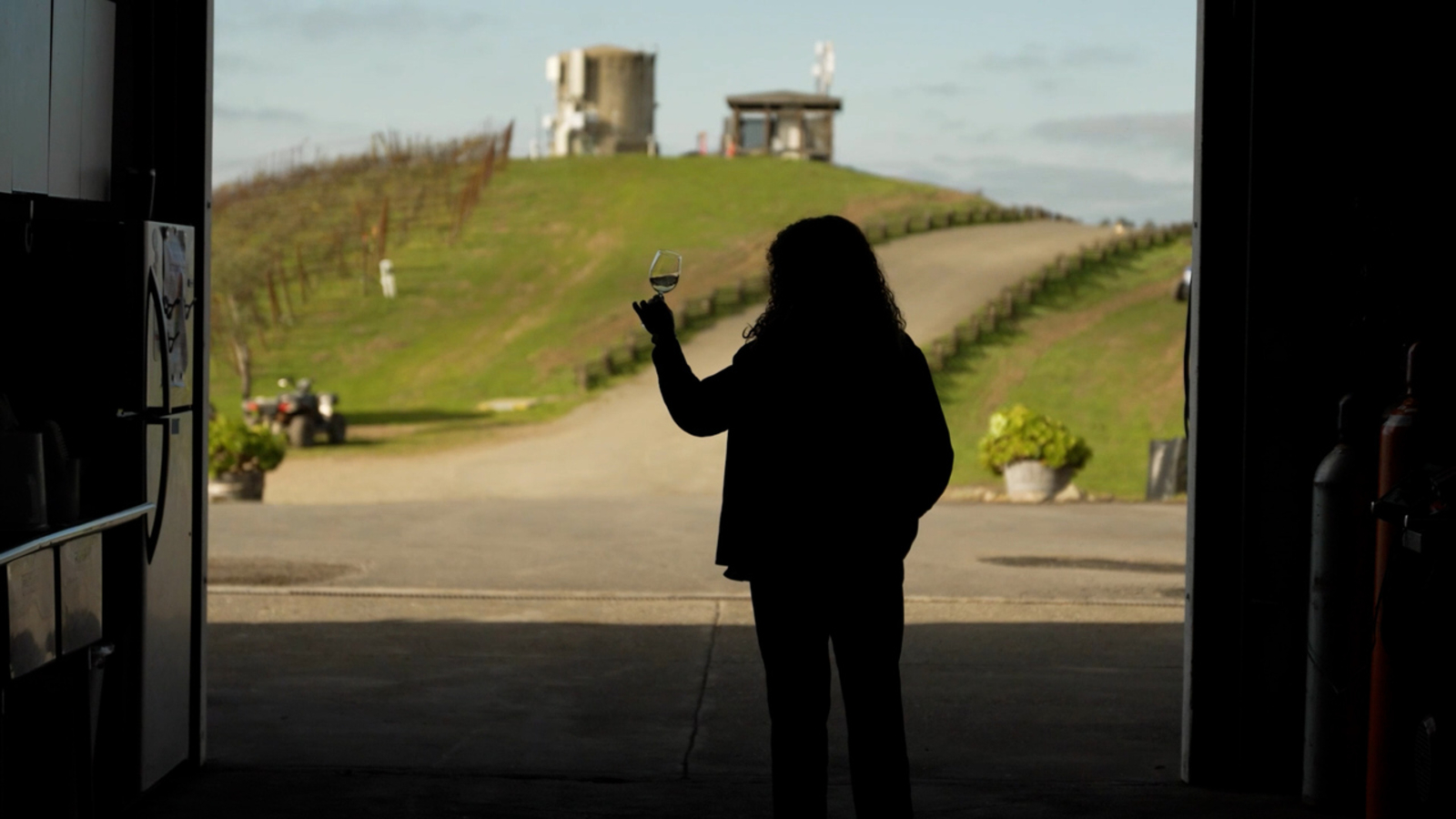
Lisa Albert, an experienced female winemaker, leads Karah Estate Vineyard in Sonoma County using sustainable practices to produce handcrafted wines while managing multiple operational roles.
Wellness
fromTravel + Leisure
3 weeks ago7 Wellness Towns in California for Peaceful Living-With Serene Nature, Farm-to-Table Food, and Scenic Views
California's smaller wellness towns offer health benefits, outdoor access, and peaceful living with diverse landscapes and year-round sunshine outside major cities.
Food & drink
fromPortland Monthly
2 weeks agoOregon Alternatives to Italian Products
Trump administration tariffs on Italian imports threaten to increase prices and availability of traditional Italian foods like pasta, olive oil, cheese, and wine, while Oregon producers offer high-quality local alternatives inspired by Italian culinary traditions.

Miscellaneous
fromCalifornia Post
1 month agoWhat crisis? Napa Valley finds unique way to fight back as wineries wither
Luxury wine experiences in California now focus on exclusive, immersive storytelling that transforms visitors into lifelong customers through private access and personal connections with winemaking families.
fromSan Francisco Bay Times
1 week agoRefresh Your Pantry With These 2025 Harvest Extra Virgin Olive Oils - San Francisco Bay Times
The more you use a good quality olive oil, the better your food will taste. Spring is the time to seek out the newest extra virgin olive oils—the current harvest from olives picked and milled in the previous fall and early winter.
Wine
California
fromCalifornia Post
1 month agoAnother California wine giant shuts site and axes staff as chaos rips across Napa Valley
Major California wine producers Jackson Family Wines and Gallo are closing facilities and laying off employees, marking the fourth winery shutdown since early 2026 in the state's wine regions.

Wine
fromdesignboom | architecture & design magazine
3 weeks agoUFO-like winery by 314 architecture studio appears half buried in greek vineyards
A circular winery in Greek vineyards merges futuristic design with natural integration, appearing as an ancient geological formation through vegetation and embedded terrain.
fromBusiness Insider
2 months agoI've visited Napa several times. It's great, but this nearby wine region stole my heart.
I've visited California wine country several times over the past couple of years, including many trips to the iconic Napa Valley. And although I definitely recommend a trip to Napa, there's another nearby wine region that I find myself returning to even more often: Sonoma. More than just the city of Sonoma, the entire county feels like its own world. With rolling vineyards, rugged beaches, and redwood forests, it offers so much more than wine alone. Here's why this region stole my heart.
California
fromPUNCH
2 months agoIt's Not Easy Being Green
the Strengthening Organic Enforcement (SOE) rules, set by the USDA, declared that importers-that's right, the firms that typically handle sales and logistics, not just the winemakers- also need to be certified organic in order for the wines to retain the label. According to a spokesperson from the USDA, the regulations are an effort to "better protect organic businesses and consumers" and "keep fraud out of the market."
Agriculture


Wine
fromElite Traveler
1 month agoInside Chile's Golden Valley Estate Crowned the World's Best Vineyard
Vik winery in Chile's Millahue Valley ranks number one globally, producing premium wines through hand-harvested grapes, native yeast fermentation, and innovative aging methods including underground clay amphorae.


fromThe Mercury News
1 month agoThis under-the-radar winery is making waves on the North Coast
Jesse Hall can't remember a time he wasn't inseparable from the sea. Born and raised in Sonoma County, Hall spent his youth surfing the Marin coast and sailing San Francisco Bay. By his early 20s, he was shaping surfboards in San Diego, where he rode the mellow waves of Pacific Beach. "Winemaking is similar to surfing in that you're living moment by moment," said Hall, founder of Seawolf Wines in Mendocino County's Yorkville Highlands.
Wine
fromwww.pressdemocrat.com
1 month agoThis under-the-radar winery is making waves on the North Coast
Jesse Hall can't remember a time he wasn't inseparable from the sea. Born and raised in Sonoma County, Hall spent his youth surfing the Marin coast and sailing San Francisco Bay. By his early 20s, he was shaping surfboards in San Diego, where he rode the mellow waves of Pacific Beach. Winemaking is similar to surfing in that you're living moment by moment, said Hall, founder of Seawolf Wines in Mendocino County's Yorkville Highlands.
Wine
Wine
fromwww.pressdemocrat.com
2 months agoSonoma County Winegrowers names new executive director, expands winery focus
Sonoma County Winegrowers reorganized to prioritize supporting local wineries; Jennifer Dieckmann named executive director while CEO Karissa Kruse pursues national partnerships and market development.
fromThe New Yorker
2 months agoCan We Save Wine from Wildfires?
According to Mike Zolnikov, who tends a couple of acres of Pinot Noir and an acre of Chardonnay on a flat, slightly soggy patch of the central Willamette Valley, in Oregon, it had been a once-in-a-decade growing season. "Not too hot, not too wet," he recalled, wistfully. "It would have been a really great year." A few hundred miles south, in California's Napa Valley, the winemaker Ashley Egelhoff, of Honig Vineyard and Winery, was feeling similarly about her Cabernet and Sauvignon Blanc.
Wine


fromSlate Magazine
2 months agoThere's One Category of Alcohol Taking the Biggest Hit of All. It Should Be the Last.
In 2025, legacy Oregon craft brewery Rogue Ales & Spirits filed for bankruptcy and shuttered operations, California uprooted 38,134 acres of wine grapes (in order to cope with overproduction and stymie future excess crops), and Jim Beam announced it would cease production of bourbon at its main distillery for the duration of 2026. An increasing push toward sobriety has flooded the market with nonalcoholic alternatives to traditional tipples.
Wine
fromSan Francisco Bay Times
2 months agoSavor Sipping a Trio of Romantic Reds - San Francisco Bay Times
Romance and renewal are on the menu now and through February. It's a time to recharge and get moving on shaping a successful 2026. But that doesn't mean you can't slow down and enjoy an evening sip after a long day, or crack open a bottle with a loved one and celebrate the moment. These unique California reds offer an opportunity to relax and toast to finding joy in the new year.
Wine
fromwww.theguardian.com
2 months agoFar from upcharged grape juice': the 13 most exciting nonalcoholic wines in the US
As an editor and writer who regularly covers the world of nonalcoholic drinks, I have tasted more than my fair share of booze-free wines. Much like with regular wine, the results have been mixed some are bitter or super sour, or even worse, smell like nothing. But I've also had the pleasure of drinking alcohol-free wines that scratched the same itch as a top-notch riesling or champagne.
Wine
fromTravel + Leisure
1 month agoI Live in California, and This Is the No. 1 Wine Region in the Country-and No, It's Not Napa
Only eight miles long by three miles wide, the small wine region established its AVA (American Viticultural Area) in 1982, just one year after Napa Valley. It's only one-tenth the size of its famous neighbor, yet the diversity in tasting rooms is impressive. You can travel from a blue Victorian house to gorgeous gardens, a vintage gas station-turned-tasting room, and even an award-winning modern architectural masterpiece all within minutes.
Wine
fromElite Traveler
1 month agoEurope's Most Famous Wine Dynasties Just Released an Ultra-Limited Case
Founded in 1992 by Miguel Torres and Robert Drouhin to promote the exchange of ideas, its members include Domaine Clarence Dillon (Château Haut-Brion), Famille Perrin (Chateau de Beaucastel) and Alsace's Famille Hugel, as well as Sassicaia makers Tenuta San Guido, the Douro's Symington family, Riesling specialists Egon Müller and Tuscany's 26 th-generation winemakers Marchesi Antinori. Earlier this week, all 12 descended on the Paris's Grand Palais for the launch of the PFV Generations Case, an ultra-limited-edition case of 12 wines - one from each family. Treats in the coffret include a 2016 Chateau Mouton Rothschild, a 2004 Vega Sicilia Unico, and a Champagne Pol Roger Sir Winston Churchill 2002 (which the house's 6 th-generation ambassador Bastien Collard de Billy was pouring on the night, and I can report tasted absolutely stellar). To sweeten the deal, each case also includes a VIP visit to every estate, some of which aren't open to the public. The case is priced at €32,000 and only a dozen have been created.
Wine
fromTasting Table
2 months ago7 Whiskey Barrel Aged Wines, Ranked - Tasting Table
Starbucks' Reserve Roasteries sell whiskey barrel-aged cold brew, some beer is aged in bourbon barrels, and wine is an obvious beneficiary of this method too. Though the practice of aging wine in bourbon barrels is contested by some consumers - naysayers say the process diminishes the flavors that come from thoughtfully growing and sourcing the grapes, thus undermining the farmers - others are staunch fans of the finished product.
Wine
[ Load more ]