#tactical-overhaul
#tactical-overhaul
[ follow ]
#military-technology #iran #military-strategy #military-doctrine #us-military #iran-conflict #drone-warfare
fromwww.mediaite.com
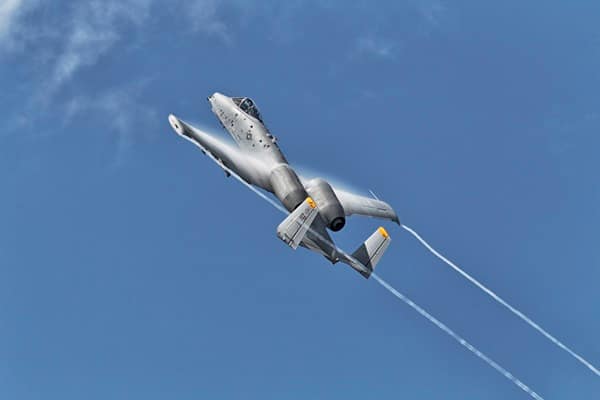
1 day agoI'm Very Worried': Former Combat Fighter Pilot Breaks Down What Happens When a Pilot Ejects Like Over Iran
My immediate response is, or thought is, you know, really thinking of the families of this, of the aircrew here. Look, I have always felt like Iran it's a very big country. It's not the same as Iraq or Afghanistan.
US politics
Russo-Ukrainian War
fromwww.businessinsider.com
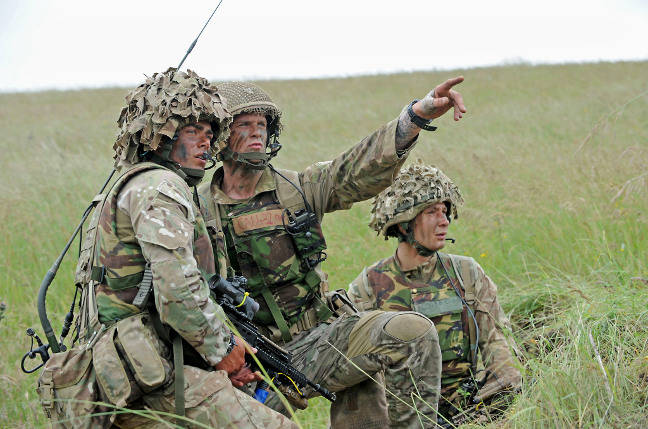
4 days agoUkrainian troops showed 'greater tactical imagination' than Western trainers, British officer says, pointing to their ambush tactics
Ukrainian soldiers demonstrate greater tactical creativity and flexibility compared to their Western trainers, particularly in ambush tactics.

fromWIRED
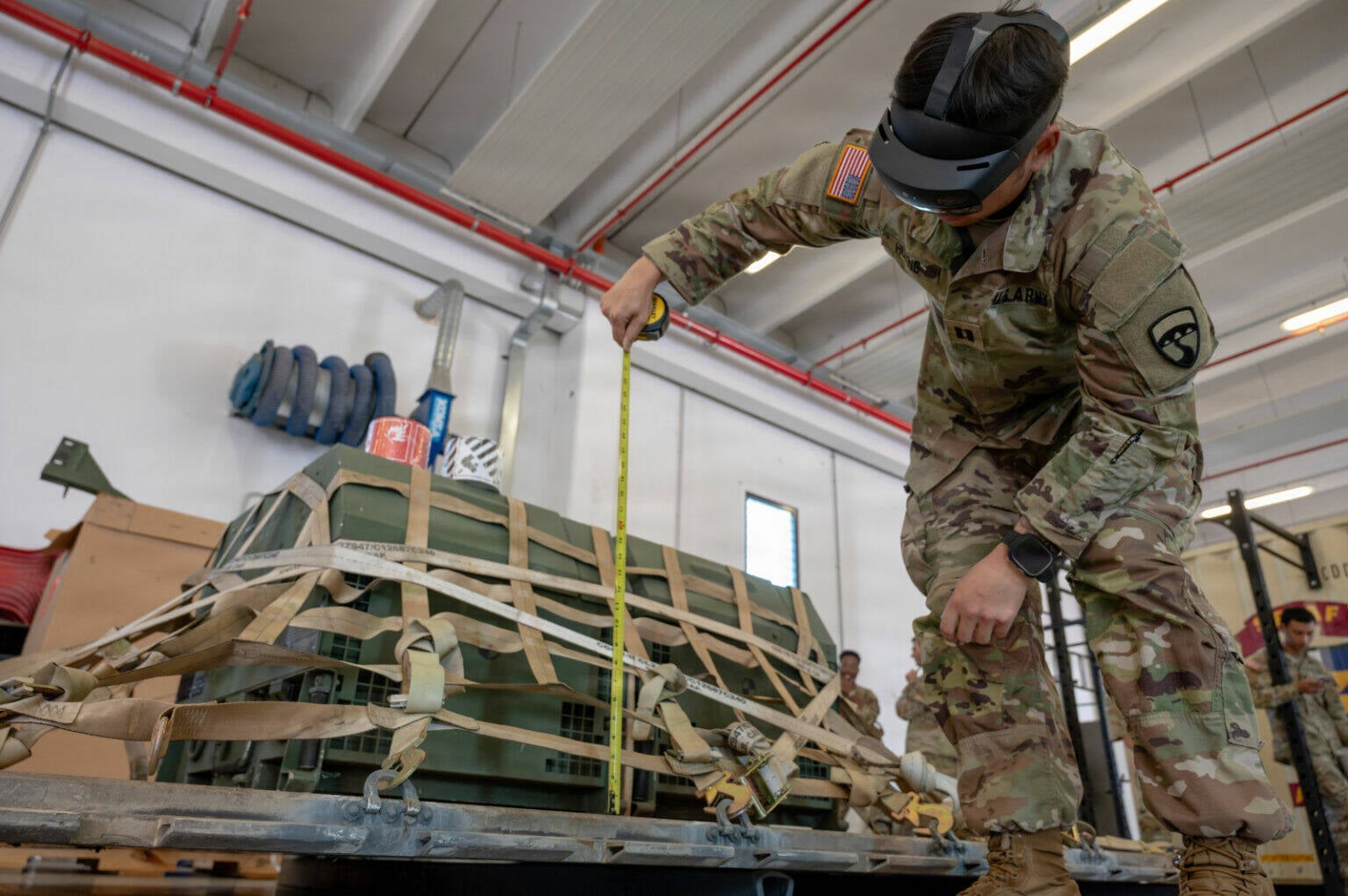
4 days agoThe US Military's GPS Software Is an $8 Billion Mess
The Space Force's formal acceptance of the ground system from RTX last year marked a turning point for OCX after years of blunders. The handover allowed military teams to validate the new control software and upgraded ground facilities before declaring the system ready for operational service.
Science
World news
fromLondon Business News | Londonlovesbusiness.com
1 day agoPentagon confirms fighter jet shot down over Iran as rescue mission underway - London Business News | Londonlovesbusiness.com
An F-15E Strike Eagle was shot down over Iran, initiating a combat search and rescue operation for its two crew members.
fromwww.businessinsider.com
2 days agoThe US is burning through expensive missiles. DARPA is looking for cheaper ones that can be built in days, not months.
"To accelerate current weapons development timelines, DARPA is considering an alternative development paradigm to increase the nation's magazine depth and breadth."
World news

History
from24/7 Wall St.
2 weeks ago25 Weapons That Changed Warfare Over the Last Century
Technological breakthroughs over the last century transformed warfare by introducing tanks, missiles, stealth aircraft, and precision-guided weapons that forced armies to continuously adapt tactics and reshape military doctrine globally.

from24/7 Wall St.
3 weeks agoThe Warplanes and Ordinance That Carried Out Operation Epic Fury
Air campaigns today are built around cooperation between many different aircraft, each performing a specific task. Stealth fighters lead the way into contested airspace, electronic warfare aircraft disrupt enemy radar, and bombers or strike fighters deliver precision weapons. Supporting aircraft provide intelligence, command and control, and the fuel needed to keep the entire operation moving.
Roam Research
Information security
fromThe Cipher Brief
3 weeks agoThe Drone War's Real Problem Isn't Technology - It's Speed
Defense acquisition reforms implement recommended changes but fail to address the fundamental cycle-time gap between rapidly evolving adversary capabilities and the military's ability to deploy countermeasures.
fromemptywheel
3 weeks agoGreat Tactics Mean Nothing if You Have No Strategy - emptywheel
The conduct of War is, therefore, the formation and conduct of the fighting. If this fighting was a single act, there would be no necessity for any further subdivision, but the fight is composed of a greater or less number of single acts, complete in themselves, which we call combats, as we have shown in the first chapter of the first book, and which form new units.
US politics
Intellectual property law
fromwww.theguardian.com
4 weeks agoWhat does the US military's feud with Anthropic mean for AI used in war?
Anthropic's refusal to allow Claude AI for domestic mass surveillance and autonomous weapons has triggered a Pentagon supply chain risk designation, highlighting tensions between tech company safety values and military demands.
fromBusiness Insider
1 month agoThere's a new US Army office 'getting in the dirt' with soldiers and trying to quickly turn their ideas into real battlefield tech
Number one is speed takes priority over perfection. We can iterate to get to operational capability. And the second is that early soldier feedback is critical in order to make sure we're getting the right technology for the future fight, and then we want to be able to prove the demand signal before we spend big dollars on programs.
US news
fromThe Cipher Brief
3 weeks agoThe Future of War Is Now: What Washington Needs to Hear from the Battlefield
I have been working in Ukraine since 2019, first as an active Green Beret advising in an official capacity, then after leaving that service, directing special operations on the ground and more recently carrying hard-won lessons back to NATO before they are forgotten or overtaken by the next news cycle.
Washington DC
fromenglish.elpais.com
4 weeks agoDoes the United States have enough munition for a prolonged war?
We've got no shortage of munitions. Our stockpiles of defensive and offensive weapons allow us to sustain this campaign as long as we need. Iran is hoping that we cannot sustain this, which is a really bad miscalculation.
US politics
World politics
fromBusiness Insider
1 month agoThe war with Iran is more evidence that winning the fights you can't see is critical in modern combat
US military operations increasingly rely on space and cyber forces to disrupt enemy capabilities before kinetic strikes, making non-kinetic warfare critical to modern combat effectiveness.
World politics
fromBusiness Insider
1 month agoUsed by Iran, Russia, and now the US, the cheap Shahed is reshaping modern war
The Shahed drone, an inexpensive Iranian-designed weapon, has become a defining weapon of modern conflict, adopted and copied by Russia and the United States, fundamentally changing warfare tactics and defense strategies.
fromInfoWorld
2 months agoStop treating force multiplication as a side gig. Make it intentional
Lead without authority. You may not have direct reports, yet you shape architecture, quality and the roadmap. Your leverage comes from artifacts, reviews and clear standards, not from title.I started by publishing a lightweight architecture template and a rollout checklist that the team could copy. That reduced ambiguity during design and cut review cycles by nearly 30 percent
DevOps
World news
fromBusiness Insider
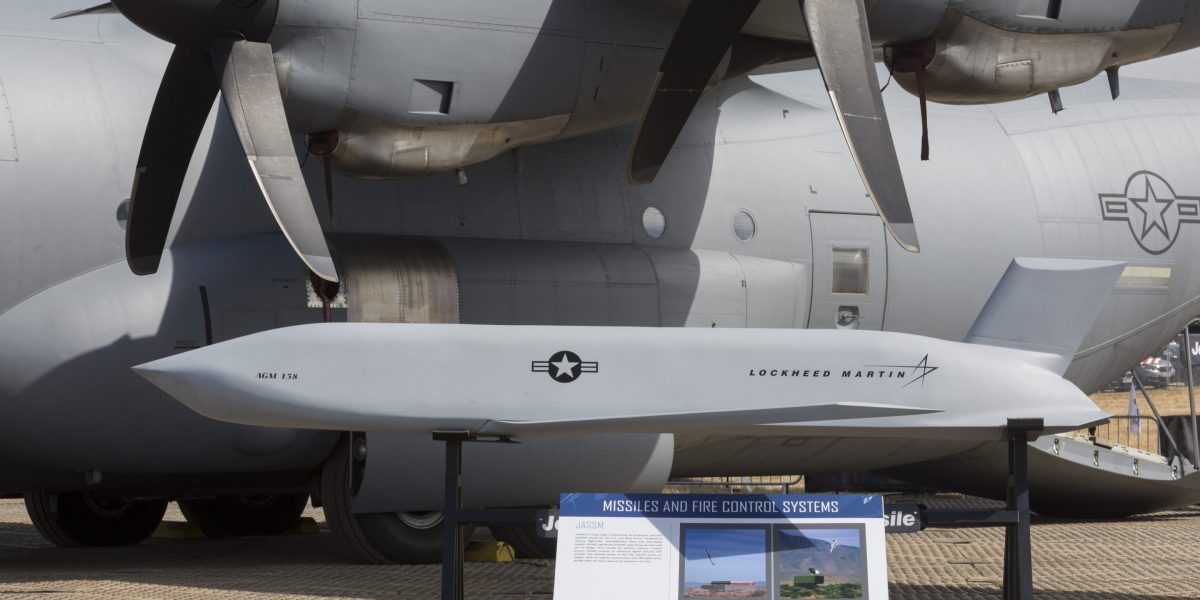
1 month agoThe US burned through more of its limited Tomahawk stockpile in strikes on Iran. It might need them in a war with China.
US Navy Tomahawk missile strikes on Iran deplete limited stockpiles needed for potential conflicts with China, prompting Pentagon efforts to increase annual production to over 1,000 missiles.
US politics
fromNextgov.com
1 month agoIt would take the Pentagon months to replace Anthropic's AI tools: sources
The Pentagon threatens to blacklist Anthropic's Claude AI if the company refuses to remove restrictions on mass surveillance and autonomous weapons use, potentially delaying military access to advanced AI tools for months.
fromThe American Conservative
2 months agoCommander-in-Tired
Though the 83-year-old (who will turn 84 in two weeks) is rarely spotted in the Capitol these days, his vocal opposition to President Donald Trump on a myriad of issues is louder and more present than ever when deemed useful for the motivated liberal press. For instance, McConnell was quoted far and wide last month after he criticized Trump's desire to acquire Greenland, a move the Kentuckian suggested would "incinerate" the threadbare alliance that remains between the United States and NATO.
Right-wing politics
fromBusiness Insider
2 months agoNATO soldiers say they can't let their guns get too warm if they want them to work on frozen battlefields
It's anything but easy to keep guns, drones, and other equipment in the right conditions far above the Arctic Circle, where temperatures routinely drop below 0 degrees Fahrenheit, and the heavy snow brings unwanted moisture that can cause jamming and other problems. NATO military personnel training in northern Finland told Business Insider during a visit to the region in late January that they can't afford to let their guns get too warm if they want them to work in this climate.
Miscellaneous
from24/7 Wall St.
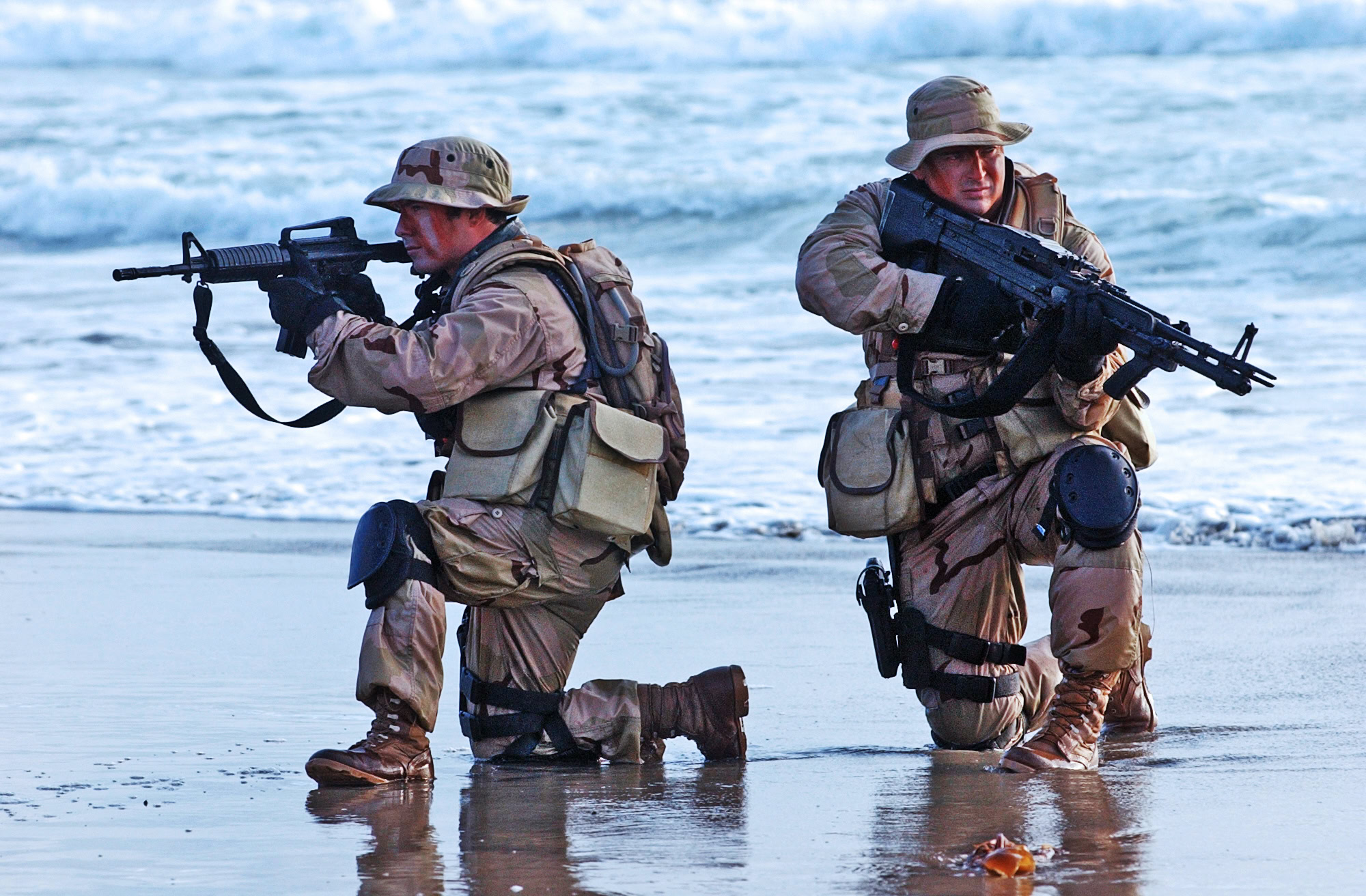
2 months agoHow Precision Sniper Technology Reduced the Need for Massed Infantry
Infantry once relied on numbers to solve uncertainty. When soldiers could not see or hit targets precisely, the answer was more troops and more fire. Sniper technologies quietly overturned that logic. By extending range, improving accuracy, and increasing awareness, they allowed small teams to dominate space once controlled only by massed formations. Precision replaced presence, and patience became a battlefield advantage. Here, 24/7 Wall St. is taking a look at the sniper technologies that totally changed the game.
Science
from24/7 Wall St.
2 months agoMilitary Aircraft That Only Succeeded Because of Their Skilled Crews
Some aircraft succeeded even though they made life harder for the people flying them. They demanded constant attention, punished mistakes, and left little margin for error. Instead of relying on forgiving design, these platforms forced crews to compensate through skill, planning, and coordination. Over time, combat proved that the human element was the decisive factor behind their success. Here, 24/7 Wall St. is taking a closer look at these aircraft that embodied the human factor.
History
from24/7 Wall St.
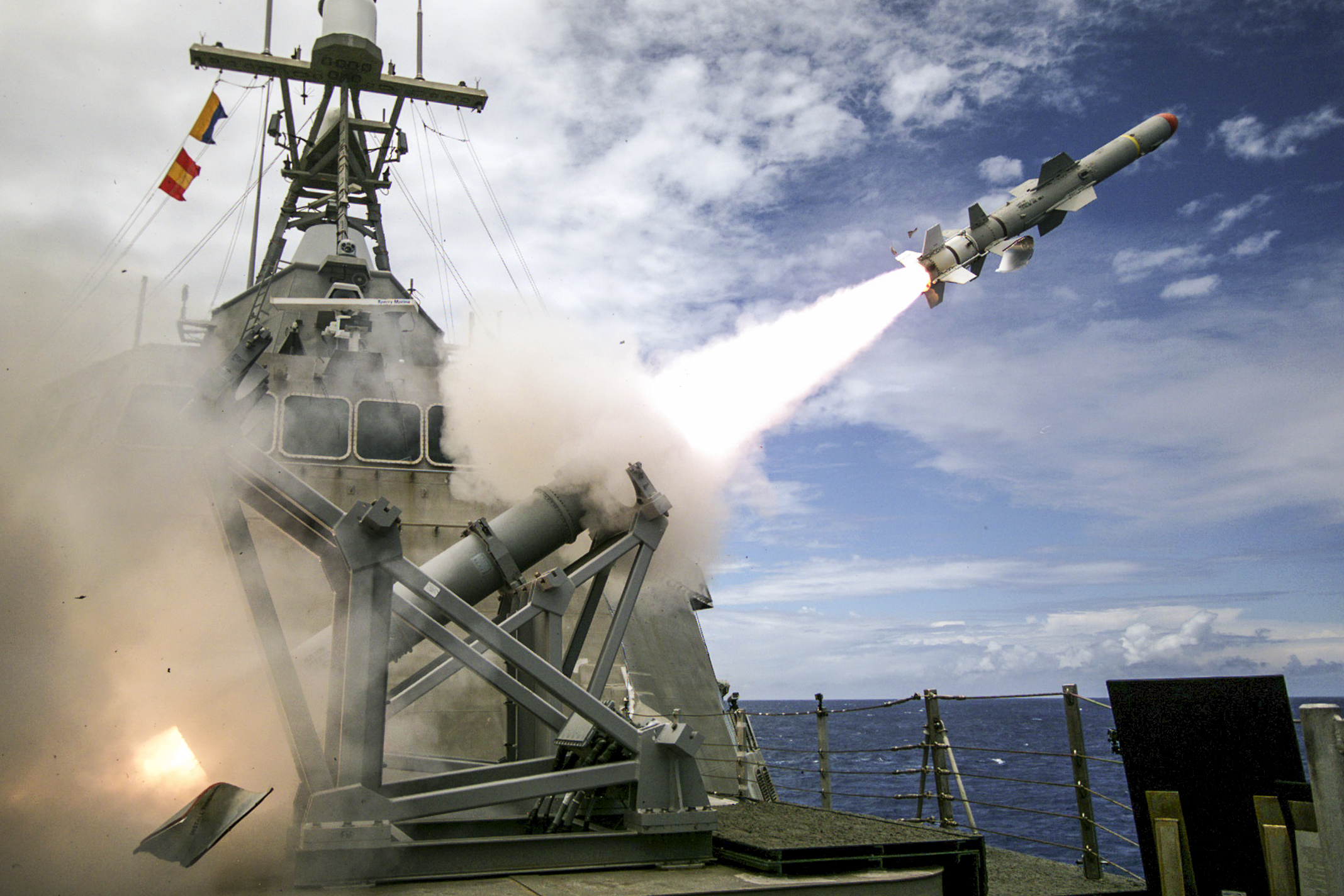
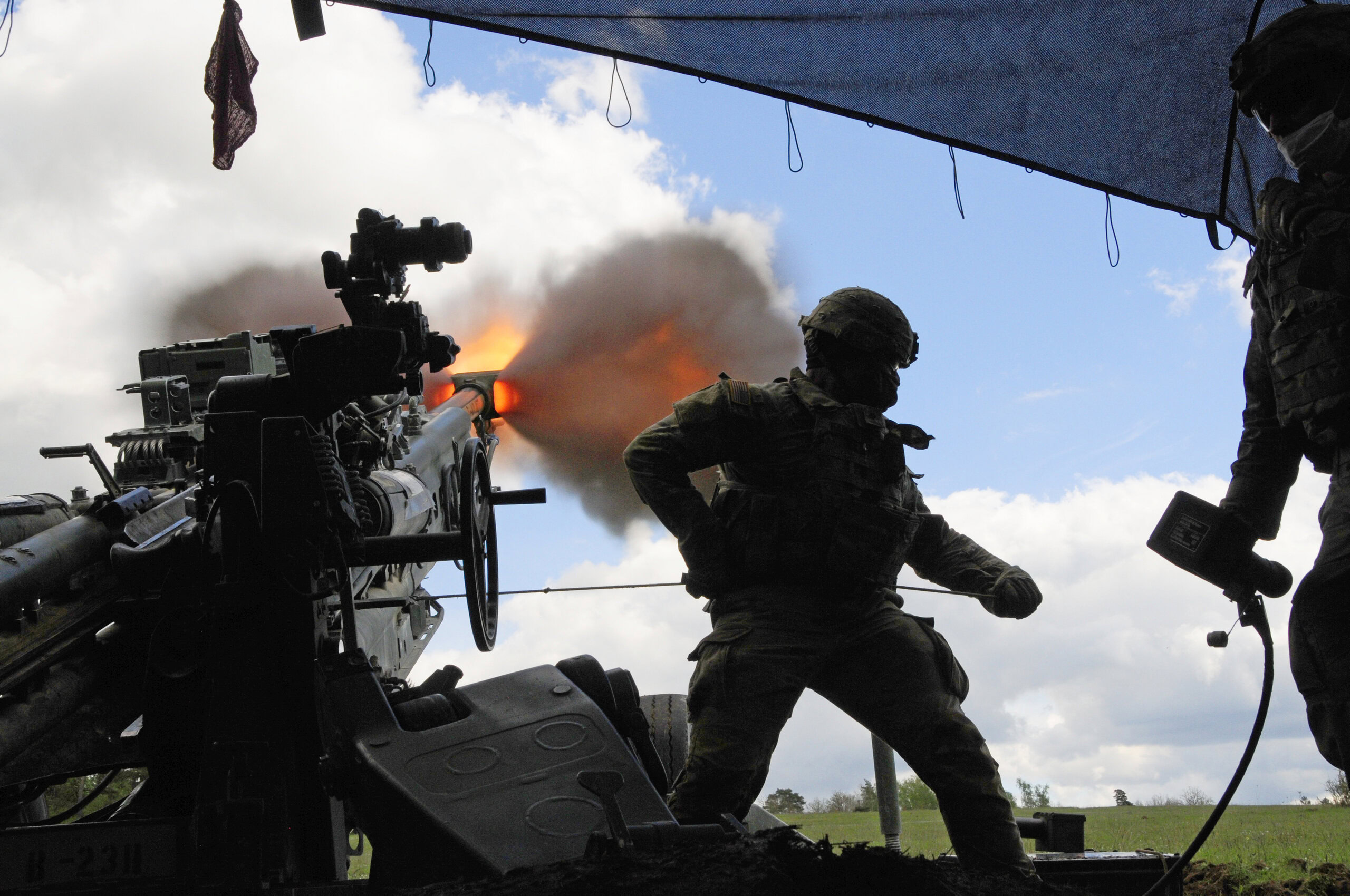
2 months agoWeapons That Performed Well Except For Desert, Jungle, or Arctic Conditions
On paper, many of the world's most famous weapons looked like reliable successes. In practice, desert sand, jungle humidity, and arctic cold often had other ideas. Systems that performed well in testing or early combat sometimes broke down once environmental stress became unavoidable. Here, 24/7 Wall St. is taking a closer look at how the environment, not enemy fire, can quietly expose limits that designers never fully anticipated.
World news
Artificial intelligence
fromBusiness Insider
1 month agoUS Army leaders say soldiers are drowning in so much battlefield data that AI is needed to make sense of it all
Army AI prototype processes vast battlefield sensor data, retaining context and patterns humans miss, to reduce information overload and improve decision-making.
from24/7 Wall St.
2 months agoThe Sniper Systems That Performed Better in Combat Than Anyone Predicted
Snipers often discover a weapon's true potential only after it leaves the range and enters combat. Dust, cold, heat, and chaos expose weaknesses, but sometimes they reveal strengths no one planned for. Across multiple wars, certain sniper systems proved tougher, more accurate, and more versatile than expected, allowing operators to push ranges and missions far beyond the original design brief. Here, 24/7 Wall St. is taking a closer look at sniper systems that exceeded expectations in combat.
History
from24/7 Wall St.
2 months agoWeapons That Became Liability Issues Instead of Force Multipliers
Military weapons are designed to give commanders an advantage, but that advantage is rarely permanent. Systems that once multiplied combat power can become burdens as threats evolve, environments shift, and missions change.Some weapons begin to demand more protection, maintenance, or political consideration than the value they provide. Here, 24/7 Wall St. is taking a closer look at the weapons that became liability issues instead of force multipliers.
Science
from24/7 Wall St.
2 months agoThe U.S. Military's Most Expensive Weapons to Maintain
For some weapons, the hardest fight wasn't against the enemy, in fact it was more so against wear and time. Advanced technology has delivered decisive advantages but in some cases has imposed relentless upkeep on crews and logistics chains. Here, 24/7 Wall St. is taking a closer look at how these systems became a maintenance nightmare for the U.S. Military.
US news
fromBusiness Insider
1 month agoUS Army hopes AI can slash troops' paperwork burden
The US Army's biggest AI gamble may not be on autonomous weapons, but instead whether Silicon Valley software can tackle the service's most tedious and, more often than not, grueling administrative jobs. Think less uncrewed aircraft and more behind-the-scenes tasks like recruiting, equipment maintenance, and endless gear inventories. Through a mix of new tools, redesigned workflows, and data integration, logisticians
Artificial intelligence
US politics
fromNextgov.com
2 months agoThe revolutionary new weapon in the Pentagon's pocket - and why it matters now more than ever
Transforming Pentagon acquisition processes to remove administrative burdens will enable U.S. companies to deliver cutting-edge military capabilities faster, producing a decisive battlefield advantage.
Artificial intelligence
fromBusiness Insider
1 month agoUS Army leaders say soldiers are drowning in so much battlefield data that AI is needed to make sense of it all
The US Army is developing AI to process and contextualize overwhelming battlefield sensor data faster and more reliably than humans; it is in beta testing.
fromBusiness Insider
1 month agoKeeping top combat aircraft flying is expected to only get more expensive
The cost for the US and other militaries to keep newer combat aircraft ready to fly is going to soar in the coming years, a new report on sustainment trends argues. A new report from the American consulting firm Oliver Wyman projects global military aircraft spending over the next decade, including an annual sustainment cost growth of 1.1% through 2036. That's a pace roughly 11 times faster than the previous decade.
World news
fromNextgov.com
2 months agoDOD's AI acceleration strategy
According to the Secretary of Defense Pete Hegseth's memorandum on the Strategy, this AI-first status is to be achieved through four broad aims: Incentivizing internal DOD experimentation with AI models. Identifying and eliminating bureaucratic obstacles in the way of model integration. Focusing the U.S.'s military investment to shore up the U.S.'s "asymmetric advantages" in areas including AI computing, model innovation, entrepreneurial dynamism, capital markets, and operational data.
Artificial intelligence
[ Load more ]