#tactical-vehicle
#tactical-vehicle
[ follow ]
#military-technology #defense-spending #defense-contractors #defense-contracting #defense-acquisition

European startups
fromwww.businessinsider.com
1 week agoThe US military is pushing up production for the weapons that could matter most in a major war
The Department of Defense is increasing production of critical weapons, including THAAD interceptors, to meet rising demand and address stockpile concerns.
fromThe Verge
1 week agoJohn Deere, Garmin, and Philips may have undermined military right to repair
Companies such as John Deere, Garmin, and Philips have collectively spent millions on lobbying efforts related to the National Defense Authorization Act, particularly concerning repair issues.
SF politics
fromwww.businessinsider.com
2 days agoThe US is burning through expensive missiles. DARPA is looking for cheaper ones that can be built in days, not months.
"To accelerate current weapons development timelines, DARPA is considering an alternative development paradigm to increase the nation's magazine depth and breadth."
World news
fromYanko Design - Modern Industrial Design News
2 weeks agoThis Brutalist Overland Trailer Turns Your RAM TRX Into Something That Belongs on a Military Base - Yanko Design
GEHOcab's EDGE Explorer Trail looks less like something you'd find at an RV dealership and more like a structure designed for a remote research outpost, all hard facets, dark charcoal caps, and angular geometry that refuses to apologize for its size. The two-tone silver and black body reads almost monumental, and parked next to a RAM TRX or an F-150, it turns the truck into something closer to a tactical vehicle than family transportation.
Cars
fromNextgov.com
2 weeks agoArmy, Anduril enter into new $20B enterprise agreement
The modern battlefield is increasingly defined by software. To maintain our advantage, we must be able to acquire and deploy software capabilities with speed and efficiency. Enterprise contracts are a key part of our modernization strategy, allowing us to consolidate software agreements, eliminate redundancies, and accelerate the delivery of critical tools.
DevOps
History
from24/7 Wall St.
2 weeks ago25 Weapons That Changed Warfare Over the Last Century
Technological breakthroughs over the last century transformed warfare by introducing tanks, missiles, stealth aircraft, and precision-guided weapons that forced armies to continuously adapt tactics and reshape military doctrine globally.
Business
from24/7 Wall St.
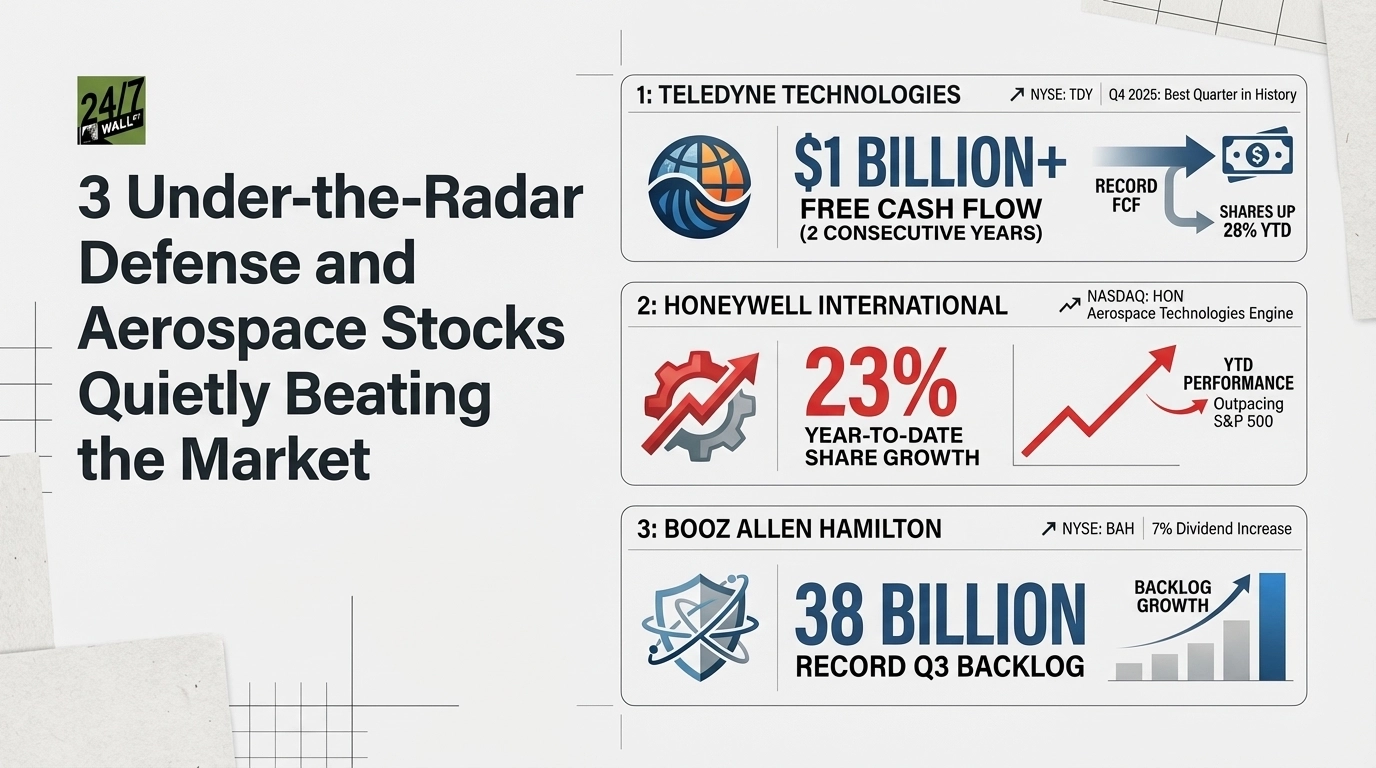
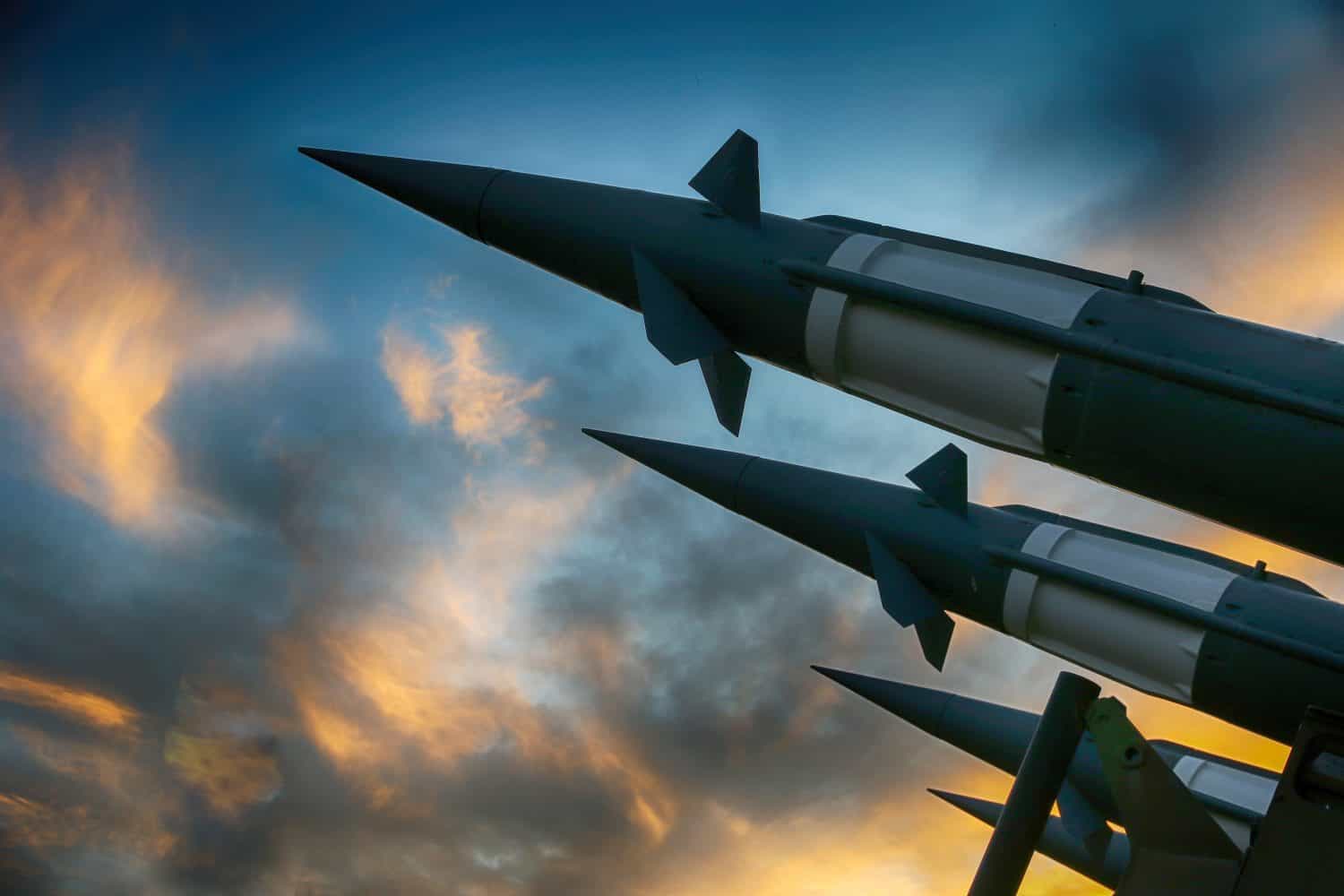
2 weeks agoDefense Stocks Are Surging and This ETF Lets You Collect Dividends From the Global Arms Race
ITA's defense sector ETF maintains reliable distributions backed by 20 years of consistent quarterly payouts, including through COVID, with growing annual distributions driven by underlying company dividend growth.
Washington DC
fromFast Company
3 weeks agoThe Defense Department's end-of-year spending spree included over $60k on Herman Miller chairs
The Department of Defense spent a record $93 billion in September on a fiscal year-end spending spree, including $60,719 on Herman Miller furniture, reflecting a systemic use-it-or-lose-it budgeting practice.
#defense-spending

Business
from24/7 Wall St.
3 weeks ago3 Defense Stocks Built for the New Era of National Security Spending
Defense spending is shifting structurally, with investors identifying companies positioned to capture the next decade of growth through diversified funds, nuclear propulsion specialists, and emerging defense technology providers.
Business
from24/7 Wall St.
3 weeks ago3 Defense Stocks Built for the New Era of National Security Spending
Defense spending is shifting structurally, with investors identifying companies positioned to capture the next decade of growth through diversified funds, nuclear propulsion specialists, and emerging defense technology providers.
fromwww.aljazeera.com
3 weeks agoHow corporations have collaborated with US military over the decades
Our war fighters are leveraging a variety of advanced AI tools. These systems help us sift through vast amounts of data in seconds so our leaders can cut through the noise and make smarter decisions faster than the enemy can react. Humans will always make final decisions on what to shoot and what not to shoot and when to shoot, but advanced AI tools can turn processes that used to take hours and sometimes even days into seconds.
Artificial intelligence
World politics
fromwww.aljazeera.com
3 weeks agoWhich US and Israeli military companies are profiting from the Iran war?
US defence companies agreed to quadruple weapons production following a White House meeting, with major contractors benefiting from increased military spending and substantial order backlogs.
#defense-contracting
European startups
fromTechCrunch
3 weeks agoUS Army announces contract with Anduril worth up to $20B | TechCrunch
The U.S. Army signed a 10-year, up-to-$20 billion contract with defense tech startup Anduril to consolidate over 120 separate procurement actions for hardware, software, infrastructure, and services.
Business
from24/7 Wall St.
3 weeks agoLockheed Martin vs. L3Harris: Which Defense Giant Belongs in Your Portfolio?
Lockheed Martin recovered strongly in Q4 2025 with surging cash flow and missile production, while L3Harris delivered consistent organic growth and record orders, presenting contrasting investment profiles in defense contracting.

European startups
fromTechCrunch
3 weeks agoUS Army announces contract with Anduril worth up to $20B | TechCrunch
The U.S. Army signed a 10-year, up-to-$20 billion contract with defense tech startup Anduril to consolidate over 120 separate procurement actions for hardware, software, infrastructure, and services.
Business
from24/7 Wall St.
3 weeks agoLockheed Martin vs. L3Harris: Which Defense Giant Belongs in Your Portfolio?
Lockheed Martin recovered strongly in Q4 2025 with surging cash flow and missile production, while L3Harris delivered consistent organic growth and record orders, presenting contrasting investment profiles in defense contracting.

#ai-regulation


Artificial intelligence
fromThe Verge
1 month agoThe Pentagon formally labels Anthropic a supply-chain risk
The Defense Department formally designated Anthropic a 'supply-chain risk,' barring defense contractors from using Claude AI in government work over disputes regarding autonomous weapons and mass surveillance policies.
Russo-Ukrainian War
fromBusiness Insider
3 weeks agoThe US Army wants to see if it can get robots to rescue wounded troops like they're doing in Ukraine
The US Army is testing ground robots to evacuate wounded soldiers in high-intensity combat, reducing risk to medical personnel and troops during dangerous battlefield movements.
World news
fromwww.theguardian.com
3 weeks agoThese aren't AI firms, they're defense contractors. We can't let them hide behind their models
AI warfare systems replicate the 'fog procedure' military strategy by automating chosen blindness through algorithmic opacity, enabling violence while obscuring accountability and decision-making responsibility.
fromBusiness Insider
1 month agoThere's a new US Army office 'getting in the dirt' with soldiers and trying to quickly turn their ideas into real battlefield tech
Number one is speed takes priority over perfection. We can iterate to get to operational capability. And the second is that early soldier feedback is critical in order to make sure we're getting the right technology for the future fight, and then we want to be able to prove the demand signal before we spend big dollars on programs.
US news
fromenglish.elpais.com
4 weeks agoDoes the United States have enough munition for a prolonged war?
We've got no shortage of munitions. Our stockpiles of defensive and offensive weapons allow us to sustain this campaign as long as we need. Iran is hoping that we cannot sustain this, which is a really bad miscalculation.
US politics
fromFortune
1 month agoU.S. military gives Iran a taste of its own medicine with cheap copycat Shahed drones, while concern shifts to munitions supply in extended conflict | Fortune
CENTCOM's Task Force Scorpion Strike-for the first time in history-is using one-way attack drones in combat during Operation Epic Fury. These low-cost drones, modeled after Iran's Shahed drones, are now delivering American-made retribution.
World politics
Business
from24/7 Wall St.
3 weeks agoNorthrop Grumman Shares Up 28% YTD With Its Biggest Upside Not Yet in Guidance
Northrop Grumman secured an Air Force contract for B-21 acceleration with funding approved, positioning the company for meaningful revenue growth in 2027-2028 while trading above analyst consensus on strong execution expectations.
fromArs Technica
1 month agoWhoops: US military laser strike takes down CBP drone near Mexican border
The Defense Department didn't realize the drone was being flown by CBP when it shot it down, and had not first coordinated the use of the laser system with the US Federal Aviation Administration. The military hasn't been coordinating counter-drone measures with the FAA, and CBP drone operators didn't inform the military's laser unit that it was launching.
US news
fromYanko Design - Modern Industrial Design News
1 month agoThis 40-Pound Robot Dog Can Carry 143 Pounds of Cargo - Yanko Design
At about 18 kilograms, roughly 40 pounds with its battery included, the As2 is compact enough to move through tight spaces, yet built to handle a standing payload of up to 65 kilograms. That's more than 143 pounds sitting on top of a 40-pound robot, which is genuinely impressive and a little hard to picture until you actually see it in action.
Gadgets
from24/7 Wall St.
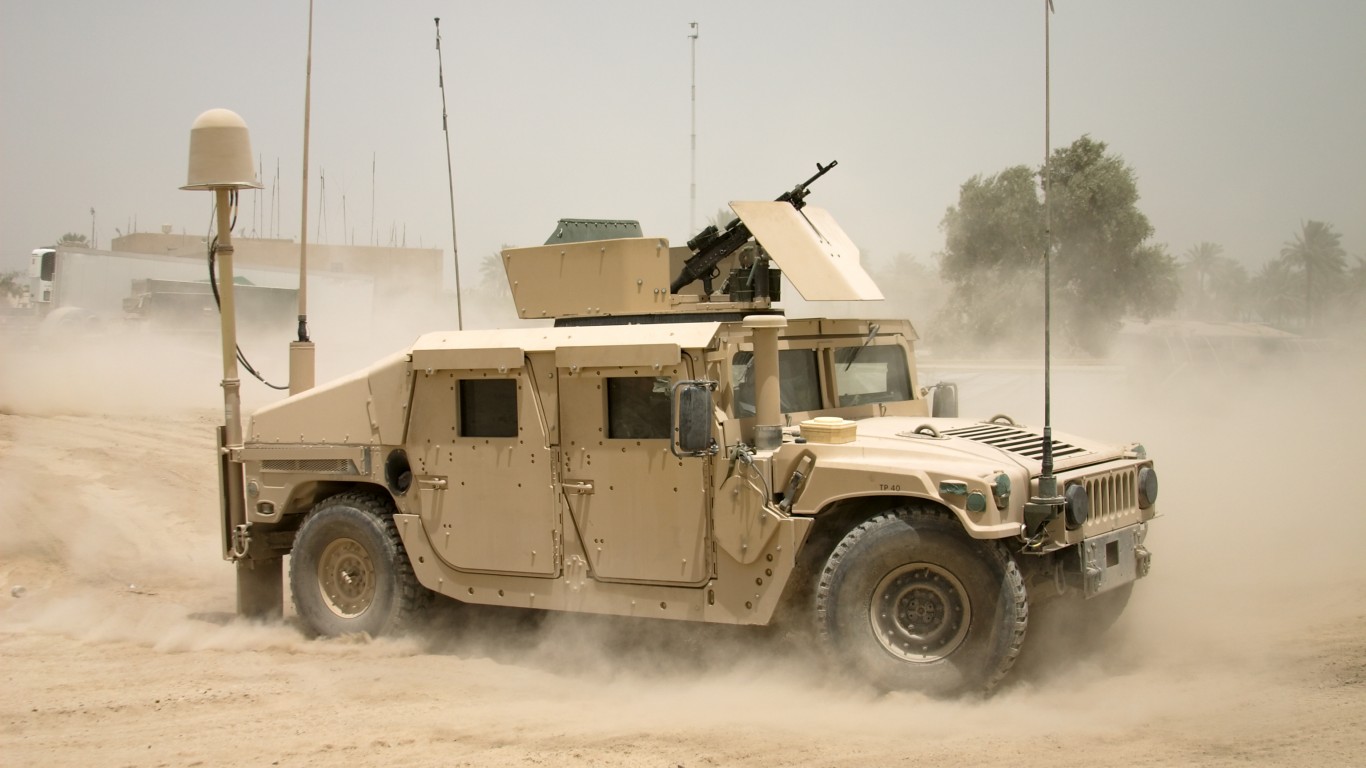
2 months ago20 Reliable Military Vehicles That Nearly Broke the Bank
In military service, reliability is priceless, at least until the bill comes due. Some vehicles earned legendary status because they rarely failed in combat and delivered results under pressure. The problem was what it took to keep them that way. Heavy fuel use, maintenance-intensive systems, specialized parts, and recovery demands typically followed these platforms wherever they deployed. Here, 24/7 Wall St. is taking a closer look at reliable military vehicles that were logistically expensive.
History
fromwww.bbc.com
2 months agoCertainty needed over Ajax Army vehicles, say MPs
Shelley PhelpsWales Westminster correspondent PA Media MPs have called for certainty and swift decision-making on the paused Ajax armoured vehicles project to protect jobs in south Wales. Testing of the vehicles was paused and several investigations are being conducted after around 30 soldiers became ill from noise and vibration during a training exercise last year. The multi-million pound Ajax vehicles are made in Merthyr Tydfil by General Dynamics, which employs around 700 people.
UK politics
fromTechCrunch
1 month agoIntegrate raises $17M to move defense project management into the 21st century | TechCrunch
John Conafay, a veteran of the US Air Force, has spent most of his career leading business development at public and private aerospace companies, including Spire, Astranis, and ABL Space Systems. At each company, Conafay ran into the same software hurdle: collaborating on government contracts was a logistical mess that forced his teams and their federal counterparts to rely on a tedious back-and-forth of PDFs and Excel files.
Tech industry
US politics
fromFortune
1 month agoU.S. military airlifts small nuclear reactor for the first time, flying a minivan-sized microreactor nearly 700 miles on a C-17 | Fortune
A 5-megawatt microreactor was airlifted 700 miles by the Pentagon and Energy Department to demonstrate rapid deployment potential for military and civilian nuclear power.
fromBusiness Matters
2 months agoSmall defence firms to get easier access to MoD contracts under new growth unit
Small British defence companies are set to gain easier access to Ministry of Defence contracts after the government launched a dedicated unit to simplify procurement and boost spending with smaller suppliers. The Ministry of Defence has unveiled the Defence Office for Small Business Growth, a new service designed to cut through what ministers describe as labyrinthine procurement processes that have historically shut small and medium-sized enterprises (SMEs) out of the defence market.
UK news
fromInfoWorld
2 months agoStop treating force multiplication as a side gig. Make it intentional
Lead without authority. You may not have direct reports, yet you shape architecture, quality and the roadmap. Your leverage comes from artifacts, reviews and clear standards, not from title.I started by publishing a lightweight architecture template and a rollout checklist that the team could copy. That reduced ambiguity during design and cut review cycles by nearly 30 percent
DevOps
from24/7 Wall St.
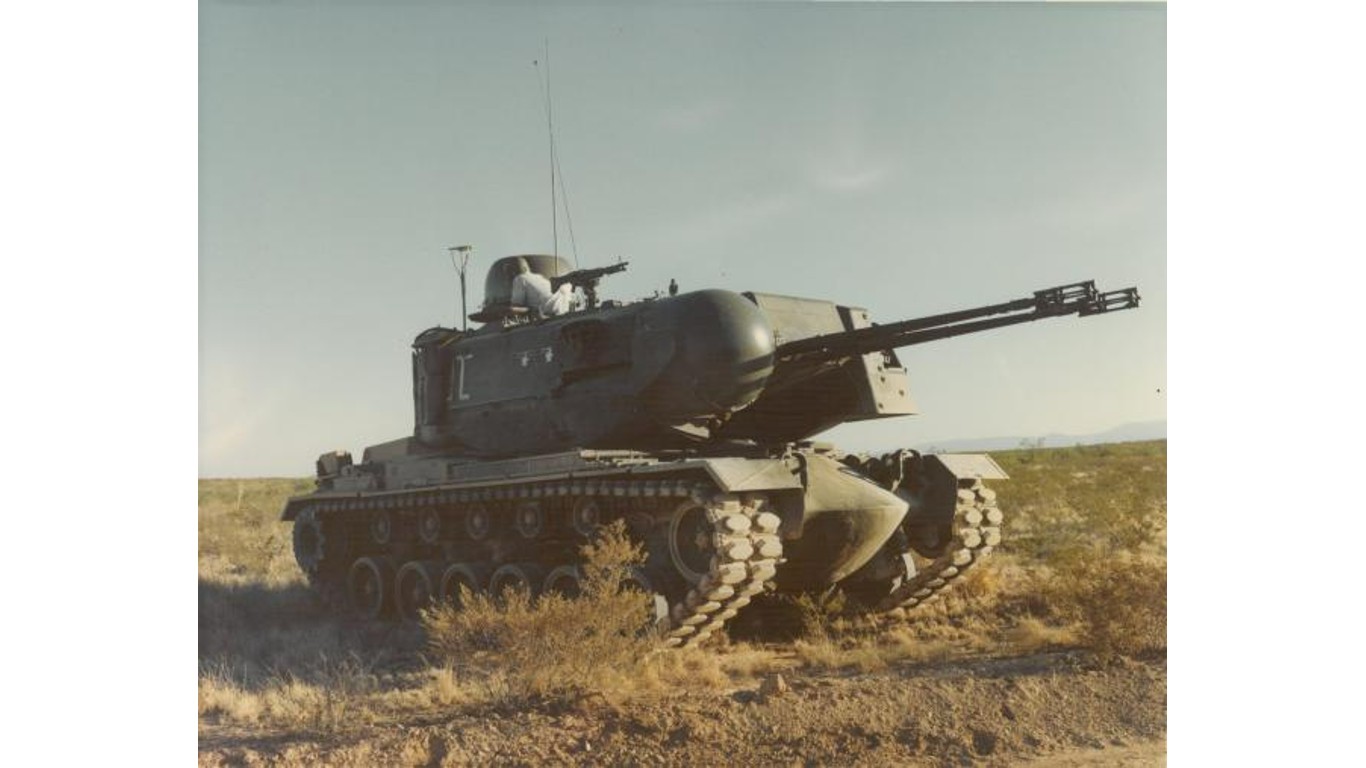
2 months agoWeapons That Became Liability Issues Instead of Force Multipliers
Military weapons are designed to give commanders an advantage, but that advantage is rarely permanent. Systems that once multiplied combat power can become burdens as threats evolve, environments shift, and missions change.Some weapons begin to demand more protection, maintenance, or political consideration than the value they provide. Here, 24/7 Wall St. is taking a closer look at the weapons that became liability issues instead of force multipliers.
Science
frominsideevs.com
2 months agoThe U.S. Military's Abrams Tank Is Going Hybrid
Gone is Honeywell's 1,500-horsepower turbine engine, and in its place is a Caterpillar C13D diesel engine that can easily be serviced everywhere in the world. If something went wrong with the old Abrams' engine, it had to be shipped to a big army base to be serviced, but the Caterpillar engine in the M1E3, which makes 690 horsepower in stock form, is widely used in industrial and heavy machinery around the world, so spare parts are much easier to find.
Gadgets
fromBusiness Insider
1 month agoThe US Army jammed its new command-and-control tech to see if electronic warfare would break it
Much like the war in Ukraine, future battlefields could be drowning in electronic interference, so the US Army stress-tested new command-and-control tech against that threat. The need to maintain connections between command and deployed weapons and crews, or reestablish those links when they're lost, is shaping how soldiers train on the service's Next Generation Command and Control, a new software-driven system that's being developed for the Army.
US news
Science
from24/7 Wall St.
2 months ago30 Aircraft That Were Technological Marvels But Also Operational Headaches
Technological breakthroughs in advanced aircraft often produced unmatched capabilities but caused intense maintenance, logistics, and readiness challenges that undermined long-term operational effectiveness.
fromBusiness Insider
1 month agoKeeping top combat aircraft flying is expected to only get more expensive
The cost for the US and other militaries to keep newer combat aircraft ready to fly is going to soar in the coming years, a new report on sustainment trends argues. A new report from the American consulting firm Oliver Wyman projects global military aircraft spending over the next decade, including an annual sustainment cost growth of 1.1% through 2036. That's a pace roughly 11 times faster than the previous decade.
World news
from24/7 Wall St.
2 months agoTop 5 Defense & Aerospace Stocks After Microsoft's $170M Air Force Win
Microsoft (NASDAQ:MSFT)'s $170 million Air Force cloud contract signals the massive defense modernization wave reshaping Pentagon technology buying. While Microsoft grabs headlines, the real winners are companies building hardware that protects American interests: fighter jets, missile systems, submarines, and bombers. These aren't software plays - they're steel, titanium, and composite fiber companies with decade-long backlogs and bipartisan budget support. We ranked the top five defense and aerospace stocks based on profitability margins, operational efficiency, balance sheet strength, and positioning in the defense modernization cycle.
US news
from24/7 Wall St.
2 months agoWeapons That Performed Well Except For Desert, Jungle, or Arctic Conditions
On paper, many of the world's most famous weapons looked like reliable successes. In practice, desert sand, jungle humidity, and arctic cold often had other ideas. Systems that performed well in testing or early combat sometimes broke down once environmental stress became unavoidable. Here, 24/7 Wall St. is taking a closer look at how the environment, not enemy fire, can quietly expose limits that designers never fully anticipated.
World news
fromBusiness Insider
1 month agoUS Army hopes AI can slash troops' paperwork burden
The US Army's biggest AI gamble may not be on autonomous weapons, but instead whether Silicon Valley software can tackle the service's most tedious and, more often than not, grueling administrative jobs. Think less uncrewed aircraft and more behind-the-scenes tasks like recruiting, equipment maintenance, and endless gear inventories. Through a mix of new tools, redesigned workflows, and data integration, logisticians
Artificial intelligence
from24/7 Wall St.
2 months agoHow Precision Sniper Technology Reduced the Need for Massed Infantry
Infantry once relied on numbers to solve uncertainty. When soldiers could not see or hit targets precisely, the answer was more troops and more fire. Sniper technologies quietly overturned that logic. By extending range, improving accuracy, and increasing awareness, they allowed small teams to dominate space once controlled only by massed formations. Precision replaced presence, and patience became a battlefield advantage. Here, 24/7 Wall St. is taking a look at the sniper technologies that totally changed the game.
Science
[ Load more ]