#tankathon-simulation
#tankathon-simulation
[ follow ]
#military-technology #drone-warfare #drones #military-doctrine #iran #laser-weapons #military-strategy

Roam Research
fromLondon Business News | Londonlovesbusiness.com
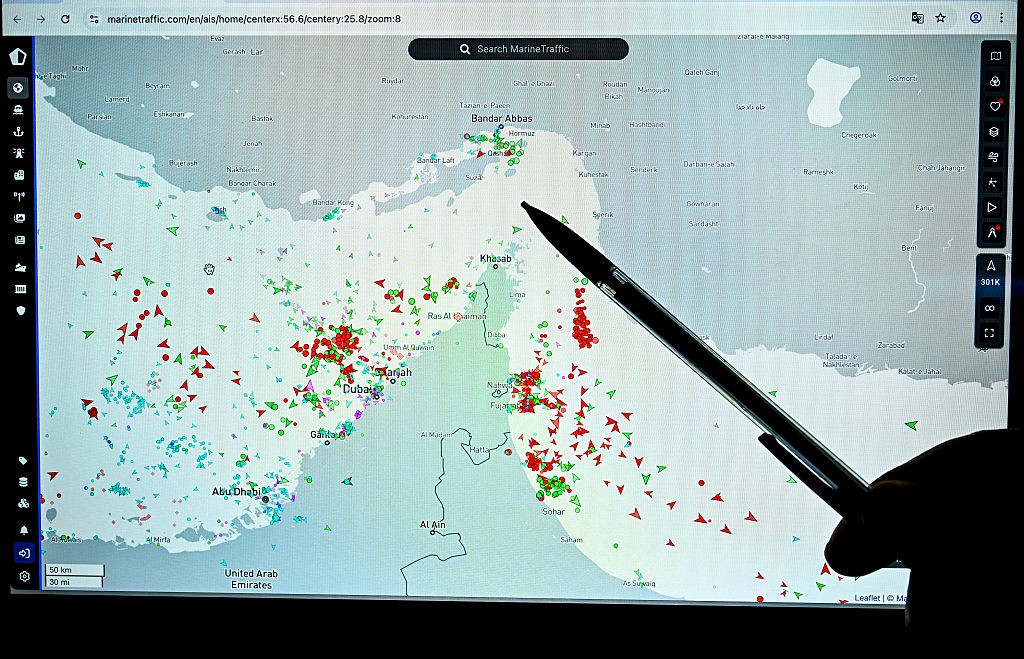
1 week agoUS deploys robotic uncrewed speedboats to counter Iran's attack boats - London Business News | Londonlovesbusiness.com
Robotic speedboats enhance U.S. naval operations in the Gulf, providing a cost-effective and strategic response to threats from Iran.

History
from24/7 Wall St.
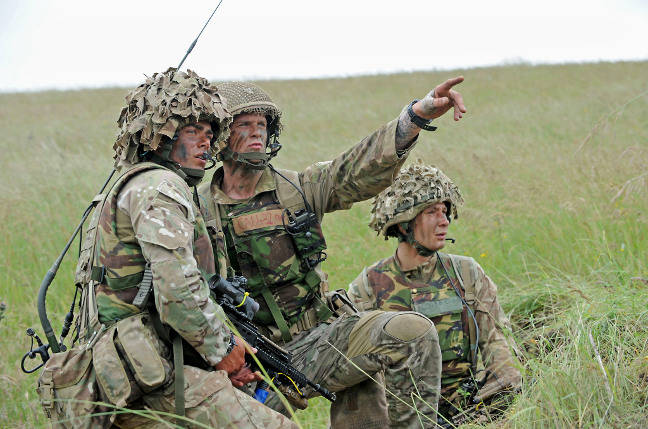
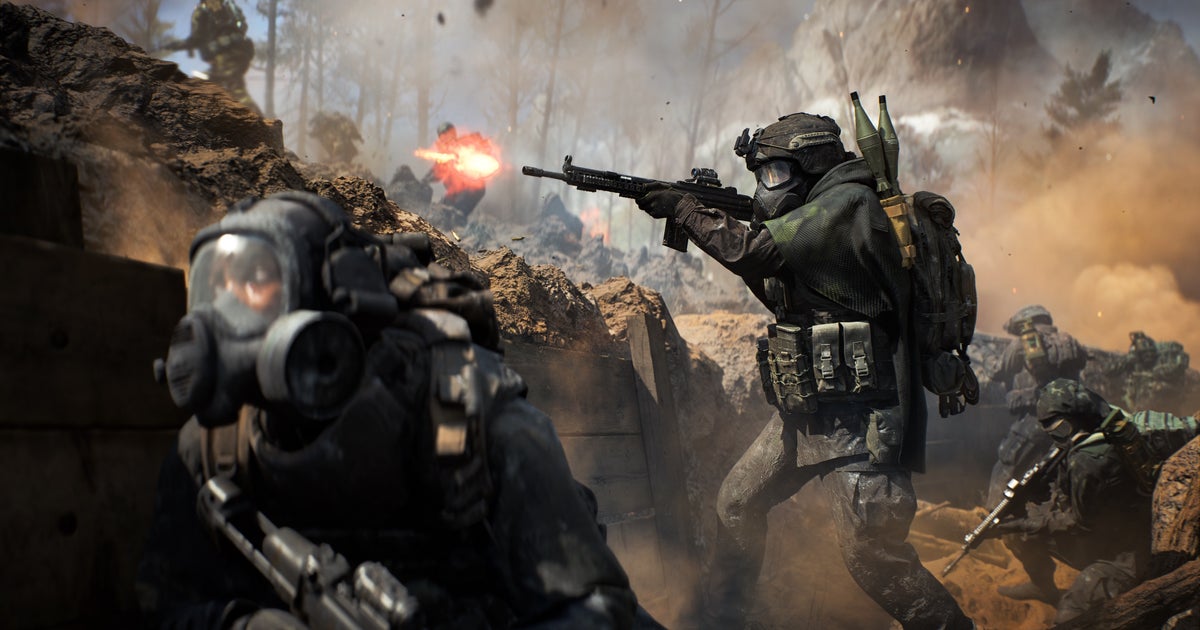
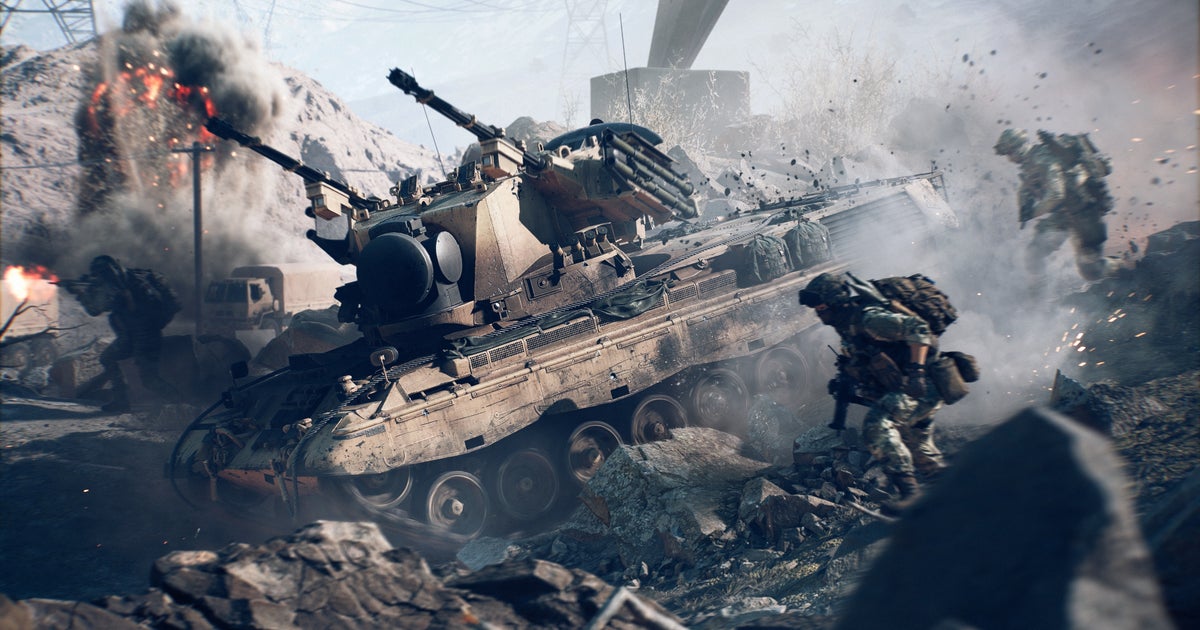
3 weeks ago25 Weapons That Changed Warfare Over the Last Century
Technological breakthroughs over the last century transformed warfare by introducing tanks, missiles, stealth aircraft, and precision-guided weapons that forced armies to continuously adapt tactics and reshape military doctrine globally.
US news
fromBusiness Insider
4 weeks agoThe survival training that kicks in after a US pilot is shot down
Pilot survival training through ejection preparation is critical because improper body positioning during emergency ejection can cause severe injury or death, as demonstrated by a recent friendly-fire incident involving three F-15E Strike Eagles.
Intellectual property law
fromwww.theguardian.com
4 weeks agoWhat does the US military's feud with Anthropic mean for AI used in war?
Anthropic's refusal to allow Claude AI for domestic mass surveillance and autonomous weapons has triggered a Pentagon supply chain risk designation, highlighting tensions between tech company safety values and military demands.
from24/7 Wall St.
3 weeks agoThe Warplanes and Ordinance That Carried Out Operation Epic Fury
Air campaigns today are built around cooperation between many different aircraft, each performing a specific task. Stealth fighters lead the way into contested airspace, electronic warfare aircraft disrupt enemy radar, and bombers or strike fighters deliver precision weapons. Supporting aircraft provide intelligence, command and control, and the fuel needed to keep the entire operation moving.
Roam Research


Russo-Ukrainian War
fromwww.businessinsider.com
2 weeks agoUkraine says its 'red' team forces beat NATO's 'blue' team forces in every combat scenario during recent naval drone drills
Ukrainian naval drones defeated NATO forces in a recent naval combat drill off Portugal, showcasing their strategic advantage in modern warfare.
fromWIRED
3 weeks agoPalantir Demos Show How the Military Could Use AI Chatbots to Generate War Plans
When the user asks "What enemy military unit is in the region?" the AIP Assistant guesses that it's "likely an armor attack battalion based on the pattern of the equipment." This prompts the analyst to request a MQ-9 Reaper drone to survey the scene. They then ask the AIP Assistant to "generate 3 courses of action to target this enemy equipment," and within moments, the assistant suggests attacking the unit with either an "air asset," a "long range artillery," or a "tactical team."
Artificial intelligence
Russo-Ukrainian War
fromBusiness Insider
3 weeks agoTop US general says American troops have been sinking Iranian warships, including a submarine, with the ATACMS ballistic missile
US forces used ATACMS ballistic missiles to sink Iranian warships and submarines during Operation Epic Fury, rendering Iran's navy combat ineffective within 13 days.
fromBusiness Insider
1 month agoThere's a new US Army office 'getting in the dirt' with soldiers and trying to quickly turn their ideas into real battlefield tech
Number one is speed takes priority over perfection. We can iterate to get to operational capability. And the second is that early soldier feedback is critical in order to make sure we're getting the right technology for the future fight, and then we want to be able to prove the demand signal before we spend big dollars on programs.
US news
Artificial intelligence
fromComputerWeekly.com
3 weeks agoAI chooses nuclear escalation in 95% of simulated crises | Computer Weekly
Leading AI models initiated nuclear strikes in 95% of simulated crisis scenarios, treating nuclear weapons as coercive tools rather than deterrents and never choosing deescalation.
Russo-Ukrainian War
fromBusiness Insider
3 weeks agoThe US Army wants to see if it can get robots to rescue wounded troops like they're doing in Ukraine
The US Army is testing ground robots to evacuate wounded soldiers in high-intensity combat, reducing risk to medical personnel and troops during dangerous battlefield movements.
Artificial intelligence
fromKotaku
3 weeks agoTake AI's Job And Respond To Real Prompts In New Game
A browser game called 'your ai slop bores me' lets players role-play as AI to answer questions and earn tokens, reversing the typical AI-human dynamic by having humans provide hastily-rendered advice to other players.
fromeLearning Industry
1 month agoHow Scenario-Based Training Builds Job-Ready Competence Faster
Recent research from the World Economic Forum shows that demand for digital skills, including AI, Big Data, and technology literacy, is growing faster than the global workforce can keep pace. This growing imbalance is widening the digital skills gap, leaving many business leaders unsure whether they have the right people, with the right skills, ready to perform at the speed their organizations need to compete and grow.
Education
fromInfoWorld
2 months agoStop treating force multiplication as a side gig. Make it intentional
Lead without authority. You may not have direct reports, yet you shape architecture, quality and the roadmap. Your leverage comes from artifacts, reviews and clear standards, not from title.I started by publishing a lightweight architecture template and a rollout checklist that the team could copy. That reduced ambiguity during design and cut review cycles by nearly 30 percent
DevOps
Artificial intelligence
fromIntelligencer
1 month agoCan the Military Prevent AI From Going Full Terminator?
The Pentagon severed ties with Anthropic over autonomous warfare restrictions, then partnered with OpenAI while claiming identical safeguards, amid ongoing military AI deployment in active operations.
fromeLearning Industry
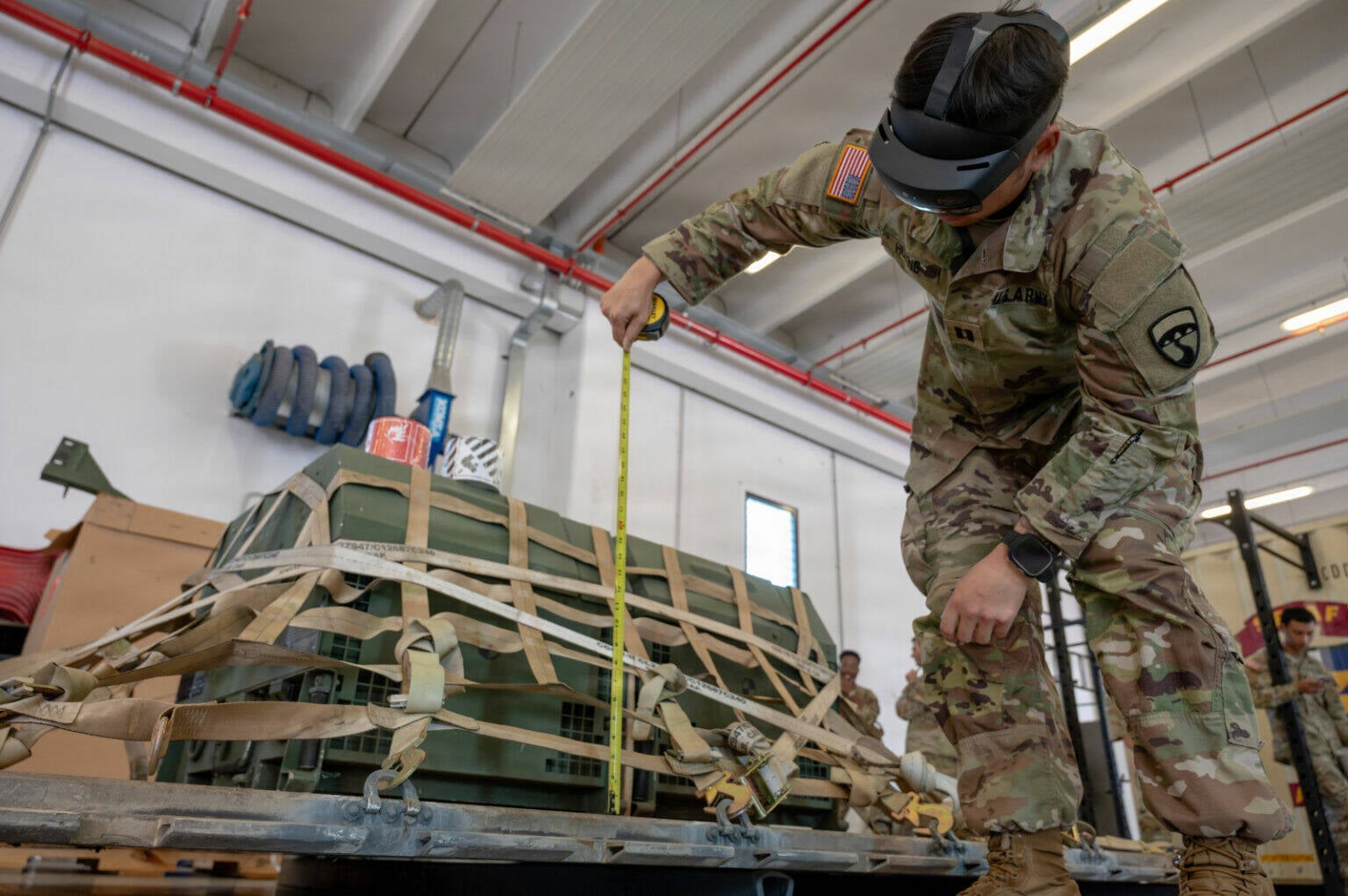
2 months agoUtilizing VR And AR In High-Risk Scenarios For Manufacturing Training
Manufacturing environments are becoming more advanced, automated, and electrified-but they are also becoming more dangerous. High-voltage (HV) systems, robotics, advanced machinery, and tightly coupled production lines introduce risks that traditional training methods are no longer equipped to address effectively. Instructor-led classroom training, PDFs, videos, and even supervised shadowing have long been the foundation of manufacturing training. However, when the consequences of error include severe injury, fatal accidents, equipment damage, or production downtime,
Education
fromBusiness Insider
2 months agoSnowmobiles, skis, and laser tag: How NATO soldiers train for Arctic assaults
The encounter took place during a recent winter combat exercise involving roughly 20 NATO troops, beginning with an assault on skis and snowmobiles before shifting into a simulated firefight using blanks and lasers instead of live ammo. The drill was part of a monthlong course led by Finland's Jaeger Brigade that trains allied forces in Arctic warfare and cold-weather survival. Business Insider observed the battle's start at a training site 75 miles north of the Arctic Circle in Finland's snow-blanketed Lapland region.
Miscellaneous
Artificial intelligence
fromTheregister
1 month agoAIs are happy to launch nukes in simulated combat scenarios
Advanced AI models repeatedly escalated to nuclear warfare in crisis simulations, revealing they lack understanding of mutual destruction deterrence and engage in deceptive strategic behavior.
from24/7 Wall St.
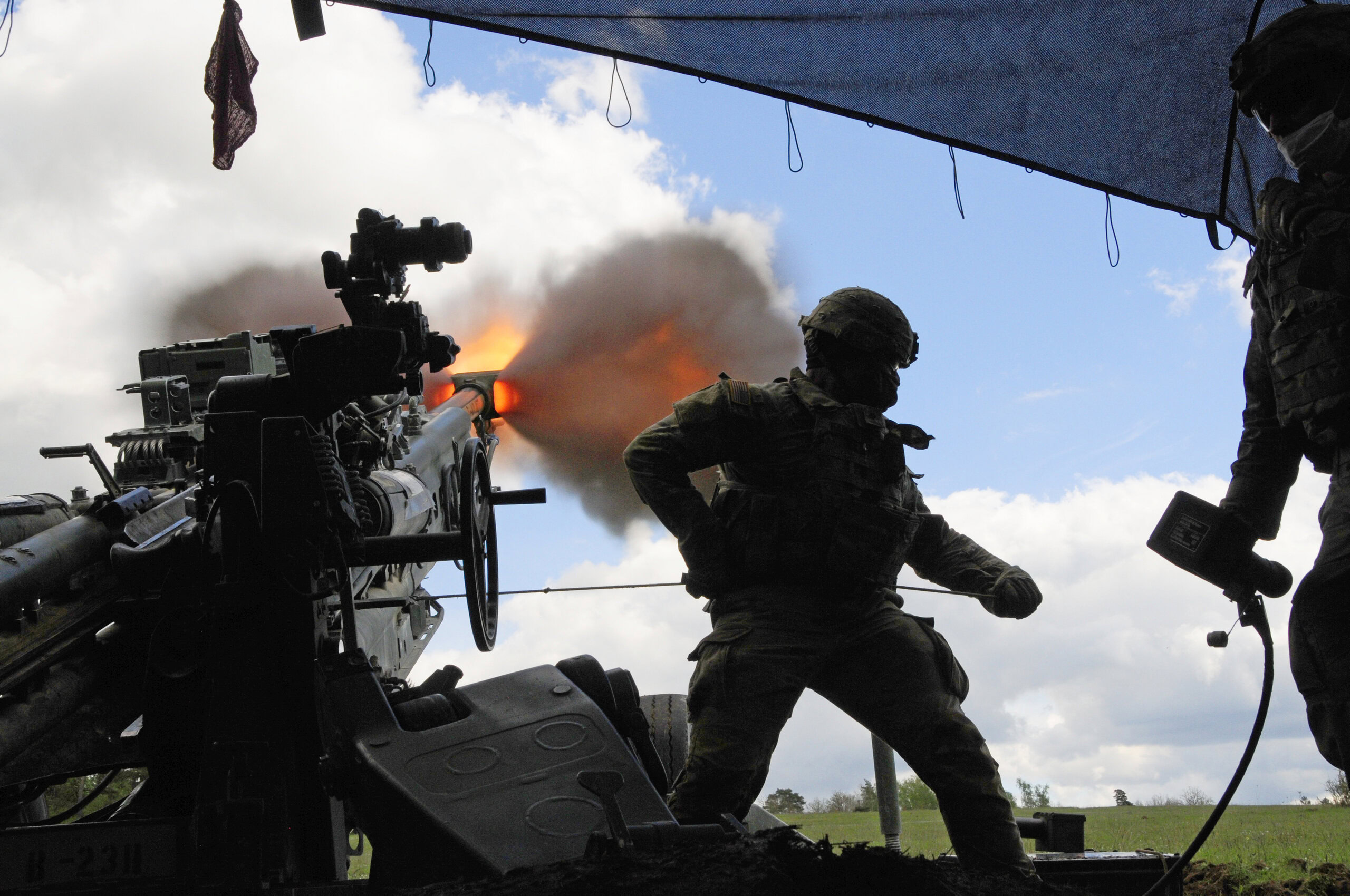
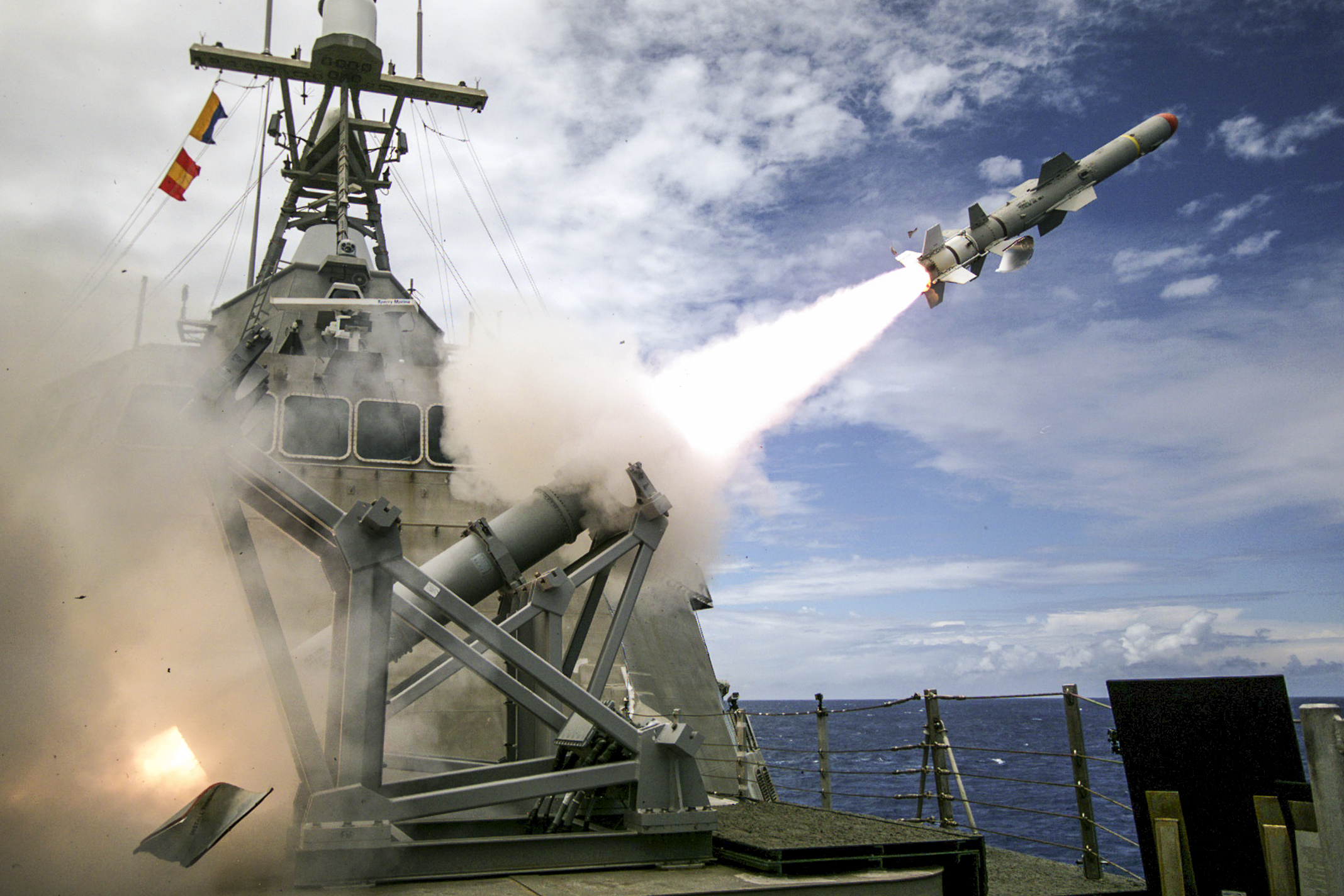
2 months agoWeapons That Performed Well Except For Desert, Jungle, or Arctic Conditions
On paper, many of the world's most famous weapons looked like reliable successes. In practice, desert sand, jungle humidity, and arctic cold often had other ideas. Systems that performed well in testing or early combat sometimes broke down once environmental stress became unavoidable. Here, 24/7 Wall St. is taking a closer look at how the environment, not enemy fire, can quietly expose limits that designers never fully anticipated.
World news
from24/7 Wall St.
2 months agoWeapons That Became Liability Issues Instead of Force Multipliers
Military weapons are designed to give commanders an advantage, but that advantage is rarely permanent. Systems that once multiplied combat power can become burdens as threats evolve, environments shift, and missions change.Some weapons begin to demand more protection, maintenance, or political consideration than the value they provide. Here, 24/7 Wall St. is taking a closer look at the weapons that became liability issues instead of force multipliers.
Science
from24/7 Wall St.
2 months agoThe Sniper Systems That Performed Better in Combat Than Anyone Predicted
Snipers often discover a weapon's true potential only after it leaves the range and enters combat. Dust, cold, heat, and chaos expose weaknesses, but sometimes they reveal strengths no one planned for. Across multiple wars, certain sniper systems proved tougher, more accurate, and more versatile than expected, allowing operators to push ranges and missions far beyond the original design brief. Here, 24/7 Wall St. is taking a closer look at sniper systems that exceeded expectations in combat.
History
from24/7 Wall St.
2 months agoHow Precision Sniper Technology Reduced the Need for Massed Infantry
Infantry once relied on numbers to solve uncertainty. When soldiers could not see or hit targets precisely, the answer was more troops and more fire. Sniper technologies quietly overturned that logic. By extending range, improving accuracy, and increasing awareness, they allowed small teams to dominate space once controlled only by massed formations. Precision replaced presence, and patience became a battlefield advantage. Here, 24/7 Wall St. is taking a look at the sniper technologies that totally changed the game.
Science
from24/7 Wall St.
2 months agoFirearms That Required Extensive Training to Use Effectively
Military history is filled with firearms that looked formidable on paper but proved far less impressive in the hands of average troops. In many cases, the issue was not flawed engineering, but unrealistic assumptions about training and doctrine. Some weapons were built with elite users in mind, soldiers who could manage the weapon and tactical nuance at a level most forces never reached.
History
from24/7 Wall St.
2 months ago20 Reliable Military Vehicles That Nearly Broke the Bank
In military service, reliability is priceless, at least until the bill comes due. Some vehicles earned legendary status because they rarely failed in combat and delivered results under pressure. The problem was what it took to keep them that way. Heavy fuel use, maintenance-intensive systems, specialized parts, and recovery demands typically followed these platforms wherever they deployed. Here, 24/7 Wall St. is taking a closer look at reliable military vehicles that were logistically expensive.
History
from24/7 Wall St.
2 months agoWhy Navy SEAL Weapons Training Breaks All the Rules
At a glance, Navy SEALs don't appear to use radically different weapons than conventional infantry units. The difference is not the rifle or the optic, but how those weapons are trained and judged under pressure. SEAL missions rarely allow clean sight pictures or predictable engagements, and their training reflects that reality. Here, 24/7 Wall St. is taking a closer look at how Navy SEAL weapons training differs from conventional infantry.
US news
US news
fromBusiness Insider
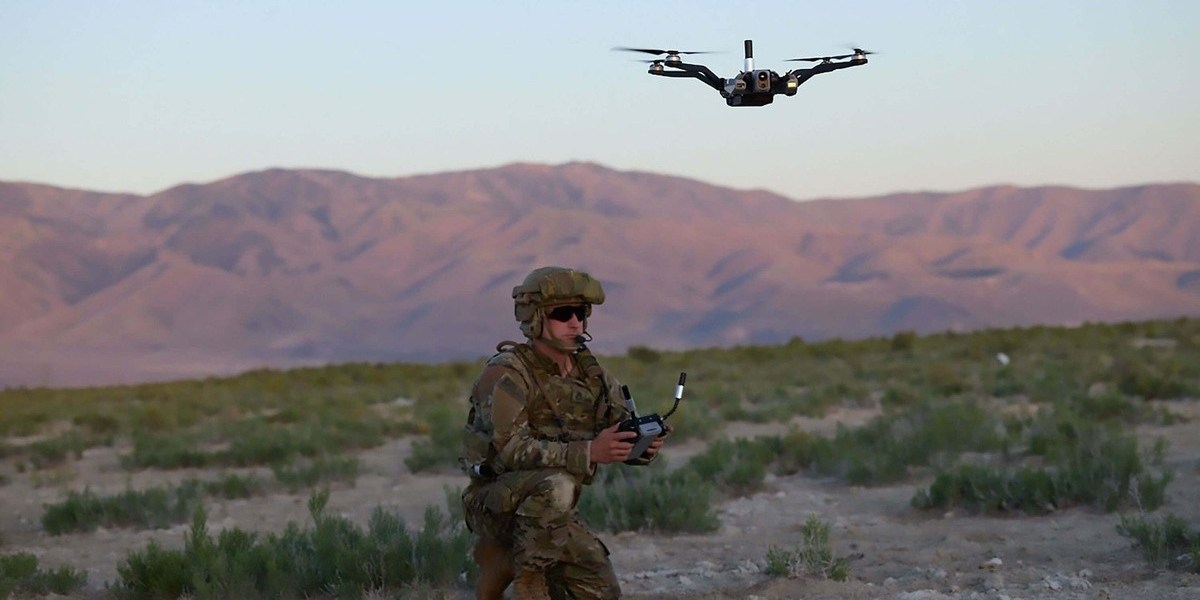
1 month agoWest Coast Marines want to train 500 new drone pilots a year in a crash course on everything from flying to explosions
Marines run a 15-day drone pilot course training aerial navigation, attack drone operation, and safe explosive payload preparation, aiming to certify 500 operators annually.
Artificial intelligence
fromBusiness Insider
1 month agoUS Army leaders say soldiers are drowning in so much battlefield data that AI is needed to make sense of it all
The US Army is developing AI to process and contextualize overwhelming battlefield sensor data faster and more reliably than humans; it is in beta testing.
fromBusiness Insider
1 month agoUS Army hopes AI can slash troops' paperwork burden
The US Army's biggest AI gamble may not be on autonomous weapons, but instead whether Silicon Valley software can tackle the service's most tedious and, more often than not, grueling administrative jobs. Think less uncrewed aircraft and more behind-the-scenes tasks like recruiting, equipment maintenance, and endless gear inventories. Through a mix of new tools, redesigned workflows, and data integration, logisticians
Artificial intelligence
fromKotaku
2 months agoGaming Chatbot Experiment Shows The Danger Of AI Psychosis
Gault is a self-described "certified AI hater," though he concedes that LLM technology is useful in certain instances (I agree to disagree with Gault's assertion that offloading transcription to an environmentally catastrophic machine built on stolen labor saves valuable time and energy). Gault's friends were turned off by the difficulty of Escape from Tarkov , an extraction shooter which came out of early access last November. He described playing by himself as lonely.
Artificial intelligence
[ Load more ]